Several European nations are leveraging the trend of remote work by providing visas for digital nomads.
Many of us have benefited from being able to work from any location since the outbreak.
From Croatia to Spain, nations realizing the potential to strengthen their faltering tourism sectors, are facilitating the process of obtaining temporary residency while employed by a foreign enterprise.
This provides non-EU citizens with peace of mind and the opportunity to work remotely lawfully, in addition to helping tourism-dependent countries fill in the low-season gaps.
Visas for digital nomads also aid host nations in addressing other issues, such as population aging and brain drain.
A digital nomad visa can be the perfect solution if you want to relocate to Europe, work remotely, and acquire the ability to travel inside the Schengen Area.
This table compares the many remote work visas that are available in Europe now or in the near future, together with information on application fees, income requirements, and duration of stay.
While some are pre-existing visas that have been modified to accommodate those who wish to work while traveling, others have been created expressly for remote workers.
Which visas are accessible in Europe for digital nomads?
Albania: For its breathtaking scenery and affordable lifestyle

One-year visas with a five-year renewal option are available.
Application cost: Reciprocity-based
Required income: approximately €9,800 annually
Digital nomads who wish to spend up to a year living and working in Albania can apply for a residency permit. The so-called “Unique Permit,” which was introduced at the beginning of 2022, is renewable up to five times consecutively.
Proof of a remote job contract for a company located outside the nation, along with the necessary qualifications, must be presented by remote workers. In addition, they need to provide evidence of their ability to sustain themselves financially, a local bank account, a housing contract, health insurance, and a clean criminal record.
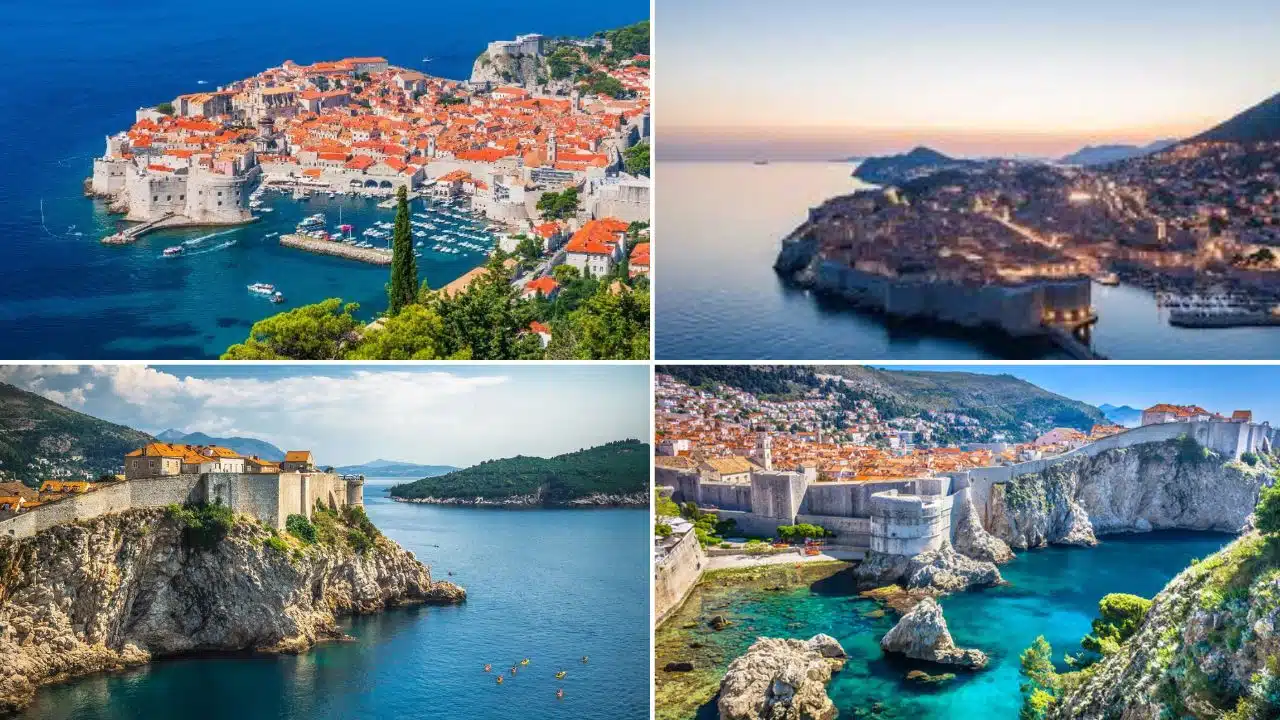
Croatia: To sunshine unhindered by financial burdens
One-year visas with the option to renew
Application cost: around €60
Monthly income required: around €2,500
In 2021, Croatia introduced its one-year residence visa program for digital nomads. Non-EU/EEA nationals employed in “communication technology” are eligible for the program; they may do so as remote workers for businesses outside of Croatia or through their own foreign-registered company.
After arriving in Croatia, remote workers can apply for a one-year residence permit, provided they are not in need of a tourist visa. Members of one’s immediate relatives may also apply for temporary residency.
Cyprus: For its historic sites and Mediterranean beaches
Duration of visa: One year, with a two-year extension option
€70 is the application fee.
Monthly income requirement: €3,500
With a cap of 100 nomads, Cyprus’s remote work visa became available to non-EU nationals in 2021. The government raised this cap to 500 visas in 2022.
You have to work for an employer registered outside of Cyprus in order to be qualified.
Families of digital nomads are welcome to travel with them, but they are not allowed to work in Cyprus.
Czech Republic: For enchanted castles and reasonably priced housing
Duration of visa: up to a year
€200 is the application fee.
Requirement for income: €5,000 must be in your bank account.
In the Czech Republic, remote workers are eligible to apply for a freelance or long-term business license. Known colloquially as the “zivno” visa (short for Zivnostenske opravneni, or trade authorization), this type of visa is used for non-EU individuals who work for themselves or as independent contractors.
One can utilize it to obtain local freelancing work, like teaching, although it does require connections to a Czech enterprise.
Estonia: For affordable, forward-thinking digital infrastructure
One-year visas with a six-month extension are available.
Application cost: €100
Monthly income requirement: €4,500
In the summer of 2020, Estonia introduced its digital nomad visa. It permits individuals to work remotely for foreign companies or as independent contractors with mostly foreign clients to remain in Estonia for a maximum of one year. Once your first six-month visa expires, you can apply for another one.
Candidates must have earned a minimum of €3,500 net per month during the six months prior to applying.
You will be liable for local taxes and acquire tax residency if you stay in Estonia for longer than six months.
Additionally, Estonia provides “e-residency,” which enables remote business owners to access digitally to Estonian e-services without requiring residency. This allows one to use banking, file taxes, and manage a business online in Estonia without having to physically reside there.
Finland: The happiest nation in the world, with unspoiled nature

Duration of visa: six months
Application cost: €400
Monthly income requirement: €1,220
Non-EU business owners who operate independently or as independent contractors are eligible for Finland’s self-employment visa. Candidates must demonstrate their financial stability and satisfy the minimal income criterion.
Greece: For year-round sun and island hopping
One-year visas with the option to renew them with a residency permit
€75 is the application fee.
Monthly income requirement: €3,500
Greece introduced a program in 2022 that permits non-EU nationals to reside and work there remotely. You must demonstrate that you have enough money, with a minimum monthly salary of €3,500, in order to be accepted.
Under the program, digital nomads are not allowed to work or freelance for Greek businesses.
Hungary: For affordable housing and thermal spas
Duration of visa: One year, with the option to renew
€110 is the application fee.
Monthly income requirement: €3,000
Digital nomads from outside the European Union who work remotely are eligible for a “White Card” visa to Hungary. During the first six months of your 180-day stay, you will not be required to pay taxes in Hungary as long as you remain in the country for at least ninety days.
Under this program, you are not allowed to work for a Hungarian corporation.
Iceland: A wealthy outdoor enthusiast’s paradise
Duration of visa: six months
Application cost: €86
Monthly income requirement: €7,075
The long-term remote work visa offered by Iceland is intended for high earners who make more than €7,000 per month working as freelancers or employees of international companies. Applicants will not be regarded as tax residents for the duration of the six-month visa.
Italy: For its breathtaking scenery and relaxed lifestyle
One-year visas with the option to renew
€116 is the application fee.
Required annual income: €28,000.
In March 2022, a new visa specifically for digital nomads was enacted into Italian legislation, and it eventually became accessible in April 2024.
A number of conditions must be met by applicants, such as having no outstanding debts and health insurance. Before applying, they must also be in compliance with Italian tax laws.
Latvia: Known for its stunning architecture and endless forests
One-year visa with the option to extend for an additional year
Free to apply: TBC
Monthly income of at least €2,858 is required.
A digital nomad visa is scheduled to be introduced by the Latvian government in 2022. Before it may become official, legislation is currently being modified. However, authorities have stated that digital nomads can petition for citizenship after five years of continuous legal residency in Latvia.
Additionally, applicants must be citizens or residents of nations that are members of the Organization for Economic Cooperation and Development (OECD), including the US, Canada, and the UK.
Malta: For days at the sea and warm winters
Duration of visa: One year
€300 is the application fee.
Monthly income requirement: €2,700
For independent contractors and remote workers who work for businesses outside of Malta, there is a Nomad Residence Permit available. Non-EU nationals are eligible for the one-year permission.
Nomads were first promised a tax exemption as long as they continued to pay taxes in their home countries. This pledge has, however, given rise to legal issues that are presently being handled.
Do you want to relocate to Malta permanently? Third-country citizens who spend at least €25,000 in the country are eligible for a three-year residence visa under a new Startup Residence Scheme that was announced in 2023. This can be continued for a further five years if the firm succeeds, and it may eventually lead to permanent residency.
Montenegro: For daring trekking and affordable accommodation
Duration of visa: two years, renewable for an additional two
Free of charge to apply: €67
Monthly income required: around €1,400
In 2021, Montenegro declared that it would grant non-EU citizens a digital nomad visa; the program’s initial phases were unveiled in 2023. On the other hand, applications won’t be accessible until after 2024. The program allows participants to stay in the nation for a maximum of four years. Tax benefits are available to digital nomads, however specifics are still pending.
Norway: For local business and mountain mountaineering
Duration of visa: Up to two years
€600 is the application fee.
Monthly income requirement: €3,000
To live and work remotely in Norway, qualified non-EU digital nomads can apply for an independent contractor visa and a residency permit. In order to participate in the program, applicants must have at least one Norwegian client and pay local taxes.
Portugal: Known for its craggy beaches and weekends spent sampling wine
Duration of visa: One year
Monthly income required: €3,280
Officially known as the “residence visa for the exercise of professional activity provided remotely outside the national territory,” Portugal first introduced the digital nomad visa in October 2022.
It is available to non-EU nationals working for a company outside of Portugal or working for themselves.
The new program is a substitute for the current “D7” visa, which is intended for retirees and those with “passive income.”
For the duration of your visit, you must provide proof of health insurance. The minimal income criterion rises or you have to demonstrate a certain amount of money in your bank account if you are traveling with a spouse or kids.
Romania: For strenuous treks and affordable accommodations
Duration of visa: One year
120 euros is the application fee.
Monthly income required: €3,950, or three times the average gross pay in Romania.
For non-EU nationals, Romania offers a digital nomad visa. Candidates must provide proof of income from a business outside of Romania, health insurance, and a spotless criminal history.
Klaus Iohannis, the president of Romania, signed a new bill in 2023 that clarified the tax obligations for remote workers. Long-term residents are not required to pay income tax, social security, or social health insurance premiums.
In order to qualify for the program, foreign employees must not remain longer than 183 days in the nation during a 12-month period.
Under the concept, digital nomads who have their tax residency in another country are exempt from paying tax in Romania.
Spain: For tax breaks and beach vacations

One-year visas with a five-year renewal option are available.
Application fee: varies by nation, typically approximately €80.
Required monthly income: Currently €2,334
In February 2023, Spain’s eagerly anticipated digital nomad visa became official. Non-EU nationals are allowed to reside and work there for a maximum of five years under the program.
It is available to those who work remotely for non-Spanish businesses, including both employees of a single company and independent contractors with several clients.
They need to be able to demonstrate their training and experience in the industry.
With confirmation of sufficient cash, close relatives, such as spouses and children, are permitted to accompany the visa holder inside the nation.
Remote workers will receive tax benefits if their annual income is less than €600,000. During the first four years of their residence, they will only pay 15% tax rather than the standard 24%.
Turkey: Known for its vibrant cities and serene coastline
Duration of visa: One year
Application cost: Not yet determined
Monthly income requirement: €2,800
Turkey was the last nation to offer a digital nomad visa to global remote workers, having done so in March of 2024.
Those who are interested can finish the initial application steps on a special website established by the Turkish Culture and Tourism Ministry.
The digital nomad visa for Turkey requires applicants to be between the ages of 21 and 55. The majority of EU nations, as well as the UK, USA, and Canada, are welcome to apply.
A university degree, a work contract or company agreement, and the ability to demonstrate the required monthly income are additional requirements.