Does your company run a data center? If you are seeing energy bills climb and wondering about your environmental footprint, you are definitely not the only one. As a front-end engineer, I often think about optimization in terms of code, stripping out bloat to make a site load faster. But when we look at the physical infrastructure powering that code, the “bloat” isn’t just milliseconds; it’s megawatt-hours.
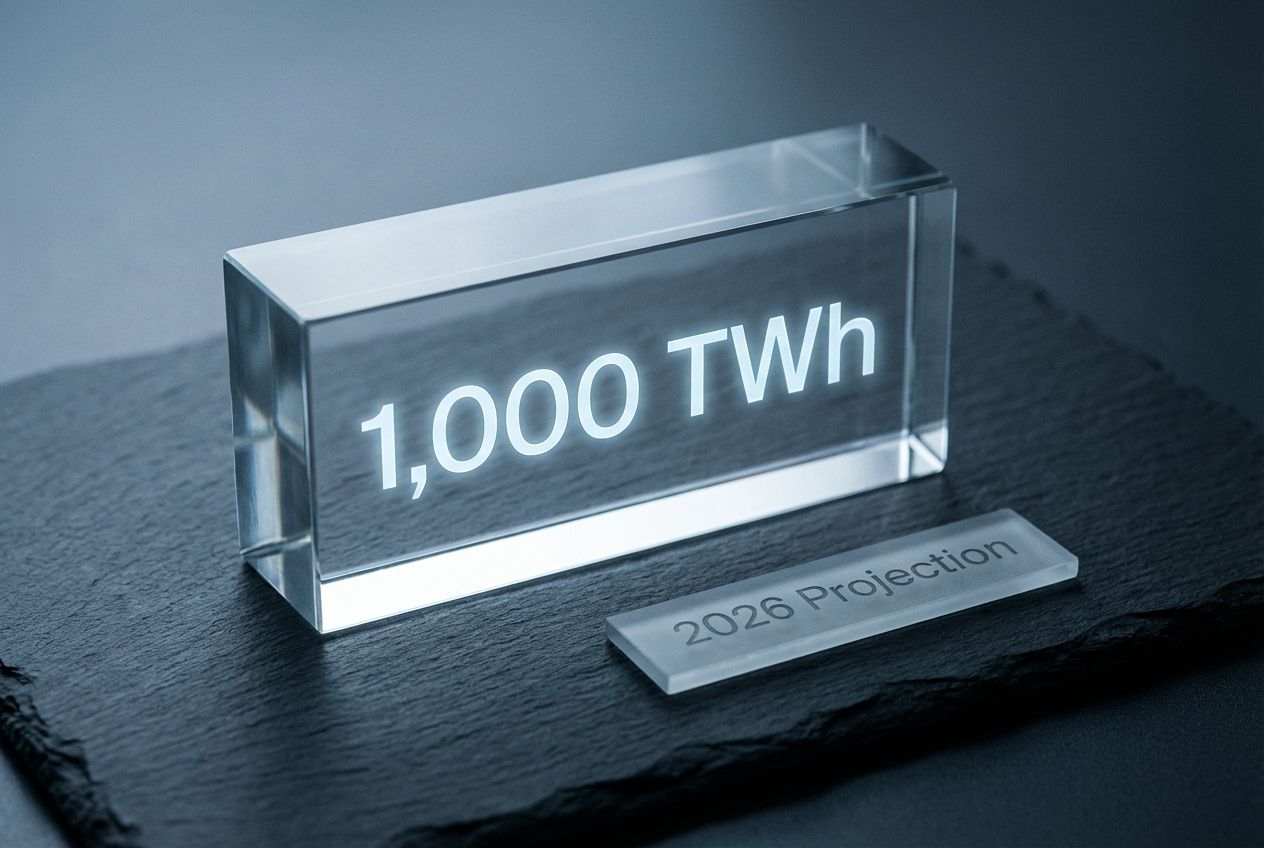
Here is a number that stops me in my tracks: The International Energy Agency (IEA) projects that by 2026, global data center electricity consumption could reach 1,000 terawatt-hours (TWh). To put that in perspective, that is roughly equal to the entire annual electricity consumption of Japan.
In this article, we will look at the environmental impact of data center and exactly why these numbers are spiking, how new AI hardware is changing the math, and the specific engineering steps we can take to fix it.
Understanding Data Centers
Think of a data center as the physical backend of the internet. It is a facility dedicated to housing networked computer servers, storage systems, and the massive cooling infrastructure required to keep them from melting down. While we might imagine these as nebulous “clouds,” they are very real, very hot buildings.
Take Northern Virginia, for example. Known as “Data Center Alley,” this single region handles roughly 70% of the world’s internet traffic. In these hubs, companies like Google, Amazon (AWS), and Microsoft operate “hyperscale” facilities, massive warehouses that can span hundreds of thousands of square feet.
Inside, thousands of servers run 24/7 to process requests, from simple API calls to complex database queries. But the servers aren’t the only power hogs. Support infrastructure, specifically cooling and humidity control, often consumes nearly as much power as the computers themselves.
Keeping silicon chips below 80 degrees Fahrenheit requires industrial-scale chillers, fans, and pumps that run nonstop. Every architectural decision here, from the airflow management in a server rack to the type of concrete used in the foundation, dictates the facility’s sustainability profile.
Major Environmental Impact of Data Centers
The environmental cost of a data center goes beyond just the electric bill. It is a multi-layered issue involving carbon, water, and physical waste. We need to debug each of these inputs to understand the full load on the system.
Carbon Emissions from Data Centers
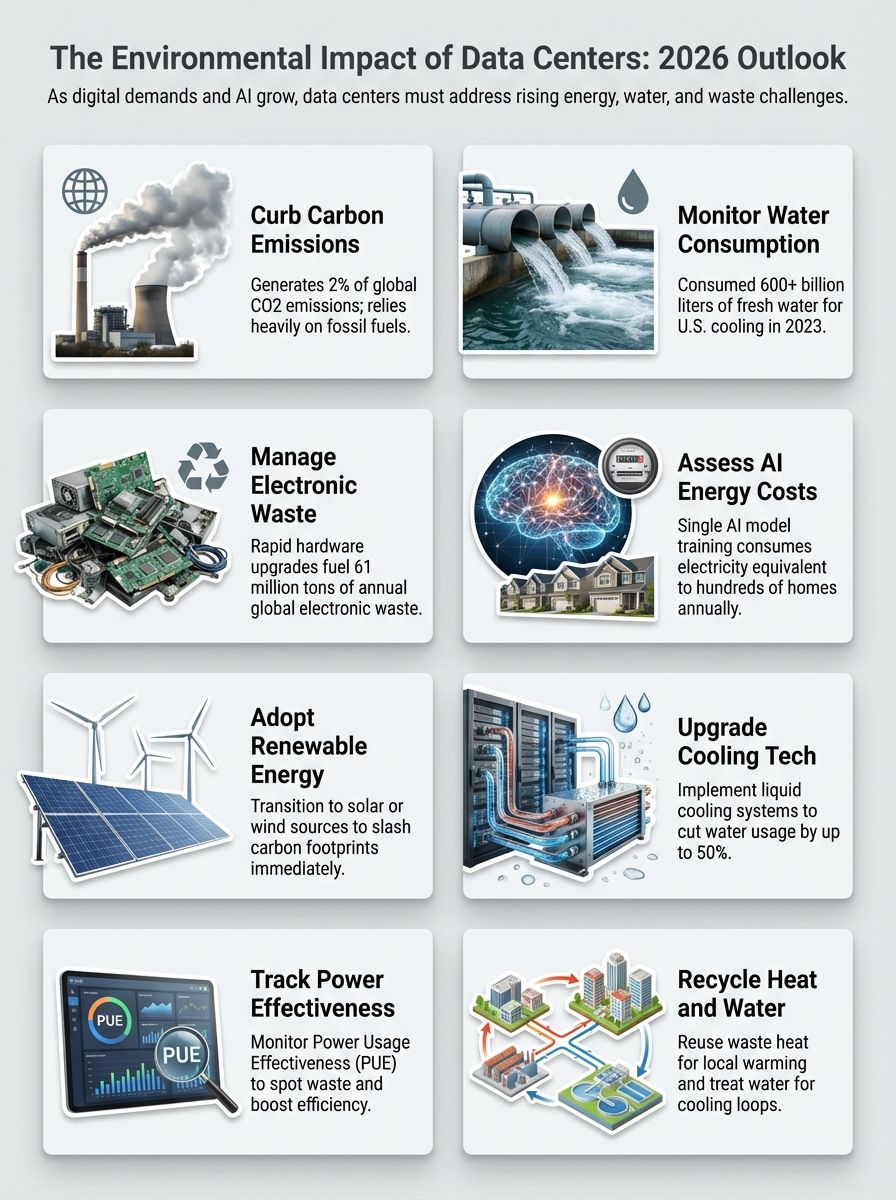
Data centers are major contributors to global carbon emissions, primarily because many grids still rely on fossil fuels. According to the IEA, data centers and transmission networks account for about 1-1.5% of global electricity use. However, this is growing rapidly.
“Google’s 2024 environmental report revealed that their greenhouse gas emissions have risen by 48% since 2019, largely driven by the energy demands of AI and data center expansion.”
The problem is “carbon intensity.” A data center in a region powered by coal (like parts of Asia or the US Midwest) has a much dirtier footprint than one in the hydro-powered Pacific Northwest. Even with efficiency gains, the sheer volume of new servers coming online is outpacing our ability to build green power generation.
Water Use in Data Center Cooling
This is often the overlooked variable. To save electricity, many hyperscale facilities use evaporative cooling towers. It is an effective method, but it is thirsty. Research from 2024 suggests that the average data center consumes about 1.8 liters of water for every kilowatt-hour (kWh) of electricity it uses.
In drought-prone areas, this creates local tension. For instance, facility expansions in places like Mesa, Arizona, or The Dalles, Oregon, have faced scrutiny over their impact on local aquifers. If a facility uses “potable” (drinking) water for cooling, it competes directly with local farms and residents.
Generation of Electronic Waste by Data Centers
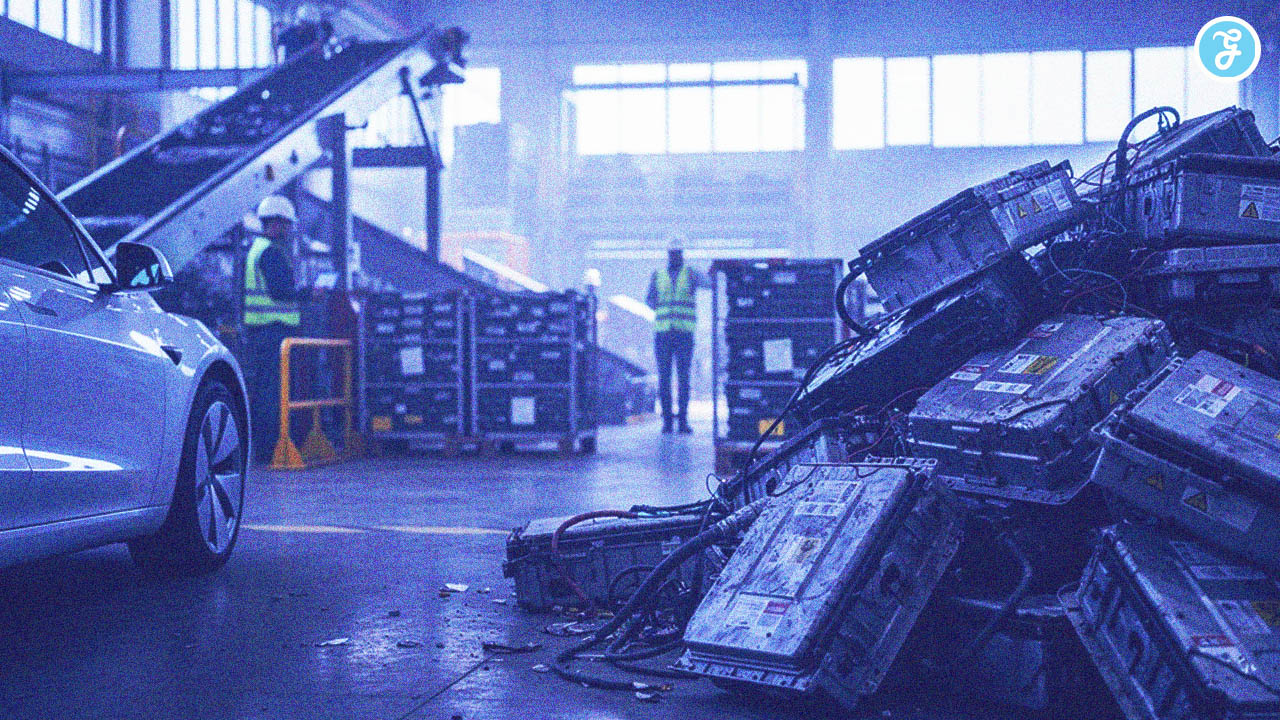
Hardware lifecycles are shockingly short. Servers are typically refreshed every 3 to 5 years to keep up with performance demands. This creates a massive stream of electronic waste (e-waste). According to the 2024 Global E-waste Monitor, the world generated a record 62 million tonnes of e-waste in 2022.
Much of this equipment contains valuable materials like gold, copper, and rare earth elements, alongside hazardous substances like lead and mercury. Without a strict “circular economy” approach, where old servers are stripped for parts rather than shredded, this toxicity ends up in landfills.
Infrastructure Demands and Land Use
Data centers are land-intensive. A single campus can consume hundreds of acres. In constrained markets like Loudoun County, Virginia, land prices have skyrocketed to over $3 million per acre because the demand is so high. This physical sprawl creates impermeable surfaces (concrete and asphalt) that disrupt local water tables and heat islands.
Plus, the construction process itself is carbon-heavy. The “embodied carbon” in the thousands of tons of steel and concrete required to build these fortresses is a significant, often uncounted, part of their climate impact.
Impact of Artificial Intelligence on Data Center Environment
If standard cloud computing is a steady stream of traffic, AI is a tsunami. The shift toward generative AI and Large Language Models (LLMs) has fundamentally changed the power density requirements of data centers.
Increased Energy Needs for AI Operations
AI racks run hot. A standard server rack might draw 8 to 10 kilowatts (kW) of power. A rack dedicated to AI training, packed with high-performance GPUs, can draw over 40 kW, with some newer liquid-cooled designs pushing past 100 kW.
The chip architecture itself is hungrier. For example, the “NVIDIA H100 GPU”, the workhorse of modern AI, has a peak power consumption of “700 watts” per chip. When you cluster thousands of these together to train a model like GPT-4, the energy draw is immense.
| Action | Estimated Energy Consumption | Comparison |
|---|---|---|
| Standard Google Search | ~0.3 Watt-hours (Wh) | Minimal energy impact. |
| ChatGPT Query | ~2.9 Watt-hours (Wh) | ~10x more energy than a standard search. |
Additional Resource Needs for AI Technologies
The heat generated by these high-density chips pushes traditional air cooling to its breaking point. You simply cannot blow enough cold air through a rack to cool a 100 kW load efficiently. This forces a switch to liquid cooling technologies, which require new infrastructure and fluids.
Furthermore, the manufacturing of these specialized chips requires rare earth metals like cobalt and lithium, tightening the supply chain and increasing the environmental cost of every new server deployed.
Projections for Future Data Center Energy Use
We are looking at a steep upward curve. The demand for digital services, fueled by AI, is growing faster than our efficiency improvements.
Expected Rise in Energy Requirements
The US market alone is seeing unprecedented growth. According to a McKinsey report, data center power demand in the United States is projected to reach “35 gigawatts (GW) by 2030”, up from roughly 17 GW in 2022.
This doubling of demand places immense strain on the power grid. Utilities in states like Virginia and Georgia are already delaying the retirement of fossil fuel plants to ensure they can meet this new baseload demand. This is the “rebound effect”; we make chips more efficient, but we use so many more of them that total consumption still goes up.
Sustainability Challenges in Energy Management
The challenge isn’t just generating power; it is managing the peaks. AI training workloads can run for weeks at maximum capacity, creating a flat, high load that renewables like solar (which only works during the day) struggle to cover without massive battery storage.
This intermittency problem means that even companies buying “100% renewable energy” on paper often still rely on the fossil-fuel grid at night. To truly hit net zero, the industry needs to solve the 24/7 clean energy puzzle.
Strategies to Minimize Data Center Environmental Footprint
So, how do we refactor this system? Just like optimizing a codebase, we have specific tools and strategies to bring these numbers down.
Integration of Renewable Energy Solutions
The most direct fix is cleaning the power source. Many operators utilize “Power Purchase Agreements (PPAs)” to fund new wind and solar farms. However, the gold standard is now “24/7 Carbon-Free Energy” (CFE).
This is a goal championed by Google and Microsoft to match their electricity consumption with carbon-free sources every hour of every day, not just on annual averages. It requires a mix of wind, solar, geothermal, and battery storage to ensure the grid is never dirty.
Innovations in Cooling Technologies
We are moving beyond big fans. Advanced facilities are adopting “Liquid Immersion Cooling”. In this setup, servers are fully submerged in a dielectric fluid (a liquid that doesn’t conduct electricity). The fluid captures heat far more efficiently than air, eliminating the need for energy-hungry fans.
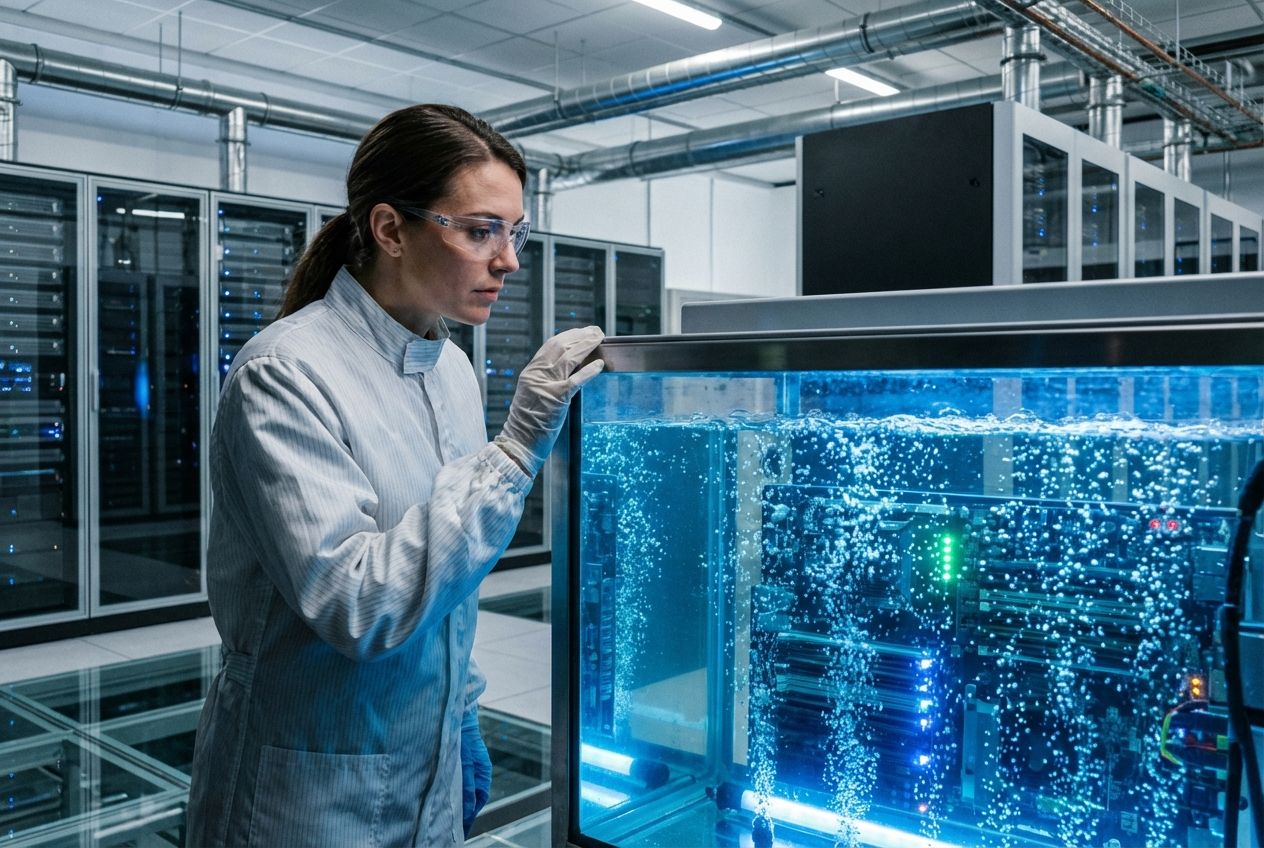
- Direct-to-Chip Cooling: Pipes bring coolant directly to the CPU/GPU, capturing up to 70% of heat at the source.
- Rear-Door Heat Exchangers: Radiators placed on the back of server racks to cool exhaust air before it enters the room.
Understand your Power Usage Effectiveness (PUE)
You cannot fix what you do not measure. “Power Usage Effectiveness (PUE)” is the standard industry metric. It is calculated by dividing Total Facility Energy by IT Equipment Energy. A perfect score is 1.0 (meaning 100% of power goes to computing).
According to the Uptime Institute’s 2024 survey, the global average is stagnant around “1.58”. However, optimized new builds can achieve “1.2 or lower”. Ask your data center provider for their current PUE. If it is above 1.5, they are running inefficient legacy code.
Optimization of Energy Use Through AI
Ironically, AI can help solve the problem it creates. Google used DeepMind AI to manage cooling in its data centers, reducing cooling energy usage by “40%.” The AI analyzes temperature sensors every few seconds and tweaks valves and fan speeds faster than any human operator could, finding the “sweet spot” of efficiency.
Check Energy-Saving Ratings
Look for hardware and facilities with third-party certifications. “ENERGY STAR” for Data Center Storage is a key label for hardware. For the building itself, look for “LEED Gold or Platinum” certification. These ratings verify that the facility uses efficient lighting, water recycling, and sustainable materials.
Technologies for Capturing Emissions
For emissions we cannot eliminate, we capture them. Some cutting-edge facilities use concrete injected with CO2 during construction (technologies like “CarbonCure”). Others support Direct Air Capture (DAC) projects, such as those by “Heirloom” or “Climeworks”, which physically suck CO2 out of the atmosphere to offset the facility’s unavoidable impact.
Waste Heat Recovery and Recycled Water
A server generates heat; a nearby office needs heat. Why waste it? “Waste Heat Recovery” systems capture the thermal energy from servers and pipe it into district heating networks.
While this is common in Europe, Meta’s Odense facility warms 6,900 local homes, and it is gaining traction in the US. For example, Amazon’s district energy project in Seattle uses heat from a nearby data center to warm the 3-million-square-foot Amazon campus in the Denny Triangle. This circular approach turns a waste product into a valuable resource.
Advancing Sustainable Practices in Data Center Construction
The building itself is the first step in sustainability. We are seeing a shift toward “modular” construction, which works a bit like component-based software development.
Designing for Modularity and Efficiency
Modular data centers are prefabricated units that can be shipped and assembled on-site. Because they are built in a controlled factory environment, they have tighter seals and better insulation than traditional drywall construction.
This leads to less air leakage and better PUE right out of the box. It also allows companies to scale capacity strictly as needed, preventing “zombie servers” sitting in half-empty rooms cooling air for no reason.
Environmental Impact Assessments in Lifecycle
Smart teams run a Life Cycle Assessment (LCA) before breaking ground. This analysis looks at the carbon footprint of everything from the steel beams to the copper wiring.
By identifying “hot spots” of carbon early, engineers can swap materials, like choosing low-carbon cement or mass timber, to reduce the facility’s embodied carbon by 20-30% before the power is even turned on.
Final Words: Balancing AI Demand with Sustainability
Data centers are the engines of our modern life, but they don’t have to be gas guzzlers. From switching to 24/7 carbon-free energy to recycling server heat for local offices, the solutions exist today. The IEA forecasts and the 2026 usage spikes are a warning, but they are also a roadmap. Every optimization counts.
Whether you are an IT manager choosing a green cloud provider or a developer optimizing code to run on fewer cycles, you have a lever to pull. Efficiency isn’t just about saving money anymore; it’s about building a web that the planet can actually support.
I once saw a server room drop its energy use by 15% just by installing simple plastic blanking panels to stop hot air recirculation, proof that you don’t always need a total rewrite to see results.