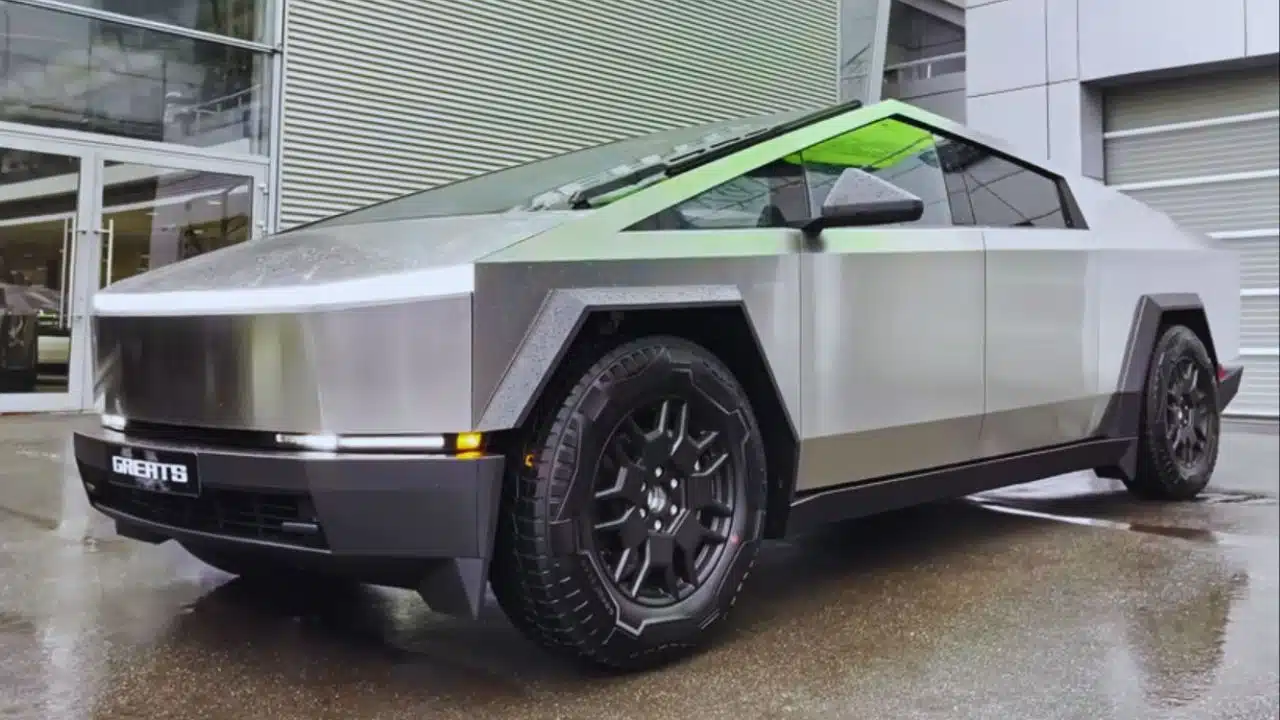
A devastating crash in Piedmont, California, has sparked two high-profile lawsuits against Tesla, raising questions about the safety of its much-hyped Cybertruck.
On November 2024, a Cybertruck carrying four young adults veered off the road and slammed into a tree before bursting into flames. Authorities later confirmed that the driver, 20-year-old Soren Dixon, was intoxicated and speeding at the time of the accident. His blood alcohol level measured 0.195%, more than twice the legal limit in California.
While Dixon died at the scene, the tragedy did not end there. Krysta Tsukahara, 19, and Jack Nelson, 20, both survived the impact with injuries that doctors described as non-life-threatening. But they never made it out of the burning vehicle. Both victims died inside the truck from smoke inhalation and severe burns, according to the autopsy reports.
A fourth passenger was rescued after bystanders broke a window and pulled them to safety — a chilling reminder, families argue, of what might have been possible if the Cybertruck’s doors had worked as intended.
Families Take Tesla to Court
Tsukahara Family Amends Lawsuit
The family of Krysta Tsukahara, represented by her parents Carl and Noelle, had already filed a wrongful death lawsuit earlier in 2025 against the driver’s estate and the Cybertruck’s registered owner. Last week, they amended their lawsuit to add Tesla as a defendant, citing a “fatally flawed” door design that they argue trapped their daughter inside the burning vehicle.
“Krysta survived the crash,” their attorney Roger Dreyer said. “What killed her was the fact that she could not escape.”
Nelson Family Files New Case
The parents of Jack Nelson, Todd and Stanneye, filed a new lawsuit of their own. Their attorney, Matthew Davis, emphasized that Jack’s injuries were relatively minor: “Jack Nelson survived the crash. His life could have been saved, but he died because the doors failed to open.”
Both lawsuits accuse Tesla of defective design, negligence, and potentially malicious conduct by ignoring known safety risks. They also seek punitive damages, arguing the company acted with “conscious disregard” for human life by prioritizing aesthetics and technology over emergency safety.
The Core Issue: Tesla’s Door Handles
At the heart of both lawsuits is Tesla’s electronic door handle system — a feature designed to streamline the futuristic Cybertruck experience but which critics say sacrifices safety.
- Electronic dependency: The Cybertruck’s doors open with electronic switches that require power. When the truck lost power after the crash, the doors reportedly became inoperable.
- Hidden manual release: Tesla includes a backup mechanical release system, but in the Cybertruck, it is tucked away under a rubber mat inside the door pocket. Attorneys argue that in a smoke-filled, dark, chaotic emergency, locating such a hidden lever is nearly impossible.
- Past complaints: Court filings cite at least 30 prior incidents where Tesla owners reported problems opening doors after crashes or power loss. Some cases involved fatalities, raising long-standing concerns about Tesla’s handle design across models.
Attorney Davis noted that this isn’t just about negligence: “If a company knowingly puts people in danger and fails to fix it, that crosses into malice. That’s when punitive damages become appropriate.”
Experts Call for Industry-Wide Standards
Consumer safety experts say the Piedmont case underscores a broader issue with modern vehicle design.
Michael Brooks, executive director of the Center for Auto Safety, argued that regulators must establish a minimum safety standard for emergency exits:
“Every vehicle, regardless of brand or model, should have an obvious, universally recognizable way to open the doors in a crash. That’s the simplest way to save lives and prevent tragedies like this.”
Brooks added that as carmakers move toward increasingly digital, power-dependent systems, mechanical redundancy should not be hidden but prominently accessible.
Tesla’s Record of Safety Controversies
This is not the first time Tesla has faced lawsuits over safety design.
- Autopilot lawsuits: In August 2025, a Florida jury awarded $243 million to a family after ruling Tesla’s Autopilot system was defective and contributed to a fatal crash.
- Door handle issues in other models: Earlier complaints about the Tesla Model S also focused on electronic door handles that retracted and failed to deploy during emergencies, preventing first responders from reaching victims.
- NHTSA investigations: The National Highway Traffic Safety Administration (NHTSA) has an ongoing investigation into Tesla vehicles after multiple complaints about door handles and safety systems.
Legal experts note that the Piedmont lawsuits could have far-reaching implications. If juries find Tesla liable for design defects that directly prevented escape, it may trigger recalls, redesigns, and tighter regulatory oversight across the entire EV industry.
What Tesla Says — and What’s Next
As of Friday, Tesla has not issued an official comment on the lawsuits. However, internal design discussions reportedly indicate the company is exploring a combined handle system — one that merges electronic and manual releases into a single, intuitive mechanism.
Whether this comes soon enough for Tesla to avoid further lawsuits remains uncertain. For now, the company faces a difficult legal battle, grieving families demanding accountability, and growing public concern over whether high-tech vehicles are sacrificing basic, life-saving safety features.
Why This Case Matters
The Piedmont crash is not only a story of young lives tragically cut short — it’s a potential watershed moment in auto safety litigation.
If juries agree that Tesla’s design choices created “death traps,” the verdict could pressure automakers across the industry to rethink how modern cars balance innovation with safety basics. For families like the Tsukaharas and the Nelsons, the hope is that their legal battle will lead to changes that prevent others from experiencing the same unbearable loss.
The Information is Collected from Gizmodo and Yahoo.