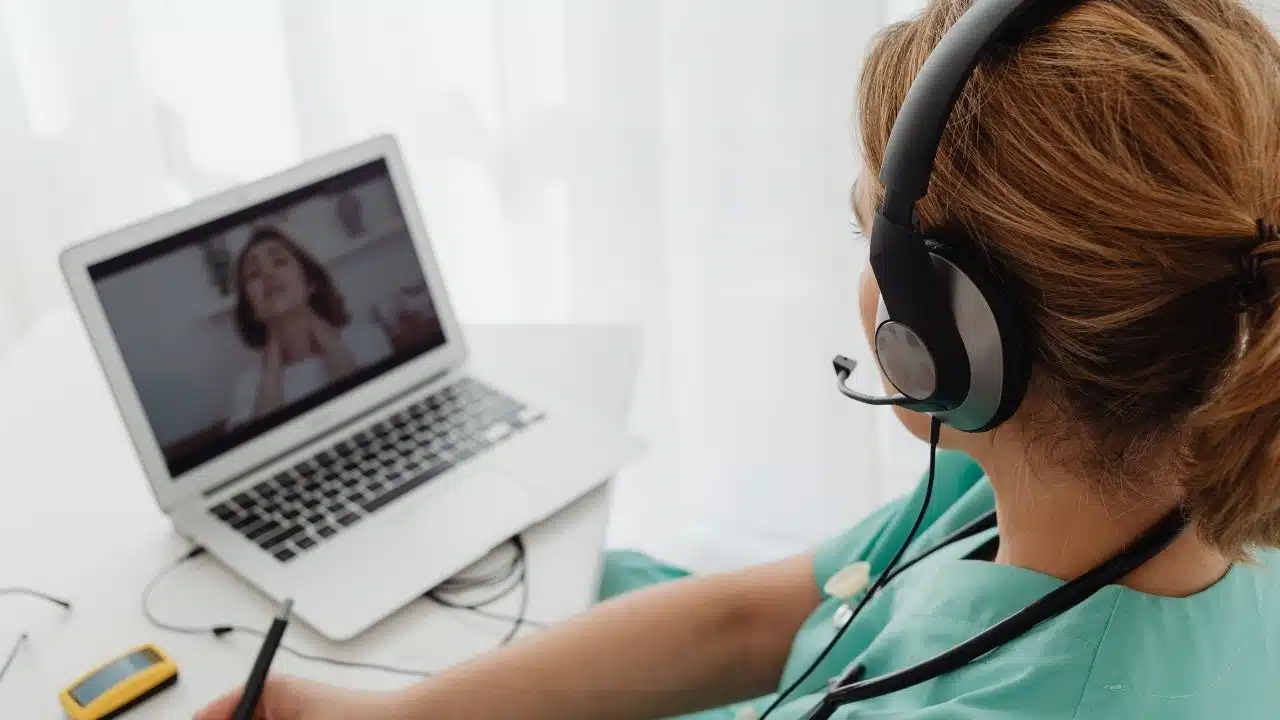
Chronic pain is a complex and often isolating experience. For people living with ongoing pain, good care can make a real difference not only physically, but also emotionally and socially. Yet regular appointments are not always easy to attend, especially for those in rural areas or for people whose pain makes travel difficult.
Doctors telehealth services are changing how pain care is delivered in Australia. Through virtual consultations, patients can speak with GPs, specialists, and allied health professionals from home, saving time, energy, and costs, while still accessing expert care.
Horizon Health supports patients in Queensland and across Australia with telehealth appointments focused on chronic pain. This may include medication reviews, pain education, and coordinated treatment plans. Telehealth helps keep care consistent and closer to where people actually live.
What Is Chronic Pain and Why It Needs Ongoing Support
Chronic pain is pain that lasts for three months or longer. Chronic pain can manifest as constant or intermittent, frequently associated with conditions like arthritis, nerve damage, back injuries, fibromyalgia, or the recovery from surgery. Sometimes the cause is clear; other times there is no obvious reason, which can add to frustration and worry.
People often wonder whether chronic pain affects only the body or the brain as well. The truth is, it affects both. Chronic pain can influence mood, sleep, concentration, and relationships. Many people also experience anxiety, low mood, or a sense of isolation when it is hard to access support.
Regular monitoring and steady contact with health professionals are important. This is where doctors’ telehealth services can remove barriers and make it easier to stay connected to care.
How Doctors Use Telehealth to Monitor Chronic Pain
A common concern is whether a doctor can properly assess pain through a screen. When done well, the answer is yes. Telehealth consultations allow doctors to understand your symptoms, review your history, monitor medication, and adjust your care plan.
During an appointment, a doctor may ask:
- When did the pain start?
- What makes it worse or better?
- Are you able to sleep through the night?
- How is the pain affecting your daily life?
- What medications, therapies, or exercises have you already tried?
Through telehealth, doctors can also use standard pain scales, visual tools, and basic movement checks to track how your condition changes over time. Many people feel more relaxed during video consultations because they are in a familiar environment, which can make it easier to talk openly.
If any warning signs appear, such as possible nerve damage or concerns about medication, telehealth allows doctors to quickly arrange in-person follow-up or specialist referrals.
Managing Medication and Treatment Plans Remotely
For people who need regular prescription renewals, medication reviews, or treatment adjustments, doctors’ telehealth services offer a practical and safe alternative to frequent clinic visits. This is particularly helpful for those taking long-term medicines such as anti-inflammatories, certain antidepressants, or low-dose opioids under close medical supervision.
Many patients ask whether doctors can still manage medications over telehealth. In most cases, yes. Clinicians at Horizon Health use secure systems to issue or renew prescriptions, check for side effects, and discuss any changes with you during your consultation.
Telehealth can also support non-drug approaches to managing pain, such as:
- Activity pacing and lifestyle guidance
- Cognitive behavioural therapy (CBT)
- Pain education sessions
- Referrals to physiotherapists or psychologists
- Setting realistic, supportive goals
Rather than relying on a single method, doctors can tailor treatment to each person and use telehealth as a flexible way to keep plans up to date.
Improving accessibility for Regional and Rural Patients
In many rural and regional areas of Queensland, regular pain management can be hard to access. Long travel distances, costs, and workforce shortages all contribute to this. People may worry they will need to drive hours just to see a pain specialist or for a simple check-up.
Telehealth helps close these gaps. With a stable internet connection and a phone, tablet, or computer, patients can speak with a doctor from home.
This can be especially useful for:
- Older adults with limited mobility
- Farmers and shift workers with irregular schedules
- Parents with caregiving responsibilities
- People living in remote Indigenous communities
Doctors’ telehealth services can reduce missed appointments and improve continuity of care, both critical in managing long-term pain.
At Horizon Health, we aim to offer patients in regional areas the same level of personalised care, education, and monitoring as those near major cities. We also assist in coordinating in-person reviews when necessary.
Addressing Emotional and Mental Health Impacts
Living with chronic pain affects more than the body. It can lead to frustration, grief, and a sense of hopelessness. Many people ask how to stay hopeful when nothing seems to be working, or whether it is normal to feel low or depressed because of ongoing pain.
Doctors using telehealth are trained to notice and respond to these emotional impacts. They may screen for depression, anxiety, or sleep problems and suggest ways to cope. In some cases, they will also refer patients to mental health professionals via telehealth for further support.
The aim is to care for the whole person, not only the pain. This may involve adjusting expectations, exploring mindfulness, recommending pain-focused counseling, or simply offering a space to talk honestly without pressure.
Building Long-Term Care Partnerships
Chronic pain is rarely resolved in a single visit. It often requires ongoing adjustments, input from different professionals, and regular monitoring over time. Telehealth allows doctors to build long-term care relationships by checking in, changing approaches when needed, and recognising progress, even when it feels small.
For example, someone might start with more frequent medication reviews, then gradually shift focus towards improving function and wellbeing through physiotherapy, gentle movement, or counseling referrals, all supported through virtual appointments.
This kind of continuity is what turns telehealth from a simple convenience into a core part of chronic pain care. At Horizon Health, we see our telehealth service as an extension of our in-person work: reliable, respectful, and clinically sound care that keeps the patient at the centre.
When to Consider Telehealth for Pain Management
If pain is limiting your daily life, stopping you from doing what matters, or making it hard to reach support, you don’t need to wait. Doctors’ telehealth appointments can offer timely advice, treatment options, and a plan that fits your situation.
Even if you are unsure how serious your symptoms are, an initial telehealth consult can give you direction and reassurance. For numerous individuals, initiating a conversation, posing enquiries, and receiving acknowledgement marks the start of genuine transformation.
Moving Forward
Chronic pain is a personal journey that rarely follows a straight line. But support should not be out of reach. With doctors’ telehealth services, patients in Queensland and beyond can access ongoing, compassionate, and evidence-based care from wherever they are.
At Horizon Health, we are committed to making pain support more inclusive, accessible, and effective. Our telehealth team is available to support you, regardless of your diagnosis, treatment status, or desire for a new outlook.