


Streaming has transformed the way individuals consume entertainment. It is no longer about playing games individually but about sitting around a different screen and enjoying the good and bad times together. This culture has grown well beyond video games on Twitch. Casino streams (particularly slots) are drawing in viewers, which negatively affects esports streams. The comparison may sound strange, but once you take down the mechanism of work of both, the similarities are clear.
Both slot streams and esports aim to succeed on unpredictability, the power of a crowd, and the personalities of streamers who keep the audience glued. Viewers are not spectators, but they are involved in the drama as it takes place. It is that enthusiasm that causes the two cultures to be so strongly aligned.
Casino Hype Moments
The similarity between slots and esports is the shared affection towards the clutches. In esports, it is a last-minute shot or a miracle. In slots, it is a high multiplier, a jackpot that is hard to find, or a bonus round that does not end despite all the odds.
When such instances occur, the reaction is immediate. Text chats are full of emotes, subs and bits are incoming, and Discord channels are full of clips. The buzz is almost similar to that of fans who watch esports, and when their team does something unlikely.
This cycle of hype keeps people coming back. Viewers aren’t just spectators—they feel part of the action, cheering on the streamer as if they were on stage themselves. That same mix of anticipation and payoff is what many players look for when they step into real online play. It’s not just about hitting a big win on the reels but also about how quickly that win becomes real money in your balance. That’s why fast payout casinos are so appealing; they keep the momentum alive by making sure the excitement of a lucky spin isn’t slowed down by long waits for withdrawals.
It’s this combination of tension, release, and payoff—both in the moment and afterward—that makes the vibe so comparable to esports.
Streams of Slots and the Esports Style
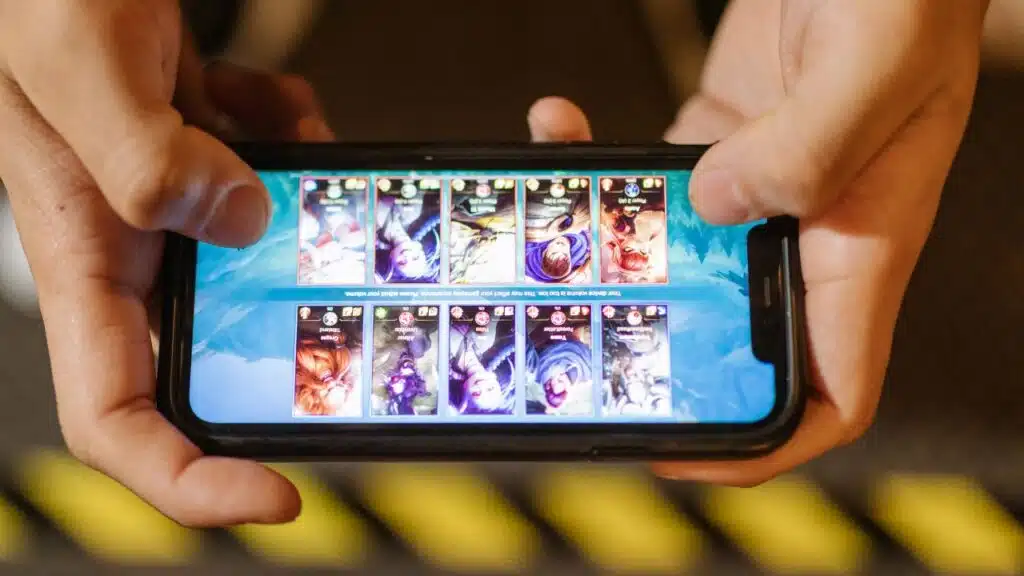
Slot streaming has become a genre on its own. Certain shows attract 25,000 to 35,000 live viewers every single time, something that would have remained unimaginable a few years back. In comparison, that is approximately the same attention as a mid-level esports tournament match.
Slots have become more of a theatrical show with streamers such as Roshtein, Trainwreckstv, and xQc becoming the focus of personality over the reels. They are not only rotating on the payments- they are acting, entertaining, and holding the attention of thousands of people over hour after hour.
These streams’ structure is similar to esports events to a great extent. Marathon events are like tournaments, weekends, and stamina is also challenged, in addition to talent or fortune. Bonus buy sessions reflect the esports anticipation of a group fight, and everyone is anticipating the result. And the zero-to-hero struggles, whose premise is that you begin with a modest bankroll and are looking to a major ascent, are all part of the same comeback stories that esports fans love.
Putting it in this perspective, it is not hard to understand why viewers perceive slot streams with the same intensity as professional games. The rhythmic play, timing, and plotting make random twists into an unavoidable viewing.
Slot streams, as well as esports broadcasts, are based more on community than anything. Strategies are dissected by Esports fans in chat, played out before they occur. The slot stream viewers are like co-pilots, implying when to change the game or increase the stakes or even receive a bonus buy. The boundary between the audience and the player is unclear, and this is what makes the streams so alive.
Gamification contributes to this also. Esports have rankings, a ladder, and trophies. Slot streams have stacked layers that have their own giveaways, loyalty points, and special events where people can win prizes simply by watching. These touches make people active even in the slower periods and persuade them to come back to it constantly.
The visual overlap is emphasized as well. The slot machines of today are full of hyper energetic animations, theatrical moments, and the subjects of the games that are designed like a battle, a quest, and pop culture, which would not be out of place in an esports stream. There are sound effects and flash graphics that are turned on to generate similar tension as a countdown to a grand play.
All these things create a world where watching becomes a bigger part of the experience than playing can be.
Why the Vibes Match So Closely
At the heart of both cultures is unpredictability. Every spin and every match can turn at any second. That uncertainty is what keeps audiences glued to the screen. The thrill of “not knowing” builds suspense, and when the outcome finally arrives, it’s explosive.
Both communities also love to immortalize those moments. A crazy win or heartbreaking loss gets clipped and shared instantly, living on long after the original stream. Internet memes, reaction videos, and inside jokes spin out of these clips, creating shared language and culture. Fans feel like they’re part of something larger than just a broadcast.
Streamers are the glue that holds all this together. Their charisma, humor, and emotional reactions amplify the moment-to-moment drama. Viewers latch onto their quirks, their rituals, even the way they celebrate or commiserate. That bond between streamer and community makes every win or loss feel personal. It’s not just the reels or the plays, it’s how the streamer makes the audience feel during those swings.
The Blurred Line Between Gaming and Gambling Entertainment
The overlap between slots and esports reflects how streaming has changed entertainment itself. Viewers don’t just want to consume, they want to participate. They want to speculate in chat, clip highlights, and feel connected to the streamer’s journey. Both slots and esports give them exactly that.
For streaming platforms, this blurring of lines shows how flexible the medium has become. Ten years ago, few could’ve predicted that watching slots would attract audiences in the tens of thousands. Now, it sits comfortably alongside competitive gaming as a mainstream form of live entertainment.
The similarities go deeper than just viewership numbers. Both rely on suspense, both create moments worth sharing, and both build tight-knit communities around unpredictable drama. That’s why so many viewers who tune in to one find themselves just as invested in the other.































