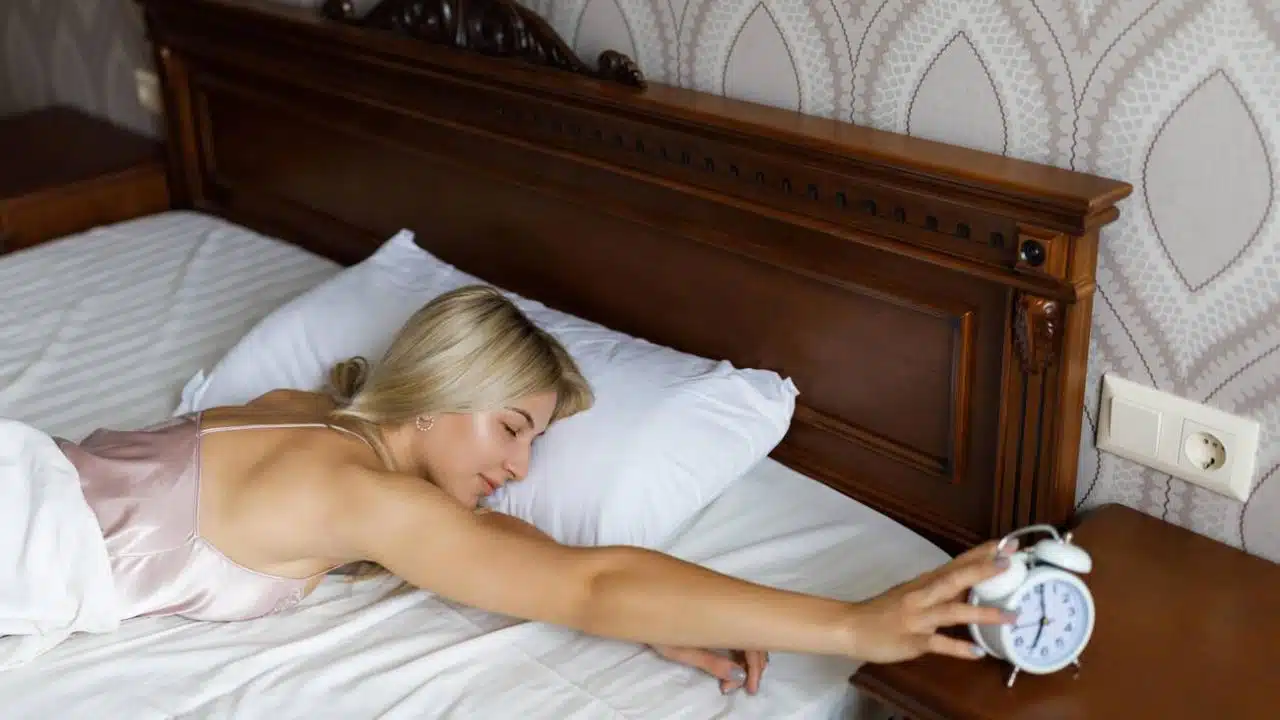
Everyone sleeps, but our sleeping habits can vary greatly. Indeed, individuals have varying preferences when it comes to bedtime routines, mattress firmness, and sleeping positions.
However, our distinctions extend far beyond these fundamental aspects. The geographical location we find ourselves in can have an impact on our sleep patterns and the duration of our sleep. Take a glimpse into the fascinating sleep habits of individuals from 30 diverse countries/regions in this captivating gallery.
Spain
It would be wonderful to have the opportunity to rest after lunch, wouldn’t it? This is precisely the essence of the Spanish siesta.
South Korea
Using an electric fan while sleeping is not recommended in South Korea. It’s interesting how “fan death” continues to be an enduring urban myth that many people still believe. There is a belief that running a fan in an enclosed room can deplete the oxygen and cause the temperature to plummet to dangerous levels.
Indonesia
Certain residents of Bali have developed a unique skill known as “fear sleep,” enabling them to effortlessly fall asleep whenever they feel overwhelmed or anxious.
United Kingdom
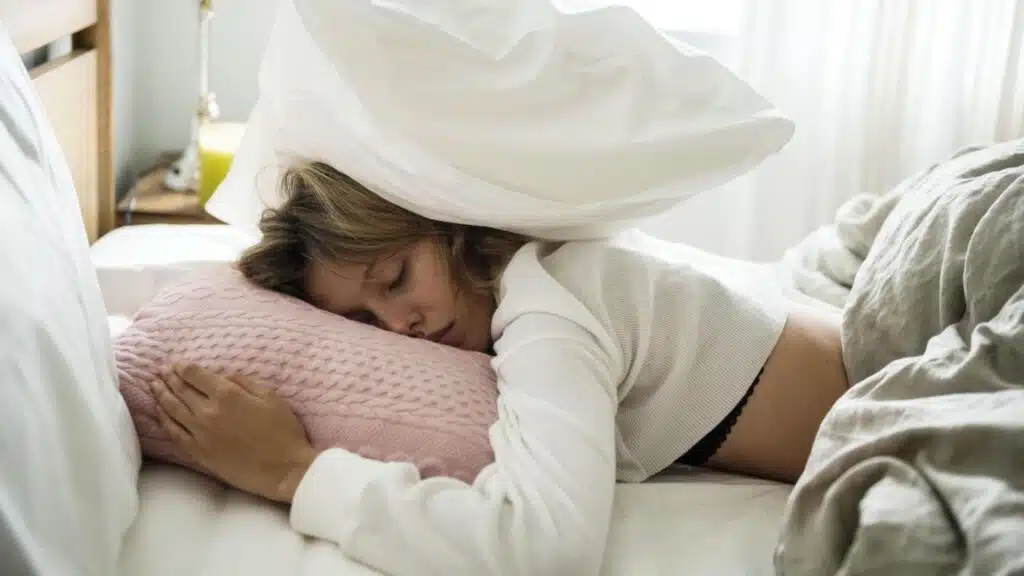
We have previously discussed the advantages of embracing nudity, and it appears that a significant portion of the British population, over 20%, enjoys this practice while in bed…
France
Infants in France have a reputation for sleeping through the night from a young age. Parents handle this by waiting a bit before comforting the baby once they wake up from their brief sleep cycles. It’s a technique commonly referred to as “the pause.”
USA
Cuddling with a furry friend is absolutely delightful. A recent survey revealed that a significant majority of dog owners in the United States prefer to share their sleeping space with their beloved pets, whether it be the bed or the couch.
Japan
Do you ever find yourself struggling to stay awake during work? Well, in Japan, it indicates that one has been working diligently and is consequently fatigued. The concept is referred to as inemuri, and it is seen as a positive phenomenon; a symbol of dedication to work until exhaustion!
Guatemala
Children in Guatemala keep these handmade “worry dolls” under their pillows while they sleep. The muñeca quitapena is designed to bring comfort to children as they go to bed, ensuring that their worries and problems won’t disrupt their sleep.
South India
It is a common practice for women in South India to tie their hair before going to bed. It seems that this method can help prevent being possessed.
Switzerland
Infants rest in a hängematten, which is essentially a hammock. The gentle rocking motion is designed to replicate the comforting sensation of being in the womb, providing a soothing effect.
Italy
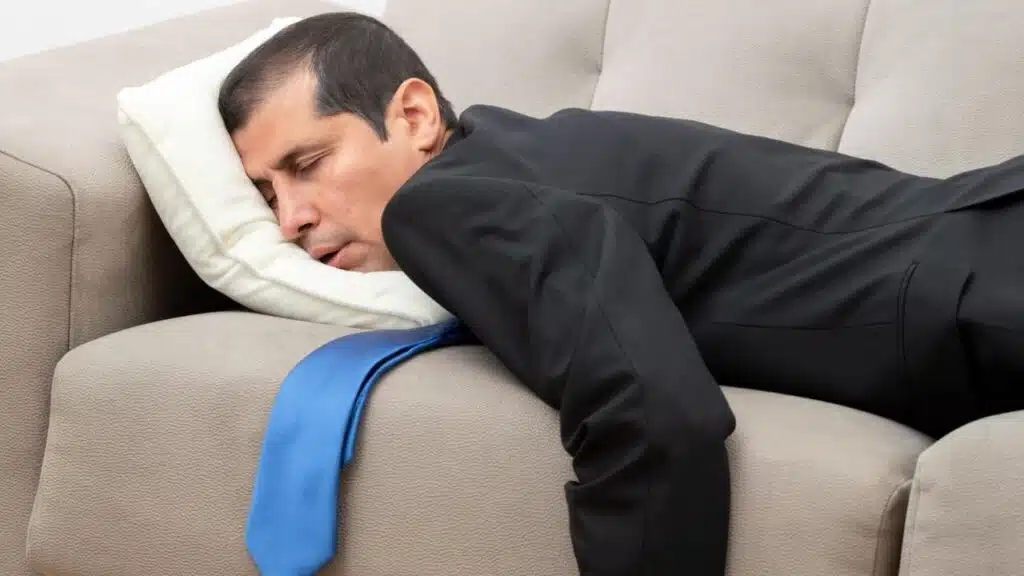
Italy’s version of the Spanish siesta is called riposo. They can make sure they have enough time for a revitalizing nap by taking extended lunch breaks, which can last up to four hours.
Even in the winter, parents in Northern Europe often let their infants to sleep outside. It is believed that this exposure to cold, fresh air will fortify their immune system.
Norway
In Norway, the Midnight Sun phenomenon keeps people awake until late at night, leading them to engage in activities that are typically reserved for the daytime.
Singapore
Based on a study conducted in 2016, the average amount of sleep that individuals in Singapore get is approximately 7 hours and 24 minutes, which is comparatively less than in other countries.
Belgium
In a 2014 survey, it was found that Belgian women tend to go to bed relatively early, typically around 10:30 pm.
Canada
It is quite common for Inuit individuals to find comfort in snuggling up between two people. Staying warm can be easily achieved with this method.
Brazil
In Baependi, Minas Gerais, there is a community that still practices sleeping habits from a bygone era. Typically, their bedtime is around 9:20 pm, and they wake up at 6:30 am.
Egypt
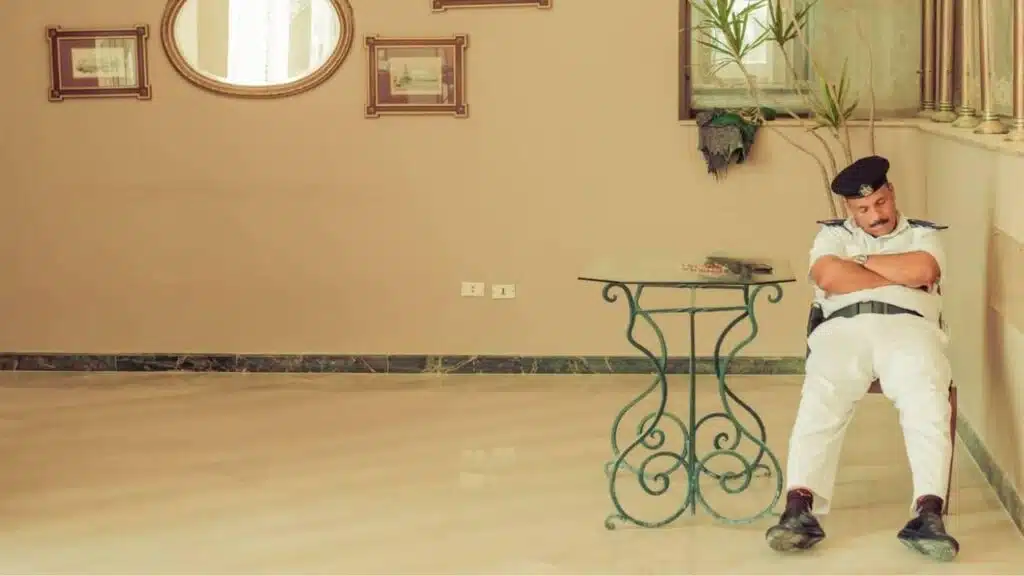
Egyptians have a strong affinity for polyphasic sleep. Typically, people split their sleep into a few hours at night and a few in the afternoon.
Mexico
In a survey conducted in 2013, it was discovered that a significant majority of Mexicans engage in prayer or meditation before going to bed.
Finland
Pregnant women are provided with a box of essential items by the Finnish government. These boxes can also serve as cribs.
South Africa
Indigenous groups have found a unique way to safeguard themselves from a legendary creature known as tokoloshe. They elevate their beds using bricks as a protective measure.
China
Feng Shui has gained immense popularity throughout China. Based on its principles, a mirror will reflect the energy back at a person when positioned opposite the bed. Avoiding this would be wise.
Germany
In Germany, couples use two comforters rather than one to make sure they are covered throughout the entire night. Scandinavian nations and Austria are also big fans of this.
Australia
Certain Indigenous communities frequently share a bed. The oldest and most defenseless among them—children and the elderly—lye in the center of the row where they all sleep.
Botswana
In Botswana, groups of foragers sleep in polyphasic sleep cycles, sleeping and waking when it is convenient for them.
Afghanistan
During the day, a lot of Afghans use their bedrooms for different purposes. They frequently just fold the sheets and move the mattress to one side to create space in the room for other activities.
Sub-Saharan Africa
It is a common practice for individuals in countries within this region to use mosquito nets while sleeping. It is crucial to consider the significance of this issue, as diseases like malaria can be spread through mosquito bites.
Slovakia
Based on a survey conducted in 2014-2015, it was found that the country has the highest average sleep quality globally.
Argentina
Children in Argentina typically have a later bedtime, usually around 10 pm or even later.
Space
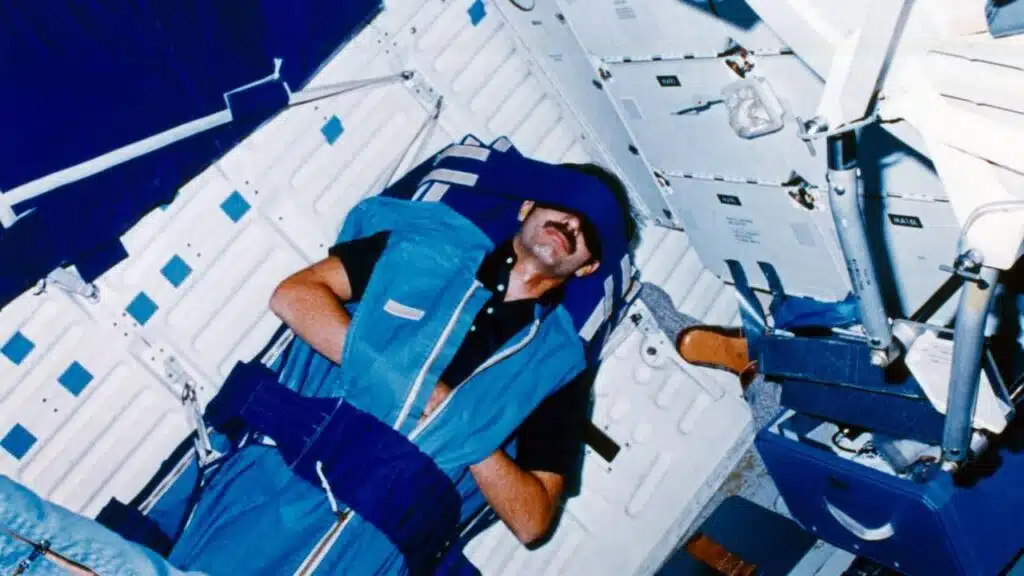
Here’s an enjoyable one! Astronauts must enter their designated sleeping bags and secure themselves to prevent floating while they are asleep. How about we refer to it as sleepfloating?