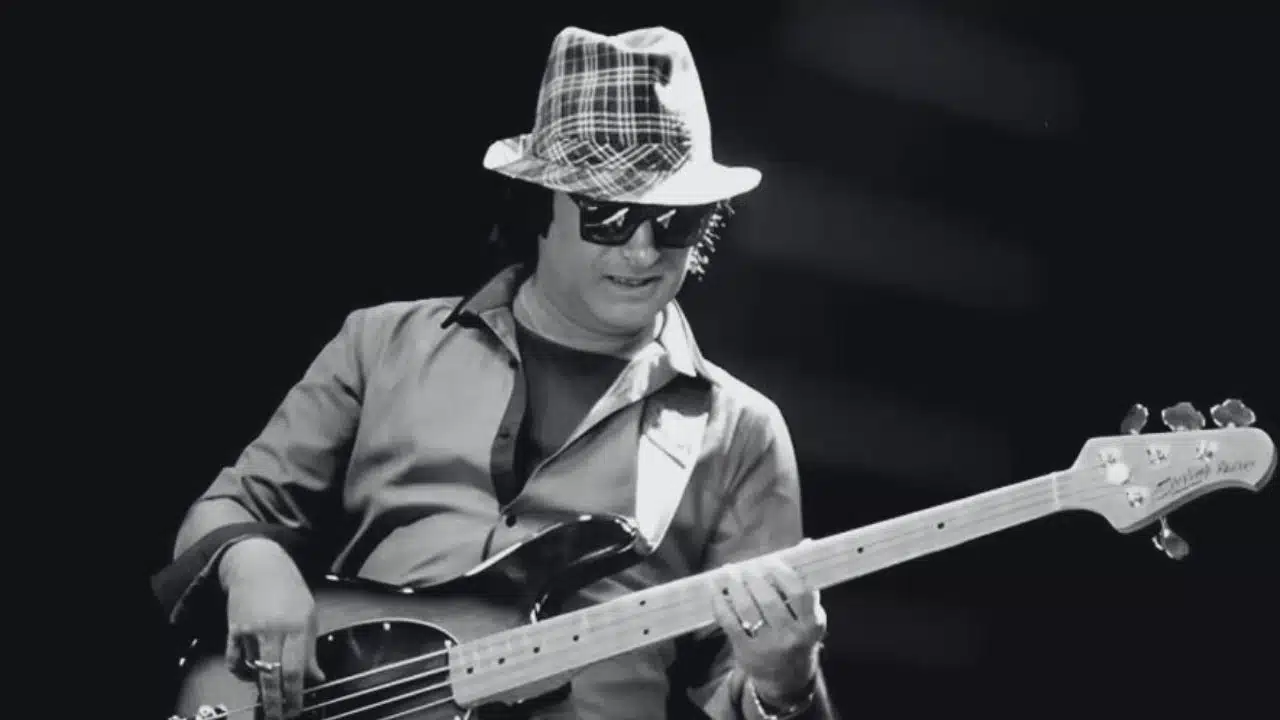
On July 24, 2025, fans across Bangladesh and beyond observed the first death anniversary of Shafin Ahmed, the legendary rock vocalist, bassist, and longtime frontman of the iconic Bangladeshi band Miles. His sudden death in Virginia, USA, exactly a year ago, sent shockwaves through the music community and left an irreplaceable void in the cultural landscape of the country.
A Sudden Farewell During a Musical Journey
Shafin Ahmed passed away at the age of 63 due to a cardiac arrest on July 24, 2024, during his US tour. The incident occurred just before the second concert of his tour. At the time, Bangladesh was experiencing one of its most turbulent political phases in recent years, with a massive public movement and an extended internet blackout.
The timing of his passing—coinciding with nationwide unrest—added to the emotional toll on his fans, many of whom only learned of the tragedy hours later due to the restricted internet access in the country. His unexpected death brought an abrupt end to what was shaping up to be another celebrated international tour by the veteran rockstar.
His body was flown back to Bangladesh shortly after his passing. On July 30, 2024, he was laid to rest at Banani Graveyard in Dhaka, in the presence of his family, friends, fellow musicians, and thousands of grieving admirers. The funeral became a moment of collective mourning for a generation that grew up listening to his voice.
Waves of Tributes from Around the World
In the days and weeks following his death, musicians, fans, and institutions paid tribute to Shafin Ahmed’s immense contributions to Bangladeshi music. Social media platforms were flooded with old concert clips, heartfelt memories, fan art, and musical covers dedicated to his memory.
Musicians across generations shared their grief, with many describing how Shafin helped pave the way for Bangla rock music during a time when such genres struggled for mainstream recognition. Record labels, both old and new, highlighted his role in changing the soundscape of Bengali pop and rock, helping it evolve into something modern, relevant, and global.
Fans from all walks of life—from teenagers discovering his music for the first time to older audiences who followed him since the 1980s—celebrated his life and the timelessness of his songs. Shafin’s stage presence, deep voice, bass guitar work, and emotional delivery had long established him as a pioneer in the South Asian rock scene.
A Life Rooted in Music
Born on February 14, 1961, in Kolkata, India, Shafin Ahmed came from a family deeply steeped in music. His father, Kamal Dasgupta, was a prolific music director, while his mother, Feroza Begum, was one of the most revered Nazrul Sangeet singers in Bengali music history.
Growing up in a musically rich environment, Shafin developed a natural flair for performance. After the family moved to Dhaka, he became actively involved in the evolving band music scene during the late 1970s and early 1980s. His formal music training combined with his passion for Western rock set the stage for a career that would span over four decades.
Miles and the Rise of Bangla Rock
Shafin Ahmed’s name became synonymous with Miles, a band he helped propel to the forefront of Bangladesh’s music industry. He joined the group in the early 1980s, contributing as both lead vocalist and bassist. His dual role made him an irreplaceable force in shaping the sound of the band.
Miles released its debut album in 1982, a time when band music was still niche in the country. Over the next three decades, Shafin contributed to every major Miles album, including landmark records like:
-
Miles (1982)
-
Prottasha (1991)
-
Protisruti (1993)
-
Prottasha (reloaded) (1995)
-
Proborton (2016)
Some of the band’s most celebrated tracks, including Phirye Dao, Chand Tara, Jala Jala, Dhikhi Dhikhi, and Piyashi Mon, became instant classics. These songs were not only radio hits but also helped cement Bangla rock as a popular genre, influencing countless young musicians and bands that followed.
A Flourishing Solo Career
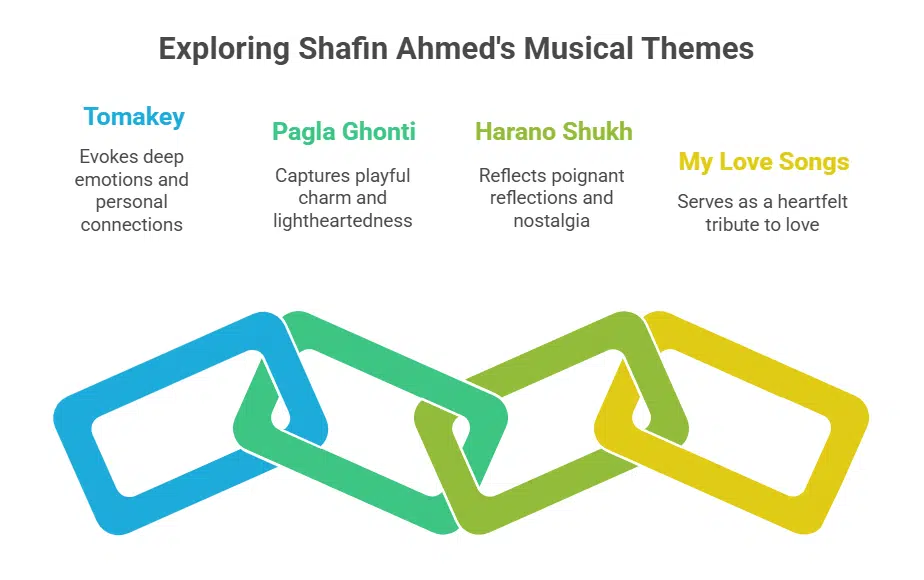
Beyond his contributions to Miles, Shafin Ahmed was also a successful solo artist. His solo albums allowed him to explore different musical themes and reach broader audiences. Among his popular solo records are:
-
Tomakey
-
Pagla Ghonti
-
Harano Shukh
-
My Love Songs
One of his most widely loved solo tracks is Aj Jonmodin Tomar, a birthday-themed song produced by Prince Mahmud. Over the years, it became a staple at birthday parties across Bangladesh, a rare example of a pop song transcending generational boundaries and becoming part of popular culture.
From Rockstar to Politician
Later in life, Shafin Ahmed extended his ambitions beyond music. In 2017, he entered politics by joining the National Democratic Movement (NDM). A few years later, he joined the Jatiya Party, one of the major political entities in Bangladesh.
In 2019, he contested the Dhaka North City Corporation (DNCC) mayoral election, a move that surprised many. Although he didn’t win, his participation highlighted his desire to contribute to the country in new ways. His campaign was built around themes of cultural development, youth engagement, and urban modernization.
Despite criticisms that entertainers should stay out of politics, Shafin Ahmed’s decision to run for office was seen by many as a bold and sincere attempt to make a difference outside the stage.
A Lasting Cultural Impact
Even a year after his death, Shafin Ahmed’s influence remains as strong as ever. His work continues to be played on radio stations, covered in concerts, and discussed in music forums. Many younger artists cite him as a source of inspiration—not just for his musical talents but for his commitment to maintaining artistic integrity and innovation.
Educational institutions and cultural organizations have hosted commemorative events over the past year, highlighting his influence on music, youth culture, and the entertainment industry. In Dhaka, several public performances have included musical tributes in his honor, while fans have called for the establishment of a memorial or award in his name.
Shafin Ahmed was not merely a performer. He was a cultural ambassador for a generation that grew up in the 80s and 90s when music was both a form of entertainment and a powerful expression of identity and rebellion. His legacy has become an essential chapter in the history of modern Bangladeshi music.
As Bangladesh reflects on one year without Shafin Ahmed, the legacy he leaves behind continues to shape the country’s music scene. From his unforgettable voice to his dynamic bass lines, from stage performances to solo tracks, and from musical stardom to civic engagement—Shafin Ahmed embodied the spirit of a modern Bangladeshi rockstar.
His untimely departure reminds us of the unpredictability of life, but also the power of music to transcend death. For fans, musicians, and cultural historians, Shafin Ahmed remains more than a memory—he is a symbol of what it means to create, inspire, and lead with passion.