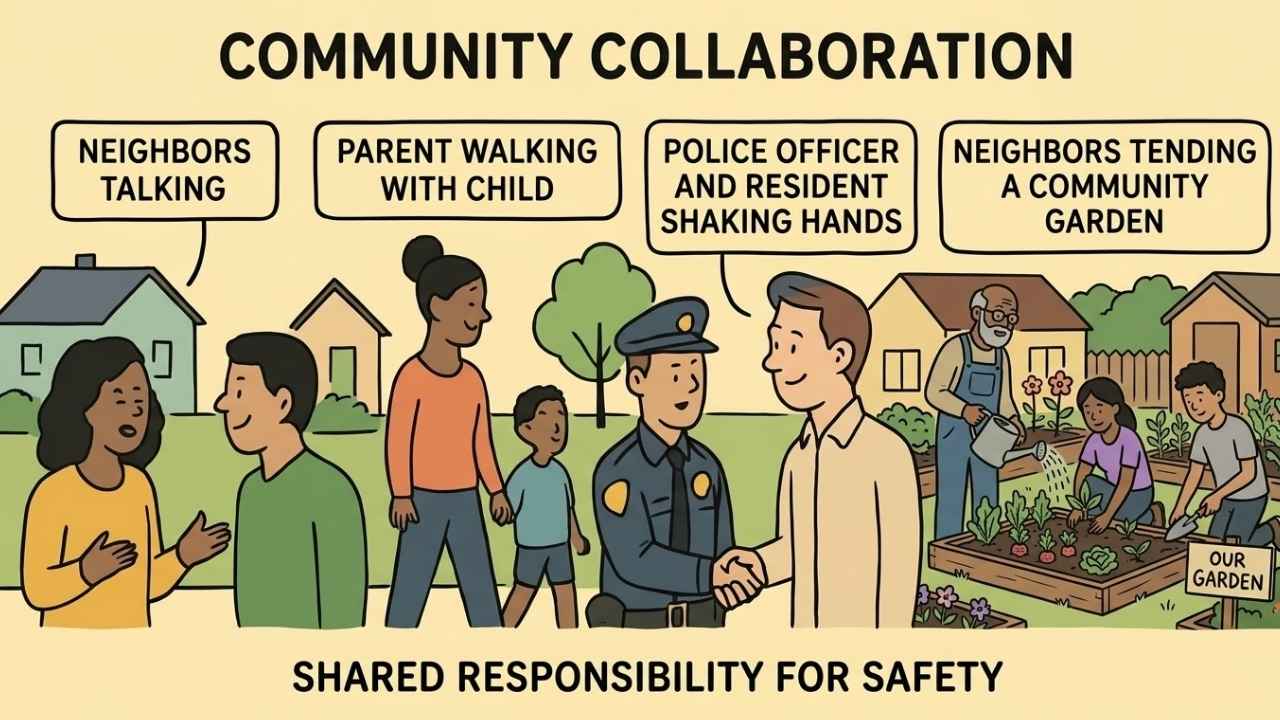
Building communities where individuals feel secure is an ongoing commitment that begins with both our daily choices and our understanding of the laws that protect us all. Prioritizing personal responsibility is one of the first steps toward reducing risk and crime, and knowing when to reach out for legal help is just as vital. When incidents arise, consulting an accident lawyer can offer critical guidance not only for personal justice but also for the well-being of the entire community.
Fostering safer neighborhoods requires everyone to play an active role. This means being mindful of your actions, looking out for neighbors, and taking steps to educate yourself about the tools available for prevention and protection. When the public understands how the law can be a resource and communities work together to uphold shared values, the results are evident in lower crime rates and a greater sense of trust.
Creating environments where everyone feels empowered and informed goes beyond law enforcement efforts. It requires each person to recognize their impact, and for communities to engage as a whole, whether through reporting concerns, supporting outreach initiatives, or forming partnerships with local organizations.
Collaboration among citizens, educational institutions, youth advocates, and authorities can lead to meaningful changes. Initiatives that combine legal understanding, proactive education, and digital safety are evolving constantly to address the risks facing our society. This holistic approach enables innovative solutions and practical steps that every individual can take.
Personal Responsibility in Crime Prevention
The foundation of public safety is built on ethical behavior and situational awareness. Everyday actions, from locking doors to making informed choices about personal safety, contribute to reducing crime. Groups like the National Crime Prevention Council encourage communities to report suspicious activity, participate in neighborhood watch programs, and promote community-wide caution. The evidence is clear: where citizens are engaged, crime is less prevalent, and neighborhoods are safer for everyone.
Legal Tools for Community Safety
Laws and legal resources provide critical support when individuals need them most. In California, for example, the “Reduce the Risk” campaign gives residents access to a range of civil protection orders, including Gun Violence Restraining Orders and Domestic Violence Restraining Orders. These tools are invaluable for helping people intervene before tragedy strikes, offering direct avenues for intervention in crisis moments. Implementing such resources empowers not only individuals but also the broader community when faced with threats to safety or worsening domestic situations.
Educational Initiatives and Community Engagement
Knowledge is a powerful form of defense. Programs such as ProCivica’s Gang-Proof and Life Skills Awareness courses encourage both young people and adults to make smart decisions, avoid risky behavior, and resist recruitment into illegal activities. Equipping communities with practical lessons on conflict resolution, consequences of illegal acts, and available preventative measures fortifies their resilience against criminal influences. Educational outreach not only shapes behavior but also builds lasting bonds within communities, fostering mutual trust and a shared sense of purpose.
Role of Youth in Promoting Safety
Involving youth is essential for long-term community safety. Initiatives such as California’s Youth Advisory Council are proving that young perspectives are vital for effective policy-making and program development on issues like gun violence. By fostering leadership and open dialogue in schools and local organizations, these programs encourage confidence and accountability in the next generation. Empowered youth spread awareness among peers, helping to prevent crime before it starts and amplifying the reach of community safety campaigns.
Technology and Online Safety
The digital era has brought both new opportunities and unique risks. Promoting online safety is now as important as traditional crime prevention. Public information campaigns emphasize ongoing conversations between caregivers and youth about the dangers of sharing personal information online. Educating children about cyberbullying, privacy threats, and scam awareness is key in today’s interconnected world. Parents are encouraged to be proactive, not only by monitoring usage but also by fostering a sense of digital responsibility in their children.
Collaborative Efforts Between Communities and Law Enforcement
Effective policing relies on relationships built on trust and transparency. Through programs such as the National Public Safety Partnership, cities are partnering with federal agencies to share resources, expertise, and best practices. These collaborations have resulted in notable reductions in violent crime rates and increased public satisfaction. Community policing is most successful when law enforcement and local leaders consistently communicate and work together toward common safety goals.
Case Studies of Successful Community Safety Programs
Real-world success stories illustrate just how effective well-designed programs can be. One standout example is the Texas School Safety Center’s “Threats Are No Joke” campaign. This program educates students about the serious repercussions of making or sharing threatening statements at school. Their efforts have dramatically raised awareness about safety issues and have directly contributed to a decrease in reported threats, which in turn reduces the likelihood of real violence on campuses.
Another success comes from local neighborhood watch groups, which have demonstrated that even low-cost grassroots efforts can make a major difference in deterring crime and improving cooperation between residents and authorities. These community-led programs exemplify how every group, regardless of size or resources, can leave a positive mark when citizens are proactive about safety and prevention.
Final Thoughts
Community safety is everyone’s responsibility and requires a combined effort that draws on personal accountability, education, legal knowledge, technological caution, and strong partnerships. By adopting proactive habits, engaging in community-driven solutions, and using available legal tools, individuals and groups can build safer environments. These efforts lay a foundation where everyone’s well-being is safeguarded and where safer communities are not only possible but also sustainable.