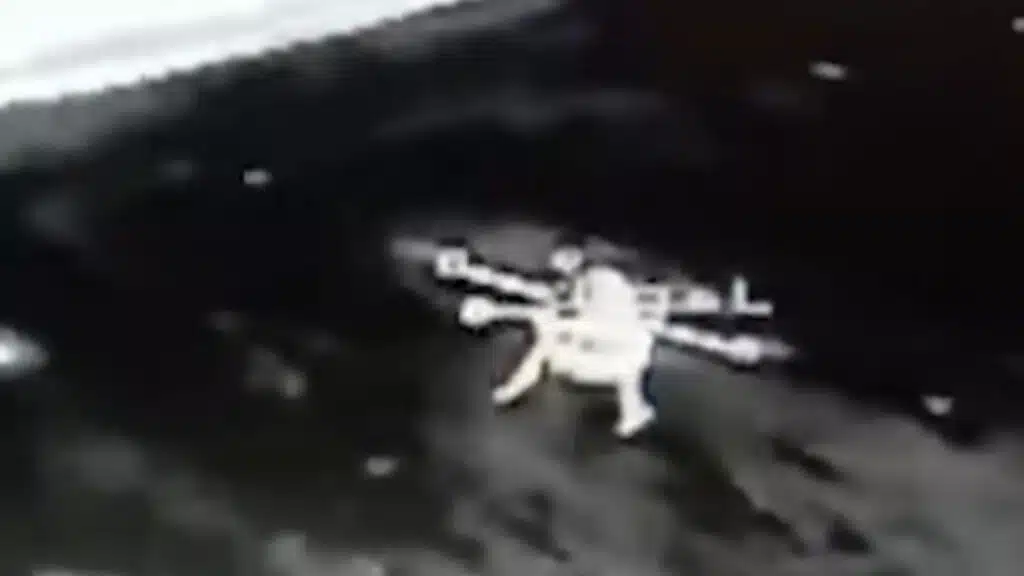
Romania’s Ministry of Defence has confirmed that a Russian drone breached its airspace, making Romania the second NATO country in less than a week to report such an incident. The ministry explained that the drone crossed into Romanian territory on Saturday during a wave of Russian airstrikes on southern Ukraine.
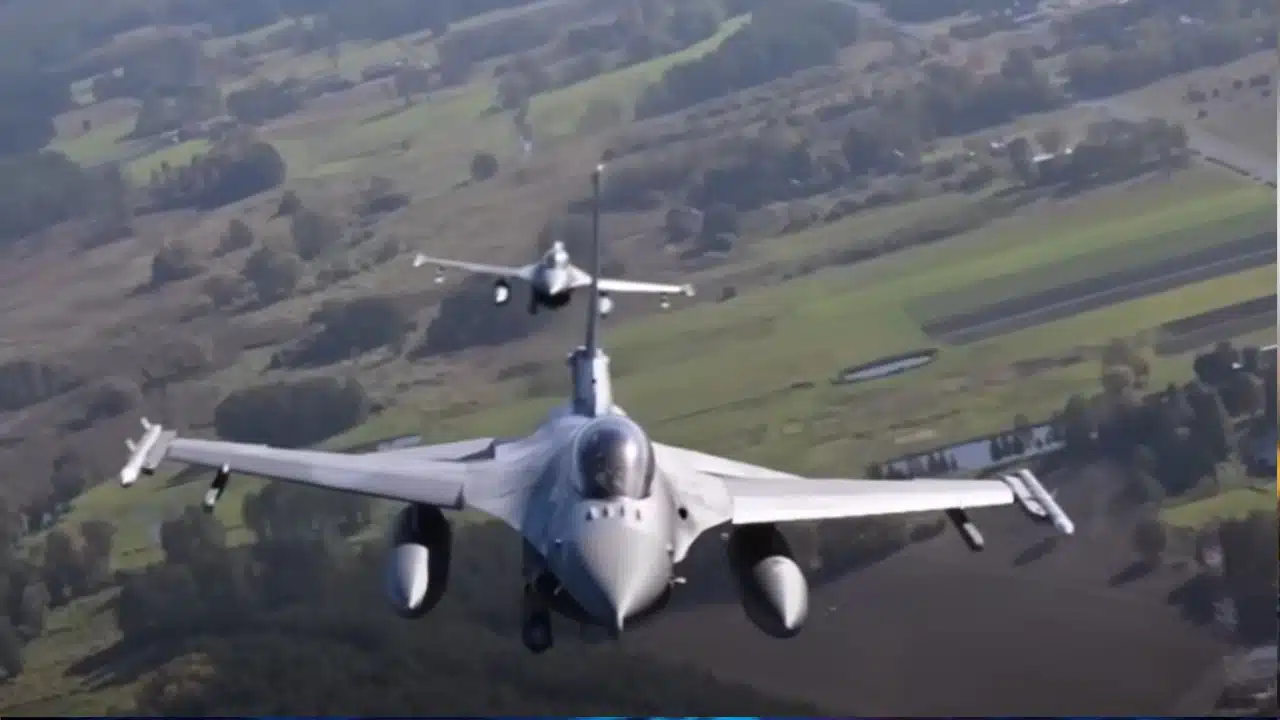
Romanian F-16 fighter jets were already airborne, monitoring the country’s border with Ukraine when the intrusion occurred. According to officials, the drone was tracked approximately 20 kilometres (12.4 miles) southwest of the village of Chilia Veche, a border settlement close to Ukraine’s Danube Delta. Shortly afterwards, the drone disappeared from radar without crossing heavily populated areas.
Authorities stressed that the drone did not pose any immediate danger to civilians or critical infrastructure. However, its presence highlighted the growing risks of spillover from Russia’s war in Ukraine into NATO territory.
Romania’s Response
The Romanian Air Force confirmed that its F-16 jets, which are part of NATO’s collective defence system, had authorization to engage and shoot down the drone. However, the pilots chose not to fire, reportedly to avoid risks of debris falling over populated or environmentally sensitive zones in the Danube Delta.
Romania has been a frontline NATO member state since the beginning of Russia’s full-scale invasion of Ukraine in February 2022, frequently reporting Russian missile and drone fragments landing on its territory. Saturday’s incident marked the first time Bucharest officially confirmed a drone’s presence inside its monitored airspace, instead of just debris.
Zelensky Calls It an “Expansion of War”
Ukraine’s President Volodymyr Zelensky immediately reacted, saying the breach could not have been accidental. He described the event as an “obvious expansion of the war by Russia,” emphasizing that Russian military planners know exactly where their drones are headed and how long they can operate.
Zelensky repeated his calls for tougher Western sanctions against Moscow and urged NATO allies to strengthen air defence coordination across Eastern Europe.
Poland’s Earlier Incident
The Romanian incursion came just days after Poland, another NATO ally bordering Ukraine, reported that at least three Russian drones entered its airspace during Russian attacks on Ukraine.
Polish forces shot down multiple drones, and Prime Minister Donald Tusk announced that both Polish and allied aircraft had begun “preventative operations” in the country’s skies. He also ordered ground-based air defence systems to the highest level of readiness.
Poland later invoked Article 4 of the NATO treaty, which allows for urgent consultations whenever an alliance member feels threatened. The situation triggered swift NATO discussions on reinforcing the alliance’s eastern flank.
International Reactions
The European Union’s foreign policy chief, Kaja Kallas, condemned the incident as “another unacceptable breach of an EU member state’s sovereignty.” She warned that repeated Russian drone or missile intrusions into NATO airspace represented a serious escalation risk.
The Czech Republic also announced on Sunday that it had dispatched a special operations helicopter unit to Poland in solidarity. The unit consists of three Mi-171S helicopters, each capable of carrying up to 24 troops and fully equipped for combat. Czech Defence Minister Jana Černochová said the deployment was a direct response to Russia’s “continuous testing” of NATO’s eastern borders.
Moscow’s and Belarus’s Position
So far, Moscow has not commented directly on Romania’s claims. Earlier in the week, Russia’s Defence Ministry denied any plans to target facilities in Poland.
Belarus, a close Russian ally, said the drones that crossed into Polish territory on Wednesday were an accident, allegedly caused by jamming of navigation systems. Western officials, however, remain sceptical, pointing to the increasing frequency of such incidents.
Washington’s Position
US President Donald Trump, who recently returned from a summit in Alaska with Russian President Vladimir Putin, also addressed the issue. Trump said he was “ready” to impose tougher sanctions on Russia, but only if NATO countries met conditions such as halting purchases of Russian oil. His remarks reflected both Washington’s concerns about Russian provocations and ongoing debates within NATO about burden-sharing and economic ties to Moscow.
Escalation Concerns on NATO’s Eastern Flank
Since Russia’s invasion of Ukraine began in February 2022, NATO members bordering Ukraine — including Poland, Romania, Slovakia, and the Baltic States — have repeatedly raised alarms about the risk of the war spilling over.
Romania’s position is especially sensitive because of its proximity to Ukraine’s Danube River ports, which have become critical export hubs after Russia blocked or attacked Ukraine’s Black Sea shipping lanes. Russian forces have repeatedly targeted Ukrainian port infrastructure, and some of these strikes have landed uncomfortably close to Romania’s border.
The Bigger Picture
The repeated drone incidents in Poland and Romania underline several key developments:
- Russia is intensifying drone and missile strikes against Ukraine’s energy and transport systems, increasing the likelihood of NATO airspace violations.
- NATO countries are being forced to upgrade air defences and maintain constant aerial patrols, which increases operational costs and military strain.
- Diplomatic tensions are rising, with the EU and NATO warning Moscow of consequences, while Russia and Belarus continue to downplay or deny responsibility.
- The involvement of US President Trump adds a geopolitical dimension, linking sanctions policy with alliance discipline.
For now, the latest incursion has not triggered a direct military response, but analysts warn that repeated violations could lead to accidents or escalation, especially if a drone strikes infrastructure or causes casualties on NATO soil.
The Information is Collected from BBC and CNN.