Conceivable Life Sciences, a pioneering startup, is on the verge of transforming the in-vitro fertilization (IVF) industry with its groundbreaking use of robots and artificial intelligence (AI).
Traditionally, IVF is a highly manual process involving delicate procedures performed by doctors and scientists.
However, Conceivable’s innovative technology aims to automate these crucial steps, potentially making infertility treatment more efficient, affordable, and accessible.
The IVF Process: Traditional vs. Automated
In a typical IVF procedure, a doctor retrieves eggs from the patient through a minor surgery and places them in a test tube.
This tube is then handed over to a lab scientist, who manually combines the eggs with sperm. At Conceivable’s clinic in Guadalajara, Mexico, this process is radically different. Once the eggs are in the lab, robots take over with the aid of a sizable AI infrastructure.
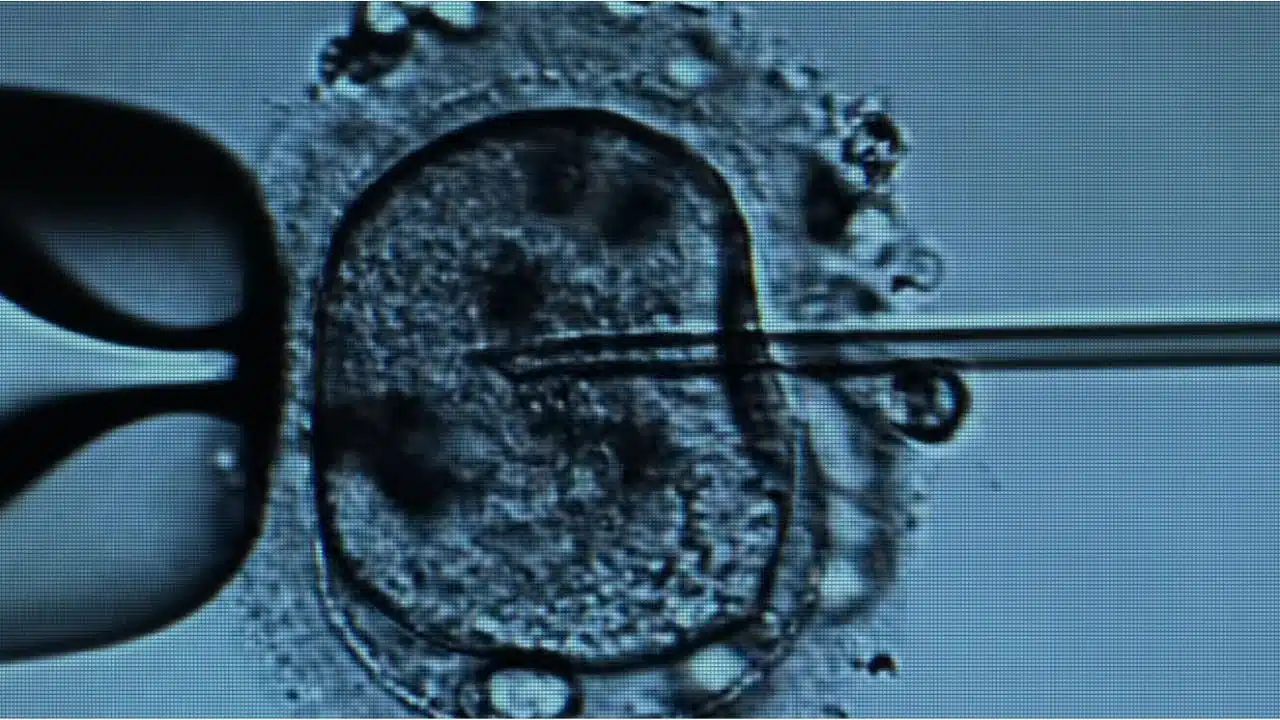
These robots perform tasks such as immobilizing sperm with lasers, inserting them into eggs, and transferring the resulting embryos to storage, all with minimal human intervention.
Technological Breakthroughs
Conceivable has achieved several significant milestones in its journey.
One of the most notable is the first-ever robotic performance of intracytoplasmic sperm injection (ICSI), a delicate process where a single sperm is placed inside an egg.
The robots have now fully automated this procedure, which Dr. Jacques Cohen, Conceivable’s chief scientific officer, initially oversaw from his office in New York City.
Real-World Impact
So far, eleven women have become pregnant with the help of Conceivable’s robots. This success underscores the potential of automation to revolutionize IVF.
The company has also introduced the concept of transcontinental ICSI, making the procedure routine and demonstrating the global reach of its technology.
Addressing the Challenges of Traditional IVF
IVF is known for being expensive, slow, and often uncertain. In the US, the cost of IVF can be as high as a new car, and many women need to undergo multiple cycles before achieving pregnancy.
Additionally, there is a shortage of infertility centers and clinical experts, making the treatment inaccessible for many.
Conceivable’s automation aims to address these issues by offering more precise handling of microscopic cells than human hands, reducing costs, and potentially improving success rates.
A Vision for the Future
Conceivable envisions a future where IVF labs worldwide are equipped with their automated systems.
Their robots, currently in the prototype stage, are capable of performing complex tasks such as selecting the best sperm, injecting it into eggs, and freezing embryos.
The startup has raised $20 million in venture capital, with plans to charge patients $15,000 for successful IVF treatments, significantly lowering the financial barrier for many.
Industry Reactions and Skepticism
While experts in the field are cautiously optimistic about Conceivable’s plans, there is skepticism about the implementation and impact of such technology.
Dr. Lora Shahine, a fertility physician in Seattle, acknowledges the potential benefits of automation but emphasizes that it must not compromise success rates or patient care.
The Personal Stories Behind the Innovation
The motivation behind Conceivable’s innovations is deeply personal for its co-founders.
For instance, Emma (a pseudonym to protect her privacy), who once worked for co-founders Joshua Abram and Alan Murray, shared her challenging experience with IVF, which influenced the startup’s direction.
Her story of navigating the emotionally and physically demanding IVF process highlighted the need for more reliable and accessible fertility care.
Building the Future of IVF
Since its founding, Conceivable has made significant strides in automating the IVF process. The startup’s robots, which initially practiced on animal eggs, are now being tested on human eggs in clinical studies.
These studies have shown promising results, with the robots slightly outperforming human embryologists in creating viable embryos.
Scaling Up and Overcoming Challenges
Conceivable plans to expand its operations by launching a large-scale clinical study in Mexico City, involving 250 patients.
This study aims to automate every step of the IVF process, from egg preparation to embryo freezing, demonstrating the full potential of their technology.
Integration with Existing Healthcare Systems
One of the significant challenges for Conceivable will be integrating its technology into the existing healthcare system. In the short term, the company plans to partner with existing IVF centers to provide an alternative to traditional labs.
In the long term, Conceivable envisions operating independent labs in collaboration with OBGYNs, expanding access to fertility care.
Navigating Regulatory Hurdles
The regulatory landscape for fertility treatments is less stringent than other areas of healthcare, which could simplify Conceivable’s path to market.
The startup plans to operate under the same regulatory framework as established lab companies, focusing on delivering high-quality, automated IVF services.
Looking Ahead
If all goes according to plan, Conceivable aims to have fully operational automated IVF labs by 2025.
This ambitious goal reflects the startup’s commitment to revolutionizing fertility care through cutting-edge technology, making IVF more efficient, affordable, and accessible to those in need.
Conceivable Life Sciences is poised to change the landscape of infertility treatment with its innovative use of robots and AI. By automating the IVF process, the startup not only addresses current limitations but also opens up new possibilities for the future of fertility care.
As Conceivable continues to refine and expand its technology, it holds the potential to transform the lives of countless individuals and families worldwide.
The Information is Taken from Business Insider and Yahoo News