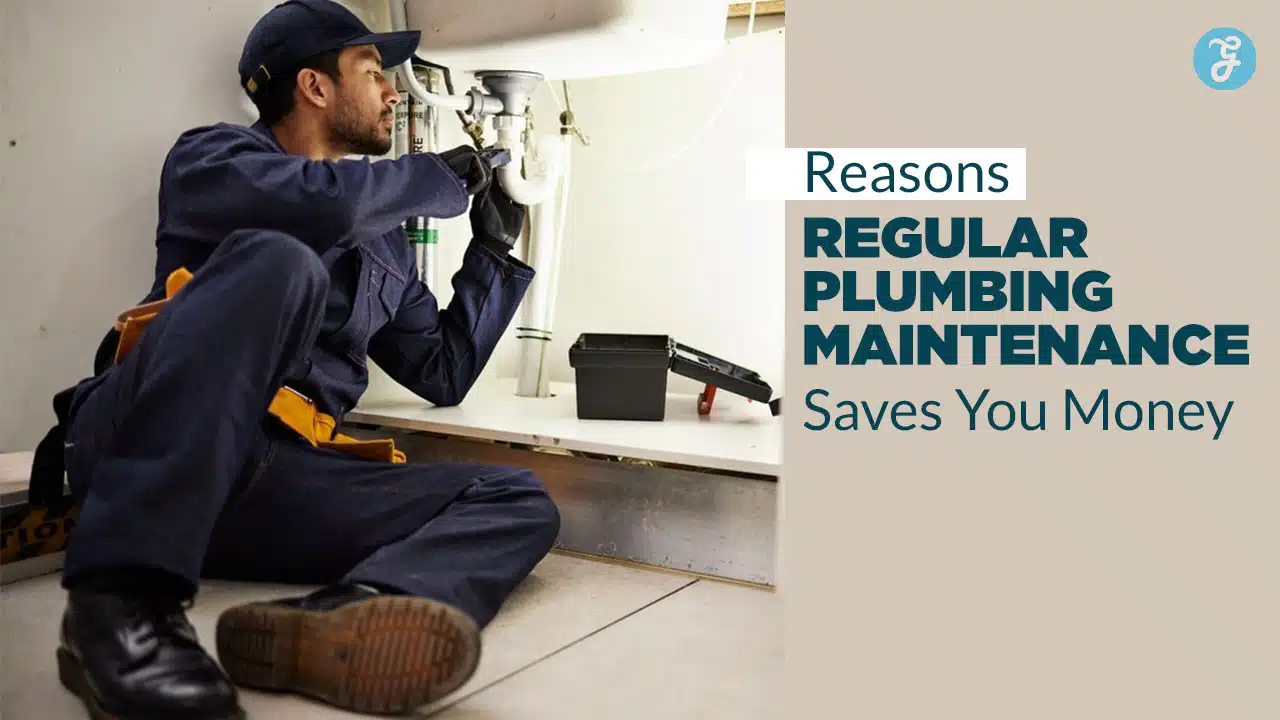
Regular plumbing maintenance rarely tops anyone’s wish list. Yet, if you look beyond the inconvenience of booking an inspection, it quickly starts to look less like a chore and more like a financial strategy. For most households, regular plumbing maintenance saves you money in ways that don’t always show up immediately on a monthly bill, but they certainly show up over a year or two of ownership.
From preventing emergencies to extending the life of fixtures, the economics of prevention are clear in both industry research and real-world repair invoices. When you ignore plumbing, you don’t make the cost disappear. You just delay it—and often multiply it. Regular plumbing maintenance deserves a place next to insurance and energy efficiency in any homeowner’s money-saving toolkit.
Why Regular Plumbing Maintenance Is Really a Money Question
The hidden price of “I’ll fix it later”
Most plumbing problems start small: a drip, a slow drain, a faint stain on a ceiling. Left alone, these minor issues can progress to burst pipes, mold, or structural damage—each far more expensive than a routine inspection or a simple repair.
Plumbing companies and home-services platforms consistently highlight this pattern. Routine inspections catch early signs of leaks, corrosion, and blockages before they escalate into emergencies that require urgent call-outs, after-hours rates, and extensive repairs.
The choice, in practice, is rarely between spending and saving. It’s between spending a small, planned amount now or spending a large, unplanned amount later.
How often should you schedule plumbing maintenance?
Most experts recommend a full professional plumbing inspection at least once a year, with older homes or properties that have had recurring issues needing checks more often.
Annual inspections typically include:
- Visual checks of exposed pipes, valves, and joints
- Testing water pressure and drainage
- Inspecting toilets, faucets, and shut-off valves
- Assessing water heaters and, in some cases, sewer lines
This routine forms the backbone of preventive plumbing maintenance—and it’s where the real savings begin.
8 Reasons Regular Plumbing Maintenance Saves You Money
Regular plumbing maintenance helps you avoid costly repairs, reduce water waste, protect your home from damage, and extend the lifespan of your plumbing system—ultimately saving you money in the long run.
1. It Prevents Expensive Emergency Call-Outs
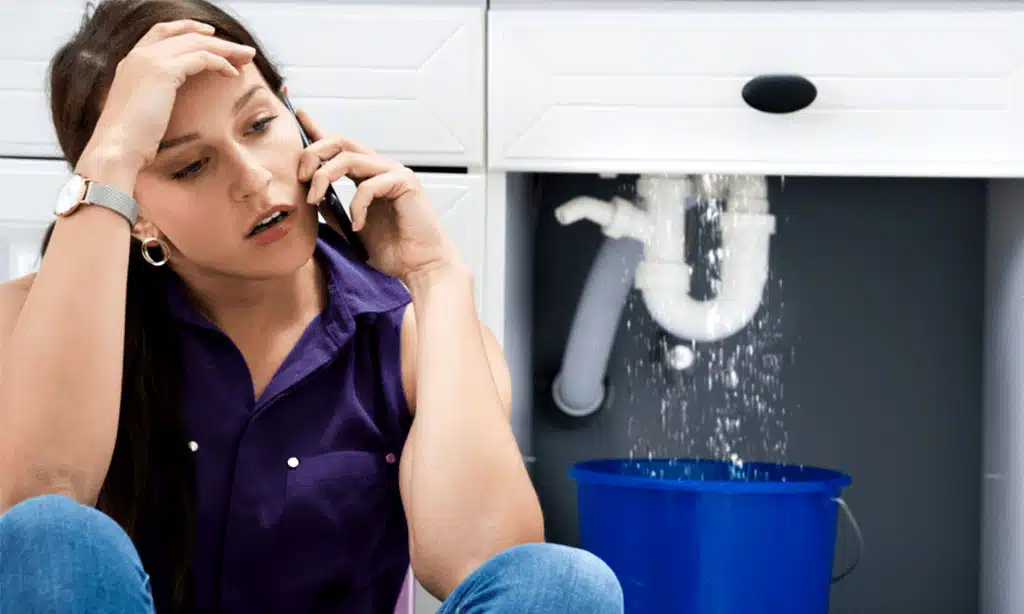
Emergency plumbing visits are usually the costliest way to interact with a plumber. After-hours surcharges, urgent call-out fees, and the domino effect of damage can drive a single incident into four-figure territory.
Regular plumbing maintenance reduces that risk by:
- Catching hairline cracks or corroded pipes before they burst
- Identifying early sewer line issues before backups
- Finding blocked vents or partially clogged drains before they overflow
Many plumbing businesses point out that annual inspections and routine maintenance drastically cut the likelihood of these emergencies. In financial terms, you trade occasional, predictable maintenance fees for the very real chance of avoiding one or two major emergencies that might otherwise eat a year’s home-maintenance budget in a single weekend.
2. It Cuts Water Bills by Stopping Silent Leaks
Water leaks are not just an environmental concern; they are a direct, recurring charge on your household budget.
The U.S. Environmental Protection Agency (EPA) estimates that the average household’s leaks can waste around 10,000 gallons of water each year, with about 10% of homes having leaks that waste 90 gallons or more per day.
That wasted water shows up on your bill:
- A dripping faucet can waste more than 3,000 gallons per year
- A running toilet can add tens of dollars per month
- Hidden leaks in walls or underground lines can cause sudden, unexplained spikes
Regular plumbing maintenance saves you money here by making leak detection routine, not reactive. During inspections, plumbers test for pressure drops, inspect joints, and check fixtures for subtle signs of leaking.
In some regions, utilities even offer bill adjustments when you repair leaks, but these are usually conditional on fixing the problem quickly and providing repair documentation. Either way, every gallon you stop wasting is money you no longer pour straight down the drain.
3. It Protects Your Home from Costly Water Damage
Water damage is among the most expensive categories of home repair. It doesn’t just affect a pipe; it damages flooring, drywall, insulation, cabinets, and sometimes even structural elements. It can also trigger mold remediation, which brings its own set of health and financial costs.
Research on property losses shows that water damage claims can easily run into thousands of dollars, with cleanup costs influenced by how long the water has sat and whether contamination is involved.
Regular plumbing maintenance guards against this by:
- Identifying slow leaks behind walls or under sinks
- Checking around water heaters, washing machines, and dishwashers for early signs of seepage
- Ensuring drains, traps, and sewer lines are clear and functioning
When you find these issues early, you limit the damage to a localized repair instead of a full-scale restoration project. That difference can mean paying for a plumber and some patchwork, rather than hiring a restoration company, replacing flooring, and temporarily moving out.
4. It Extends the Life of Pipes, Fixtures, and Appliances
Every plumbing component has a life cycle. Poor water quality, high pressure, and neglect shorten it. Regular plumbing maintenance, on the other hand, helps you get the full value out of what you’ve already bought.
Industry guidance notes several long-term benefits of regular plumbing maintenance, including extended lifespans for pipes, fixtures, and equipment.
Routine maintenance helps in several ways:
- Managing water pressure: Excess pressure stresses joints, valves, and appliances. Regular checks keep it in the recommended range.
- Dealing with hard water: Inspecting for mineral buildup and installing softeners or filters when needed reduces wear on heaters and fixtures.
- Replacing small parts: New washers, cartridges, and seals cost little compared with whole-fixture replacement.
By keeping everything within designed operating conditions, regular plumbing maintenance saves you money on premature replacement of taps, toilets, and even main lines.
5. It Keeps Your Water Heater Running Efficiently
Water heaters quietly consume a significant share of household energy. When they run inefficiently, they cost you twice—through both energy and water waste.
Specialist leak-detection and plumbing sources point out that leaks and poor maintenance can force a water heater to work harder and longer to deliver the same output. Over time, this pushes up energy bills and shortens the unit’s lifespan.
Regular plumbing maintenance typically includes:
- Flushing the tank to remove sediment that reduces efficiency
- Checking anode rods and safety valves
- Inspecting for leaks around fittings and connections
- Confirming that thermostat settings are appropriate
These tasks improve efficiency, reduce the risk of sudden failure, and push back the date when you must pay for a new unit—an expense that can be substantial.
6. It Reduces Health Risks and Hidden Clean-Up Costs
Not all plumbing problems are visible. Some show up as musty smells, discolored spots, or damp corners. Over time, these can lead to mold growth and, in some cases, contamination, especially if wastewater is involved.
Home-improvement and plumbing resources consistently warn about the health risks and remediation costs linked to neglected leaks and sewer issues.
When you invest in regular plumbing maintenance, you cut these risks by:
- Ensuring wastewater flows correctly and safely out of the home
- Identifying slow leaks before they feed mold in walls or under floors
- Confirming that backflow prevention devices and traps work properly
The financial impact is twofold: you avoid the direct cost of remediation and the indirect cost of time off work, disruption, and potential medical expenses driven by poor indoor air quality.
7. It Protects Your Property Value and Insurance Position
A well-maintained plumbing system is part of your home’s underlying value, even if buyers don’t always list it explicitly. Home inspectors scrutinize plumbing when they assess properties for sale. A clean report supports your asking price; a report full of leaks, outdated pipes, and water-damage history can become a bargaining chip for buyers.
Many insurers also pay close attention to water damage claims. A pattern of repeated claims can affect premiums or coverage terms. Some insurers and property managers expect owners to follow reasonable maintenance practices, which include regular plumbing maintenance and timely leak repairs. By keeping detailed records of inspections and repairs, you demonstrate responsible ownership.
That can help:
- Support your price during a sale
- Reduce the risk of disputes over the condition of the property
- Strengthen your position if you ever need to make a claim
Over time, this protection of value is one of the most significant, if less visible, ways plumbing maintenance saves you money.
8. It Helps You Budget Ahead Instead of Paying in Panic
Surprises are almost always more expensive than plans. Routine maintenance gives you information: the age of your water heater, the condition of your main lines, and the likelihood that certain fixtures will need replacement in the next few years.
Many professional guides emphasize inspections not only as a way to prevent breakdowns, but also as a tool to plan future upgrades.
With that information, you can:
- Spread large expenses (like repiping or replacing a heater) over time
- Take advantage of rebates on efficient fixtures when it suits your budget
- Avoid financing emergency repairs at high interest because you have no choice
In other words, regular plumbing maintenance saves you money by turning plumbing from a series of crises into a manageable line item in your household budget.
How to Build a Practical Plumbing Maintenance Routine
Regular plumbing maintenance does not have to be complicated or overwhelming. It works best when you combine simple homeowner habits with scheduled professional inspections.
Simple checks homeowners can do themselves
You don’t need a license to spot early warning signs. A basic monthly or quarterly walkthrough can catch many issues before they escalate.
- Check under sinks and around toilets for dampness, staining, or soft flooring.
- Listen for running toilets or dripping taps and address them promptly.
- Watch water pressure and drainage. Sudden changes can signal blockages or leaks.
- Inspect exposed pipes in basements, utility rooms, and under cabinets for corrosion or condensation.
- Look at your water bill. An unexplained spike often points to a hidden leak.
Building these checks into your cleaning or seasonal routines keeps them manageable.
When to bring in a professional plumber
DIY vigilance has limits. Professional plumbers bring tools, experience, and access to areas you can’t see. As a rule of thumb:
Schedule a full plumbing inspection once a year, or more frequently if your home is older or has a history of issues.
Call a professional if you notice:
- Repeated clogs in the same drain
- Persistent low water pressure
- Brown, yellow, or rusty water
- Damp ceilings, walls, or floors without an obvious cause
- Hot-water issues that don’t resolve with simple adjustments
During a visit, ask the plumber to walk you through any findings, likely timelines for future repairs, and preventive steps you can take between inspections.
Red flags you should never ignore
Some plumbing signs demand immediate attention. Ignoring them often turns a manageable issue into a very costly one. Such as:
- Water stains that grow or change quickly
- Sewage smells anywhere inside or near the property
- Gurgling drains when other fixtures run
- Sudden sharp increases in the water bill
- Visible mold near bathrooms, kitchens, or utility rooms
If you see these, treat them as urgent. The cost of “checking too soon” is usually trivial compared with the cost of waiting a week too long.
Final Thoughts: Treat Plumbing Maintenance as a Financial Strategy
At first glance, regular plumbing maintenance might look like yet another bill. But when you step back and look at the numbers—from wasted water and emergency call-outs to water damage and shortened equipment life—a different picture emerges.
When you schedule inspections, fix leaks early, and treat your plumbing as a system that deserves routine care, regular plumbing maintenance saves you money in at least eight ways:
- Fewer emergencies
- Lower water bills
- Less water damage
- Longer-lasting fixtures
- More efficient heaters
- Reduced health risks
- Protected property value
- Predictable, manageable costs
In practical terms, it’s the difference between being surprised by your plumbing and staying one step ahead of it. For most homeowners, that shift alone is worth the price of an annual visit—and, over time, it’s one of the simplest ways to manage both your home and finances.