Your hair thins, your skin dulls, and your joints ache. You try creams, pills, or ice packs, but the relief is short. You need a new path in regenerative medicine.
Regenerative Therapies Gaining Ground In Spanish Clinics rely on stem cells, platelet-rich plasma, and nanotechnology. A recent study from Madrid shows PRP speeds up healing and hair growth.
Our guide breaks down five top cell therapies, with clear steps and clinic tips. Read on.
Key Takeaways
- Spanish clinics spin patient blood to isolate PRP and inject it under skin or into joints. Blumeyer et al. (2011) link PRP to skin repair, and Gentile et al. (Apr 2020) report a 20% hair gain after 3–4 treatments.
- Clinics harvest fat, process it via nanotech, and inject nanofat with adipose-derived stem cells to smooth scars and add volume. Patients see scar and stretch-mark improvements in 4 weeks while one-hour sessions keep downtime low.
- Providers deliver CE-marked exosomes in skin and hair treatments. A 2024 review and a July 2025 single-cell RNA study (Wang XY et al.) show exosomes spur hair regrowth in patients who failed finasteride and speed wound healing.
- Doctors draw mesenchymal stem cells from bone marrow and use ultrasound-guided injections to repair cartilage and relieve joint pain. Clinics like Clínica Vertebra report lasting motion gains and less osteoarthritis pain after treatment.
- Clinicians inject FGF and PDGF with PRP or stem cells to rebuild collagen and boost skin tone. A 2023 study at Regenerat clinics shows a 45% rise in skin quality metrics post-treatment.
Platelet-Rich Plasma (PRP) Therapy
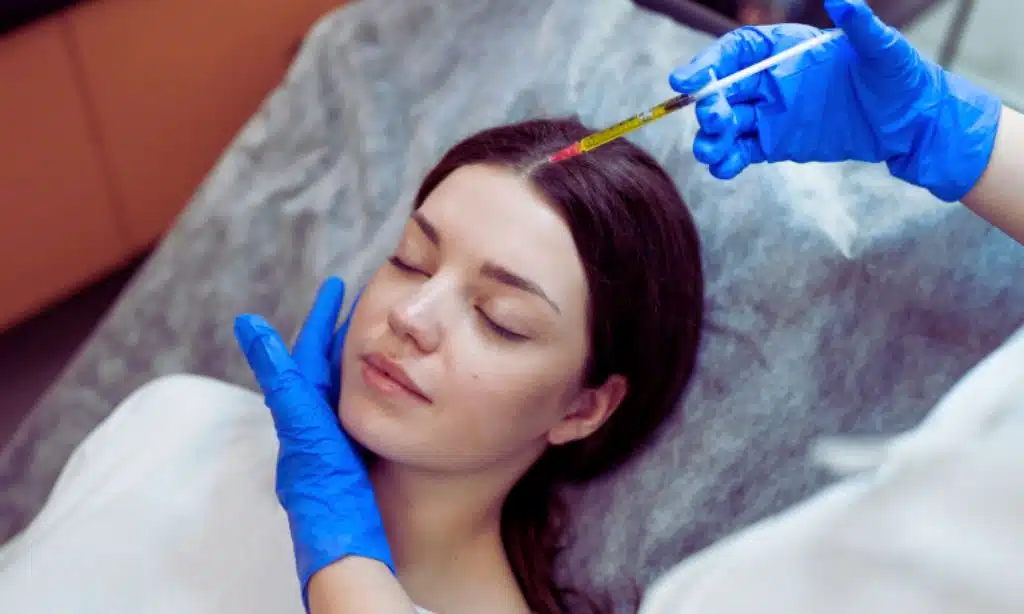
Doctors draw blood, then spin it in a centrifuge to pack it with cell signals that spur repair. They inject that plasma under your skin or into aching joints to speed up healing.
Applications in skin rejuvenation and hair restoration
Clinics in Spain spin blood in a centrifuge to isolate platelet rich plasma. Providers inject it into skin layers to target wrinkles, scars and sagging. PRP boosts elasticity and tone, and speeds tissue regeneration.
Evidence from Blumeyer A et al., 2011 supports these effects.
Recent data from Gentile P et al., in April 2020, show PRP can revive follicles in androgenetic alopecia. Patients gain about 20 percent more hair after three to four treatments. This cell therapy calms inflammation and fuels healing.
It merges well with regenerative medicine and stem cell therapies to aid recovery.
Benefits in orthopedic and sports medicine treatments
PRP therapy cuts inflammation in muscle and joint injuries quickly. It taps into regenerative medicine and cellular therapies to calm tendon inflammations like heel cord and shoulder sling strains.
Sonography guides each injection under cold, local anesthesia. Patients feel less pain from days five to seven.
Medical teams apply it to patellar tendinopathy and hip bursitis. Analgesic action sets off endogenous pain control. The concentrate blocks cytokine release and speeds tissue regeneration.
It aids delayed union in pseudarthrosis and eases facet joint pain. It carries no risk of allergy, infection or rejection.
Nanofat Injections
Doctors churn harvested fat with a mini mixer and fill a fine tube to tap adipose-derived stem cells. These living seeds can sprout new tissue, smoothing scars and soft lines under your skin.
Use in facial volumization and skin texture improvement
Clinics in Spain use nanofat for facial volumization and smoother skin texture. This approach adds volume fast and boosts elasticity. It taps into regenerative medicine and aids tissue regeneration with mesenchymal cells.
Professionals harvest fat, they break it into tiny droplets via nanotechnology, then inject it in the face. They follow strict aseptic rules for safe handling. Physicians use minimally invasive tools so downtime stays low.
Many patients report high satisfaction after just one session. Clinics mix nanofat with PRP or growth factors for extra boost. This blend taps into stem cell research to spur cell differentiation.
It relies on biomaterials, to keep results natural looking. Clinics adapt each plan to patient goals for personalized therapies. Teams complete steps in about an hour, so you can hit a brunch date soon.
Advantages for scar and stretch mark treatments
Nanofat injections help scars and stretch marks, acting like fertilizer for damaged skin. They boost local stem cell activity and collagen remodeling, aiding tissue regeneration. Spanish centers use processed nanofat rich in regenerative signals.
Patients report smoother atrophic or hypertrophic scars after one or two sessions. Doctors note minimal downtime and few complications.
This non-surgical option appeals to folks avoiding scalpels or stitches. Practitioners in Madrid and Barcelona inject nanofat into hard-to-treat zones like the lower belly or thighs.
Some clients mention visible changes within four weeks. It uses adipose-derived components to spark mesenchymal stem cell responses. It falls under regenerative medicine. This process fits well with tissue engineering and translational medicine goals.
Exosome Therapy
Cell parcels deliver growth factors straight to skin cells, sparking new collagen and tissue regeneration. Read on to see how labs use nanoparticle tracking analysis to steer these tiny vesicles in hair growth, wound healing, and more.
Role in anti-aging and regenerative skin care
Clinics in Spain report rising demand for exosome therapy in anti-aging and regenerative skin care. Exosomes deliver bioactive proteins and RNA, and they drive dermal repair and tissue regeneration.
The treatment boosts skin tone, texture, and elasticity with minimal downtime. Providers mix exosomes with PRP or nanofat for stronger results.
All exosome products carry CE marks as medical devices and pose low risk of complications. Early translational medicine studies in Madrid and Barcelona show fewer wrinkles and firmer skin.
Patients praise links to regenerative medicine and stem cell research, and they enjoy smooth recovery.
Potential for hair growth and wound healing
Spanish centers inject exosomes to treat AGA, or androgenic alopecia. Tiny vesicles act on hair follicles. A 2024 literature review and a July 2025 single-cell RNA sequencing report by Wang XY et al show that these vesicles spur follicle regrowth.
Doctors see hair thickening in cases that failed finasteride or minoxidil. The technique taps into regenerative medicine and developmental biology. It suits refractory hair loss.
Patients report faster healing in chronic wounds and surgical cuts after microparticle injections. The particles cut inflammation and boost cell migration. Many clinics combine this approach with Platelet-Rich Plasma or mesenchymal stem cells for extra power.
This mix speeds tissue regeneration in cutaneous lesions. Data from Spanish centers show marked closure and less scarring after treatment.
Mesenchymal Stem Cell Treatments
Clinics draw mesenchymal stem cells from bone marrow, then use ultrasound-guided injections to deliver them into torn cartilage and joint cushions. Patients cheer as pain melts away and tissue regeneration speeds up, giving joints a second wind.
Applications for joint repair and chronic pain relief
Doctors inject mesenchymal stem cells into damaged cartilage of major joints hit by osteoarthritis. Spanish clinics report high patient satisfaction with this regenerative medicine in leg pain and back issues.
This method aims to rebuild tissue and help with cartilage regeneration, giving joints a second wind. Patients ditch pain management meds like yesterday’s trends.
At Clínica Vertebra, patients share they feel more motion, less ache after spinal pain therapy and sciatica care. The minimally invasive process uses local anesthesia, so most folks stay comfy.
Stem cell research drives these cell replacement therapies and brings fresh hope. This translational medicine path offers lasting outcomes for chronic pain relief.
Advancements in tissue regeneration
Clinics in Spain boost mesenchymal stem cells with new isolation, expansion, and cryopreservation steps. They rely on flow cytometry, cryostorage equipment, and GMP labs to keep cells viable.
Orthobiologics team up with PRP and growth factors for stronger tissue regeneration. Strict clinical protocols and EU regulatory guidelines support each treatment stage.
Patients with meniscal injuries see better cartilage regeneration and soft tissue repair. Clinics record lasting gains in function, structure, and pain management after patient-specific MSC plans.
Ongoing trials use 3D bioprinting and cell-free scaffolds to improve delivery and outcomes in regenerative medicine. These projects follow international safety rules in translational medicine.
Growth Factor-Based Therapies
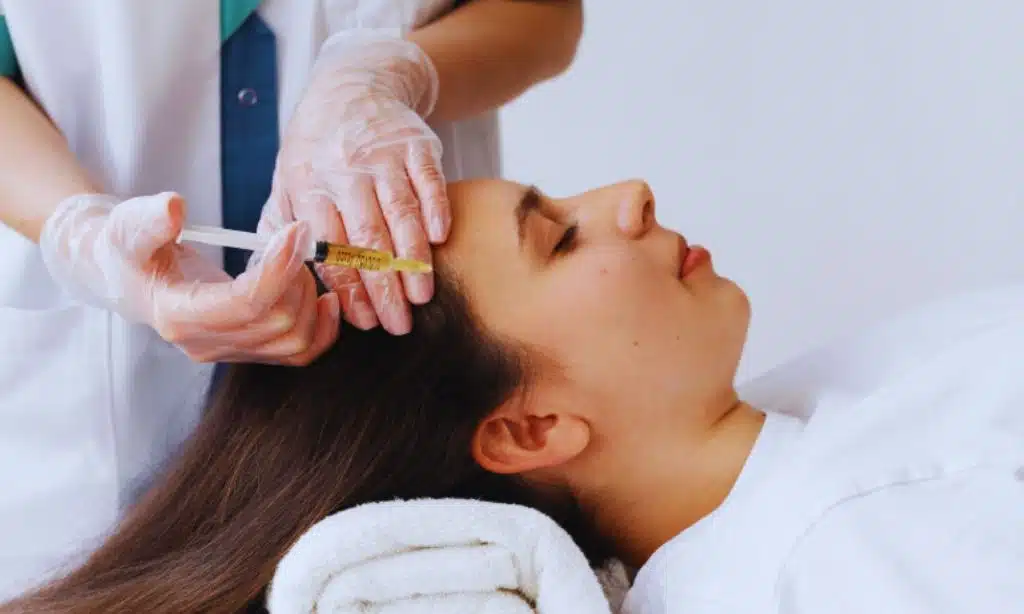
Doctors inject recombinant proteins grown in cell culture systems to rebuild collagen and boost skin tone. They track molecular cues with assay kits, watching how signaling networks guide tissue repair.
Enhancing recovery in aesthetic and surgical procedures
Regenerative medicine clinics in Spain inject growth factor formulas right after surgery. These formulas carry proteins that speed tissue regeneration and cut down scarring. Surgeons mix them with PRP or mesenchymal stem cells to boost cartilage regeneration and muscle repair.
All steps follow CE and AEMPS safety rules.
Minimally invasive shots let people get back to work and play in days. Clinics report high satisfaction rates in aesthetic recovery, with softer skin and firmer tissues. Personal plans pair growth factors with physio or PRP, so pain management and tissue health shine.
Patients praise faster healing and less scar tissue after face lifts or rotator cuff repairs.
Use in improving skin elasticity and tone
Clinicians inject fibroblast growth factor and platelet-derived growth factor into the dermis to spark fibroblast action. That boosts collagen for firmer, smoother skin. Bio-regenerative protocols use syringes and customized doses for non-surgical rejuvenation.
Specialists adjust each mix to match individual skin needs.
Spanish clinics fight age-related laxity and loss of tone with growth factor therapy. Patients with moderate or severe photoaging see gains in elasticity, texture and a radiant glow.
A 2023 study at Regenerat clinics reported a 45 percent rise in skin quality metrics. These methods blend regenerative medicine, mesenchymal stem cell research and tissue regeneration for lasting results.
Leading Clinics in Spain Offering These Therapies
Barcelona’s Clinic del Sol injects platelet plasma and stromal cell grafts to speed cartilage repair.
Valencia’s Dermal Lab uses nano-lipid emulsions and cell-vesicle solutions for smooth, firm skin.
Overview of top-rated regenerative medicine centers
Spain hosts two leaders in regenerative medicine. These centers use mesenchymal stem cells, blood concentrate, and vesicles to heal tissue.
- Clínica Vertebra, at Passeig de la Bonanova 51, 08017 Barcelona, and in Madrid, treats spine disease with regenerative medicine. Generalitat de Catalunya accredits the clinic. Its team injects advanced blood concentrate and uses tissue repair methods to relieve chronic pain. This center applies translational medicine tools and mesenchymal stem cells to restore function.
- Regenerat clinics, in Valencia, Torrent, Gandia at Ciutat de Laval 23, 46702, and Catarroja, serve patients from towns like Denia and Javea. Their staff includes Dr. Miguel Alfonso Porcar and Dr. Garrido, who lead orthopedic stem cell research and vesicle therapy trials. The center won the III Wellness and Quality of Life Award from La Razón in Madrid. Patients book via phone at 961 146 834 or WhatsApp from 9:30 am to 2:00 pm and 4:00 pm to 8:00 pm on weekdays. This hub accepts Adeslas, Caser, Fiact, Aegon, Cigna, Sanitas, Allianz, Cosalud, Asisa, Mapfre, Axa, DKV, and Salus.
Takeaways
Many clinics embrace platelet-rich plasma. Physicians inject adipose-derived micrografts to lift cheeks. Researchers test extracellular vesicle therapy to heal skin. Teams use mesenchymal stem cells and growth factors to fix joints.
Patients grin at smoother skin, extra bounce, and less ache.
FAQs on Regenerative Therapies Gaining Ground In Spanish Clinics
1. What is PRP therapy and how does it help in Spanish clinics?
PRP is part of regenerative medicine. It takes your platelets from blood. It boosts healing, and it eases pain. Clinics use it for pain management.
2. How does Nanofat support tissue regeneration and cartilage repair?
Nanofat is a mix of fat. It holds mesenchymal stem cells. It aids tissue regeneration and cartilage regeneration. It acts like tiny builders inside you.
3. What role do exosomes play in today’s treatments?
Exosomes are tiny packets from cells. They send signals to guide healing. They help in regenerative medicine and gene therapies. They also cut down inflammation, like putting out a small fire.
4. Can these therapies help with rotator cuff tears, meniscus damage, or plantar fasciitis?
Yes. Clinics use PRP and exosomes for rotator cuff tears. They use Nanofat for meniscus tear. You can also get help for plantar fasciitis. These methods can cut invasive surgeries.
5. Are stem cells safe in these allogeneic therapies or do they use your own cells?
Clinics can use allogeneic therapies or your own cells. They can use induced pluripotent stem cells from adults. They may use somatic cell nuclear transfer to reprogram cells. All steps follow strict rules to limit bioethical issues. Experts watch for immune reactions, so it stays safe.
6. Do clinics need special approval or patent rights for these treatments?
Yes. Clinics need health technology assessment before they can start. They must follow patent law and European patent convention. They may need patentable subject matter for their tools. They also work with ethics experts to meet all rules.