You know that disappointment when you bite into a big, red strawberry, and it tastes like… damp cardboard? Or have you noticed how some fields turn into dusty wastelands the moment the rain stops? It’s usually a sign that the soil is exhausted. Farmers today are fighting a tough battle against dry land and skyrocketing chemical costs. But there is a better way. It’s called Regenerative Agriculture. It’s not just a buzzword; it’s a method that treats the farm as a living ecosystem rather than a factory.
In fact, healthy soil can store more carbon than all the world’s forests combined. I’m going to walk you through how these simple changes are healing the land and putting better food on our tables. Ready to see how we can save the planet one acre at a time? Let’s get into it.
What Is Regenerative Agriculture?
Regenerative agriculture is basically a healing process for the earth. Instead of just “sustaining” the land, this approach actively makes it better year after year.
Think of it like healing a scrape on your skin. You don’t just cover it up; you feed your body good food so it can repair itself from the inside out. Farmers use methods that let the soil rest, rebuild its natural immunity, and hold onto water like a sponge.
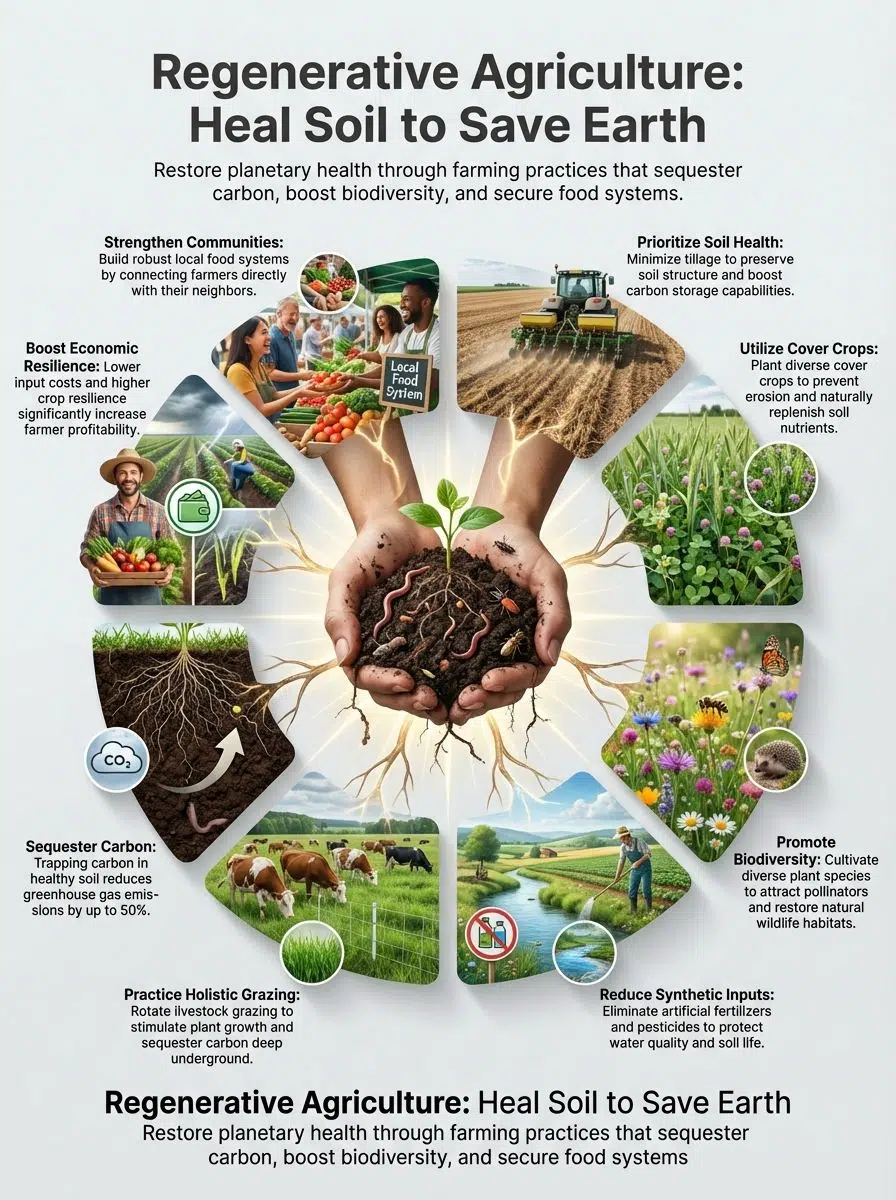
The results are backed by serious data. Scientists have found that these methods can store massive amounts of carbon in the soil. Some studies show this can cut greenhouse gases by up to 50 percent compared to standard farming.
Gabe Brown, a pioneer in this field, puts it perfectly: “We are not just stewards of the soil; we are healers.”
This approach uses fewer chemicals and brings back nature’s best workers, like earthworms, bees, and predatory beetles. The farm becomes a small ecosystem where plants and animals support each other. By rotating crops or planting “cover crops” instead of leaving fields bare, farmers give back what they take.
It supports better harvests for years without harming the planet or the people who live on it.
The Principles of Regenerative Agriculture
Regenerative agriculture works much like nature’s own playbook. It doesn’t force the land to do something unnatural; it works with the biology that’s already there.
These guiding ideas shape smarter choices that respect both the farmer’s wallet and the planet’s future.
Prioritize soil health
Healthy soil is the engine of the farm. It holds water like a sponge, which keeps crops alive during those hot, dry spells that are becoming so common.
In fact, the USDA Natural Resources Conservation Service found that for every 1% increase in soil organic matter, an acre of land can hold over 20,000 gallons of extra water. That is a massive safety net for farmers.
Farmers use cover crops, such as cereal rye or clover, to stop erosion. These plants act like a living blanket that protects the dirt from the sun and wind.
Organic matter is the secret ingredient here. Adding compost or manure puts nutrients back where they belong. Farmers also try to disturb the soil less by reducing tilling. This keeps the delicate fungal networks intact so they can feed plant roots.
Healthy soil even grabs carbon from the air. This helps fight climate change with each handful of earth grown wisely!
Promote biodiversity
A healthy farm should sound busy. It should be full of bird songs and buzzing insects. Farmers who practice regenerative agriculture mix their crops and plant flowers along field edges. They let wild grasses grow between rows to invite beneficial critters back. These actions bring back birds, bees, and ground beetles.
No single plant takes over. Instead, nature works like a team. Recent surveys show that these rich fields can host up to 30 percent more species compared with conventional farms.
A field full of buzzing bees is worth its weight in gold.
Trees or shrubs offer shade for insects. Clover draws pollinators while sunflowers feed the birds. Each living thing has a job that helps others thrive.
Reduce reliance on synthetic inputs
Supporting biodiversity often means you don’t need to buy as many jugs of chemicals. Healthy soils do a lot of the work for free.
Farmers who use regenerative agriculture limit artificial fertilizers and pesticides. This saves them a lot of money. Data from 2024 shows that regenerative farmers can reduce their input costs by 25% to 50% compared to their conventional neighbors.
These synthetic inputs can harm pollinators and water quality, so using less is a win-win. Instead of sprays, some farmers plant marigolds to keep bugs away from tomatoes. They might use sunflowers as a shield for beans. Compost and natural manure feed the soil without the pollution risk.
Cover crops help control weeds and save moisture. This way, farms become more resilient and profitable at the same time.
Encourage ecosystem relationships
Plants, bugs, birds, and worms all work together on a healthy farm. It’s a complex web of connections. Bees carry pollen between flowers. Ladybugs and lacewings eat plant-eating pests like aphids. Earthworms dig under the dirt, making it loose so roots can grow strong.
Farmers set up hedges or trees along their fields to attract these helpful animals. They leave wildflowers around border rows for pollinators like bees and butterflies. These actions give homes to many species while cutting back on crop loss.
Farmers use these simple steps as an important part of ecosystem restoration every season.
Support community and economic health
Farmers who use regenerative agriculture often work together. They share ideas, seeds, tools, and support.
Small towns grow stronger because farmers spend money close to home. Since they aren’t spending as much on imported chemicals, they keep more profit in their local bank accounts. This helps families stay on their land for generations.
Selling healthy food straight to neighbors builds trust. Local markets thrive as people buy fresh crops with better nutrition. Jobs grow, too. Caring for the land takes hands-on work that benefits everyone’s wallets and spirits alike.
Benefits of Regenerative Agriculture
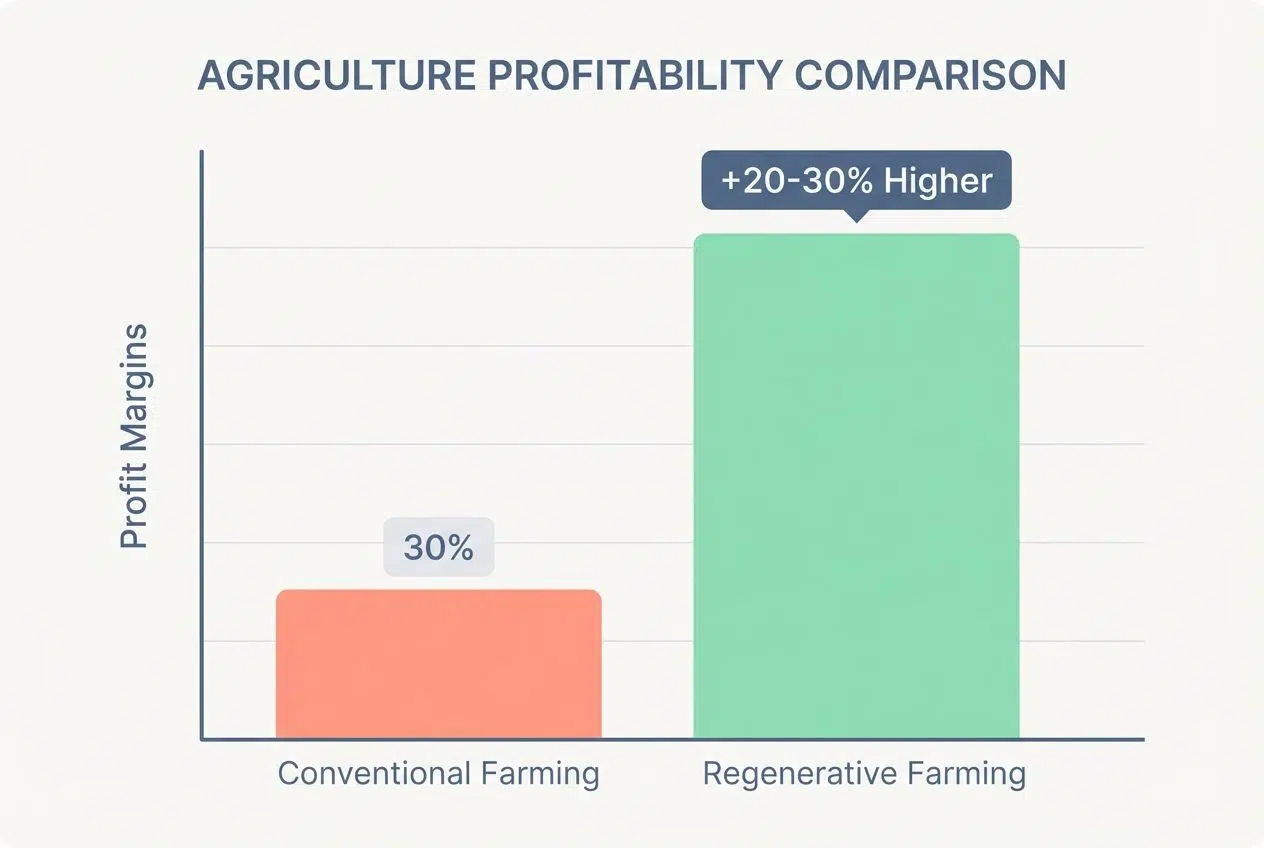
These farming methods help the land bounce back and support life. But let’s look at the hard numbers. Why should a farmer switch? It turns out, the benefits are clear for both the soil and the bank account.
| Feature | Conventional Farming | Regenerative Farming |
|---|---|---|
| Profit Margins | Often low due to high input costs | 20-30% higher on average |
| Drought Performance | High risk of crop failure | Retains more water; yields are more stable |
| Soil Health | Depletes over time | Builds organic matter annually |
Improved soil health and fertility
Earthworms love healthy soil full of organic matter. Regenerative agriculture gives them a buffet with crop rotation and composting.
Farmers use cover crops to protect topsoil from wind and water loss. This keeps dirt rich, fluffy, and packed with nutrients. Soil that grows under regenerative practices stores more carbon, too.
According to the Rodale Institute’s trials since 1981, these soils can store up to 3 tons of carbon per hectare each year. Plants get stronger roots in these loose soils, which means bigger harvests over time.
Increased biodiversity
Fields shift from plain rows of a single crop to wild, living landscapes. Bees buzz through clover and sunflowers.
With more plant types growing, birds nest in fields again, and rabbits hop through tall grass. Life draws in more life. Rich soil supports worms and beetles below ground.
Their busy digging helps air reach plant roots. Without chemicals killing bugs or weeds, nature keeps the balance all on its own.
Reduced greenhouse gas emissions
Plants pull carbon dioxide from the air and store it in healthy soil. Regenerative agriculture uses no-till methods to boost this process.
Compost and natural fertilizers feed the ground without adding nitrous oxide or methane like synthetic chemicals do. Farmers who use regenerative practices often see up to a 40% drop in greenhouse gas emissions compared to conventional farms.
Holistic grazing keeps grasslands packed with deep-rooted plants that trap more carbon underground. This means fewer climate-warming gases escape into the sky.
Enhanced climate resilience
Healthy soil holds more water. During droughts, plants stay greener for longer. For example, major companies like Unilever have reported that during recent droughts, their regenerative soy fields survived while conventional fields suffered up to 40% yield losses. Strong roots dig deep, water stays put, and life below ground keeps working hard even under stress.
Regenerative agriculture builds a safety net for food security in changing climates.
Boosted economic outcomes for farmers
Farmers who use regenerative agriculture see better profits. They cut costs by using fewer chemicals and less water.
Market prices for crops grown with sustainable farming are often higher, too. Some buyers pay more for food from farms that protect soil health and promote biodiversity.
Farming with these methods can also reduce risks during rough weather. Parents on family farms say that improved soil keeps their land productive year after year.
Regenerative Agriculture Practices
Farmers use clever tricks to keep the soil full of life. These aren’t new inventions; many are ancient methods that we are just now rediscovering.
No-till or minimum tillage farming
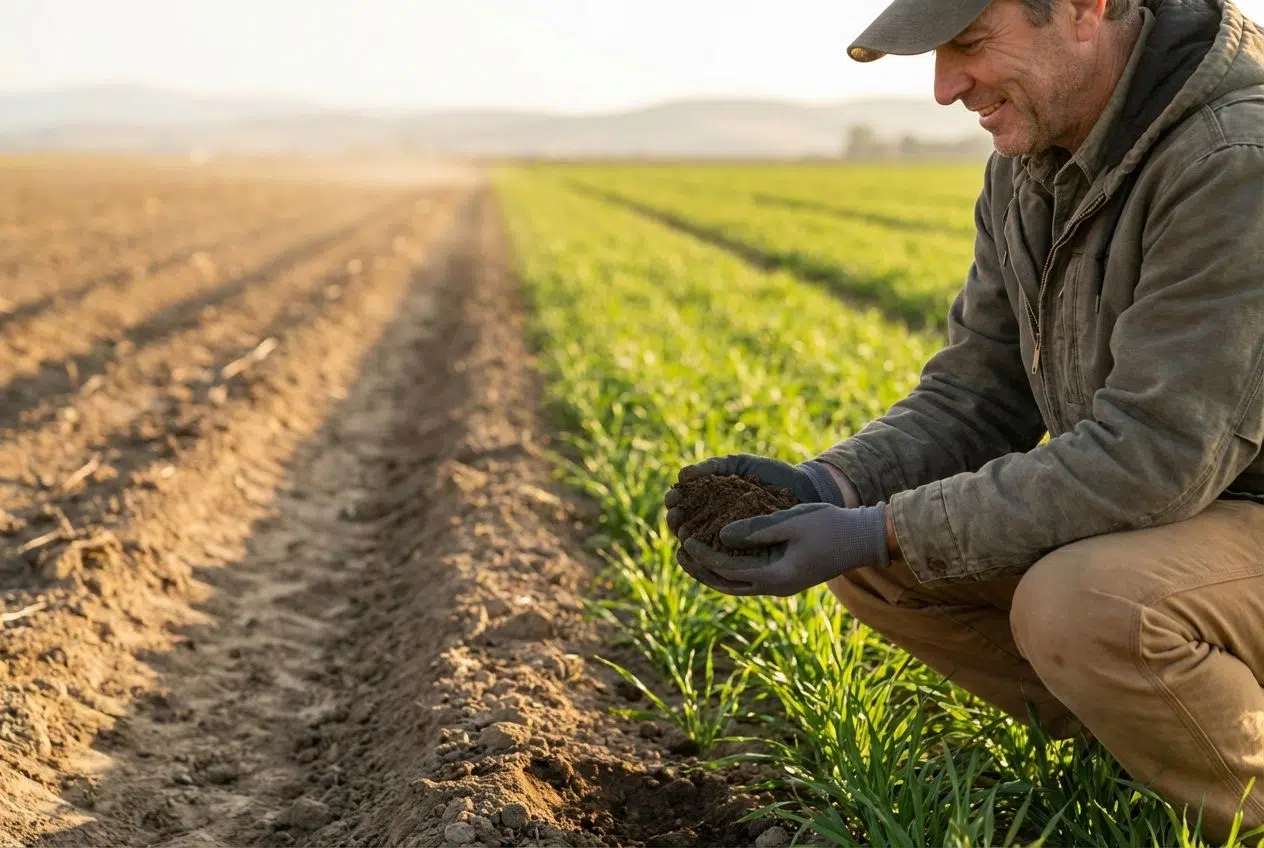
Tilling stirs up soil, but it also tears apart the home of the tiny life inside. No-till farming keeps the ground mostly unturned.
Farmers often use a tool called a “roller crimper” to flatten cover crops without digging up the dirt. This simple change helps roots stay strong, and earthworms thrive. Soil holds water better and loses less carbon to the air.
In 2020, fields using no-till saved nearly 344 million tons of soil across America. Heavy rain causes less damage because root systems grip the earth tightly like anchors on a stormy shore.
Cover cropping and crop rotation
After reducing tillage, farmers turn to smart planting. Cover crops like clover, vetch, or rye grow during the off-season.
They spread roots into bare soil, acting as a living blanket. These plants help trap rainwater, stop erosion, and add nutrients right back to the earth. For instance, daikon radishes are used to naturally drill holes in hard soil to let air in.
Crop rotation is another trick. Instead of planting corn in the same spot year after year, farmers switch things up with beans or oats. Each plant brings its own gift to the table. This pattern confuses pests and gives tired soil a chance to rest.
Holistic grazing management
Cows and sheep do much more than just munch on grass. Moving herds from one pasture to the next gives each spot a break.
This is often called Adaptive Multi-Paddock (AMP) grazing. It mimics how wild bison used to move across the plains, bunching up tight to protect themselves from wolves and then moving on. This cycle stops pastures from turning bare or dry.
The animals’ hooves press seeds into the dirt, which helps new grasses sprout. A 2024 study showed that this method can reduce the carbon footprint of beef by over 60% compared to continuous grazing.
Composting and organic soil amendments
Composting turns food scraps, leaves, and animal manure into rich soil full of life. Worms wriggle through the pile, creating nutrients that plants need.
This method cuts down landfill trash while building healthy soil. Farmers use finished compost as a natural boost for crops instead of chemical fertilizers.
Spreading organic matter like compost keeps plant roots happy and shields them from wind and water erosion. Earth’s best farmers have used this practice for thousands of years to restore tired land.
Integrated pest management
Farmers choose Integrated Pest Management, or IPM, to protect crops while helping the land. Instead of spraying lots of chemicals, they pick smart tools.
They might use natural bug enemies or traps. Ladybugs munch on aphids, so fewer pests spoil vegetables. By planting flowers nearby, farmers attract these helpful insects.
Farmers walk through their fields often to keep an eye out for problems early on. Using fewer pesticides protects bees and other good bugs that help plants grow strong.
Regenerative Agriculture and Climate Change
Regenerative farming helps the earth breathe easier. It offers real hope for a cooler future by using the soil as a massive storage locker for carbon.
Carbon sequestration in soils
Plants pull carbon from the air as they grow. They lock it into roots and leaves. Healthy soils act like a giant pantry, storing this carbon for years or even centuries. Farmers help boost carbon sequestration by planting more trees and using no-till methods.
Studies show soil can hold up to three times more carbon than the atmosphere itself. A single acre of healthy farmland can trap over one ton of carbon each year.
Restoring degraded ecosystems
Fields stripped of life can become green again. Regenerative farming uses nature’s tools to bring back soil health.
In places like India’s Andhra Pradesh state, natural farming on millions of acres has brought birds and insects back. The land holds water better, too. Rain washes away less topsoil because strong roots keep dirt in place.
American prairies once teemed with bison; holistic grazing copies that movement and helps grasslands recover. More bugs show up, and wildflowers bloom again.
Reducing agricultural dependence on fossil fuels
Farms usually burn a lot of fuel to run tractors and pumps. Regenerative agriculture cuts this down significantly.
By switching to no-till methods, farmers make fewer passes with heavy machines. Planting cover crops helps fix nitrogen in the soil naturally, so farmers apply less chemical fertilizer made from fossil fuels.
More organic matter in the dirt holds water better. This reduces the need for diesel-powered irrigation pumps during dry spells. Every step away from fossil fuels shrinks greenhouse gas emissions.
Supporting Regenerative Agriculture
You don’t have to be a farmer to make a difference. Supporting regenerative agriculture can start right in your backyard or at the grocery store.
Investing in Regenerative Farming Initiatives
Large companies like General Mills and Nestlé have put millions into regenerative agriculture projects. They aim to boost soil health and help farmers stay strong against climate change.
In fact, investment in this sector is booming, with the market expected to grow rapidly through 2030. Local programs often give grants for new tools or cover crops. These funds make it easier for small farms to start using sustainable farming methods.
People can also invest by buying food from regenerative farms nearby. This helps support biodiversity close to home.
Engaging with Local Regenerative Farmers
Local regenerative farmers love to share what they know. They might walk you through fields of tall sunflowers or rows of leafy greens.
Ask them how they use crop rotation or what soil health means for their carrots. Most will gladly tell you about their compost piles or why they move their chickens every day.
Shopping at farmers’ markets helps these growers keep farming. Your dollars support soil health and sustainable agriculture.
Applying Regenerative Techniques at Home
You can bring these practices into your daily life too. Here are a few easy ways to start:
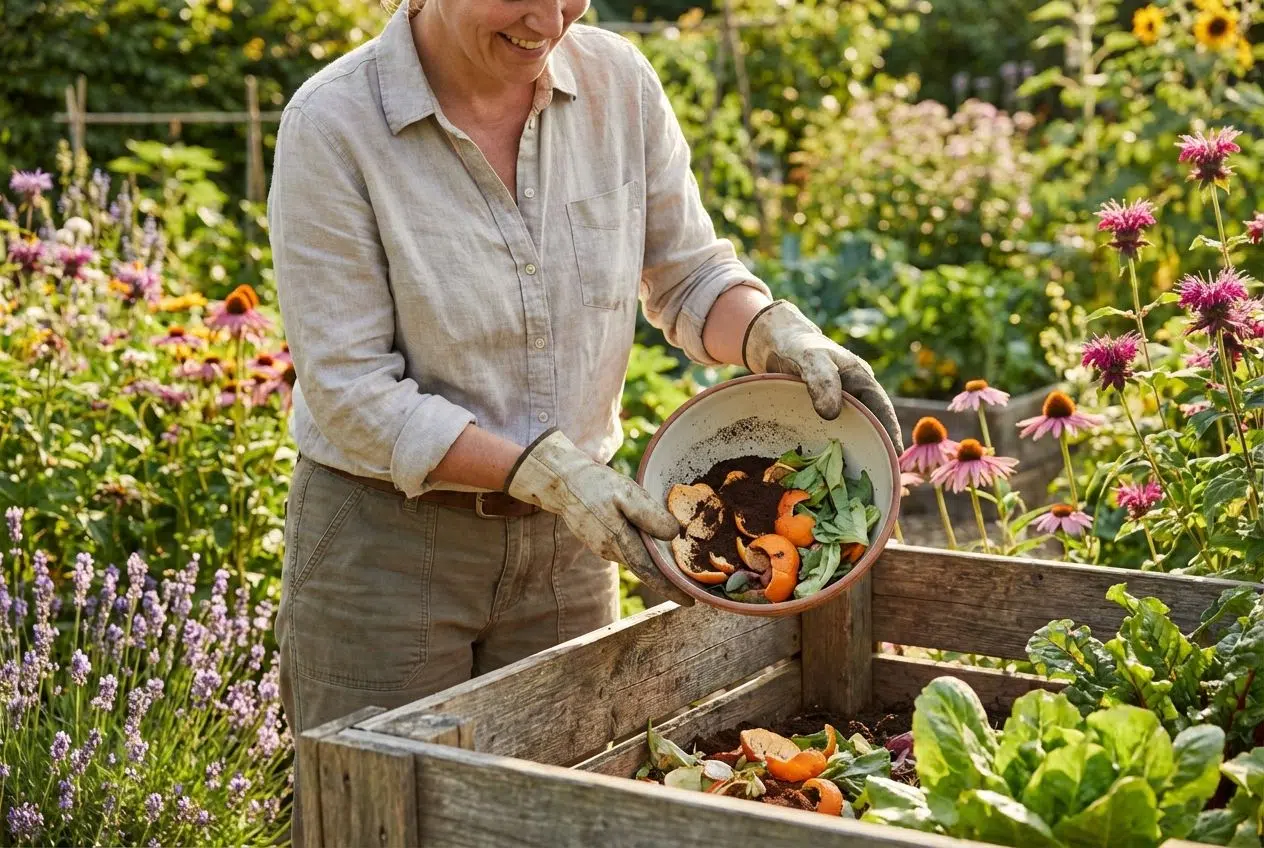
- Compost your scraps: Turn coffee grounds and leaves into rich soil for your garden beds.
- Plant for pollinators: Use a mix of flowers to invite bees and butterflies that boost biodiversity.
- Keep the soil covered: Use mulch or grass clippings so your soil stays moist and healthy.
- Collect rainwater: Use barrels to catch rain instead of letting it wash away.
Look for the Regenerative Organic Certified (ROC) label when you shop. It’s the gold standard for food grown in healthy soil. Every choice helps restore ecosystem balance right where you live.
The Bottom Line
Regenerative agriculture shows real promise for the future. It puts soil health, sustainable farming, and ecosystem restoration at the center stage.
Farms using regenerative practices store more carbon in the ground. This helps slow down climate change and gives plants a healthy home to grow strong roots. Farmers who use crop rotation and organic tools see better yields over time. Their land bounces back after drought or storms. These methods boost biodiversity too; birds and insects return to fields once lost to chemicals.
Families can breathe easier knowing their food comes from caring hands working with nature instead of fighting against it.