

The decision to buy or sell property is often one of the most significant financial and personal undertakings an individual or family will experience. It’s a journey typically filled with excitement, anticipation, and substantial investment. However, beneath the surface of architectural dreams and market negotiations lie intricate legal complexities that, if unaddressed, can swiftly transform anticipation into frustration and investment into risk.
Real estate deals, regardless of their apparent simplicity, are vulnerable to myriad pitfalls that can derail the entire process, including:
- Undisclosed property defects: Issues not revealed by the seller that surface after the sale.
- Title complications: Disputes over ownership or liens on the property.
- Financing failures: Buyers are unable to secure the necessary loans.
- Contractual disputes: Disagreements over terms or breaches of agreement.
- Zoning or regulatory issues: Unforeseen restrictions on property use.
This article illuminates how the absence of professional legal guidance can cause these transactions to unravel rapidly, underscoring the indispensable role of expert counsel in ensuring a smooth, secure, and successful outcome for all parties involved.
The Initial Stages: Offers, Contracts, and Due Diligence
The real estate journey formally begins with an offer, a seemingly straightforward document that, once accepted, typically transforms into a legally binding purchase agreement. This initial contract lays the groundwork for the entire transaction, outlining crucial terms such as price, timeline, and contingencies. Following acceptance, the due diligence period commences—a critical phase where the buyer thoroughly investigates the property. This involves professional inspections to uncover hidden structural or system defects, appraisals to confirm market value, and detailed title searches to ensure the property can be transferred free of encumbrances. These critical steps are often best navigated with the experienced eye of a REAL ESTATE ATTORNEY IN BOISE, IDAHO. Common issues that frequently surface at this early stage include unexpected repair needs highlighted by inspections, appraisal values falling short of the agreed price, or even undisclosed historical property issues, all of which can quickly jeopardize the deal if not expertly managed.
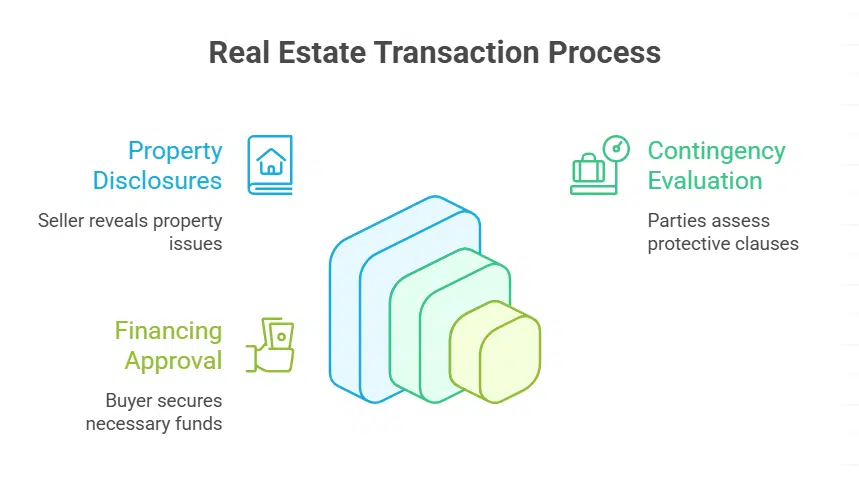
As a real estate transaction progresses, it becomes a delicate balance of disclosures, contingencies, and securing robust financing. Property disclosures are legally mandated statements from sellers, revealing known defects or issues, and any misrepresentation here can lead to significant legal liabilities. Contingencies, such as those related to inspection outcomes, financing approval, or the sale of the buyer’s current home, act as protective clauses, allowing parties to withdraw from the agreement under specific conditions. Their careful drafting and negotiation are paramount.
| Key Element | Purpose | Potential Pitfalls |
| Disclosures | Sellers reveal known property defects and issues. | Misrepresentation or omission can lead to legal action. |
| Contingencies | Clauses allowing parties to withdraw if conditions aren’t met. | Poor drafting can create loopholes; missed deadlines. |
| Financing | Buyer secures a loan for the purchase. | Delays in approval, appraisal gaps, and changes in interest rates. |
Securing financing is another major hurdle; delays in loan approval, unforeseen credit issues, or changes in interest rates can derail a deal even at the eleventh hour. Each of these elements adds layers of complexity, demanding meticulous attention to detail to ensure that all conditions are met, risks are mitigated, and the transaction progresses securely towards closing.
When Disputes Arise: Litigation and Resolution
Despite careful planning, real estate transactions can unfortunately devolve into contentious disputes, leading to significant stress and financial drain for all involved. Common reasons for these conflicts include breaches of contract, where one party fails to uphold their agreed-upon obligations, or the discovery of undisclosed defects in a property after the sale is complete. Boundary line disagreements, escrow disputes over funds, or issues arising from property liens can also quickly escalate.
When these complex property disputes intertwine with inheritance challenges or issues related to a trust, the legal landscape becomes even more intricate. In such situations, the specialized expertise of an ESTATE AND TRUST LITIGATION ATTORNEY IN BOISE, IDAHO, becomes critical. These legal professionals are equipped to navigate the complexities of both real estate and estate law, working to resolve conflicts through negotiation, mediation, or, if necessary, assertive representation in court, aiming to protect their clients’ interests and assets.
Beyond Standard Sales: Specialized Real Estate Scenarios
While the purchase or sale of a residential home is a common real estate transaction, the field encompasses a vast array of specialized scenarios, each with its unique legal complexities. Commercial property transactions, for instance, involve distinct zoning regulations, environmental considerations, and lease agreements that differ significantly from residential sales. Land development projects require navigating intricate planning and permitting processes, often involving multiple governmental bodies and complex land use laws. Easements, shared driveways, mineral rights, and water rights can add layers of complication, requiring careful legal analysis to prevent future disputes. These nuanced transactions demand a heightened level of due diligence and meticulously drafted contracts to account for every potential variable. Without tailored legal advice, parties engaging in these specialized real estate ventures risk significant financial exposure and unforeseen complications that can quickly unravel their carefully constructed plans.
Protecting Vulnerable Parties: Guardianships and Property Management
Real estate transactions can become particularly sensitive and legally intricate when they involve individuals who are unable to make independent decisions regarding their property. This often applies to minors who inherit real estate or incapacitated adults who may no longer possess the mental capacity to manage their assets. In such cases, legal mechanisms like guardianships or conservatorships are established to protect the individual’s interests. The sale or management of property under a guardianship is subject to strict legal requirements and court oversight, designed to ensure that any actions taken are solely for the benefit of the vulnerable party. Navigating these processes, from obtaining court approval for a sale to ensuring proper fiduciary duties are met, requires specialized legal and administrative support. For those in the Boise area, GUARDIANSHIP SERVICES IN BOISE, IDAHO, provide the necessary legal safeguards and meticulous management, ensuring that property transactions for protected individuals are handled ethically, efficiently, and in full compliance with the law.
Conclusion
Real estate deals, whether buying a first home or handling complex commercial properties, represent significant investments and often carry profound emotional weight. The potential for these transactions to unravel quickly due to unforeseen legal hurdles or contractual missteps is a tangible risk. Therefore, engaging expert legal guidance is not merely an additional expense; it is a vital investment in security and future peace of mind. Proactive legal involvement minimizes risks, prevents costly disputes, and ensures that every detail aligns with your objectives and legal requirements. Ultimately, the confidence that comes from knowing your real estate transaction is soundly managed by a seasoned legal professional transforms a high-stakes endeavor into a secure and successful outcome, allowing you to move forward with certainty.