

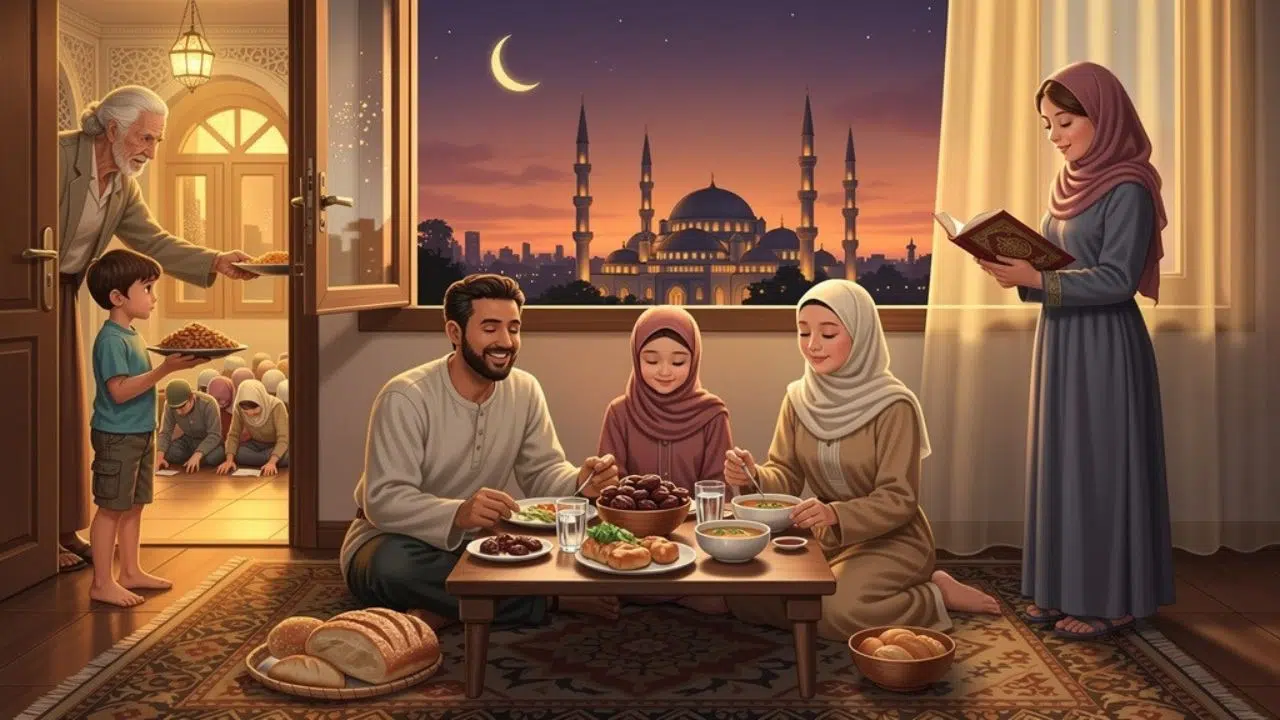
You might wonder why Ramadan means so much to Muslims around the world. Every year, this special month brings families together for prayer and fasting. Muslims wake up before sunrise for a meal called suhoor. They break their fast at sunset with a meal called iftar. The month of Ramadan follows the lunar calendar, which means it moves through different seasons each year.
This guide will help you understand what happens during this holy time. You’ll learn about daily fasting, special prayers, and reading the Quran. Let’s explore how Muslims celebrate this important month!
What is Ramadan?
The Islamic calendar has 12 months, just like the regular calendar you use. Ramadan is the ninth month. It moves about 10 or 11 days earlier each year on your regular calendar. This happens because Muslims follow the moon, not the sun.
During Ramadan, something special happened long ago. Prophet Muhammad received messages from God through an angel named Gabriel. These messages became the Quran, which is the holy book of Islam. Muslims read this book every day, especially during Ramadan.
Adult Muslims practice sawm during this month. Sawm means not eating or drinking from dawn to sunset. The sun comes up, and they stop eating. The sun goes down, and they can eat again. Not everyone has to fast though. Children, old people, sick people, and pregnant women don’t have to fast. Mothers who are nursing babies can skip fasting too.
Some people say “Ramadan,” but the proper way is to say “month of Ramadan.” This shows respect. Different countries have different names for it. Some call it Ramazan or Romzan. Fasting during Ramadan is one of the Five Pillars of Islam. These pillars are the most important parts of being Muslim.
When Does Ramadan Take Place?
Finding when Ramadan starts is like a treasure hunt in the sky. People look for a thin crescent moon after sunset. When they spot it, Ramadan begins! The month lasts 29 or 30 days. It ends when the next new moon appears.
Different countries might start on different days. Some people look at the moon with their own eyes. Others use math and telescopes to figure it out. Many Muslims follow what Saudi Arabia announces. Your neighbor might start fasting a day before or after you do.
Ramadan happens at different times each year. In 2024, it was from March 11 to April 9. By 2027, it will start in February. Here’s something cool: in 2030, there will be two Ramadans! One starts in January and another in December of the same year.
Each day in the Islamic calendar starts at sunset, not midnight. This is different from the calendar you use at school. When the sun sets, Muslims know a new day has begun. They count their days from evening to evening during this blessed month.
Key Religious Practices During Ramadan
Muslims follow special practices during Ramadan that bring them closer to God. These traditions help them remember what’s important in life.
Fasting from Dawn to Dusk
Fasting means no food or water passes your lips from dawn until sunset. Families wake up early for suhoor, which is like a pre-dawn breakfast. They eat dates, bread, eggs, and drink plenty of water. This meal gives them energy for the day ahead.
When sunset arrives, Muslims break their fast with iftar. Most people start with dates and water, just like Prophet Muhammad did. Then comes a bigger meal with family and friends. The table fills with delicious food and happy faces.
Fasting isn’t just about food though. Muslims also try to avoid arguing, gossiping, and bad habits during daylight. The Quran gives clear rules about who can skip fasting. Sick people, travelers on long trips, and pregnant women don’t have to fast. Old people and young children are also excused.
Some places have super long fasting days. In Iceland or Norway, Muslims might fast for 22 hours straight during summer! Fasting helps Muslims develop taqwa. Taqwa means being aware of God in everything you do.
Nightly Prayers (Taraweeh)
After breaking their fast, many Muslims go to the mosque for special prayers called Taraweeh. These prayers happen only during Ramadan. People stand in long rows, shoulder to shoulder. The room fills with the sound of the Quran being recited.
Taraweeh prayers aren’t required, but families love them. Kids sometimes join for a few rounds before getting sleepy. The last ten nights feel extra special. Mosques stay open late, and some people pray all night long.
These prayers bring the community together. Everyone feels connected through their faith. The peaceful feeling in the mosque makes people forget about their busy lives for a while.
Recitation of the Quran
Reading the Quran becomes extra important during Ramadan. Many Muslims try to read the whole book in 30 days. They divide it into 30 parts called juz. One part gets read each day.
Families gather to listen to the Quran after iftar. Parents help children practice reading. Friends share their favorite verses with each other. The words bring comfort and hope during the long fasting days.
One night during Ramadan is very special. It’s called Laylat al-Qadr, or the Night of Power. Muslims believe good deeds on this night count more than deeds from 1,000 months! Everyone tries extra hard to pray and read the Quran on this night.
Acts of Charity (Zakat and Sadaqah)
Giving to others grows stronger during Ramadan. Zakat is required charity that Muslims must give. Many people pay their yearly zakat during this month. Good deeds get extra rewards during Ramadan, so people give more.
Sadaqah is extra charity you give from your heart. It can be money, food, or even a smile to someone sad. Small acts count too. Sharing your iftar meal or helping a neighbor carries groceries are types of sadaqah.
A study from 2022 showed that 73% of Muslims gave to charity during Ramadan. About 62% planned to give even more the next year. Mosques organize food drives and community iftars. They raise money for families who need help.
Kids learn about giving by watching adults. About 60% of people volunteered their time last year. Helping others is just as important as praying. Prophet Muhammad taught that kindness and mercy matter most during these blessed days.
Cultural Practices During Ramadan
Ramadan brings special traditions that make the month feel magical. Families and communities create memories that last all year.
Special Family Gatherings
Iftar becomes the best part of the day for many families. Everyone gathers around the table as the sun sets. People say “Ramadan Mubarak” or “Ramadan Kareem” to wish each other well. These greetings mean “Blessed Ramadan” and “Generous Ramadan.”
Mosques open their doors for community iftars too. Neighbors from different backgrounds come to eat together. Rich and poor sit side by side, sharing the same meal. These gatherings show that everyone is equal.
Before dawn, families crowd around the breakfast table for suhur. Sleepy children munch on dates while parents sip tea. After sunset, the house fills with laughter and the smell of good food. Later at night, families pray Taraweeh together at home or at the mosque.
Traditional Foods for Suhoor and Iftar
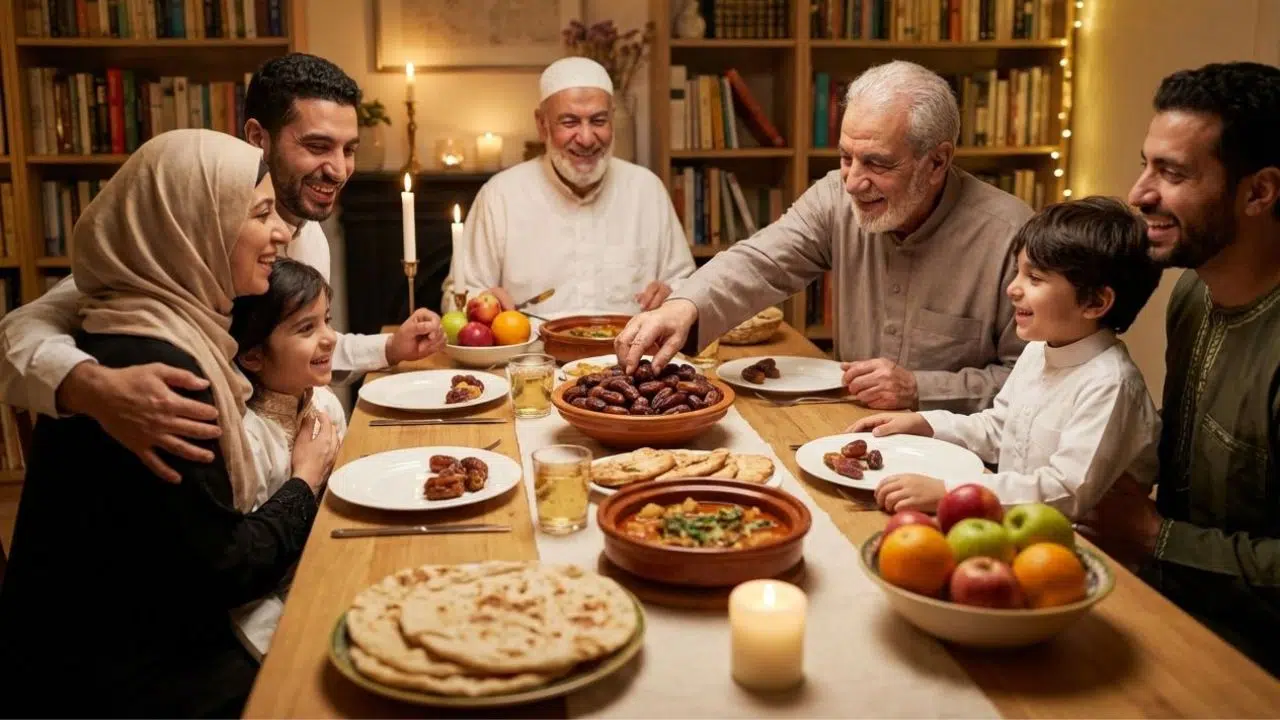
Muslims eat special foods during Ramadan. For suhoor, they choose foods that keep them full. Rice, bread, eggs, and fruits are popular choices. Dates are very important because Prophet Muhammad ate them. People drink lots of water and milk to stay hydrated.
Iftar starts simply with dates and water or juice. Then the real feast begins! Tables overflow with lamb stews, roasted chicken, fresh salads, and sweet desserts. Each country has its own special dishes.
In Indonesia, people roast whole cattle over fires. Central Java has a special snail dish. Old Dhaka’s Chowk Bazaar sells spicy fried snacks and fragrant biryani every evening. Some mosques beat large drums called bedug to announce iftar time.
Community Events and Celebrations
Streets come alive with colorful fanous lanterns during Ramadan. This tradition started with the Fatimid Caliphate long ago. In Old Dhaka, groups walk through streets singing qasidas. These songs wake people up for sehri.
Jakarta lights up with firecrackers every night, even though they’re not officially allowed. Workers in Indonesia look forward to Tunjangan Hari Raya. This is a bonus equal to one month’s salary given before Eid al-Fitr.
Java has a tradition called Padusan. People take ritual baths at springs before fasting starts. The city of Semarang holds the Dugderan carnival. Kids love seeing the warak ngendog, a pretend animal in the parade.
Special drummers wake people for suhoor in different ways. Middle Eastern countries have Mesaharati drummers who walk through alleys. Southeast Asia uses kentongan slit drums. These sounds remind everyone that morning meal time is near. All these traditions help communities celebrate together during this sacred time.
Significant Dates in Ramadan
Several important dates make Ramadan extra special for Muslims worldwide.
The Start of Ramadan
Ramadan begins with moon watching. After the new moon, people search the sky for a thin crescent. Some use telescopes while others rely on their eyes alone. This tradition connects Muslims to centuries of moon watchers before them.
Countries might start Ramadan on different days. In 2026, Saudi Arabia announced that Wednesday, February 18 will be the first day of fasting. This follows the Umm al-Qura calendar that many Muslims use worldwide.
Families make it fun by watching for the moon together. They stand outside after sunset, scanning the horizon. When someone spots the crescent, everyone celebrates. People greet each other with “Ramadan Kareem” or “Ramadan Mubarak.” The month of fasting has begun!
Laylat al-Qadr (The Night of Power)
Laylat al-Qadr is the holiest night of the year for Muslims. Most believe it falls on one of the odd nights in the last ten days of Ramadan. Some groups, like Dawoodi Bohra Muslims, celebrate it on the 23rd night.
This was the night when Prophet Muhammad first heard God’s words through Angel Jibril. The Quran says this one night is better than a thousand months. That’s more than 83 years of worship!
Mosques stay packed all night with people praying and reading the Quran. Soft prayers fill the air until dawn. Families pray extra Taraweeh prayers together. Everyone gives more charity and shows extra kindness. Muslims hope for forgiveness and blessings on this powerful night.
Eid al-Fitr (Celebration at the End of Ramadan)
Eid al-Fitr arrives like a birthday party after a month of fasting! The celebration starts when people see the new moon. If they don’t see it after 30 days, Eid begins anyway.
Families dress in their finest clothes on Eid morning. Children bounce with excitement about gifts and money they’ll receive. Everyone goes to the mosque for special sunrise prayers. Streets fill with people saying “Eid Mubarak” to everyone they meet.
Homes smell amazing with fresh bread and sweet treats made just for Eid. Before the prayers, Muslims give charity called zakat al-fitr. This ensures poor families can celebrate too.
Cities from Cairo to Jakarta burst with joy on this day. Families feast together and share stories. Children play outside with their new toys and treats. Music and laughter fill the air. After a month of fasting and prayer, Muslims celebrate completing their religious duty. It feels like turning the page to a bright new chapter.
Fasting Exemptions
Not every Muslim needs to fast during Ramadan. Islam has kind rules for people who might get hurt by not eating or drinking all day.
Children and the Elderly
Kids don’t have to fast until they reach puberty. But many get excited to try around age 7. They might fast for half a day just to feel included. Some mosques throw little parties when a child completes their first full day of fasting. It’s like getting a gold star at school!
Older adults can skip fasting if it might hurt their health. Heart problems or other serious conditions make fasting dangerous. The Quran says these exemptions are okay. Islam cares more about keeping people safe than following strict rules.
Even if they can’t fast, elderly people stay involved in Ramadan. They give extra charity like zakat al-fitr. They help with community events and celebrations. Everyone has a role during Ramadan Mubarak and the Eid al-Fitr festival.
Pregnant Women and the Sick
Pregnant women, nursing mothers, and very sick people don’t have to fast. The Quran shows kindness to people with health needs. Doctors warn that pregnant women face risks if they don’t eat for long hours. Problems like early labor or diabetes can happen.
People with kidney disease need to be careful about fasting. Their kidneys might get damaged without enough water. But some people who had kidney transplants can fast safely. Most people who had kidney stones can fast too.
Islam has a solution for people who miss fasting days. They can make up the days later when they feel better. Sometimes they can give charity called fidya instead. This money feeds poor people who need food. These rules show that Islam values mercy and care above everything else during this holy month.
Observing Ramadan in Unique Conditions
Some Muslims face unusual challenges when fasting. They find creative ways to observe Ramadan no matter where they are.
Ramadan in Polar Regions
Imagine fasting for 22 hours straight! That’s what Muslims in Iceland and Norway face during summer Ramadan. The sun barely sets in places like Reykjavik and Trondheim. This makes fasting super challenging.
Muslims there follow different rules to make fasting possible. Some follow the prayer times from Mecca. Others pick a nearby city with normal sunrise and sunset times. Islamic scholars help them figure out what works best.
The lunar calendar means Ramadan moves through all seasons. Muslims in Chile, New Zealand, and South Africa start with 14 to 15 hour fasts. The days get shorter as the month goes on. Islamic relief groups give advice based on local prayer times. Some check global religious rulings for help.
Nature throws curveballs, but Muslims everywhere do their best. They honor fasting even when the midnight sun shines all day long.
Ramadan in Earth Orbit
Astronauts see 16 sunrises and sunsets every single day on the space station! Muslim astronauts can’t fast using Earth’s schedule. They follow the time from their last city on Earth instead.
Space agencies work with religious scholars to help. NASA and other groups create special guides for Muslim astronauts. These guides explain how to pray and fast in zero gravity.
Islamic Relief Worldwide offers advice for tough situations like this. Prophet Muhammad never went to space, of course. But his teachings still guide Muslims floating above Earth. Faith reaches beyond gravity’s pull!
Health Considerations During Ramadan
Fasting affects your body in different ways. Most healthy adults can fast safely with the right preparation.
Benefits of Fasting
Your body changes in good ways when you fast. Scientists found that fasting improves how your body uses sugar. This is called insulin sensitivity. Better insulin sensitivity can lower your risk for heart disease over ten years.
Many people see their blood pressure drop during Ramadan. Their cholesterol levels get better too. Weight, waist size, and BMI often improve. Some people gain the weight back after Eid because of big iftar meals. But the health benefits still count.
Healthy adults usually fast without problems. They just need enough water and good food between sunset and dawn prayers. Small drops in blood pressure help your heart work better. Your heart doesn’t have to pump as hard.
Prophet Muhammad taught that taking care of yourself is part of faith. Looking after your health fits perfectly with Islamic traditions. This holy month on the lunar calendar can actually make you healthier!
Managing Health Conditions While Fasting
Some people need to be extra careful during Ramadan. The elderly, sick people, pregnant women, and nursing mothers can skip fasting. Islam puts health first. These groups should listen to their doctors.
Pregnant women face special risks if they fast. They might go into labor early. Some develop diabetes during pregnancy. People with kidney disease could hurt their kidneys by fasting. But kidney transplant patients usually fast safely. Most people with kidney stones can fast too.
Tell your boss about Ramadan if you’re working. Fasting might affect how well you concentrate. Schools in Berlin and the UK sometimes tell students not to fast. They worry about kids having enough energy to learn.
Athletes need to adjust their training. A study of 55 soccer players in Algeria found something interesting. They couldn’t run as fast during Ramadan. Their agility dropped too. These effects lasted two weeks after Eid al-Fitr ended!
Talk to others if you need help managing your health during Ramadan. People can support you through prayer and charity. They understand that everyone’s situation is different. Your mosque community wants to help you observe Islamic traditions safely.
Final Thoughts
Ramadan brings Muslims together in beautiful ways. Families wake up before dawn to share suhoor. They gather again at sunset for iftar. Every prayer feels more meaningful. Each act of kindness shines brighter during this special month.
The month teaches patience, gratitude, and compassion. Children learn about their faith by watching adults fast and pray. Communities grow stronger through shared meals and worship. After 30 days of fasting, Eid al-Fitr arrives with pure joy.
Ramadan shows us that faith is about more than rules. It’s about coming together, helping others, and growing closer to God. The traditions passed down through generations keep Muslim communities connected worldwide. Ramadan Mubarak to all who observe this blessed month!































