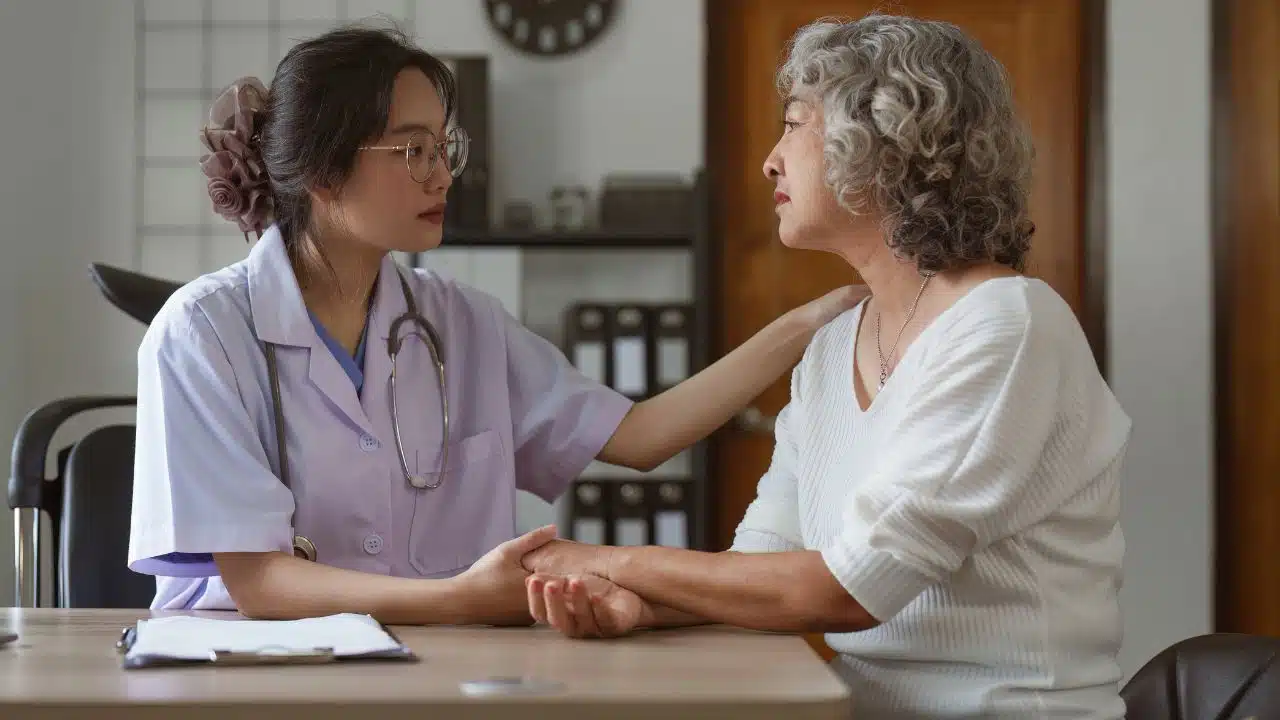
The golden years should shine with the promise of wellbeing, yet for many women over 60, accessing quality primary healthcare remains a barrier. The challenges extend from physiological changes to the complexities of healthcare systems that do not always prioritize the unique needs of older women.
Ensuring the health needs of this demography are met isn’t just a nicety—it’s a necessity. Responsive healthcare can transform the quality of life for women in their senior years. In this article, we delve into the significance of such care, the distinctive health challenges faced, and ways to enhance access and effectiveness.
The Importance of Tailored Primary Healthcare for Women Over 60
As women age, the approach to healthcare requires thoughtful personalization. The dynamism of women’s health after 60 demands a healthcare system that can respond to complex, often intertwining conditions. Traditional health services may overlook the subtle signs of illness in older women, making tailored care a critical component for diagnosing and managing health issues effectively.
Conditions like osteoporosis, menopause-related changes, and a heightened risk for certain types of cancer become more prevalent after 60. A primary care provider who is attuned to these shifts can offer preventive guidance and personalized treatment plans. Holistic approaches that incorporate mental and emotional wellbeing alongside physical health are instrumental in this population.
Good healthcare involves more than treating illnesses—it’s about fostering ongoing wellness. Herself Health provides primary healthcare for women 60+. They understand that preventive strategies, thoughtful care coordination, and attention to lifestyle and nutrition can all play a significant role in maintaining vitality throughout the senior years.
Unique Health Challenges for Aging Women
Women over 60 often face a host of health challenges unique to their gender and age. Hormonal changes post-menopause can significantly impact bone density, cardiovascular health, and overall metabolism. These transitions necessitate a healthcare provider with a keen understanding of how these factors interact and influence a woman’s body.
Older women are more susceptible to chronic conditions such as arthritis, hypertension, and diabetes; however, they are also at risk for issues that are less frequently discussed like urinary incontinence and sexual health concerns. Recognizing and openly discussing these conditions with a trusted healthcare provider can significantly improve quality of life.
Another consideration is mental health, as older women may experience depression, anxiety, or cognitive decline. Ensuring that primary care includes mental health screenings and resources is vital. The stigma surrounding mental health often prevents older women from seeking help, underscoring the need for compassionate and comprehensive care.
Strategies for Enhancing Access to Quality Primary Care for Older Women
One of the principal hurdles in delivering care to women over 60 is the access to healthcare services. Geographic, financial, and systemic barriers often stand in the way. To enhance access, healthcare providers and policymakers must evaluate and create programs that cater to this segment’s specific needs.
Telehealth has emerged as a powerful tool in breaking down geographic and mobility barriers, offering older women the chance to consult their healthcare providers from the comfort of their homes. This also allows for frequent monitoring of chronic conditions without the inconvenience of travel.
Ensuring affordability and insurance coverage for essential services plays a significant role in enhancing access. Programs targeted at senior women can help make preventive services and treatments for chronic conditions more affordable and accessible, reducing the financial strain on individuals.
Empowering Older Women Through Education and Community Support in Healthcare Choices
Education is a powerful tool for empowerment, and nowhere is this truer than in healthcare decisions for older women. Providing them with comprehensive information about their health and the services available to them can lead to more informed and confident healthcare choices.
Community support groups and interest-based clubs can also play a substantial role in promoting health and wellbeing. They provide social connections that combat isolation, which can negatively impact physical and mental health. Moreover, these groups often serve as platforms for sharing experiences and strategies for managing health conditions.
Overall, the provision of tailored, accessible, and preventive primary healthcare services is not just beneficial but is essential for women over 60. Through education, community support, and the integration of specialized care routines, we can ensure that the health and vitality of older women receive the attention and respect they deserve.