

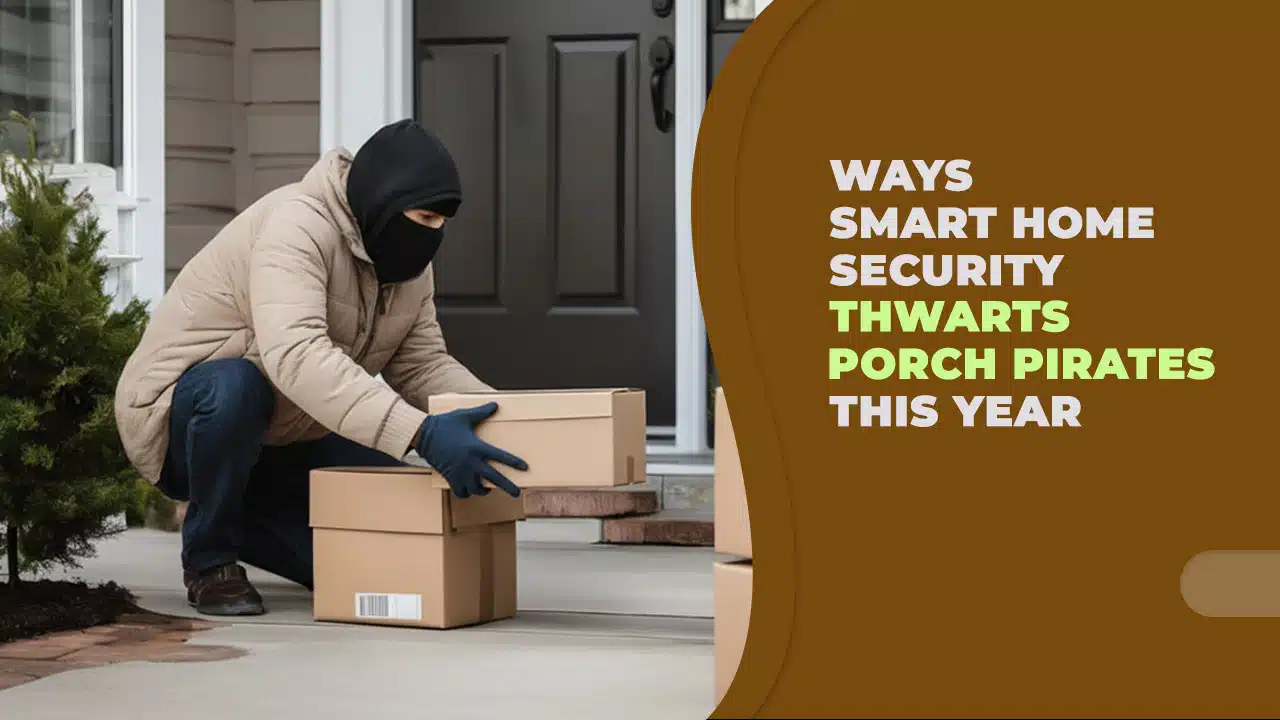
There are few feelings more frustrating than receiving a “Delivered” notification on your phone, only to arrive home to an empty doorstep. Porch piracy has evolved from an occasional nuisance into a widespread issue affecting millions of households annually, resulting in billions of dollars in lost goods. The old strategy of “hoping for the best” is no longer viable. Fortunately, smart home technology has evolved faster than the thieves. To effectively prevent porch pirates, modern security systems have shifted from passive recording devices to proactive defense mechanisms designed to deter theft before it happens.
This guide explores the 11 most effective ways today’s smart home security technology thwarts delivery theft, turning your front porch from an easy target into a miniature fortress.
Key Takeaways: The Layered Defense Strategy
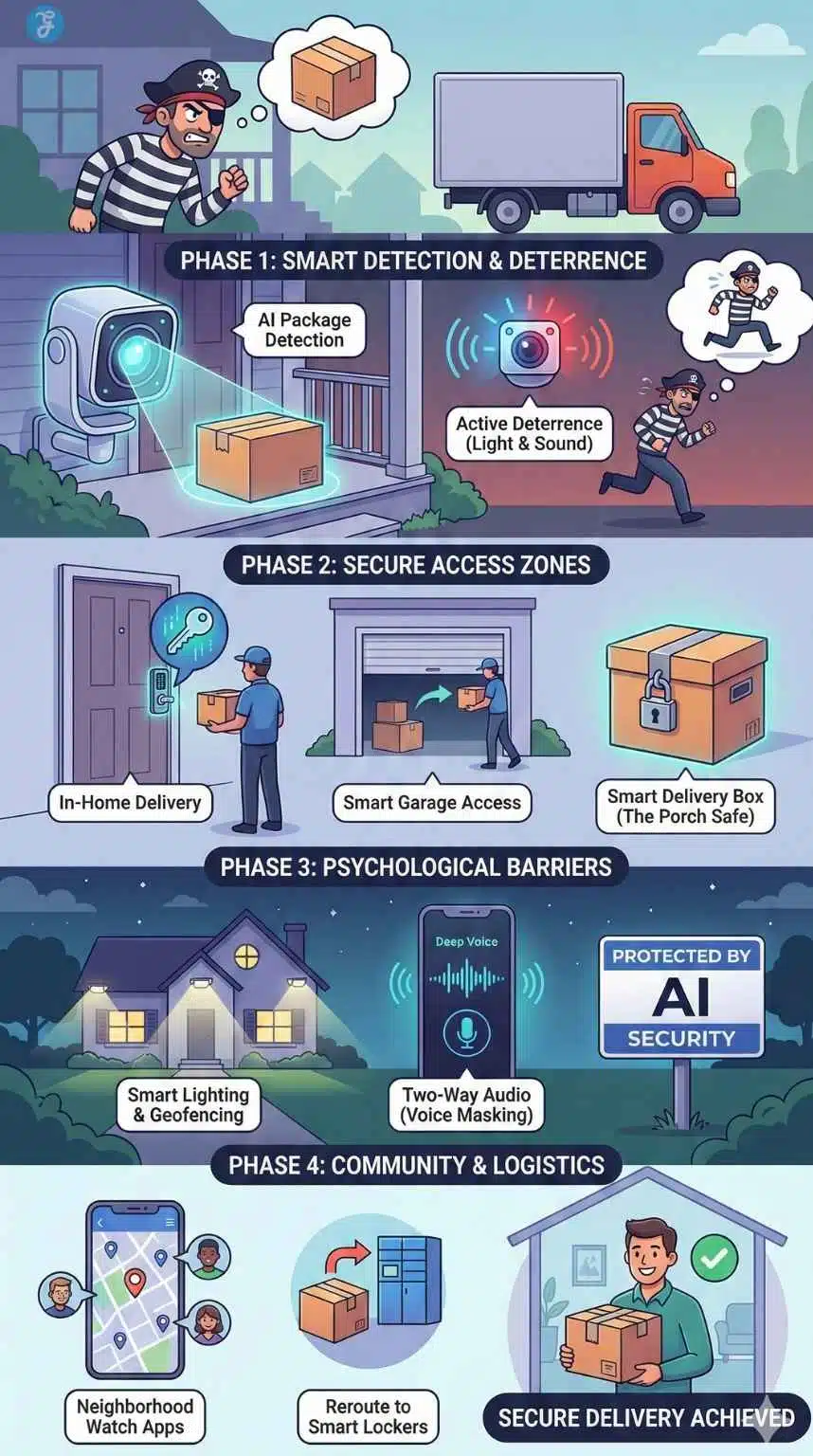
If you want to stop package thieves, you need more than just a camera. You need a layered approach.
-
Layer 1- Proactive Detection: Moving beyond simple motion sensors to AI that recognizes packages and people instantly.
-
Layer 2- Active Deterrence: Using light, sound, and real human voices to scare off intruders in real-time.
-
Layer 3- Secure Access: Removing the opportunity entirely by providing secure, lockable spaces for deliveries.
-
Layer 4- Community Intelligence: Using neighborhood networks to track thief activity in your immediate area.
The Rising Threat of “Porch Piracy”
To understand how to defeat these thieves, you first have to understand how they operate. Porch piracy is rarely a premeditated, complex heist; it is a crime of extreme opportunity and speed. Industry reports indicate that most package thefts occur within minutes of a delivery truck departing. “Tailgaters”—thieves who follow delivery vehicles through neighborhoods—scan doorsteps for visible boxes and can strike in less than 60 seconds.
Because online shopping has transformed from a holiday convenience to a daily necessity, the number of targets has exploded. Thieves know that our porches are now constant sources of electronics, medication, and high-value goods. This shift means that an empty porch in the morning might be a target by the afternoon, requiring a security solution that is always awake and always watching.
Why Traditional Hiding Spots Fall Short
For years, homeowners relied on “analog” methods to prevent porch pirates. We left notes asking drivers to “hide it behind the planter” or tried to rush home during a lunch break. Unfortunately, these passive strategies are no longer effective against bold, modern thieves who know exactly where to look.
A hidden key under the mat or a note on the door often signals to a criminal that no one is home, inadvertently making your house a more attractive target. To truly secure your deliveries, you cannot rely on obscurity; you need a system that actively detects threats and grants you control over your property, even when you are miles away. This is where the smart home ecosystem takes over.
Phase 1: Detection and Active Deterrence
The biggest shift in home security is the move from “reactive” (watching footage of a crime that already happened) to “proactive” (intervening while the crime is being attempted). The goal is to make the thief decide your house isn’t worth the risk.
1. AI-Powered Package Detection
In the past, security cameras relied on pixel-based motion detection. If a tree branch blew in the wind or a car drove by, you got an alert. This led to “alert fatigue,” causing homeowners to ignore notifications completely.
Modern smart video doorbells and outdoor cameras now utilize advanced Artificial Intelligence (AI) and machine learning. These cameras can distinguish between a person, an animal, a vehicle, and, crucial to our goal, a cardboard box.
How it Thwarts Thieves:
When a delivery driver drops off a box, the camera recognizes the object’s geometry and sends a specific alert to your phone, such as “Package detected at front door.” More importantly, some advanced models will continue monitoring that specific object. If someone other than a verified resident approaches and lifts the box, the system sends a frantic, high-priority alert like “Package removed!” allowing you to act immediately.
| Feature | Old Motion Detection | AI Package Detection |
| Trigger Mechanism | Any pixel change in view | Specific object recognition (box shape) |
| False Alarms | High (wind, shadows, cars) | Very Low |
| Alert Specificity | “Motion detected” | “Package delivered” / “Package taken.” |
| Effectiveness | Low | High |
2. “Active Deterrence” Cameras with Light and Sound
A standard security camera is passive; it just watches. A thief wearing a hoodie and a mask often doesn’t care if they are being recorded because they know the police response time is slow.
“Active Deterrence” cameras take a proactive stance. These devices are equipped with integrated spotlights, red and blue flashing LEDs (mimicking police lights), and loud sirens.
How it Thwarts Thieves:
You can configure these cameras to arm automatically at certain times or when you leave the house. When the AI detects a human form crossing onto your porch while a package is present, the camera springs to life. It will blast the area with light, flash warning colors, and sound a siren. This sudden, aggressive response destroys the thief’s cover of stealth, drawing immediate attention from neighbors and causing the thief to flee.
3. Live Professional “Guard” Monitoring
This is perhaps the most formidable deterrent available today. While standard professional monitoring calls the police after an alarm is triggered, “Live Guard” services use real-time video verification.
Companies offering this service employ trained security agents who monitor camera feeds when triggered by suspicious activity. They don’t just watch; they can speak through the camera’s two-way audio using an authoritative voice.
How it Thwarts Thieves:
Imagine a pirate stepping onto your lawn. Suddenly, a loud, clear voice booms from your camera: “Hey you in the blue jacket! This is security. You are being recorded and police are being dispatched. Leave the premises immediately.”
Statistically, very few criminals call this bluff. Being addressed by a live human who can describe their appearance is an incredibly effective psychological deterrent.
Phase 2: Secure Access Control
The best way to prevent porch pirates is to ensure there is nothing on the porch to steal. Secure access technologies allow trusted delivery drivers to place packages inside a secure zone rather than leaving them exposed on the mat.
4. Smart Locks with “In-Home” Delivery Access
Smart locks are increasingly integrating with major logistics and retail delivery services. Programs like Amazon Key allow verified drivers temporary, one-time access to your home.
How it Thwarts Thieves:
When the driver arrives and scans the package, the cloud service verifies they are at the right location at the right time. Your smart lock automatically unlocks. The driver opens the door just enough to slide the package inside, closes the door, and the lock immediately re-engages. You receive a video clip of the entire secure transaction. The pirate driving by never even sees the package.
5. Smart Garage Door Controllers
For many homeowners, the idea of letting a stranger unlock their front door—even a vetted driver—is a step too far. Smart garage door controllers offer the perfect middle ground.
Similar to in-home delivery, these systems link your garage opener to delivery apps. The driver is granted access to open the large garage door, place the package inside, and close it immediately.
How it Thwarts Thieves:
The garage acts as an airlock. It secures the package completely out of sight and behind a locked door, without giving the driver access to the main living area of your house. It is highly secure and removes the temptation from the street view.
6. Smart Delivery Boxes (The “Porch Safe”)
If you don’t have a compatible smart lock or garage opener, the smart delivery box is an excellent, hardware-based solution. These devices look like high-quality deck storage benches or heavy-duty parcel bins, but they contain smart locking mechanisms.
How it Thwarts Thieves:
The box sits on your porch unlocked. When a delivery driver arrives, they lift the lid, place the package inside, and close it. Once closed, the box automatically engages a heavy-duty lock. The box cannot be reopened without your specific PIN code or smartphone app unlock command. To a thief, it just looks like a locked piece of furniture; they cannot access the contents without destroying the box, which takes too much time and creates too much noise.
Phase 3: Psychological and Environmental Barriers
Making your home appear like a “hard target” is often enough to make an opportunistic thief keep driving to the next house. Smart tech helps create an environment that feels hostile to criminals.
7. Automated Smart Lighting Schedules and Geofencing
Porch pirates, especially those operating during early evening hours, rely on shadows and poor lighting to obscure their identity and actions. A dark porch is an invitation.
Smart lighting systems, including smart bulbs and dedicated outdoor floodlights, can be integrated with your security cameras and sensors.
How it Thwarts Thieves:
You can set up automation rules (often called “routines”). For example, if your video doorbell detects motion on the front walk between dusk and dawn, every exterior light on the front of your house instantly snaps to 100% brightness. This “light bomb” effect not only exposes the thief for better video capture but also gives them the distinct sensation of being watched and spotlighted.
8. Two-Way Audio with “Voice Masking”
Almost all modern video doorbells feature two-way audio, allowing you to speak to whoever is at the door through your phone, from anywhere in the world. However, many people are hesitant to confront a potential criminal verbally, fearing retaliation or revealing that they are home alone.
Newer systems address this with “Voice Masking” or pre-recorded “Quick Replies.”
How it Thwarts Thieves:
If you see someone suspicious eyeing a package, you can tap a button in your app to project a loud, deep, authoritative male voice that says, “Can I help you?” or use an automated response like, “Please leave the package at the door; we are unable to come to the door right now.” This creates the illusion of a formidable presence inside the home, even if the house is empty.
9. Visible Deterrence Signs and Stickers
It sounds low-tech, but signage is a crucial psychological component of smart security. Thieves look for the path of least resistance. However, old, faded stickers from defunct security companies don’t work anymore. Thieves know those systems are likely inactive.
How it Thwarts Thieves:
Prominently displaying bright, modern yard signs and window decals from recognizable smart security brands signals that the home is equipped with modern tech. Signs that explicitly state “Premises Monitored by AI Video Surveillance” act as a warning that this house will likely generate an immediate digital alert if approached. It forces the thief to make a risk-versus-reward calculation that usually ends in them choosing a different target.
Phase 4: Community and Logistics
Your smart home system doesn’t operate in a vacuum. Connecting your tech to the wider community and logistical networks provides the final layer of defense.
10. Digital Neighborhood Watch Apps
Many security ecosystems include hyper-local community apps (like Ring Neighbors or Nextdoor integrations). These platforms allow neighbors to share videos and reports of suspicious activity instantly.
How it Thwarts Thieves:
If a pirate hits a house three streets over, that homeowner posts the video of the suspect and their vehicle. You receive an alert on your phone that a theft occurred within a tight radius of your home. Knowing a thief is currently active in your immediate vicinity allows you to preemptively grab any packages off your porch or switch your cameras to maximum sensitivity settings.
11. Delivery Redirection to Smart Lockers
Sometimes, the best way to prevent porch pirates is to ensure the package never arrives at your porch in the first place. While this isn’t installed in your house, smart home apps are increasingly integrating with carrier tracking.
How it Thwarts Thieves:
Your smart doorbell notifies you that a delivery is imminent, but you know you won’t be home for four hours. Instead of letting it sit, you can hop into the integrated carrier app (like UPS My Choice or FedEx Delivery Manager) and reroute the package in real-time to a nearby secure smart locker location or retail access point. You then pick it up securely on your way home using a one-time access code.
3 Common “Security Mistakes” Homeowners Still Make
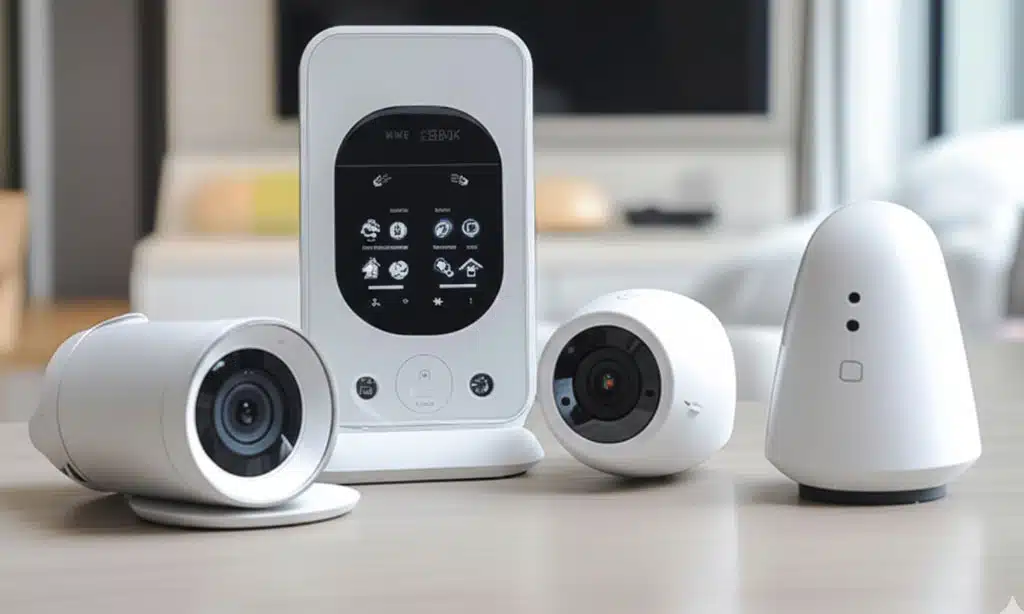
Even with smart technology, human error can leave your porch vulnerable. Avoid these three common pitfalls that negate your high-tech defenses.
-
Relying on “Passive” Notifications: Many users turn off “motion alerts” because they get too many false alarms from passing cars. If you silence your notifications, your $200 smart doorbell becomes nothing more than a GoPro recording a crime you didn’t stop.
Fix: Use “Motion Zones” to only monitor your specific doorstep, not the street.
-
Leaving the “Night Owl” Gap: Most thefts happen during the day, but “night prowlers” are increasingly common. A dark porch is a safe haven for thieves.
Fix: Ensure your smart lights are not just motion-activated but have a low-level “dusk-to-dawn” ambient setting to eliminate pitch-black hiding spots. -
The “Predictable Pattern” Trap: If packages pile up while you are on vacation, you are signaling an empty home.
Fix: If you are away for more than 24 hours, use the “Vacation Hold” feature on the USPS/FedEx/UPS websites to stop delivery completely until you return.
What to Do If Your Package Is Stolen (A 4-Step Action Plan)
Despite your best efforts, a determined thief might still succeed. Here is the immediate protocol to follow to maximize your chances of a refund or recovery.
-
Verify Before You Panic: “False positives” happen often. Check with neighbors (drivers often misread house numbers) and look for “hidden” spots like behind planters or side doors where a driver might have tucked the box.
-
Contact the Retailer First: Large retailers (like Amazon or Walmart) usually have “no-questions-asked” replacement policies for first-time incidents. Report the theft immediately via their app.
-
Check Your Credit Card “Purchase Protection”: Many people forget this perk. Premium credit cards (Amex, Chase Sapphire, etc.) often include insurance that refunds stolen items purchased with that card for up to 90 days.
-
File a Police Report (For the Paper Trail): Police likely won’t dispatch a squad car for a $50 box, but you can often file a report online. You will need this official report number to claim insurance for high-value items.
Pro Tip: The Rise of Police “Bait Packages”
A growing trend in 2024 and 2025 is the collaboration between residents and local law enforcement. Police departments in many major cities are now deploying “Bait Packages”—GPS-equipped boxes placed on volunteering residents’ porches.
-
How it works: You sign up with your local precinct. They place a dummy box on your porch. If a thief grabs it, the GPS triggers a silent alarm at the station, allowing police to track and arrest the thief miles away.
-
Why it matters: Participating in these programs helps clean up your entire neighborhood, not just your doorstep. Check your local city or county website to see if a “Package Theft Task Force” is active in your area.
Summary Table: Comparing Your Anti-Theft Options
If you are looking for where to start, here is a comparison of popular methods based on cost, effort to install, and overall effectiveness at stopping theft.
| Solution | Initial Cost | Installation Effort | Effectiveness | Best For |
| AI Video Doorbell | Low/Mid | DIY (Easy) | Medium (Deterrence) | Everyone (The essential baseline) |
| Smart Lock (In-Home Access) | Mid | DIY (Moderate) | Very High (Prevention) | Trusting users want convenience |
| Smart Delivery Box | Mid/High | None (Place on porch) | High (Prevention) | Homes without compatible doors/garages |
| Live Guard Monitoring | Mid (High monthly) | Professional | Very High (Active) | High-value target homes/areas |
| Visible Signage | Very Low | None | Low/Medium (Psychological) | A necessary add-on to any system |
Frequently Asked Questions (FAQs)
1. Are video doorbells actually enough to prevent porch pirates on their own?
On their own, standard video doorbells are primarily evidence gatherers, not preventers. While the mere presence of a camera deters some opportunistic amateurs, seasoned thieves know that police rarely pursue these crimes based on video alone. To actually prevent theft, a doorbell needs active features like flashing lights, loud sirens, or two-way audio that you are willing to use to confront the thief.
2. Is it really safe to use “In-Home” or garage delivery services?
Statistically, yes, these services are very safe. Drivers for programs like Amazon Key are heavily vetted, and their access is strictly limited to a single entry, only when they have a package to scan at your geo-located door. Furthermore, the entire interaction is recorded by your smart camera. The risk of a vetted driver causing issues is significantly lower than the risk of leaving a valuable package exposed on the street.
3. What is the single most effective method to stop package theft if I have a big budget?
If budget isn’t the primary concern, “Live Professional Guard Monitoring” combined with a secure delivery box is the ultimate defense. Having a real human intervene over a loudspeaker stops almost all casual thieves, and if they persist, they find the package locked inside a heavy-duty container anyway.
4. Do police actually catch thieves using smart home video footage?
Sometimes, but it is rare for a single video to lead to an arrest. The value of the footage increases when it is shared via neighborhood apps. Police are more likely to investigate if they can connect multiple videos from different houses in the same area to identify a repeat offender or a specific vehicle license plate.
5. I rent my home and can’t install smart locks or hardwired cameras. What can I do?
Renters have great options! Battery-powered video doorbells and peephole cameras require no drilling. A smart delivery box (Porch Safe) just sits on the ground and requires no installation. Finally, using smart plugs to automate indoor lamps to make it look like someone is home is a cheap, non-permanent deterrent.
Final Thoughts: Reclaiming Your Doorstep
The battle against porch piracy has shifted. We are no longer helpless victims hoping a thief doesn’t spot our Amazon boxes. By leveraging AI detection, active deterrence, secure access hardware, and community intelligence, homeowners can create a layered defense that makes package theft nearly impossible.
To truly prevent porch pirates, you must move beyond passive observation. Audit your front porch setup today. Are your lights automated? Are your camera alerts tuned for packages? Have you considered a secure drop box? Implementing just a few of these eleven strategies can ensure that the only person opening your deliveries is you.































