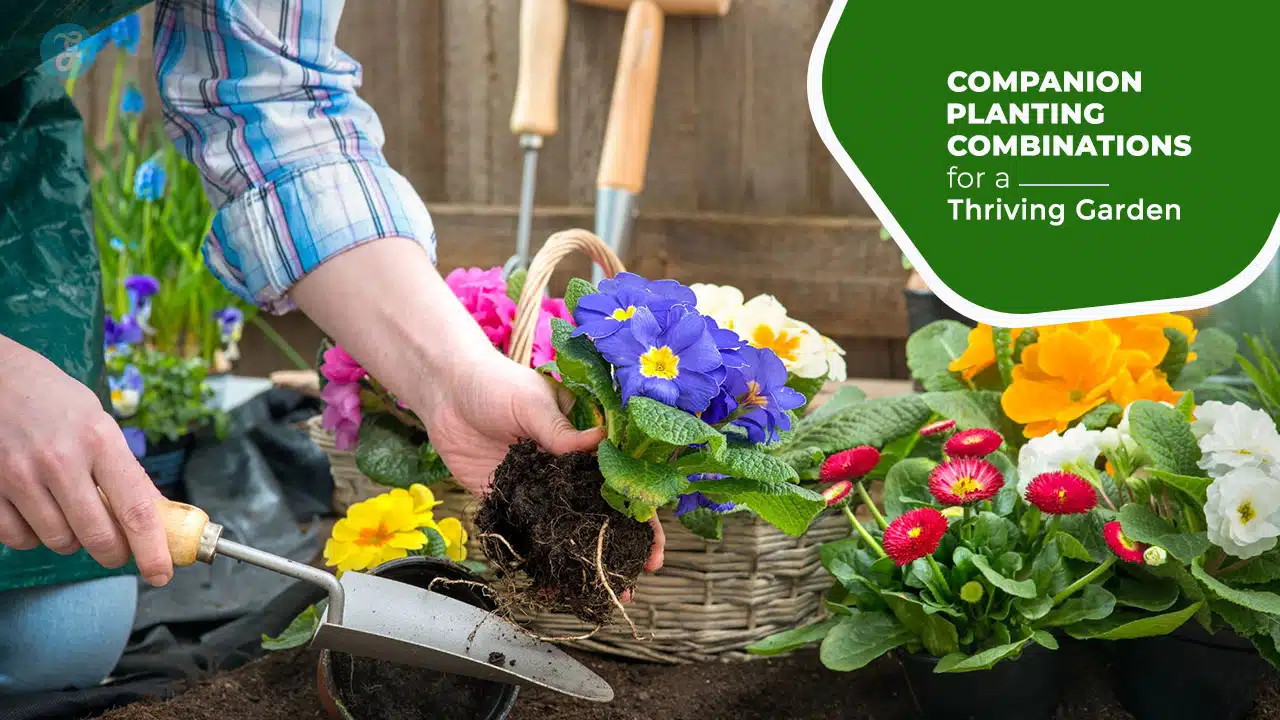
Companion planting is an age-old gardening practice where plants are paired together to enhance growth, deter pests, and improve crop yields. In 2025, as sustainable and organic gardening continues to grow in popularity, understanding the best companion planting combinations is essential for thriving gardens.
This guide explores the top 15 companion planting combinations, offering actionable insights and tips for gardeners of all levels. Whether you are planting vegetables, herbs, or flowers, these combinations will help you create a harmonious and productive garden.
By learning the principles of companion planting, you can optimize your garden space and create a flourishing ecosystem that thrives naturally.
What is Companion Planting?
Companion planting is a method of gardening that strategically pairs plants to benefit one another. The benefits can range from improved growth and better flavor to natural pest control and efficient use of space.
For example, planting basil alongside tomatoes enhances their flavor and deters harmful pests like tomato hornworms.
This symbiotic relationship between plants forms the foundation of companion planting and ensures a balanced, thriving ecosystem in your garden.
How Companion Planting Enhances Growth?
The science behind companion planting lies in plant interactions, such as allelopathy, where certain plants release chemicals that affect neighboring plants positively or negatively.
Additionally, companion plants can share nutrients, attract pollinators, and provide shade or structural support. For instance, beans fix nitrogen in the soil, benefiting nitrogen-hungry crops like corn.
These complementary relationships lead to healthier and more productive gardens, eliminating the need for synthetic fertilizers and pesticides.
Why Companion Planting is Relevant in 2025?
As gardeners seek eco-friendly and sustainable practices, companion planting is increasingly recognized for its role in promoting biodiversity and reducing chemical pesticide use.
By fostering natural interactions between plants, companion planting aligns with the growing trend of organic gardening.
It also supports climate resilience, as diverse planting combinations can help gardens adapt to changing conditions, making it a vital practice for modern gardeners.
Top 15 Companion Planting Combinations for Thriving Gardens
1. Tomatoes and Basil
Basil and tomatoes are a classic pairing in companion planting for their mutually beneficial relationship. Basil helps repel tomato hornworms and whiteflies, common pests that can damage tomato plants.
The aromatic oils in basil act as a natural insect repellent, ensuring your tomato plants remain pest-free. Additionally, basil enhances the flavor of tomatoes, making them tastier for culinary use.
Basil also attracts pollinators like bees, which help improve fruit set in tomatoes. This pairing is ideal for gardeners looking to maximize their tomato yield while keeping their garden chemical-free.
Tips: Plant basil around tomato plants but maintain adequate spacing to ensure good airflow. Avoid planting basil near fennel, which can inhibit its growth.
| Plant | Benefit to Partner |
| Tomatoes | Provide shade for basil |
| Basil | Repels pests and enhances flavor |
2. Carrots and Onions
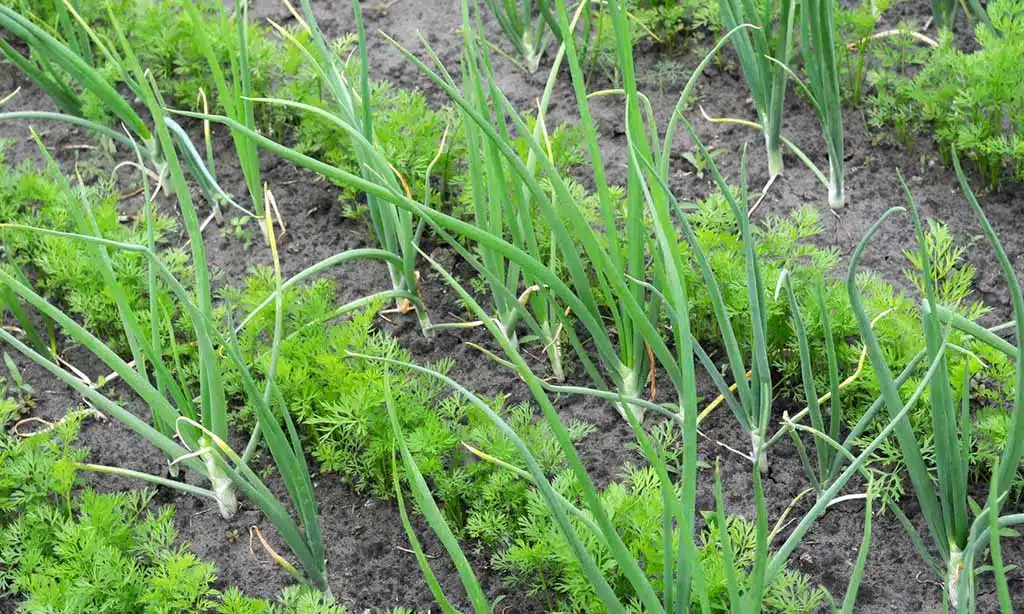
Carrots and onions work well together because they deter each other’s pests. Onions repel carrot flies, while carrots discourage onion flies. Their root systems grow at different depths, ensuring they don’t compete for nutrients.
This makes them an efficient pairing for maximizing garden space. Additionally, onions’ strong aroma masks the scent of carrots, confusing pests that rely on smell to locate their targets.
This pairing is especially useful for gardeners looking to grow root vegetables organically and pest-free.
Tips: Plant carrots and onions in alternating rows to take full advantage of their pest-deterrent properties. Water consistently to support healthy root development.
3. Corn, Beans, and Squash (The Three Sisters)
The Three Sisters is a time-tested Native American planting method that creates a self-sustaining mini-ecosystem. Corn provides tall stalks for beans to climb, reducing the need for stakes or trellises.
Beans enrich the soil by fixing nitrogen, a nutrient that corn and squash need for optimal growth. Squash acts as living mulch, shading the soil to retain moisture and suppress weeds.
Together, these plants create a balanced environment that maximizes space and minimizes labor.
Tips: Plant corn first to allow it to grow sturdy stalks. Then, plant beans around the corn and squash at the base. This staggered planting ensures each plant has the support it needs.
| Plant | Benefit to Others |
| Corn | Structural support for beans |
| Beans | Nitrogen fixation for soil |
| Squash | Moisture retention and shade |
4. Cucumbers and Nasturtiums
Cucumbers and nasturtiums make an excellent pairing due to their complementary benefits. Nasturtiums act as a trap crop, attracting pests like aphids and cucumber beetles away from cucumber plants.
Additionally, nasturtiums attract pollinators, which improve cucumber yields. Their trailing vines can grow alongside cucumbers without competing for resources, making them a visually appealing and functional addition to your garden.
Tips: Plant nasturtiums at the edges of cucumber beds to maximize pest control. Water regularly to keep both plants thriving in hot weather.
5. Marigolds and Almost Everything
Marigolds are the universal companion plant, known for their ability to repel nematodes and harmful insects. Their roots release a substance that deters nematodes, protecting nearby plants from root damage.
Marigolds also attract beneficial insects like ladybugs and hoverflies, which prey on common garden pests. Their bright flowers make them a decorative addition to vegetable and flower gardens alike.
Tips: Use marigolds as a border around garden beds to create a natural pest barrier. Plant them near crops like tomatoes, peppers, and beans for best results.
6. Lettuce and Radishes
Lettuce and radishes complement each other beautifully in a garden. Radishes grow quickly and break up compacted soil, creating a looser environment for lettuce roots to spread.
They also act as a decoy crop, attracting pests away from tender lettuce leaves. In return, lettuce provides shade for radishes, helping to keep the soil cool and moist, which radishes thrive in.
Tips: Plant radishes a few weeks before lettuce to stagger harvesting and maximize space efficiency. Thin radishes early to prevent overcrowding.
7. Peppers and Onions
Peppers and onions are natural companions that deter each other’s pests. Onions repel aphids and spider mites, common nuisances for pepper plants.
Meanwhile, peppers have dense foliage that provides partial shade, helping onions retain soil moisture.
Both crops have similar water and nutrient requirements, making them easy to manage together in the same garden bed.
Tips: Plant onions around the edges of pepper plants to optimize space and pest control. Mulch the area to retain moisture and reduce weed growth.
8. Strawberries and Spinach
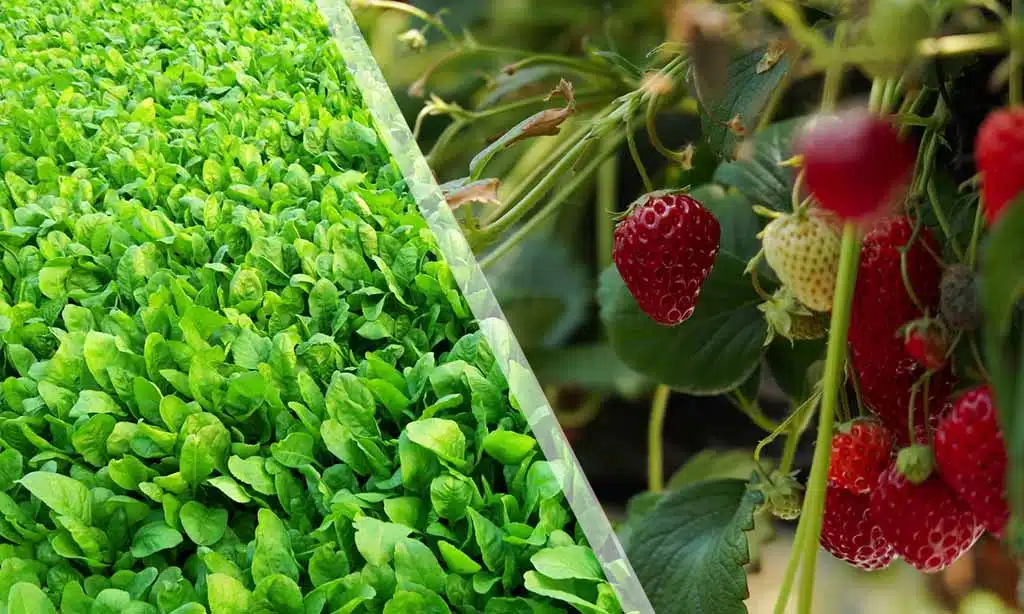
Strawberries and spinach are a winning combination for gardeners looking to maximize their harvest. Spinach acts as ground cover, reducing weeds and retaining moisture for strawberry plants.
In return, strawberries provide shade for spinach, helping it thrive in warmer weather. This pairing makes efficient use of space while improving soil quality.
Tips: Interplant spinach among strawberry rows, and water consistently to prevent stress on both crops. Harvest spinach early to give strawberries more room to grow.
9. Roses and Garlic
Garlic is a natural pest repellent for roses, keeping aphids and Japanese beetles at bay. Its strong scent masks the fragrance of roses, making it harder for pests to locate them.
Additionally, garlic releases sulfur into the soil, which acts as a natural fungicide to prevent diseases like black spots and powdery mildew.
This combination enhances both the health and beauty of your rose garden.
Tips: Plant garlic cloves around the base of rose bushes in early spring for maximum protection. Avoid overwatering to prevent rot.
10. Broccoli and Dill
Dill attracts predatory insects like ladybugs and lacewings, which prey on pests that attack broccoli. It also improves broccoli’s growth and flavor.
However, dill should be planted sparingly, as it can overshadow young broccoli plants if left unchecked.
Tips: Plant dill along the edges of broccoli beds, and harvest it regularly to prevent it from bolting. Monitor for pests like cabbage worms and address them promptly.
11. Potatoes and Beans
Beans and potatoes are excellent companions, with beans fixing nitrogen in the soil to support potato growth.
Additionally, beans help deter the Colorado potato beetle, a notorious pest for potato crops. This pairing is ideal for gardeners looking to boost soil fertility naturally.
Tips: Avoid planting beans too close to potato tubers to prevent overcrowding. Rotate crops annually to maintain soil health.
12. Eggplants and Marigolds
Eggplants and marigolds work well together because marigolds deter flea beetles, which are a common pest for eggplants.
Marigolds also attract pollinators, increasing eggplant fruit sets. Their vibrant flowers add an aesthetic touch to vegetable gardens.
Tips: Plant marigolds as a border around eggplant beds. Remove spent flowers to encourage continuous blooming and pest control.
13. Zucchini and Borage
Borage is a star companion for zucchini, attracting pollinators and deterring squash pests like cucumber beetles.
It also improves soil quality by encouraging beneficial microorganisms. This pairing enhances zucchini yields and supports overall garden health.
Tips: Allow borage to grow freely near zucchini plants but ensure proper spacing for airflow. Deadhead borage flowers to keep the plant productive.
14. Spinach and Strawberries
Spinach and strawberries complement each other perfectly, with spinach acting as living mulch to suppress weeds and strawberries providing shade to protect spinach from heat. This combination maximizes space and boosts soil quality.
Tips: Interplant spinach among strawberry rows for a productive and low-maintenance garden bed. Regularly water to prevent drought stress.
15. Cabbage and Thyme
Cabbage and thyme are a natural pairing, with thyme repelling cabbage worms and improving soil quality.
Thyme’s low-growing nature acts as a living mulch, conserving soil moisture and reducing weeds. This combination ensures healthier cabbage heads and a more sustainable garden.
Tips: Plant thyme as a border around cabbage beds, and trim it regularly to promote new growth. Ensure consistent watering for both plants to thrive.
Benefits of Companion Planting
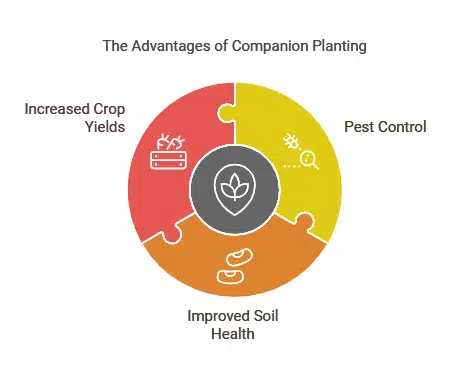
Pest Control
Companion planting naturally reduces the need for chemical pesticides. For instance, marigolds repel nematodes, while garlic deters aphids.
These natural pest deterrents promote healthier plants and safer produce for you and your family.
Improved Soil Health
Certain plants, like beans and peas, enrich the soil with nitrogen, benefiting neighboring plants.
Others, like radishes, break up compacted soil, improving aeration and drainage. This leads to healthier root development and better crop yields.
Increased Crop Yields
Strategic planting combinations, such as the Three Sisters, boost productivity by creating a balanced ecosystem. This synergy results in higher yields and better-quality crops without relying on synthetic inputs.
Tips for Successful Companion Planting
Plan Your Garden Layout
Use a garden planner or app to organize companion plants effectively. Consider each plant’s sunlight, water needs, and space requirements to avoid overcrowding and ensure optimal growth.
Rotate Crops Annually
Rotating companion plantings prevents soil depletion and reduces pest buildup. For example, moving legumes to different beds each year replenishes nitrogen levels and prevents disease cycles.
Observe and Adjust
Monitor plant health and growth to identify successful combinations. Experiment with new pairings to find what works best for your garden’s unique conditions and adapt based on results.
Final thoughts
Companion planting is a simple yet powerful way to create a thriving, eco-friendly garden. By pairing plants strategically, you can boost growth, protect crops from pests, and enhance soil health.
These top 15 companion planting combinations offer practical solutions for gardeners at every skill level. Start experimenting with these pairings today and enjoy the rewards of a flourishing garden in 2025 and beyond.