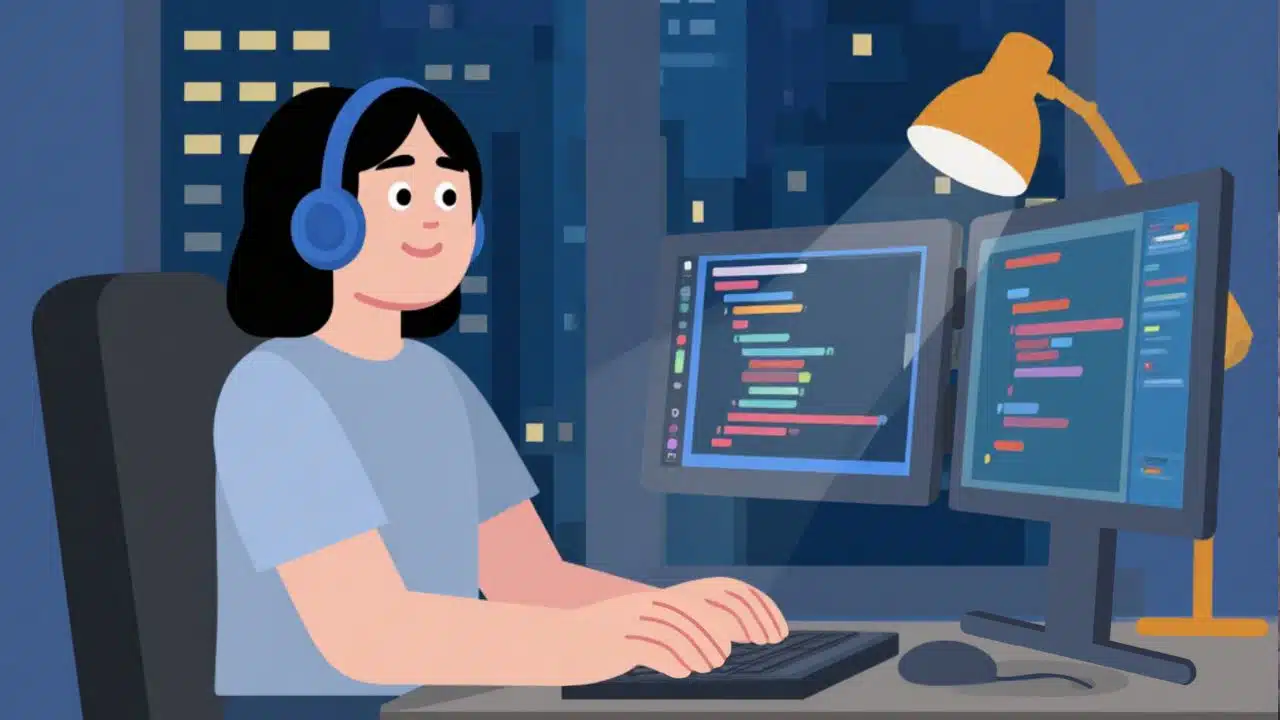
Earning an Education Specialist (Ed.S.) degree online can be both an exciting and demanding journey. It’s designed for educators and professionals who want to deepen their expertise, expand leadership potential, and advance their careers—without putting life on hold. Yet, succeeding in a virtual environment requires more than academic ability; it calls for strategic discipline, self-motivation, and smart digital learning habits.
Whether you’re balancing work, family, or other commitments, the right approach can turn your online Ed.S. program into a powerful stepping-stone toward professional growth. This guide outlines essential strategies to help you stay organized, engaged, and consistently perform at your best—from mastering time management to leveraging online collaboration tools and maintaining personal well-being.
Key Takeaways
- Online Ed.S. programs require distinct skills for success compared to traditional settings.
- Effective time management, active engagement, and communication are crucial.
- Establishing routines and using available resources lead to a more fulfilling educational journey.
- Self-care and organization play important roles in maintaining academic performance.
Understanding the Online Learning Environment
Pursuing an Education Specialist degree online provides ample flexibility and convenience, making advanced education accessible to working professionals and those with busy schedules. However, online programs present a unique dynamic; students take greater responsibility for their progress, organizing their learning journey with less oversight than traditional classrooms. Understanding these differences is fundamental to building a strong academic foundation and maximizing the benefits of an educational diagnostician degree or any other Ed.S. specialization.
Online learning emphasizes independence, digital literacy, and proactive engagement. Students must efficiently balance personal, professional, and academic obligations without the face-to-face interaction that characterizes in-person education. This environment encourages the development of organizational skills and self-driven motivation that can be invaluable throughout one’s career.
Developing Effective Time Management Skills
Effective time management is a cornerstone of success in any online graduate program. Northwest Missouri State University emphasizes that creating a structured routine and designing weekly schedules tailored to your commitments helps students stay on track. Without the structure of a physical classroom, it’s easy to let deadlines slip by or fall behind. For best results, set aside consistent blocks of time each day or week dedicated to your studies and use tools like timers, planners, or calendar apps to monitor progress.
Creating a Dedicated Study Space
The importance of a dedicated study area cannot be overstated. Whether it’s an at-home office or a quiet corner with minimal distractions, creating a specific environment for coursework helps condition your mind for focus and learning. Equip your space with all necessary tools—reliable internet, notetaking supplies, and access to program resources. This simple step enhances productivity, retention, and the overall learning experience.
Furthermore, a consistent workspace signals to others in your household when you are unavailable, fostering healthy boundaries between your academic and personal life. Keeping your study area orderly and comfortable encourages sustained attention during lengthy sessions.
Engaging Actively with Course Materials
Thriving in an online Ed.S. program goes beyond passively completing assignments. Optimal learning occurs when you actively engage with the material by participating in discussion boards, asking questions during virtual meetings, and relating theories to your real-world work as an educational leader. This method transforms information into a deeper understanding and practical knowledge.
Utilizing Available Technological Tools
Ed.S. programs come with various digital resources, including learning management systems, video conferencing applications, and collaborative platforms for group projects. Technology proficiency ensures a smoother academic journey and prepares you for the digital future of educational leadership. Most universities provide tutorials or orientation sessions—take full advantage of these offerings to start your program confidently.
Maintaining Open Communication with Instructors and Peers
Consistent and open communication is essential for success in an online Ed.S. program. Building relationships with professors and fellow students can help overcome educational challenges, lead to valuable feedback, and create opportunities for academic collaboration. Proactively reaching out through virtual office hours, group chats, or discussion boards helps establish a supportive learning network.
Effective communication also clarifies expectations and enables students to seek help before small issues escalate. Participating in group projects and peer-review activities fosters a sense of community and encourages the exchange of diverse perspectives, enriching your educational experience.
Staying Organized and Proactive
With multiple courses, assignments, and possible practicum experiences, organization is key to success. Use digital calendars, task managers, and document organizers to keep deadlines in check and ensure nothing is overlooked. List all major and minor tasks at the beginning of each week, and revisit your academic goals regularly.
Being proactive about your studies—such as starting assignments early, regularly reviewing feedback, and preparing questions beforehand—can relieve last-minute anxiety and set you up for long-term achievement.
Prioritizing Self-Care and Well-Being
Academic excellence is enhanced by consistent self-care. Balance coursework with relaxation, walk breaks, and time away from screens. Get adequate sleep, nourish your body, and make time for hobbies or social activities that recharge you. Strong physical and emotional well-being sharpens cognitive function and helps prevent burnout during challenging periods.
Several studies, including those highlighted by Harvard Health, confirm that regular breaks, sleep, and movement are closely linked to improved academic outcomes and personal satisfaction.
Final Thoughts
Completing an online Ed.S. program is a significant professional milestone that demands discipline, initiative, and resourcefulness. Students can confidently navigate the unique challenges of distance learning by cultivating strong routines, actively participating in the virtual classroom, leveraging digital resources, and maintaining balance. Over time, these strategies will support academic success and foster habits that lead to growth and achievement in future leadership roles.