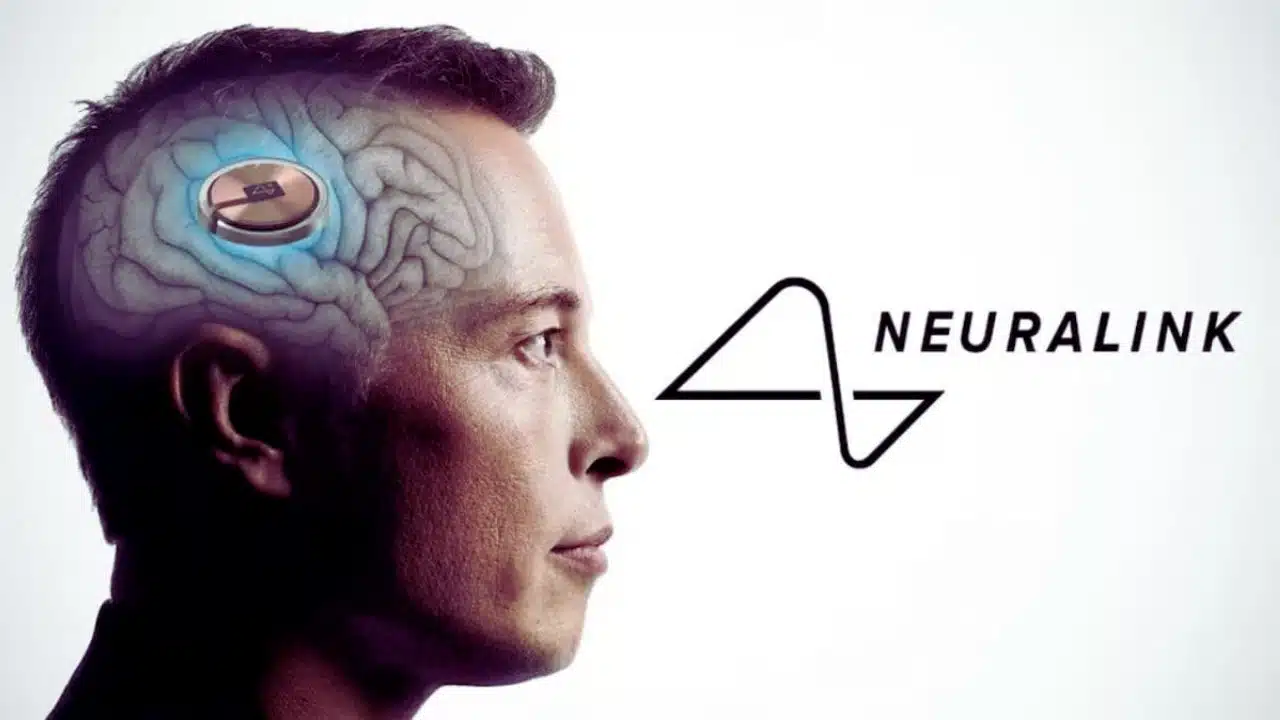
Elon Musk says Neuralink could “restore full body functionality” for people with severe spinal-cord injuries, as the company’s first-in-human PRIME Study continues to test whether its brain implant can safely translate intent into real-world control.
What Musk claimed—and why it matters
Elon Musk wrote on X that he is “confident” restoring “full body functionality” is possible with Neuralink. In the same line of messaging, Musk has described the core concept as “bridging” signals from the brain past an injury in the neck or spine—framing it as feasible “from a physics standpoint.” The claim matters because it shifts the public conversation from Neuralink’s current goal—hands-free control of digital devices—to the much harder target of reanimating paralyzed limbs, which would require additional medical systems beyond cursor control.
What Neuralink has built so far
Neuralink says its current implant, the N1 Implant, is designed to record neural activity using 1,024 electrodes distributed across 64 flexible “threads,” and to send those signals wirelessly to an external device running the Neuralink Application that decodes intent into actions like moving a cursor. Because the threads are extremely thin and difficult to place by hand, Neuralink also built its R1 Robot to insert the threads into the cortex with high precision. The company’s first clinical indication is what it calls “Telepathy,” aimed at restoring “digital autonomy” for people with quadriplegia due to spinal cord injury or ALS.
Key milestones (what’s confirmed publicly)
| Milestone | What happened | Where/notes |
| FDA approval announced (May 2023) | Neuralink says it received FDA approval to launch its first-in-human clinical study. | U.S. regulatory milestone cited by the company. |
| Recruiting began (Sep 2023) | Neuralink says it officially began recruiting for the PRIME Study. | PRIME = “Precise Robotically Implanted Brain-Computer Interface.” |
| First human implant (Jan 2024) | Neuralink says it performed its first human implantation and detected neural signals shortly after surgery. | The participant used the system for apps including online chess and Civilization VI. |
| First implant site disclosed | Neuralink says the first implantation was performed at Barrow Neurological Institute in Phoenix, Arizona. | Barrow also publicly announced the PRIME Study site and early device-command demonstration. |
What the PRIME Study is testing in humans
Neuralink describes PRIME as an investigational medical device trial designed to evaluate the safety of its implant and surgical robot, and to assess initial functionality for enabling people with quadriplegia to control external devices with their thoughts. ClinicalTrials.gov lists the study as “Precise Robotically Implanted Brain-Computer Interface (PRIME) Study,” documenting it as an early feasibility study and providing core protocol details and eligibility criteria. Separately, Barrow Neurological Institute publicly stated that the first PRIME participant demonstrated the ability to use brain activity to command an external device after the procedure performed there.
Neuralink also says it selected the first indication because spinal-cord injury is common and deeply disabling, citing estimates of about 18,000 spinal cord injuries per year in the U.S. and about 302,000 people living in the U.S. with traumatic spinal cord injury. Additional medical centers have also publicly described participation as PRIME sites, including the University of Miami’s Miami Project to Cure Paralysis.
What “full body function” would require (and what remains uncertain)
Neuralink’s publicly described human system today is focused on reading motor-intent signals from the brain and translating them into digital actions (for example, cursor movement and clicks). Restoring “full body functionality” after spinal-cord damage would generally require not only reading intent in the brain, but also delivering commands to muscles or nerves—often through separate technologies such as functional electrical stimulation, spinal cord stimulation, exoskeletons, or other interfaces that can drive movement.
The key uncertainty is that PRIME, as described by Neuralink, is a first step toward brain-to-device control and does not by itself publicly confirm a complete brain-to-spine (or brain-to-muscle) therapeutic system that can safely coordinate full-limb movement in daily life. Musk’s statement frames full-body restoration as possible, but public evidence so far mainly supports early feasibility for thought-driven control of external devices rather than verified restoration of walking, arm strength, or whole-body motor function.
Current capability vs. “full-body” goal
| Area | What Neuralink publicly emphasizes now | What “restore full body function” implies |
| Primary output | Computer/device control via decoded neural signals. | Control of muscles/limbs or assistive robotics capable of replacing lost nerve pathways. |
| Clinical evidence base | Early feasibility human trial (PRIME) focused on safety and initial function. | Larger trials showing repeatable, clinically meaningful mobility gains (with long-term safety). |
| Hardware scope | Brain implant + robotic surgery + wireless data/power/charging. | A broader “closed loop” system that can both read brain signals and reliably activate movement outputs. |
Final thoughts
Musk’s statement has put “Neuralink restore full body function” at the center of public attention, but the clearest verified progress remains the PRIME Study’s early human use case: translating neural signals into digital control. The next inflection points to watch are more peer-reviewed or regulator-facing safety data, multi-site trial expansion and reproducible performance outcomes, and whether Neuralink or partners demonstrate a clinically validated pathway from brain intent to physical movement support for paralysis.