In a development that reshapes the international approach to the Israeli–Palestinian conflict, four influential Western countries — the United Kingdom, Canada, Australia, and Portugal — formally recognised a Palestinian state on 21 September 2025. The announcement, coordinated across capitals and timed ahead of the United Nations General Assembly in New York, signals growing frustration with the stalemate in peace efforts and the ongoing humanitarian catastrophe in Gaza.
This recognition places these countries alongside more than 140 others worldwide that already recognise Palestinian statehood. However, the decision carries particular weight given the historic alignment of these four nations with Israel and their close ties to Washington. The move is seen as part of a wider trend: other European states, including France, Ireland, and Spain, are expected to follow.
Motivations Behind the Decision
The governments involved framed their decision as an attempt to break deadlock and revive the long-standing vision of a two-state solution. For decades, peace negotiations have stalled, leaving Palestinians under military occupation in the West Bank and enduring cycles of conflict in Gaza.
Supporters of recognition argue that granting Palestine statehood status is meant to shift the dynamics by placing pressure on both sides. On one hand, it signals to Palestinians that peaceful state-building efforts are rewarded. On the other, it aims to show Israel that global patience with indefinite occupation and settlement expansion has run out.
The four governments emphasised that their recognition does not mean legitimising Hamas. They argued that Hamas, which still controls Gaza and has fought repeated wars with Israel, cannot be part of any legitimate governing authority in a future Palestinian state. They also highlighted that recognition should encourage reform within the Palestinian Authority and prepare the ground for new leadership more capable of negotiating peace.
Israel’s Fierce Opposition
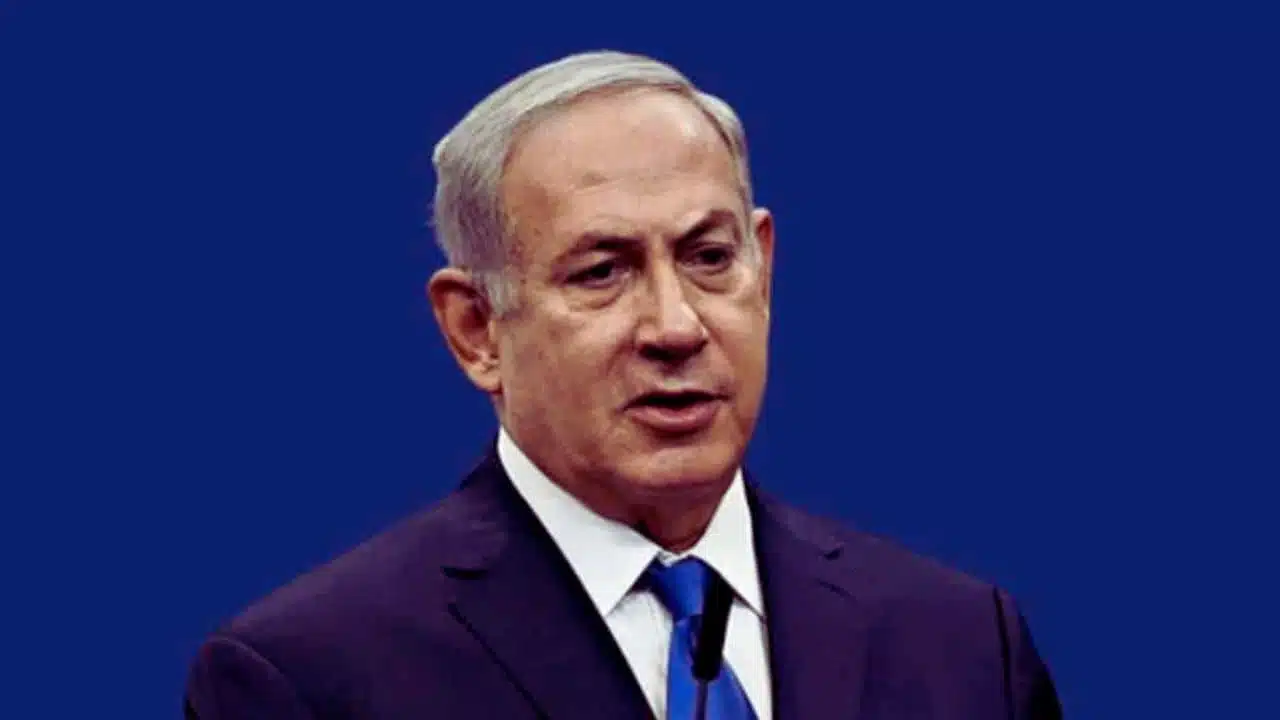
Israel reacted with fury. Prime Minister Benjamin Netanyahu condemned the recognitions as undermining Israel’s security and encouraging terrorism. From the government’s perspective, recognising a Palestinian state at a time when Hamas still wields power in Gaza amounts to rewarding violence and weakening Israel’s deterrence.
The anger was not confined to the government. Politicians from across Israel’s political spectrum — right, center, and even sections of the left — expressed deep concern. The recognition, they argued, could embolden Hamas, discourage the release of Israeli hostages still held in Gaza, and complicate any chance of direct peace talks. Even figures usually supportive of international engagement, such as President Isaac Herzog, voiced disappointment, stressing that the move would not improve daily life for Palestinians nor bring peace any closer.
Ultra-nationalist members of Netanyahu’s coalition went further, calling for immediate annexation of parts of the West Bank in retaliation. For them, recognition confirmed what they had long feared: that Israel’s allies might eventually bypass negotiations altogether and unilaterally endorse Palestinian statehood.
Palestinian Reactions: Celebration and Doubt
Among Palestinians, reactions were divided. Many saw recognition as a symbolic breakthrough after decades of waiting. For ordinary people in Gaza and the West Bank, the announcements represented long-overdue international acknowledgment of their right to statehood. Some leaders framed it as a victory achieved through decades of struggle and sacrifice.
Yet others expressed caution, questioning whether recognition would bring any real change. The reality on the ground remains bleak: the war in Gaza continues, settlements in the West Bank expand, and movement restrictions shape daily life. Without enforcement or follow-up, some Palestinians worry recognition could become another empty gesture that shifts nothing in practice.
Humanitarian organisations pointed out that recognition alone does not address urgent needs such as ending the blockade of Gaza, improving humanitarian access, or rebuilding shattered infrastructure. They stressed that unless these recognitions are paired with meaningful diplomatic action, the lives of Palestinians are unlikely to improve in the short term.
International Legal and Political Context
The move also raises complex questions under international agreements. The Oslo Accords of the 1990s, particularly Oslo II in 1995, explicitly stated that neither side would alter the status of the West Bank and Gaza until permanent negotiations were completed. By recognising Palestine without a negotiated settlement, critics argue that these countries may have undermined the framework that has underpinned diplomacy for three decades.
Supporters counter that Oslo has effectively collapsed due to years of inaction, settlement construction, and cycles of violence. In their view, recognition simply acknowledges reality and seeks to create momentum for a new process.
Globally, the announcements deepen the divide between countries pressing for a two-state solution and those backing Israel’s hard line. Russia and China have already supported Palestinian statehood for years. Now, with core Western democracies joining in, the diplomatic balance may shift further against Israel’s position at the United Nations and other forums.
Risks for Netanyahu and His Government
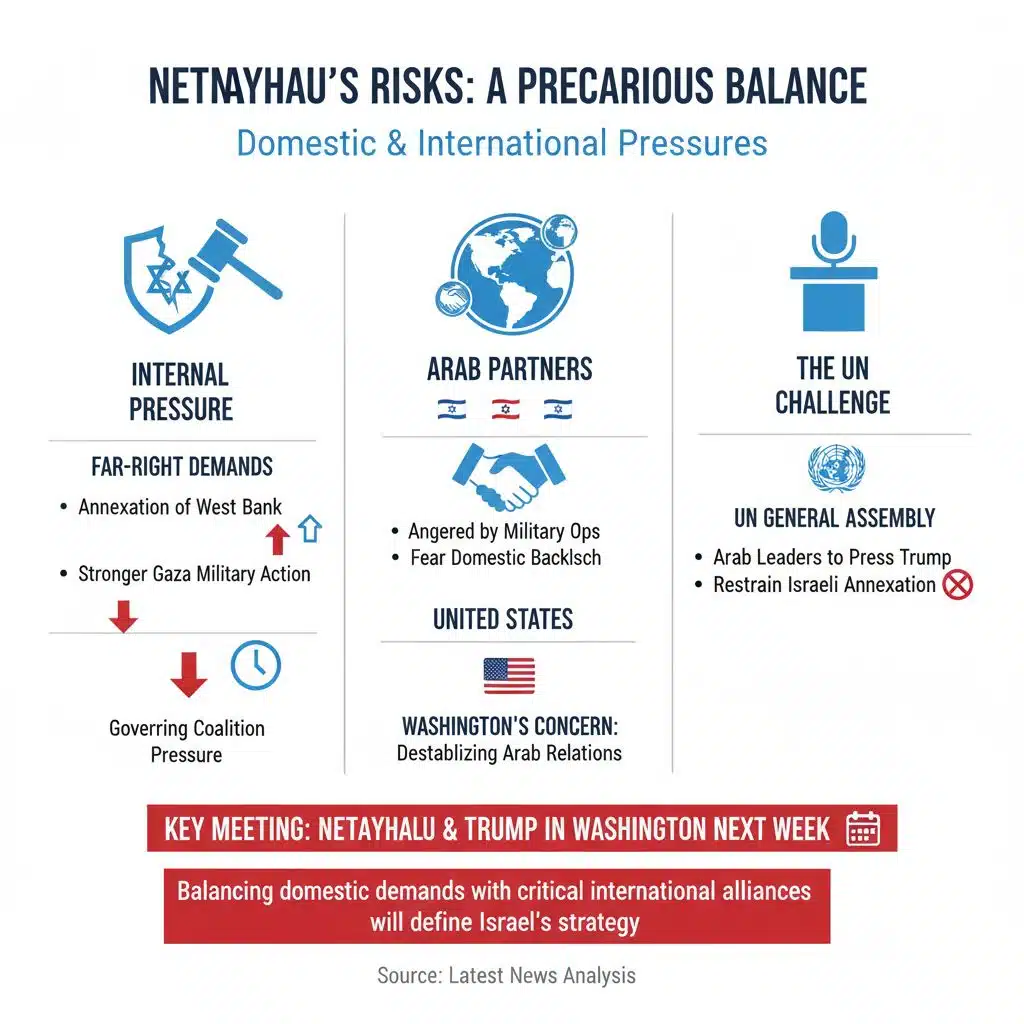
For Netanyahu, the recognitions come at a politically sensitive time. His governing coalition is under pressure from the far right, which demands annexation of parts of the West Bank and stronger military action in Gaza. Yet annexation risks alienating Arab partners such as Jordan, Egypt, and the Gulf states, who are already angered by Israel’s recent military operations and fear domestic backlash from their populations.
Netanyahu also faces pressure from the United States. While former President Donald Trump remains Israel’s key ally, even Washington is wary of moves that could destabilise relations with Arab states. At the upcoming UN General Assembly, Arab leaders are expected to press Trump to restrain Israel from annexation in response to the recognitions.
Balancing these pressures will be Netanyahu’s immediate challenge. He must respond forcefully enough to appease his domestic coalition, while avoiding steps that could isolate Israel further or alienate its critical allies abroad. His planned meeting with Trump in Washington next week will be decisive in shaping Israel’s strategy.
The Humanitarian and Political Stakes
For ordinary people, the recognitions may feel distant from daily struggles. In Gaza, civilians continue to endure bombardments, displacement, and shortages of food, medicine, and electricity. In the West Bank, Palestinians face expanding settlements, checkpoints, and uncertainty about their political future. Recognition on paper does not end these realities.
At the same time, for supporters, recognition sends a signal to younger Palestinians that the world has not forgotten their cause and that statehood remains a possibility. It may also increase international pressure for ceasefires, prisoner exchanges, and renewed talks.
Critics warn that the move could embolden hardliners on both sides — Hamas on the Palestinian side, and annexationists on the Israeli side — making compromise even more difficult.
A Divisive but Defining Moment
The recognitions by the UK, Canada, Australia, and Portugal represent one of the most significant diplomatic shifts in years on the Israeli–Palestinian conflict. Supporters see it as a bold step toward peace, while opponents view it as reckless and counterproductive.
What is clear is that these announcements have shaken the status quo. They have created new political challenges for Israel, offered symbolic validation for Palestinians, and placed the question of statehood back at the center of international debate.
Whether this moment leads to renewed diplomacy or hardened divisions will depend on what happens next — in Washington, in Arab capitals, in Jerusalem, and in Ramallah.