A net-zero energy home is a modern solution to energy efficiency, environmental sustainability, and cost savings.
By definition, a net-zero home produces as much energy as it consumes, making it an excellent option for homeowners looking to reduce their carbon footprint while enjoying significant utility savings.
Building a net-zero energy home requires thoughtful planning, advanced technologies, and sustainable construction techniques.
In this comprehensive guide, we’ll walk you through 10 essential tips to help you design and build a net-zero home that aligns with your energy and sustainability goals.
1. Start with Energy-Efficient Design
The foundation of any net-zero energy home begins with an energy-efficient design that minimizes energy usage. This involves strategically planning the layout, orientation, and features of your home.
- Orientation Matters: Position your home to maximize natural sunlight. South-facing windows capture more sunlight, reducing heating needs during winter.
- Open vs. Closed Layouts: Opt for compact floor plans to minimize heating and cooling demands.
- Thermal Envelope: Focus on creating a well-insulated building envelope to prevent air leakage.
Key Takeaways:
Invest in energy modeling software or consult with an architect experienced in net-zero home design to optimize your layout for maximum efficiency.
2. Prioritize High-Performance Insulation
A well-insulated home is essential for achieving net-zero energy goals. Proper insulation reduces energy consumption by maintaining consistent indoor temperatures, regardless of external conditions.
Types of Insulation:
- Spray foam: Ideal for sealing gaps and providing high R-values.
- Rigid foam boards: Great for walls and roofs.
- Fiberglass batt: A budget-friendly option for walls and attics.
Where to Insulate:
- Attics and roofs
- Walls, floors, and basements
- Windows and doors (with high-performance sealing)
Key Takeaways:
Choose insulation materials with high R-values to ensure optimal thermal resistance, reducing your heating and cooling costs significantly.
3. Incorporate Renewable Energy Sources
Generating your own energy is critical for achieving net-zero status. Solar panels are the most popular option, but other renewable technologies may complement your energy strategy.
- Solar Panels: Install photovoltaic (PV) panels on your roof to generate electricity. Aim to size your system to cover annual energy consumption.
- Wind Turbines: Consider small-scale wind turbines if your location has consistent wind patterns.
- Geothermal Systems: Use ground-source heat pumps to regulate indoor temperatures efficiently.
Key Takeaways:
Conduct a solar feasibility study and explore incentives or tax credits in your area to offset the cost of renewable energy installations.
4. Invest in Energy-Efficient Appliances
Your appliances play a significant role in your home’s overall energy consumption. Opt for ENERGY STAR-rated appliances that use less electricity and water.
Appliances to Upgrade:
- Refrigerators: Modern models use up to 50% less energy than older ones.
- Dishwashers: ENERGY STAR dishwashers save both water and energy.
- Heating and Cooling Systems: High-efficiency HVAC units reduce electricity bills dramatically.
Key Takeaways:
When purchasing appliances, look for labels that indicate energy efficiency and compare energy usage across brands.
5. Adopt Smart Home Technology
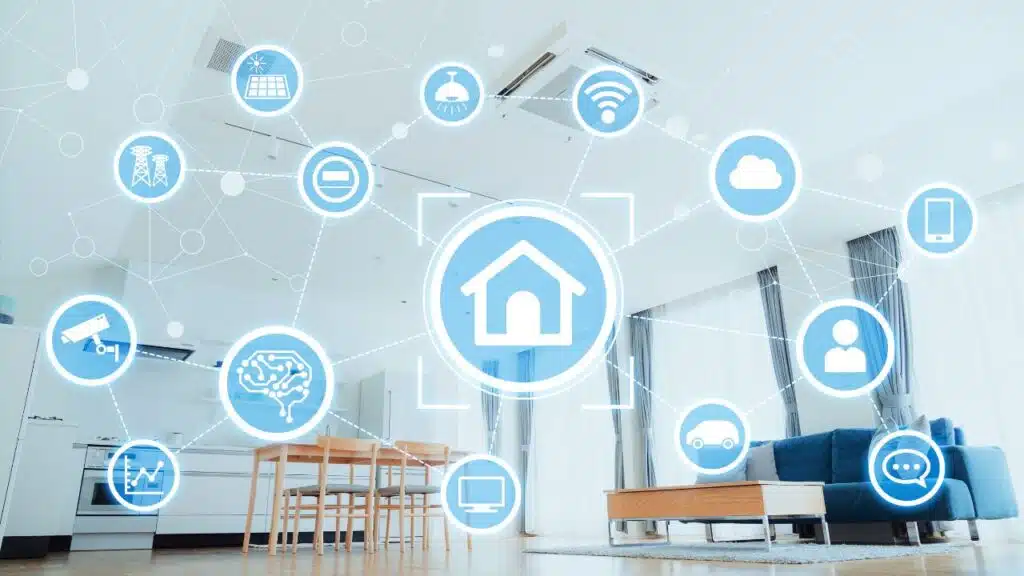
Smart home devices allow you to monitor and optimize energy usage in real time. These tools are invaluable for achieving a net-zero home.
- Smart Thermostats: Devices like Nest or Ecobee optimize heating and cooling schedules based on your daily habits.
- Energy Monitoring Systems: Track real-time energy consumption to identify wasteful habits.
- Smart Lighting: Automate lights to switch off when rooms are unoccupied.
Key Takeaways:
Integrate smart technology into your home’s design to enhance energy efficiency and gain greater control over your energy usage.
6. Use High-Performance Windows and Doors
Windows and doors can be major sources of energy loss in a home. High-performance products reduce heat transfer and improve overall energy efficiency.
Window Types:
- Triple-pane windows for maximum insulation.
- Low-emissivity (Low-E) coatings to reflect heat.
Door Options:
- Insulated fiberglass doors.
- Weather-stripped and airtight designs.
Key Takeaways:
Invest in energy-efficient windows and doors to enhance your home’s thermal performance and reduce heating and cooling demands.
7. Optimize Ventilation and Air Quality
A net-zero home requires proper ventilation to maintain indoor air quality without sacrificing energy efficiency. Heat recovery ventilation (HRV) or energy recovery ventilation (ERV) systems can help.
HRV vs. ERV:
- HRV: Recovers heat from outgoing air to warm incoming air.
- ERV: Transfers both heat and moisture, ideal for humid climates.
Key Takeaways:
Ventilation systems not only improve comfort but also reduce energy waste, ensuring your home remains healthy and efficient.
8. Install LED Lighting
Lighting is a simple yet effective way to reduce energy usage in your home. LED bulbs consume 75% less energy than incandescent lighting and last significantly longer.
Features of LED Lighting:
- High lumens per watt for energy savings.
- Dimmable options for customized lighting.
Key Takeaways:
Switching to LED lighting is a cost-effective upgrade that enhances your home’s energy efficiency without compromising on aesthetics.
9. Implement Water Efficiency Measures
Water heating can account for a significant portion of energy use in a home. Adopting water-saving technologies can contribute to net-zero goals.
Efficient Fixtures:
- Low-flow faucets and showerheads.
- Dual-flush toilets to minimize water wastage.
Water Heating:
- Install a tankless water heater for on-demand heating.
- Consider solar water heating systems for additional savings.
Key Takeaways:
Water efficiency not only conserves resources but also reduces energy bills associated with water heating.
10. Plan for Energy Storage
Energy storage systems like batteries ensure that your home remains powered even during outages or periods of low renewable energy production.
Options for Energy Storage:
- Lithium-ion batteries (e.g., Tesla Powerwall).
- Lead-acid batteries for budget-conscious homeowners.
Key Takeaways:
Investing in energy storage increases the reliability of your net-zero energy system, providing peace of mind and uninterrupted power.
Takeaways
Building a net-zero energy home requires a holistic approach that incorporates energy-efficient design, renewable energy systems, and sustainable technologies.
By following these 10 tips, you can reduce your environmental footprint, lower utility bills, and create a comfortable, future-proof home.
Whether you’re building from scratch or retrofitting an existing property, every step toward energy efficiency brings you closer to achieving a net-zero lifestyle.
Start planning today and embrace the benefits of a greener, more sustainable home.