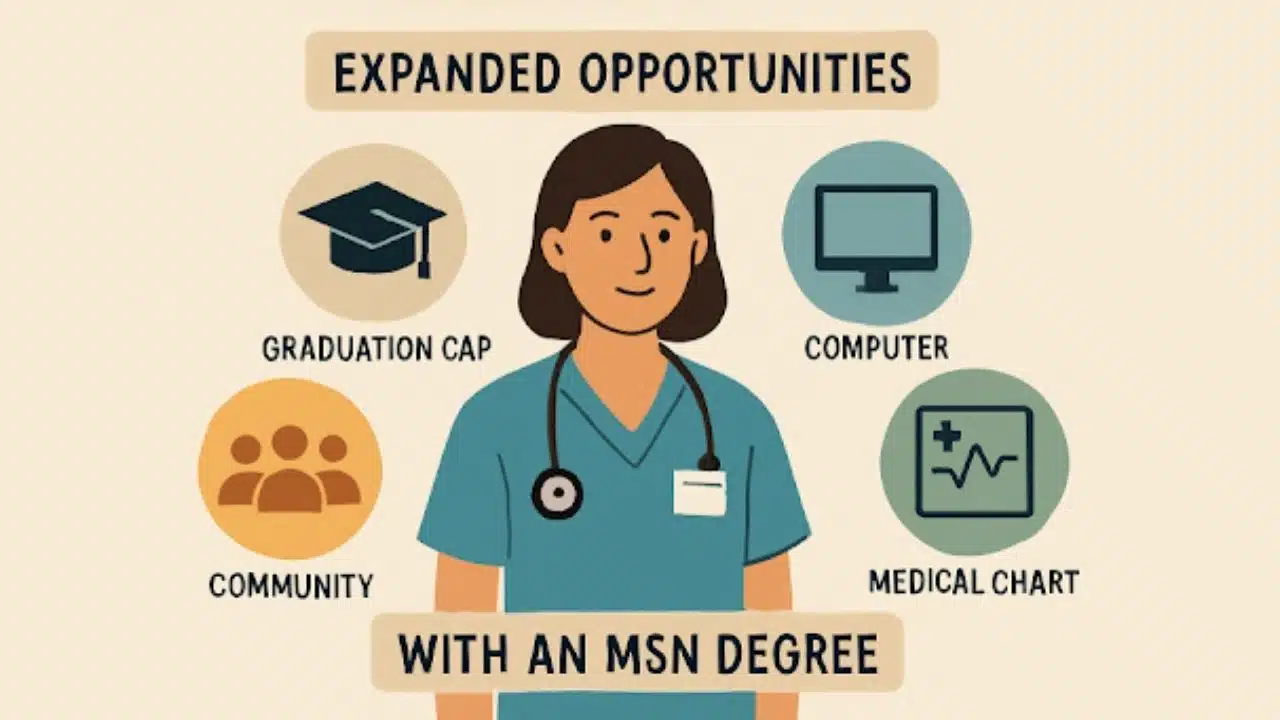
The nursing profession is transforming, and so are its career paths. While hospitals remain vital centers of care and employment for nurses, today’s healthcare system increasingly recognizes the value of nurses with advanced training. Nurses who pursue a Master of Science in Nursing (MSN) tap into new and growing opportunities beyond direct patient care in hospitals.
In states like Texas, RN to MSN programs Texas offers Registered Nurses streamlined, flexible pathways to advance their education, opening doors to leadership and specialized roles that extend far beyond the traditional hospital environment.
Key Takeaways
- MSN-prepared nurses are increasingly in demand for roles outside the hospital, such as community health, education, administration, and entrepreneurship.
- With an MSN, nurses can move into leadership, policy, informatics, and specialized clinical positions.
- The evolving healthcare landscape favors nurses who are adaptable, educated, and ready to lead across various sectors.
Expanding Roles in Community Health
One of the most significant shifts for MSN-prepared nurses has been the movement into community health. Outpatient clinics, public health agencies, and nonprofit organizations depend on MSN graduates for their expertise in program development, outreach, and research. These nurses are at the forefront of addressing complex public health challenges—everything from increasing access to care in underserved communities to managing population health initiatives.
The contribution of these advanced nursing professionals is essential for improving community well-being and influencing the social determinants of health. Their impact often extends to developing health policies and launching educational campaigns that benefit entire populations.
Leadership Positions in Healthcare Administration
With an MSN degree, nurses gain advanced skills and administrative knowledge that prepare them for leadership roles throughout the healthcare system. From nurse manager and director positions to executive roles such as Chief Nursing Officer, MSN graduates are key players in shaping organizational strategy, policy, and operations. Their clinical background, paired with advanced business and management training, allows them to advocate for patient-centered care and promote evidence-based quality improvements.
Healthcare organizations increasingly rely on nurse leaders to manage change, align interdisciplinary teams, and champion initiatives that optimize outcomes. As highlighted by the American Medical Association, strong nursing leadership is integral to the evolution and transformation of modern healthcare.
Educational Roles and Nurse Educators
The national shortage of nursing faculty is fueling demand for MSN-prepared educators. These professionals are uniquely positioned to train the next generation of nurses by designing curricula, mentoring students, and leading academic programs. The transition to academic roles allows MSN graduates to influence the future of the profession, ensuring that new nurses are well-prepared for the ethical, clinical, and technological challenges of contemporary healthcare.
Nurse educators also play critical roles in continuing education and staff training, helping practicing nurses stay current with the latest best practices and regulatory requirements.
Specialized Practice Areas
The MSN degree opens career pathways to advanced practice specialties such as Family Nurse Practitioner (FNP), Psychiatric-Mental Health Nurse Practitioner (PMHNP), and Nurse Anesthetist. These specialized roles often involve providing care independently and can operate in various settings, including family practices, urgent care clinics, mental health centers, and surgical suites. By extending the reach of primary and specialty care providers, MSN-prepared nurses help fill gaps in the healthcare workforce, especially in rural and underserved regions.
These advanced practice providers play a pivotal role in patient education, disease prevention, and management of chronic conditions—a necessity as the U.S. population ages and healthcare becomes more complex.
Involvement in Health Informatics
As healthcare embraces digital transformation, MSN-prepared nurses are stepping into vital roles within health informatics. They manage electronic health records, lead data analysis projects aimed at improving patient outcomes, and facilitate the integration of new healthcare technologies. These roles require a rare blend of clinical acumen and technical proficiency—skills that are cultivated within MSN programs focused on informatics and innovation.
Nurses in informatics not only enhance the efficiency and effectiveness of care but also act as change agents, bridging the gap between IT professionals and clinical staff.
Policy Development and Advocacy
MSN graduates possess the knowledge and leadership necessary to influence health policy at local, state, and national levels. Many work with governmental and nonprofit organizations to shape health policy, advocate for community health needs, and promote regulatory changes that elevate care standards. Their involvement ensures that frontline practitioners have a voice in legislative discussions and policy formation, ultimately advocating for improvements that benefit patients, providers, and the broader community.
Entrepreneurial Ventures
A growing number of MSN-prepared nurses are forging their own paths as entrepreneurs. These professionals are well-equipped to launch consulting practices, wellness programs, and home health agencies. Their advanced clinical knowledge, combined with strategic business skills, enables them to identify gaps in healthcare delivery and develop innovative new services and solutions. Nursing entrepreneurs are at the forefront of designing models of care that meet the evolving needs of patients, particularly as healthcare shifts toward more personalized and community-based approaches.
Final Thoughts
The evolving healthcare ecosystem offers MSN-prepared nurses diverse and rewarding career opportunities outside the hospital setting. From community health to technology, leadership, and entrepreneurship, an MSN degree is a gateway to influential roles that shape the future of patient care, workforce development, and healthcare policy. Advancing your education creates a ripple effect, opening new doors for individual growth and helping drive the transformation of the entire healthcare system.