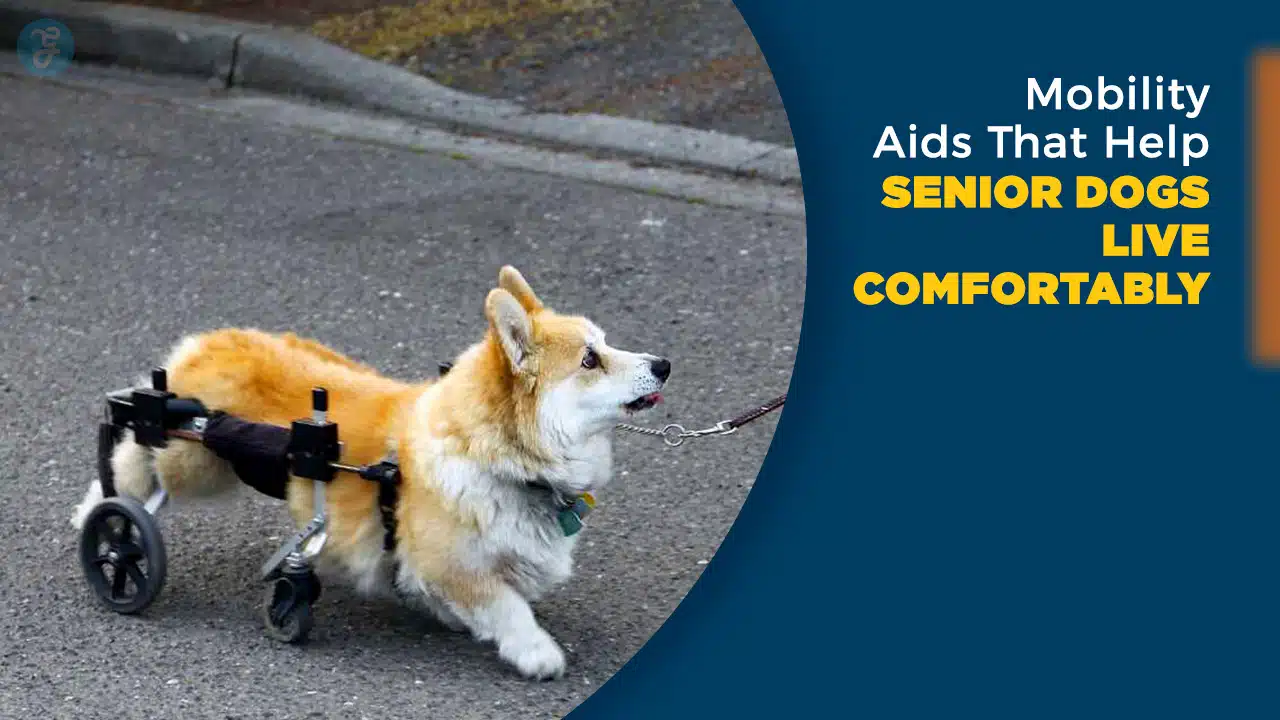
Is your senior dog slowing down or struggling with daily movement? Simple canine mobility tools like ramps, wheelchairs, and support harnesses can help elderly dogs stay active and protect joint health. This guide covers practical mobility solutions you can set up at home to boost comfort and confidence. For safety, ask your veterinarian before starting any new device, especially after injury or surgery.
Key Takeaways
- Dog wheelchairs, rear or full support styles, let seniors move again and reduce pressure sores.
- Support harnesses take weight off weak joints and give you safe lifting control on stairs.
- Ramps and steps with non-slip surfaces allow safe access to beds, sofas, cars, and porches.
- Traction boots or socks help paws grip slick floors, lowering the risk of slips and falls.
- Orthopedic memory foam beds, with optional heat, cushion sore joints for deeper rest.
Dog Wheelchairs for Different Mobility Needs
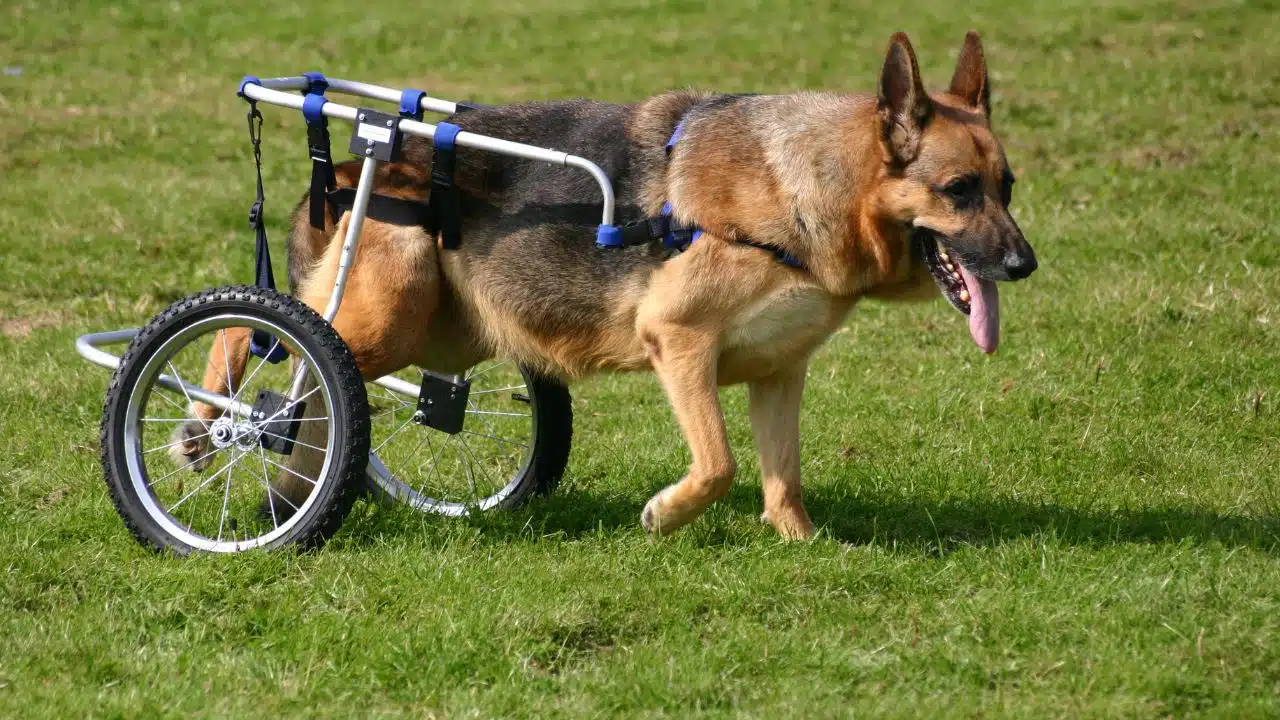
Think of a wheelchair as a rolling frame that gives your dog stable support without pain.
What are rear support wheelchairs for dogs with hind-leg weakness?
Rear support wheelchairs lift the hips and support the back legs. They help dogs with arthritis, hip dysplasia, or degenerative myelopathy, a slow nerve disease that weakens the hind end. A 13-year-old large retriever, for example, may stand taller and enjoy short walks again.
These carts use padded harnesses and light frames so dogs move freely. Support reduces dragging, which lowers the chance of skin sores. Adjustable parts fit different body shapes, and quick-release clips make car trips easier.
For you, this means less heavy lifting and more shared time outdoors. Many dogs perk up once they can explore again, even if the distance is short.
How do full support wheelchairs assist dogs with full-body mobility issues?
Full support wheelchairs aid all four limbs. They steady dogs with widespread weakness, balance problems, or recovery after spine surgery. The frame keeps them upright, which lowers fall risk and reduces pressure on sore joints.
Veterinarians often suggest full support carts for seniors who cannot stand on their own. Soft padding helps during longer use, and adjustable bars improve fit. With sturdy wheels, most models roll smoothly over indoor floors or grass in the yard.
Families report better mood and alertness when their older dog can go along on walks. Movement, even gentle movement, supports circulation and joint health.
How Can Support and Lifting Harnesses Improve Mobility for Senior Dogs?
A good harness is like a helpful handle, giving lift and control while protecting stiff joints. It is one of the simplest dog rehabilitation tools you can use daily.
What types of harnesses help reduce strain and aid movement?
- Rear-lift harnesses shift weight off weak back legs, useful for standing up or climbing a few steps.
- Full-body harnesses support chest and hips together, helpful after surgery or with arthritis in several joints.
- Ergonomic, padded designs reduce pressure points so skin stays comfortable on longer walks.
- Adjustable straps let you fine-tune the fit as your dog’s shape changes with age or weight.
- Dual-handle models allow you to lift the front or rear end separately, or both together when needed.
- Breathable, washable fabrics help prevent skin irritation and are easy to keep clean.
- Recovery-focused harnesses spread weight across safe areas, easing strain during flare-ups.
Choose a snug, secure fit and practice lifting with your knees, not your back. A harness that fits well protects your dog and saves your shoulders too.
When Should You Use Ramps and Steps for Senior Dogs?
Ramps and steps turn big jumps into small climbs, which protects joints and avoids scary slips.
How do indoor ramps help dogs access furniture safely?
Indoor ramps remove the jump to the couch or bed. A 13-year-old small hound can reach a favorite spot without straining tender hips. Soft foam or carpeted surfaces add traction on hardwood and tile.
Look for a wide base and sturdy side rails to reduce wobble. Match the ramp height to your furniture so the incline stays gentle. Many models fold flat, so you can move one between the bedroom and living room without hassle.
Placing ramps where your dog rests most often keeps routines smooth and supports independence at home.
What are the benefits of outdoor ramps for cars and porches?
Outdoor ramps give a steady path into cars and over porch steps. Non-slip treads keep paws secure in wet or dry weather. Durable materials resist rust and fading across seasons.
Strong frames with higher weight limits work well for big breeds. Side rails act as guides so dogs do not step off the edge. Foldable or telescoping designs pack into a trunk and set up fast at different heights.
These ramps also protect your back because your dog can walk up under their own power.
How Do Non-Slip Socks and Traction Boots Prevent Slipping?
Think of them as snow tires for paws on slick floors.
Why are traction boots effective on smooth floors?
Traction boots and grippy socks add rubberized surfaces under the paw. They prevent splaying, which happens when weak legs slide apart on tile or wood. Better grip means fewer falls, fewer bruises, and more confidence moving from room to room.
Most styles pull on easily and come in sizes for small and large paws. For homes with lots of hard flooring, many pet parents use boots along with runners or area rugs. Washable options are handy after a muddy yard trip.
Used daily, traction aids protect aging joints and help dogs feel safe exploring their space.
Why Choose Orthopedic and Heated Beds for Senior Dogs?
A quality bed is a simple comfort product that can ease pain and improve sleep.
How do these beds support joints and muscles?
Orthopedic memory foam spreads weight evenly and cushions pressure points. This reduces stiffness in hips, knees, and elbows. Bolstered edges let dogs rest their head or stretch out, which relaxes neck and shoulder muscles.
Heated beds add steady warmth that soothes morning aches from canine arthritis. Low entry sides make it easy to step in without jumping. Choose the right size so your dog can lie flat or curl comfortably.
Removable, washable covers help keep skin healthy. If you use a heated option, check cords for safety and keep the temperature moderate.
How Can Dog Strollers or Wagons Enhance Mobility for Less Active Senior Dogs?
Strollers and wagons let older dogs join walks even when their endurance is low. A short-nosed toy dog with arthritis or breathing issues can ride in comfort, then hop out for short sniff breaks. Shade tops protect from sun, and padding supports sore joints during longer outings.
These carriers also help on vacations, at outdoor events, or for vet visits when crowds or distances are tough. Your dog still sees the sights and stays social, which is great for mental health as well as pet comfort.
Takeaways
Senior dogs can enjoy life with the right mobility solutions. Wheelchairs restore movement, harnesses give safe lifting and walking assistance, and ramps turn hard jumps into easy climbs. Traction aids steady every step on slick floors, while orthopedic beds support rest and recovery. Strollers keep older pets included on family outings. Talk with your veterinarian to match tools to your dog’s needs, then adjust as joint health changes with age. Small upgrades add up to big comfort for your best friend.
FAQs
1. What are the most helpful mobility aids for senior dogs who struggle to walk?
Dog wheelchairs, lifting harnesses, orthopedic beds, non-slip socks, pet ramps, and supportive slings all help older pups move around with less pain. Each tool supports a different need; some give tired legs a break while others offer steady footing on slick floors.
2. How do I know which mobility aid is right for my aging dog?
Start by watching your dog’s daily routine. If stairs cause trouble or your buddy slips often, try a ramp or grippy socks first. For weak back legs or arthritis that makes standing tough, consider a wheelchair or sling. Your vet can also point you in the right direction based on your dog’s health.
3. Can these aids really improve my senior dog’s quality of life?
Absolutely! A good fit means more than comfort; it gives your old friend freedom to explore again and keeps their tail wagging longer. Even small changes like an orthopedic bed can ease stiff joints after long naps.
4. Are there any risks when using mobility aids for elderly dogs?
Most tools are safe if used as directed but watch out for chafing from harnesses or pressure sores from wheelchairs if left on too long. Always check sizing before buying anything new and keep an eye out for signs of discomfort once you start using them at home.