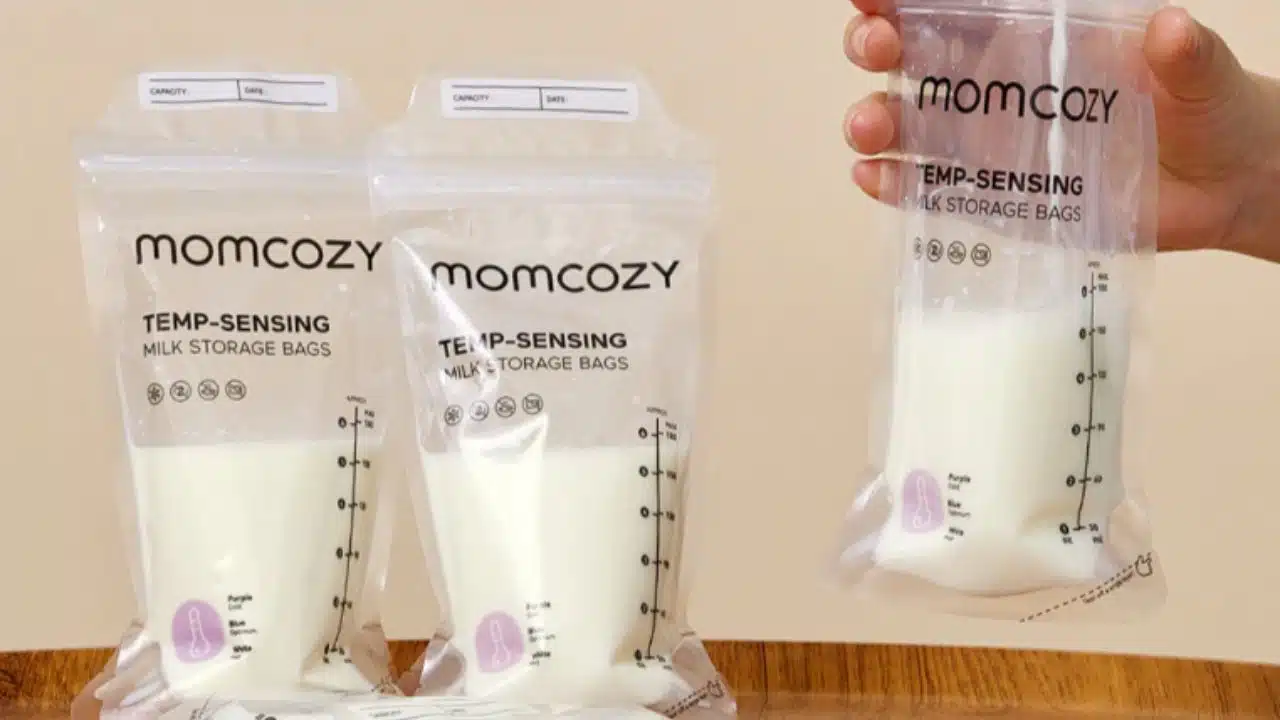
When it comes to storing milk, especially for new parents, having the right tools can make all the difference. Milk storage bags are a lifesaver, but using them correctly is key to keeping your milk fresh and safe. I’ve learned a few tips and tricks that can help make the process smoother and more efficient.
Choosing the Right Storage Bags
Choosing the right Milk Storage Bags ensures optimal freshness and safety for breast milk. Consider key factors, such as convenience and environmental impact, when selecting your options.
Disposable
Disposable milk storage bags offer simplicity and convenience. They’re pre-sterilized, ready to use, and eliminate the need for cleaning. Many brands feature double-seal technology to prevent leaks. These bags work well for short-term storage; you can easily toss them after use.
Reusable
Reusable milk storage bags present an eco-friendly alternative. Made from durable materials, these bags withstand multiple uses while ensuring safe storage of milk. They typically come with wide openings for easy filling and cleaning. Additionally, these bags often feature clear measurement markings for accurate portioning.
Preparing for Storage
Before I use milk storage bags, I ensure everything’s organized to maintain freshness and safety. Proper preparation includes labeling and knowing how to fill the bags effectively.
Labeling
Labeling each milk storage bag is essential. I write the date and time of pumping on the bag to keep track of freshness. This practice ensures I use the oldest milk first, reducing waste. Additionally, I sometimes note the volume of milk in each bag for reference.
Filling the Bags
Filling milk storage bags correctly prevents spills and makes storage easier. I leave enough space at the top of each bag to allow for expansion during freezing. This approach helps avoid leaks and keeps the milk safe. I also double-check the seal to make sure it’s secure.
Direct Pumping
Direct pumping into milk storage bags saves time and minimizes transfer. I attach the bag to the pump and collect milk directly, which reduces contact and preserves freshness. This method simplifies storage and ensures I capture every drop.
Manual Transfer
Manual transfer involves pouring milk from a container into the storage bags. I make sure to use a funnel for accuracy and to avoid spills. This method allows me to maintain precise control, especially when dealing with larger quantities of milk. Both methods are effective, but I choose based on my needs at the time.
Storage Guidelines
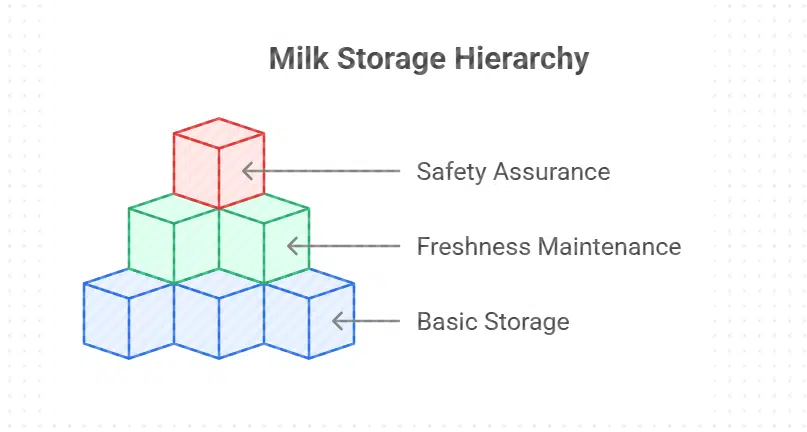
Properly storing milk in milk storage bags maintains freshness and ensures safety. Below are essential guidelines for different storage methods.
Room Temperature
Milk storage bags can safely hold fresh milk at room temperature for up to four hours. I avoid exposing them to direct sunlight or heat sources, which can accelerate spoilage. It’s vital to move the milk into refrigeration or freezing if not used within that timeframe to prevent bacterial growth. Checking the temperature of the room can help gauge if the bags remain safe for holding milk. Momcozy Breastmilk Storage Bags make this even easier with their built-in temperature-sensing indicator, giving me a quick visual cue to ensure the milk is still within a safe range.
Refrigeration
In the refrigerator, milk storage bags can keep milk fresh for up to four days. I place them in the back of the fridge where temperatures stay consistent. It’s important to make sure the bags are sealed tightly to avoid spills and contamination. Always label each bag with the date to monitor freshness accurately. Keeping milk in the coldest part of the refrigerator helps maintain quality.
Freezing
Freezing milk storage bags extends the shelf life up to six months. I leave about an inch of space at the top of each bag to accommodate expansion during freezing. It’s critical to freeze milk as soon as possible for the best quality. When I’m ready to use the milk, I thaw the bags in the refrigerator, not at room temperature, to ensure safety and preserve freshness.
Thawing and Warming Milk
Thaw milk storage bags in the refrigerator for 12 to 24 hours. This method preserves quality and ensures safety. For quicker thawing, run the sealed bag under cool water for about 30 minutes.
To warm milk, place the bag in a bowl of warm water or use a bottle warmer. Avoid using the microwave, as it can create hot spots that may scald your baby. Always test the milk’s temperature by placing a few drops on your wrist before feeding.
Feeding and Disposal
Feeding from milk storage bags requires care. I thaw and gently warm the milk before feeding, ensuring it reaches a safe temperature. After each feeding, the disposal or cleaning of the bags matters. Disposable milk storage bags should be thrown away after a single use, while reusable bags need thorough cleaning in hot, soapy water before drying.
When using milk storage bags, always prioritize safety and hygiene. Avoid reusing disposable bags to prevent contamination. Following these guidelines ensures a smooth feeding experience for both me and my baby.
Travel Considerations
Traveling with milk storage bags requires planning for safety and freshness. Keep milk bags insulated in a cooler during transport to maintain the right temperature. If traveling by air, confirm guidelines for carrying liquids and professionally packaged milk. Consider using ice packs to extend freshness; small packs fit well with bags. Don’t forget to label each bag with the date and time before departure. This keeps track of the milk’s freshness and helps avoid waste while on the go. Always prioritize hygiene by ensuring the bags remain sealed and intact throughout the journey.
Conclusion
Using milk storage bags can simplify the feeding process for both parents and babies. By following the tips I’ve shared, you can ensure that your milk stays fresh and safe, making every feeding experience smoother.
Whether you choose disposable or reusable bags, the key is to handle them with care and keep hygiene in mind. I’ve found that proper labeling and storage make a world of difference in managing milk supplies.
And don’t forget about travel! With a little planning and the right precautions, you can take your milk on the go without any hassle. I hope you feel more confident in using milk storage bags and enjoy this special time with your little one.