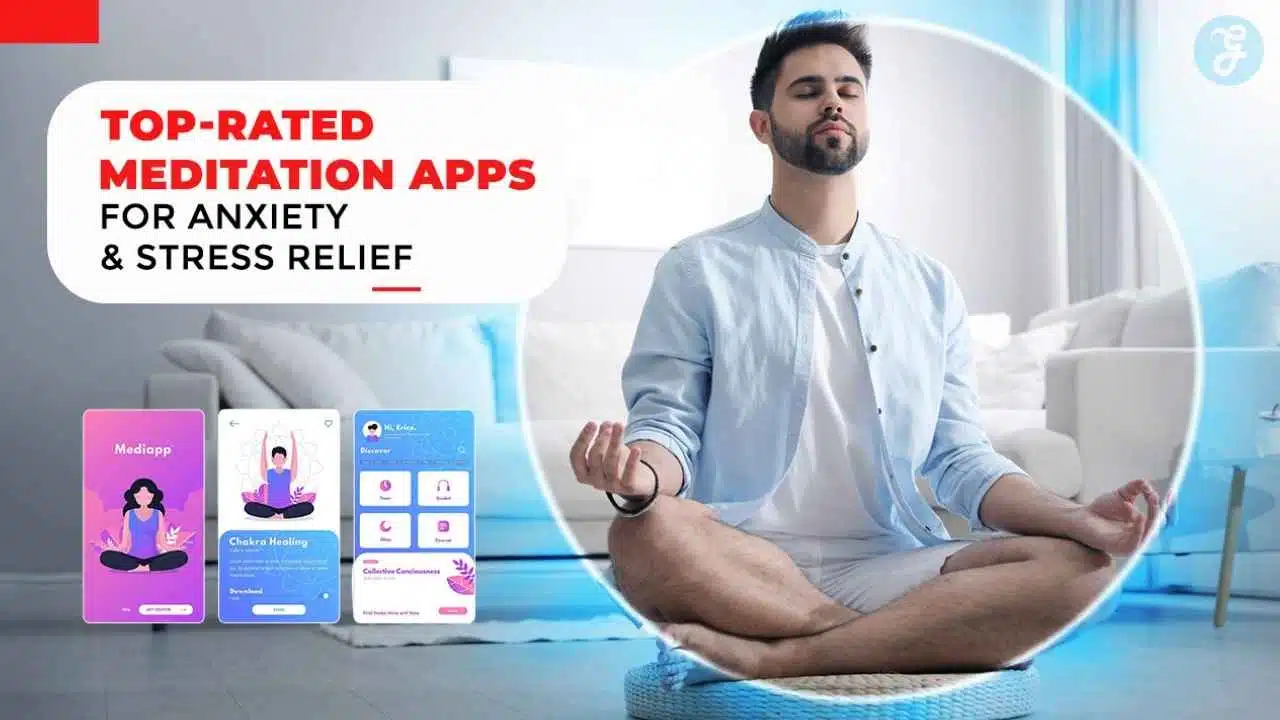
Anxiety can feel like your mind is stuck on fast-forward. One thought turns into ten, your body tightens, and even small tasks start to feel heavy. Meditation will not erase anxiety in one day, but it can help you create a pause before the spiral gets louder. That pause is often where relief begins, even if it is small at first. This is why people keep searching for the best meditation apps for anxiety, because guided support makes it easier to start when you do not feel calm enough to “figure it out” alone.
Apps can help in a very practical way. They give you short guided sessions, breathing tools, body scans, sleep meditations, and reminders that keep you consistent. They also reduce decision fatigue by telling you what to do next, which matters when your mind already feels overloaded. In this guide, you will find 10 top-rated meditation apps, what each one is best for, and how to choose the right one based on your real life. You will also learn how to get better results from any app, what to do if meditation feels uncomfortable, and how to keep your routine simple.
Why Meditation Apps Can Help With Anxiety And Stress?
Meditation is often described as training attention, but for anxiety, it is also training your nervous system to settle. When you are anxious, your body can act like it is in danger even if you are safe. Your breathing becomes shallow, your muscles tense, and your thoughts start scanning for problems. Guided meditation helps you return to the present moment through breath, body awareness, and gentle focus. Over time, that practice can make your stress response less intense and easier to manage.
Meditation apps help because they lower the barrier to practice. Instead of guessing what to do, you press play and follow clear guidance. When anxiety is high, even choosing a technique can feel exhausting, so structure matters. Many apps also include short “in the moment” sessions for panic-style stress, which can be useful when you need support quickly. If sleep is affected, apps can provide wind-down routines that help your body shift out of alert mode. The goal is not a perfectly quiet mind, but a steadier response to your thoughts.
| What Meditation Apps Help With | What It Looks Like In Real Life |
| Calming the body | Slower breathing, less tension in chest and shoulders |
| Interrupting worry loops | Noticing thoughts without chasing them |
| Building a routine | Practicing daily without overthinking it |
| Better sleep support | Easier wind-down and fewer “racing thoughts” nights |
What Mindfulness Actually Does In The Moment?
Mindfulness is noticing what is happening right now without judging yourself for it. During anxiety, your mind often jumps into future fear or past regret, and your body follows that story. A guided session helps you anchor to something steady, like breathing or physical sensations. When your attention returns again and again, you learn that you can step out of the spiral for a few seconds at a time. Those seconds add up into real change.
What Research Says About Anxiety Relief?
Evidence reviews and large research summaries often describe meditation as helpful for stress and anxiety symptoms for many people, especially when practiced consistently. The effect is usually described as gradual rather than instant, and it depends on the person, the style, and the frequency. Programs that combine mindfulness with practical coping skills often work better than random sessions chosen once in a while. The most realistic expectation is small improvements that become more noticeable over weeks, not a dramatic shift overnight.
When To Be Careful And Talk To A Professional?
Meditation is not comfortable for everyone at the start. Some people feel more anxious when they sit still, especially if they have trauma symptoms, panic disorder, or intense intrusive thoughts. If a session makes you feel overwhelmed, it is okay to stop and switch approaches. Breath-based grounding, walking meditation, or short external-focus practices can feel safer than silent sitting. If anxiety is disrupting daily life, professional support can be a helpful next step, and an app can still be used as a daily support tool.
| If This Happens | Try This Instead |
| You feel worse after meditating | Use shorter sessions with more guidance |
| You feel panic rising | Switch to breathing or sensory grounding |
| Trauma memories surface | Pause meditation and seek professional support |
| Anxiety affects daily function | Use apps alongside structured care |
How We Chose These Top-Rated Meditation Apps?

There are many meditation apps, but not all of them are strong for anxiety and stress. For this list, we focused on real-world usefulness, not just popularity. We prioritized apps that include anxiety-focused sessions, quick calming tools, and sleep support, because those are the most common pain points. We also looked for beginner-friendly design, because anxiety often makes it harder to start something new. An app can be excellent, but if it is confusing, it will not help you when you need it most.
We also kept variety in the list. Some people want a soothing, calming vibe for sleep. Others want a structured learning path that teaches meditation as a skill. Some people prefer science-style explanations, while others prefer a simple, minimalist design. We included free-first options because cost can be a real stressor, and many people want to test meditation before paying. A good list should help you find the best fit, not push one “perfect” answer.
| Selection Filter | Why It Matters For Anxiety |
| Anxiety and stress sessions | You need targeted content, not only general calm |
| Short sessions and breath tools | Useful during busy days and sudden stress spikes |
| Beginner pathways | Reduces frustration and helps you build momentum |
| Sleep support | Nighttime anxiety is common and often overlooked |
| Clear value | Free options should still feel usable and complete |
Our Scoring Criteria
We looked for apps that offer short guided meditations, breathwork, body scans, grounding tools, and sleep content. We also valued apps that help you build a habit through simple plans, reminders, and clear navigation. Another important factor was tone. An anxiety-friendly app should feel supportive and realistic, not overly dramatic or overly perfect. The best content meets you where you are.
What “Top-Rated” Means Here?
Top-rated means people consistently find the app useful and easy to use. It does not mean the app is perfect or that it will work for everyone. Anxiety is personal, and what calms one person may annoy another. This is why the guide focuses on matching the app to your needs and preferences. The goal is to find something you can actually stick with.
A Quick Note On Privacy And Data
Wellness apps can collect data like usage activity, preferences, and sometimes journaling-style inputs. If privacy is important to you, keep your setup simple and limit unnecessary permissions. Avoid sharing sensitive personal details inside any app unless you trust its privacy approach. It is also okay to use an app without creating deep personal logs, because meditation benefits do not require oversharing.
| Privacy Habit | A Simple Practice |
| Keep permissions minimal | Only allow what is truly needed |
| Limit personal notes | Keep journaling offline if you prefer |
| Use simple account setup | Avoid extra integrations when possible |
| Review settings regularly | Turn off anything that feels unnecessary |
Quick Comparison Of The Best Meditation Apps For Anxiety
Choosing an app gets easier when you start with one honest question. What do you need help with most, right now. Some people need sleep support, because anxiety shows up at night. Some need quick stress relief during the day, because work and responsibilities trigger tension. Others need a structured beginner path, because they want to learn meditation properly instead of sampling random sessions. When you choose by goal, you avoid wasting time.
Paid apps often offer larger libraries and polished content. Free apps can still be powerful if you use them consistently and repeat sessions. Many people assume they need the “best” app, but the truth is simpler. You need the app that feels easy to open and easy to follow. Consistency matters more than novelty. If you want a fast start, pick one app and use it for seven days without switching.
| Your Goal | The App Style That Usually Helps Most |
| Sleep anxiety | Wind-down routines and bedtime meditations |
| Daytime stress | Short guided resets and breath tools |
| Panic-style moments | Grounding and paced breathing |
| Beginner learning | Step-by-step meditation basics |
| Budget concerns | Strong free library and simple guidance |
Fast Picks By Goal
If your anxiety hits at night, choose an app that feels calm and sleep-friendly, with longer sessions that help you settle. If anxiety hits during the day, choose an app with short sessions you can do between tasks. If you deal with panic sensations, choose breath-based tools and grounding that focuses on the body. If you are new, choose structure so you do not have to guess what to do next.
Free Vs Paid: What You Really Get
Free versions often include basic meditations, a timer, and a starter collection. Paid plans usually add full courses, offline access, deeper sleep libraries, and more personalization. You can still build strong results with free tools if you repeat sessions consistently. A paid plan can be worth it if it makes you practice more often and reduces your stress about what to do.
What To Try First If You’re New?
Start small enough that you do not argue with yourself. Three to five minutes is a strong beginning. Repeat one session for a few days instead of switching constantly, because familiarity makes anxiety settle faster. Choose a voice and style that feels comforting, not annoying. If you feel even slightly better afterward, that is enough to keep going.
| Beginner Start | A Simple Way To Do It |
| Keep it short | Three to five minutes a day |
| Repeat sessions | Same practice for three days |
| Use it in real moments | Try one session during stress, not only at bedtime |
| Notice small wins | Even a small calm shift counts |
1. Calm
Calm is often chosen by people who want relaxation and sleep support. The sessions usually feel soothing, slow, and comforting, which can be helpful when anxiety shows up at night. Many users use it as part of a bedtime routine because it lowers stimulation and helps the body shift into rest mode. The overall experience tends to feel polished and gentle, which some people find reassuring. If your anxiety feels like a constant buzz, that softer tone can help you unwind.
Calm also fits people who do not want to overthink meditation technique. You press play and follow the guidance without needing to learn complex ideas. This can be helpful when stress is high and decision-making feels hard. Calm usually includes a mix of guided meditations, breathing support, and sleep-focused audio. If nighttime worry is your main struggle, this is one of the most common starting points.
| Calm Summary | What To Expect |
| Best for | Sleep anxiety and bedtime stress |
| Style | Soothing, gentle, low-effort guidance |
| Strong features | Wind-down routines, sleep meditations, calming audio |
| Watch-outs | Full value may require a paid plan |
Best For
Calm is best for people whose anxiety rises at night and makes sleep difficult. It also works well for people who want a comforting tone and do not want a strict training-style approach. If you want a relaxing routine that feels easy to repeat, Calm usually fits that need.
Standout Features
Calm tends to focus strongly on sleep-friendly routines and long-form relaxation. Many people use it for winding down after work, easing nighttime worry, and quieting a busy mind. The content can feel like a gentle guide that keeps you from spiraling.
What To Know Before You Pay?
If you only need short breathing exercises, you may get enough value from free-first options. Calm can feel most worth it when you use its sleep and relaxation content consistently. A good approach is to test it for a week and decide based on your sleep quality and stress level.
2. Headspace
Headspace is built for beginners who want structure. Instead of throwing you into a huge library, it often guides you through meditation basics in a step-by-step way. This style can reduce frustration, because you know exactly what to do next. It can also help people who feel restless during meditation, because the guidance usually stays clear and practical. If anxiety makes you feel impatient, structure can be the difference between quitting and continuing.
Headspace often works well for people who want meditation to feel like a skill they are learning. The sessions commonly focus on attention, breathing, noticing thoughts, and returning gently. That repetition teaches your mind how to settle without forcing calm. Many people use it as a short morning routine or a midday reset. If you are serious about building a consistent habit, Headspace can be a steady companion.
| Headspace Summary | What To Expect |
| Best for | Beginners who want a clear learning path |
| Style | Practical, structured, easy to follow |
| Strong features | Guided basics, themed sessions, short daily practice |
| Watch-outs | Many features may sit behind a paid plan |
Best For
Headspace is best for beginners who want clear instruction and a consistent plan. It also suits people who get overwhelmed by too many choices. If you want a simple routine that builds over time, this app usually fits well.
Standout Features
The biggest strength is the structured approach. You learn core techniques in a way that feels doable and not intimidating. This can reduce the pressure of “doing meditation right,” which is often a hidden anxiety trigger.
What To Know Before You Pay?
If you need a large free library, you might prefer a free-first app. Headspace is usually worth it when structure is what keeps you consistent. If the clear plan helps you practice daily, the cost can feel justified.
3. Insight Timer
Insight Timer is known for variety and volume. It often appeals to people who want access to many teachers, styles, and session lengths in one place. For anxiety, that variety can be both a strength and a trap. It is helpful because you can find exactly what matches your mood, whether that is grounding, breathwork, sleep meditation, or self-compassion. It is risky because too many choices can lead to browsing instead of practicing. The key is to keep your approach simple.
If you use Insight Timer wisely, it becomes a long-term toolkit. Start with one short anxiety-focused series and repeat it for a week. Then expand slowly, adding new sessions only when your habit is stable. Many people also use it for a meditation timer, which supports silent practice once you feel comfortable. If you like exploring different voices and approaches, this app can grow with you.
| Insight Timer Summary | What To Expect |
| Best for | Variety and strong free content |
| Style | Huge library with many teachers |
| Strong features | Topic search, short sessions, timer for silent practice |
| Watch-outs | Choice overload if you do not simplify |
Best For
Insight Timer is best for people who want free variety and enjoy exploring different guided styles. It also fits people who want a meditation timer and plan to build into silent practice later. If you like flexibility, it is a strong option.
Standout Features
The large library helps you find sessions for specific needs, including anxiety, stress, sleep, and grounding. Many users appreciate being able to choose short sessions that fit busy days. It can also help you stay engaged because there is always something new.
What To Know Before You Pay?
You can get meaningful value without paying if you keep your routine consistent. If you decide to upgrade, do it because it helps you practice more often, not because you feel pressured. For anxiety, consistency matters more than extra features.
4. Balance
Balance often focuses on personalization and daily coaching-style practice. For anxiety, personalization can feel helpful because stress patterns change from day to day. Some days you need breathwork and grounding, and other days you need a longer session to settle your mind. A personalized approach can guide you toward what fits your mood without making you search. This reduces friction, which is important when you already feel overwhelmed.
Balance also supports habit building by encouraging regular use. Anxiety tends to calm more when you practice consistently, even for a few minutes. The app’s structured plans can keep you from drifting, and the tailored sessions can keep you from getting bored. If you struggle to stay consistent, Balance can feel like a gentle routine that meets you where you are.
| Balance Summary | What To Expect |
| Best for | Personalization and daily habit building |
| Style | Coaching feel with tailored sessions |
| Strong features | Daily plans, mood-based practice, beginner-friendly pacing |
| Watch-outs | Full personalization may require a paid plan |
Best For
Balance is best for people who want an app to guide them daily rather than forcing them to choose from a large library. It is also helpful for people who struggle with consistency and need gentle structure. If you want a routine that adapts, this is a good match.
Standout Features
The personalized sessions can help reduce decision fatigue. The guided plans help you stay steady without feeling like meditation is a big project. For anxiety, this simplicity can be calming in itself.
What To Know Before You Pay?
If your budget is tight, start with a free option and build the habit first. Balance tends to feel most worth it when personalization helps you stay consistent. If you notice you practice more often because the app guides you smoothly, that is a strong signal.
5. Waking Up
Waking Up often blends meditation practice with deeper explanations about how the mind works. This can help people whose anxiety comes with heavy overthinking. When you understand what thoughts are doing, they can feel less powerful. The tone may feel more reflective and educational than some relaxation-first apps. If you like learning and you want meditation to feel meaningful, this approach can keep you engaged.
Many people with anxiety struggle with the feeling that thoughts are facts. A practice that teaches you to observe thoughts as mental events can reduce that grip. Waking Up often supports daily practice and longer lessons that help you build perspective. If you have tried meditation before and felt bored, the educational style can make it feel new again.
| Waking Up Summary | What To Expect |
| Best for | Overthinking and deeper learning |
| Style | Reflective, educational, skill-focused |
| Strong features | Daily practice, lessons, structured learning |
| Watch-outs | Less sleep-first than some other options |
Best For
Waking Up is best for people who want more than relaxation and prefer learning-based meditation. It is also good for people who feel stuck in mental loops and want a different angle. If you enjoy thoughtful guidance, it can be a strong fit.
Standout Features
The combination of practice and explanation can help you understand anxiety patterns. Instead of only calming you down, it helps you relate differently to thoughts. That shift can reduce the intensity of spirals over time.
What To Know Before You Pay?
This app can feel more serious than others, which some people love and some do not. If your main goal is sleep audio, you might prefer a sleep-first app. If your main goal is mental clarity and skill-building, it may feel worth it.
6. Happier Meditation
Happier often appeals to people who feel skeptical about meditation. Its tone tends to be practical and grounded, which can reduce pressure. Anxiety often comes with self-judgment, and many people quit meditation because they think they are “bad at it.” A relatable tone can help you keep going. Instead of aiming for perfection, the app often encourages small steps that fit into real life.
This style can be helpful if your stress comes from daily responsibility overload. Many sessions are designed to be usable even when you are busy and distracted. Happier can also support people who want mindfulness without heavy spiritual framing. If you want meditation to feel like a simple life skill, this app can be a comfortable entry point.
| Happier Summary | What To Expect |
| Best for | Relatable, practical mindfulness |
| Style | Friendly, realistic, low-pressure |
| Strong features | Stress sessions, beginner-friendly guidance, steady habit support |
| Watch-outs | Full library may require a paid plan |
Best For
Happier is best for people who feel restless, skeptical, or intimidated by meditation. It suits those who want practical language and real-life examples. If you want support that feels human and doable, it often fits well.
Standout Features
The biggest value is the approachable tone. When anxiety is high, you need encouragement that feels realistic. The sessions often meet you where you are and help you practice without feeling judged.
What To Know Before You Pay?
If budget is a concern, test a free option first and build your habit. Happier tends to be worth it when its tone helps you practice consistently. If you notice you keep returning because the guidance feels relatable, that is a strong sign.
7. Smiling Mind
Smiling Mind is often seen as a strong free-first option, including support for younger users and families. Stress can start early, and mindfulness skills can help build emotional regulation over time. The content often feels structured and simple, which is helpful when anxiety makes everything feel complicated. Because it is free-first, it reduces the pressure of deciding whether a subscription is worth it. That alone can be calming for some people.
Smiling Mind can also support adults who want short, simple sessions. Not everyone wants an app that feels like a lifestyle brand. Some people want quiet, practical guidance with minimal fuss. This app often fits that need. If you want an easy starting point for daily practice, it can be a strong choice.
| Smiling Mind Summary | What To Expect |
| Best for | Free-first practice and family-friendly support |
| Style | Simple, structured, calm tone |
| Strong features | Short programs, habit-friendly sessions, accessible design |
| Watch-outs | Less premium polish than subscription-heavy apps |
Best For
Smiling Mind is best for families, students, and anyone who wants a free-first option. It also suits people who want short sessions and straightforward guidance. If cost adds stress, it is a comfortable starting place.
Standout Features
The structured programs can make practice feel easier. The simplicity can reduce decision fatigue and help you build a routine. For many people, a calm and steady approach works better than constantly changing content.
What To Know Before You Pay?
You may not need to pay at all. If you want premium audio production or massive libraries, you might eventually switch. If your goal is consistency and calm, a simpler option can still be enough.
8. Healthy Minds Program

Healthy Minds Program is often framed around skill-building and emotional training. Instead of focusing only on relaxation, it often treats mindfulness as part of building resilience. For anxiety, this can feel helpful because you are not only calming down, you are learning how to respond differently over time. A skills approach can also appeal to people who like structure and clarity. When you understand what you are practicing, it can feel easier to commit.
This app can be useful if you prefer a science-style tone. Some people feel calmer when things feel grounded and practical. If your anxiety includes a lot of “why am I like this” thinking, a structured framework can help reduce that confusion. You can use it as a daily mental fitness routine, focusing on small consistent steps.
| Healthy Minds Summary | What To Expect |
| Best for | Skills-based practice and structured learning |
| Style | Calm, practical, education-forward |
| Strong features | Step-by-step practice, resilience-building approach |
| Watch-outs | Less entertainment-style content than some apps |
Best For
Healthy Minds Program is best for people who want a structured approach and prefer learning-based practice. It fits those who want long-term skill building rather than only short-term relaxation. If you enjoy frameworks, it can be a good match.
Standout Features
The focus on building emotional skills can support anxiety management over time. The sessions often feel like training your mind gently and consistently. This can be reassuring for people who want a plan rather than random sessions.
What To Know Before You Pay?
Many people choose it because it is accessible and does not feel pushy. If you want polished sleep audio, you might add a sleep-first app. If you want steady mental training, this app can be enough by itself.
9. UCLA Mindful
UCLA Mindful is a simpler, no-frills style option for guided meditation basics. Some people feel overwhelmed by apps that have too many buttons, too many categories, and too many choices. Anxiety can make decision-making harder, so a minimal app can be a relief. UCLA Mindful often feels direct and focused, which can help you start quickly without browsing. When your stress is high, speed and simplicity matter.
This kind of app can be useful for quick grounding. If you need a short reset during the day, a basic guided session can help you slow down and return to the present. UCLA Mindful can also work well if you are new and want to learn simple techniques without subscriptions and extra features. Sometimes, the best approach is the simplest one.
| UCLA Mindful Summary | What To Expect |
| Best for | Simple guided basics without clutter |
| Style | Minimal, direct, easy to start |
| Strong features | Straightforward sessions, beginner-friendly pacing |
| Watch-outs | Smaller library than large subscription apps |
Best For
UCLA Mindful is best for people who want basic guided meditation and do not want an app that feels overwhelming. It suits beginners who want a simple entry point and people who want a quick stress reset. If you value simplicity, it is a strong choice.
Standout Features
The minimal approach reduces decision fatigue. You can start a session quickly and get what you need without searching. That can be helpful when anxiety is already draining your mental energy.
What To Know Before You Pay?
You may not need to pay at all. If you want more variety later, you can add a larger library app. If you want simple practice that you can repeat daily, this app can do the job.
10. Medito
Medito is often chosen as a free, low-pressure option. When anxiety is high, cost can feel like another stressor, and free access helps remove that barrier. Medito typically focuses on core techniques like breath focus, body awareness, and simple guided sessions. For many people, this is enough. Meditation benefits often come from repetition, not from having the biggest library.
Medito can also be useful as a backup tool. If you cancel a subscription or want something simple while traveling, a free option keeps your routine alive. For anxiety, keeping your routine alive matters. Even short daily sessions can help you feel steadier over time. If you want the easiest possible starting point, Medito can be a strong pick.
| Medito Summary | What To Expect |
| Best for | Free guided practice and simple daily use |
| Style | Straightforward, low-distraction |
| Strong features | Foundational sessions, habit-friendly approach |
| Watch-outs | Less premium polish and fewer extras than paid apps |
Best For
Medito is best for people who want a free meditation routine with simple guidance. It fits beginners who do not want complicated features and people who want to practice without subscriptions. If you want “open the app and start,” it works well.
Standout Features
The focus on fundamentals supports consistency. For anxiety, fundamentals like breathing and grounding often matter more than advanced techniques. A simple approach can also reduce the pressure to do meditation perfectly.
What To Know Before You Pay?
You may not need to pay at all. If you want premium sleep content or a more polished experience, a paid app may feel nicer. If your goal is calm through repetition, this free option can still support you.
How To Choose The Best Meditation Apps For Anxiety?
Choosing the right app is mostly about matching it to your anxiety pattern. If anxiety hits at night, you need sleep-focused tools. If anxiety hits at work, you need short stress resets. If anxiety comes as racing thoughts, you need structured guidance that teaches your attention where to go. When you choose based on your real needs, it becomes much easier to stick to the habit. This is the practical way to find the best meditation apps for anxiety without wasting time or money.
Also, pay attention to tone and voice. If a voice irritates you, you will not use the app, no matter how good the content is. Pay attention to session length too. Long sessions can feel intimidating for beginners, while short sessions feel achievable. A good starting point is choosing an app you can use daily for one week without resistance. If it helps even a little, you can continue and build from there.
| Your Main Need | What To Prioritize |
| Nighttime worry | Sleep meditations and wind-down routines |
| Physical anxiety | Breath tools and body scans |
| Racing thoughts | Structured guidance and beginner courses |
| Motivation problems | Daily plans and reminders |
| Budget stress | Free-first options and simple libraries |
Match The App To Your Anxiety Pattern
If your anxiety feels physical, start with breathwork and body scans that calm your body first. If your anxiety feels mental, start with guided sessions that teach you to label thoughts and return to the present. If your anxiety is social or performance-based, look for sessions on confidence, self-compassion, and grounding. If your anxiety spikes at night, make sleep the priority and build a consistent bedtime routine.
Features That Matter More Than Famous Names
The most useful features for anxiety are usually simple. Short “in the moment” sessions can help during sudden stress. Breathing tools can calm your body quickly. Sleep support can help when your mind will not switch off. Clear navigation matters because you do not want to search for ten minutes when you feel anxious. The goal is not having the most features, but having the right ones.
A Simple 7-Day Trial Plan
Choose one app and commit for seven days. Keep sessions short for the first three days so your brain does not resist. Repeat the same session for familiarity, because repetition lowers anxiety. Use one session during the day when stress is real, not only at bedtime. At the end of the week, decide based on how you feel, not based on how “fancy” the app seems.
| 7-Day Trial Plan | What It Builds |
| Short daily practice | Consistency without pressure |
| Repeating sessions | Confidence and familiarity |
| Using it in real moments | Practical stress relief skills |
| One-week decision | A clear choice without overthinking |
How To Get Better Results From Any Meditation App?
Many people quit meditation because they expect instant calm. A better goal is a small shift you can notice. A slightly slower breath, a softer reaction, a quicker return to the present. These changes can feel small, but they are meaningful because they reduce the intensity of anxiety over time. Meditation is like training a muscle. It becomes more reliable when you practice regularly.
Short sessions are powerful because they reduce resistance. Two to five minutes a day is enough to build a habit, and a habit is what creates change. Try to practice at the same time each day, because routine reduces decision fatigue. If you miss a day, do not overthink it. Return the next day with a short session. Anxiety often improves when you treat yourself with patience, not pressure.
| Results Booster | Why It Helps |
| Short sessions | Easier to start and easier to repeat |
| Same time daily | Builds routine and reduces resistance |
| Breath-first practice | Calms the body quickly |
| Repeating favorites | Builds comfort and confidence |
Two-Minute Practices That Still Count
A short practice can still calm you. Try focusing on breathing and counting exhales slowly. When your mind wanders, return gently without judging yourself. That return is the practice. Over time, those small returns teach your brain how to stop chasing every anxious thought. Two minutes done daily can be more helpful than twenty minutes done once a week.
Breathing Tools You Can Use Anywhere
Breathwork is one of the fastest ways to reduce physical stress. A simple approach is slowing your exhale slightly longer than your inhale. Relax your jaw, drop your shoulders, and breathe low into your belly. Even one minute can reduce the “fight or flight” feeling. When you use breathwork often, your body learns to settle faster.
Tracking Progress Without Obsessing
Track one thing only, once a day. You can rate stress from one to ten, or note how you slept. The goal is not to control everything, but to notice patterns. If you see that you feel calmer on days you meditate, that is motivation. If you see that certain sessions trigger discomfort, that helps you adjust. Keep tracking simple so it does not become another anxiety habit.
| Simple Tracking | What To Note |
| Stress rating | One number each day |
| Sleep quality | How rested you feel in the morning |
| Best tool | Which practice helped most |
| Small win | One calm moment you noticed |
Privacy, Safety, And Red Flags To Watch
Meditation apps should support you, not add worry. Keep permissions minimal and avoid sharing sensitive personal information inside an app unless you trust it. If an app encourages constant tracking, consider turning those features off. Some people feel more anxious when they monitor everything, so a lighter approach can be healthier. A simple setup often feels safer and easier.
Safety also matters emotionally. If meditation makes you feel worse, it is not a failure. It is information. Some people need shorter sessions, more guidance, or more external focus. Walking meditation and breathwork often feel safer than sitting still in silence. If anxiety feels severe or unmanageable, professional help can provide structure and safety. You can still use meditation as a support tool alongside that care.
| Safety Focus | A Practical Choice |
| Permissions | Keep them limited |
| Emotional discomfort | Switch to guided or breath-first sessions |
| Panic symptoms | Use grounding through senses and short practice |
| Severe anxiety | Add professional support |
Data Labels, Tracking, And What To Turn Off
Keep your setup simple. Avoid extra tracking if it makes you worry. Turn off anything that feels unnecessary and keep personal sharing minimal. If an app offers optional analytics or personalization that requires extra data, choose what feels comfortable. Meditation benefits come from practice, not from sharing more information.
If Meditation Makes You Feel Worse
If you feel worse after meditating, reduce the intensity. Choose shorter sessions with more guidance. Try a practice that focuses on the senses, like noticing sounds, touch, or the feeling of your feet on the floor. Breathwork can also feel safer because it gives your body something steady to do. If distress continues, pause meditation and seek support.
When Apps Are Not Enough?
If anxiety is affecting work, relationships, or daily functioning, it may be time for more support. Apps can be helpful, but they are not a full treatment plan. Professional care can provide personalized tools, safety planning, and deeper work on underlying patterns. Meditation can still be part of your routine, but it should not be your only tool if you are struggling.
| Signs You Need Extra Support | What It Can Look Like |
| Frequent panic episodes | Avoiding tasks or places |
| Ongoing sleep disruption | Exhaustion most days |
| Anxiety affecting daily life | Difficulty focusing and functioning |
| Feeling unsafe or hopeless | Immediate support is needed |
Final Thoughts
The best meditation apps for anxiety are not the ones with the most features. They are the ones you will use when your mind is loud and your day is busy. Start small, keep it simple, and focus on consistency. Choose one app, practice for three minutes a day, and let that be enough for now. Small practice builds real skill, and real skill makes anxiety easier to manage.
If you want a practical next step, pick one app today and do one short session. Then do the same tomorrow. That steady repetition is how calm grows over time, and it is how the best meditation apps for anxiety become more than just apps. They become tools you can rely on.