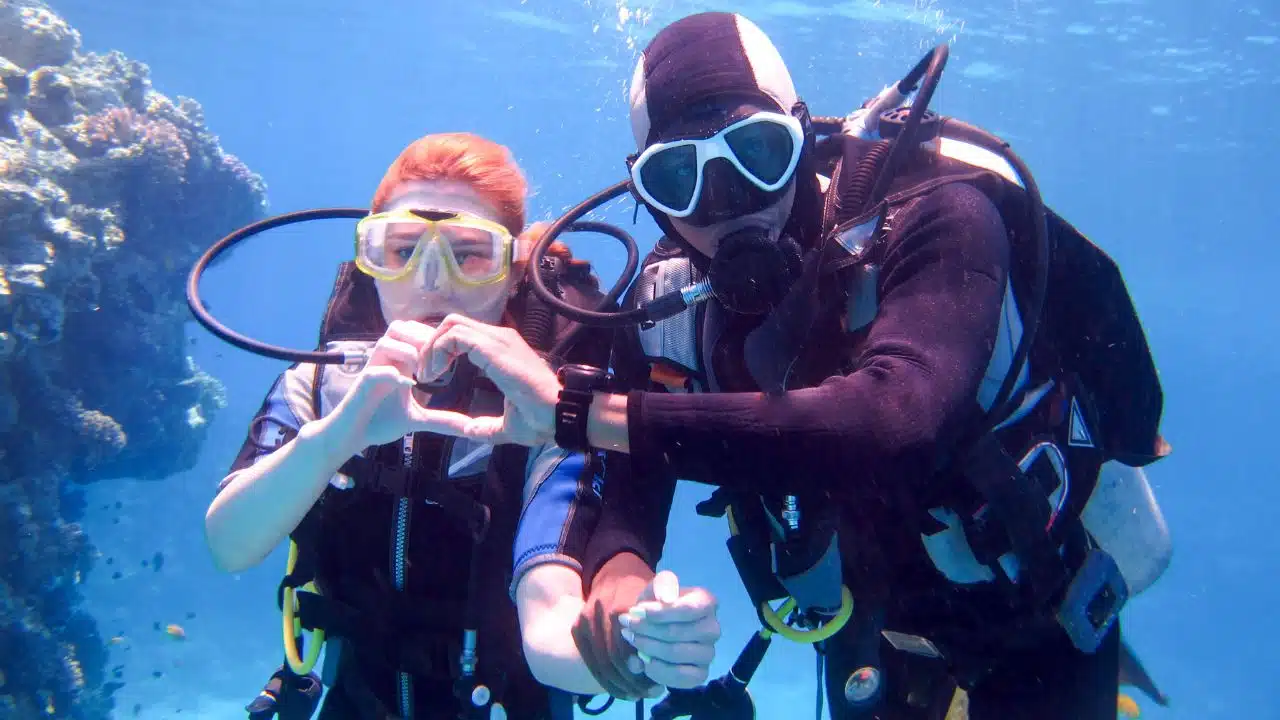
Planning to visit the Maldives, are you? Then diving in Baa Atoll is a must. Home to a diverse array of marine life, this part of the Maldives is like a dream you won’t want to wake up from.
Baa Atoll
Baa Atoll is a UNESCO Biosphere Reserve, meaning it’s a protected area. The atoll is known for its rich and unique marine life. Abundant in colour and life, the waters here are home to everything from manta rays and whale sharks to reef fish and beautiful corals.
Manta Rays
Diving in Baa Atoll is an opportunity to see manta rays up close. Drawn by the plankton-rich waters in the atoll’s bays, these giants, as innocent as toddlers, gather here in large numbers between June and November. During this time, you might witness dozens, if not hundreds, of manta rays feeding together – a spectacle you’ll never forget.
They don’t just glide serenely; the manta rays sometimes spin and swoop in circles, bumping into each other as they rush to feed on the tiny plankton. It’s one of the few places in the world where you can see this kind of ‘feeding frenzy’ in clear, shallow waters.
Over 1,600 individual manta rays have been recorded in Baa Atoll, which is around 40% of the manta ray population in the Maldives – how utterly remarkable is that?! You’ll mostly see reef manta rays, as they live closer to shore – the way they swim across the water, flapping their wide fins, makes it seem like they’re flying.
If you want to learn more about manta rays while having fun underwater, you could join the PADI Manta Ray Awareness Specialty Course, offered by Avani+ Fares Maldives Resort, one of the five-star PADI dive resorts in Maldives.
Whale Sharks in Hanifaru Bay
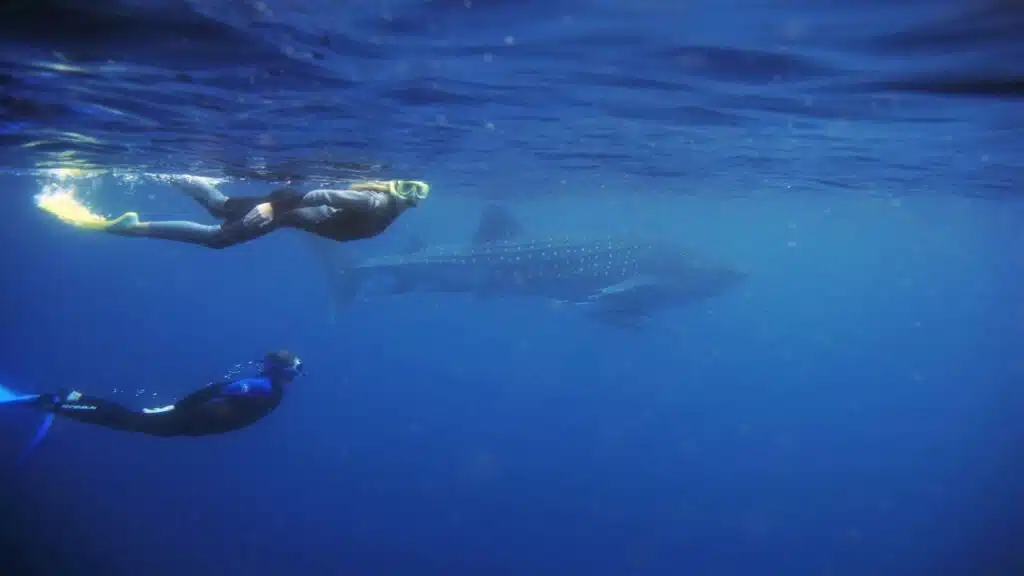
While manta rays are the main highlight in Baa Atoll, there’s another gentle giant to catch your eye: the whale shark. Hanifaru Bay, part of the UNESCO Biosphere Reserve, is one of the few places in the world where you can see both species feeding together in the same place. As you may already know, during the peak season from June to November, the bay becomes rich with plankton, which forms part of the diet for both mantas and whale sharks.
Whale sharks are massive filter feeders and also happen to be the largest fish in the ocean, yet they move so gracefully, never hurrying no matter what. Watching a whale shark glide past you, mouth wide open, could be unsettling for a first timer, but it’s a humbling and unforgettable experience.
Hanifaru Bay is a protected area, so only snorkelling is allowed here, not diving. Guided snorkelling trips usually last around three to four hours and are best suited for swimmers with a bit of experience, since the currents can sometimes be strong.
Speak to your resort to arrange a guided snorkelling trip in Hanifaru Bay.
Turtles
Turtles also call Baa Atoll home. You’re most likely to see green turtles and hawksbill turtles. They seem to be semi-permanent residents of the atoll, and you’ll often spot them swimming calmly near the reefs or taking a break under coral overhangs.
Hawksbill turtles, in particular, seem to favour Baa Atoll. Green turtles, on the other hand, like to feed in seagrass meadows – you usually see them slowly grazing or napping in the shade.
Although less common, you might also spot olive ridleys, leatherbacks, and loggerheads swimming in the area.
Conservation in Baa Atoll
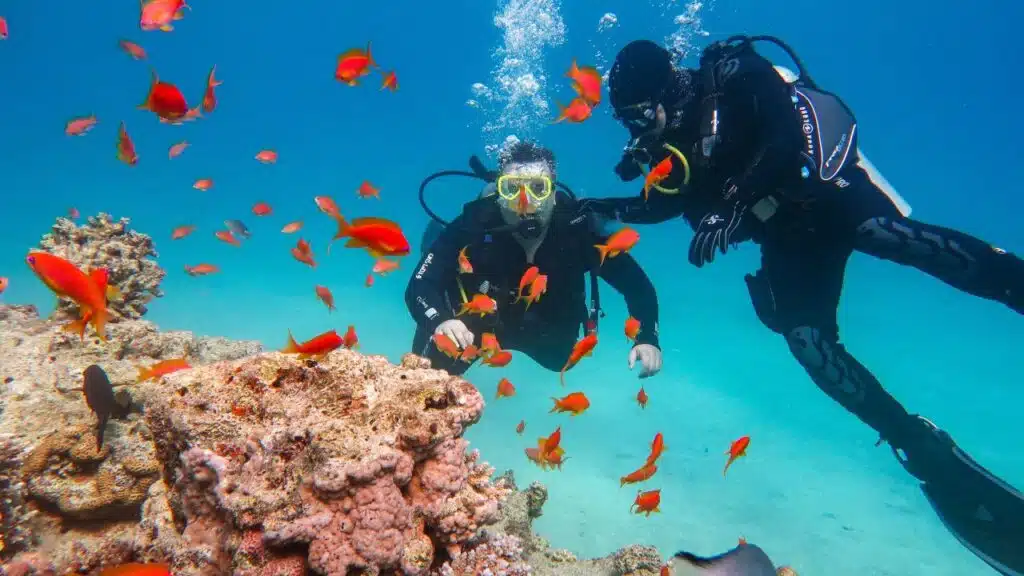
If you’ve been keeping your ears to the ground, you know that climate change and human activity have caused massive damage to the ocean world. To make things right again, the Maldives, in collaboration with resorts, is investing time, money and effort in conservation. You, as a visitor, have the chance to take part in meaningful activities that help protect this unique marine environment.
One popular activity is coral planting. It’s a hands-on session where you can learn about coral reefs, their role in the marine ecosystem, and how restoration works. These workshops are guided by marine biologists and PADI ambassadors. You might even get the opportunity to plant corals.
For something more community-oriented, join a beach clean-up, usually organised by resorts. Typically a half-day activity, beach clean-ups are all about teamwork. What will you be doing? Many things, including collecting plastic and other waste from the shore, sorting recyclables, and learning about the challenges marine ecosystems around the world face.
Some resorts even go the extra mile and host hour-long talks that include stories from PADI ambassadors and movies, which you can enjoy on the beach under the sky. What a lovely way to wind down after a day of adventure!