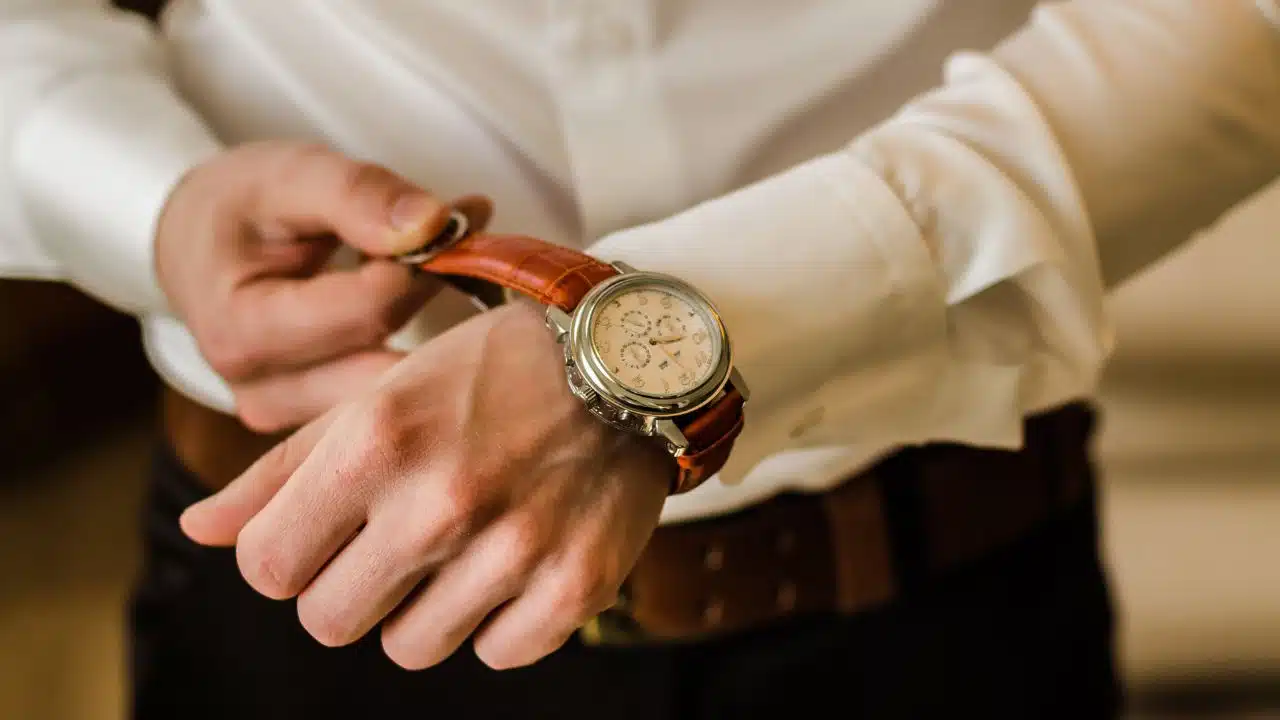
Men’s luxury watches have always been a status symbol and a mark of sophistication. Over the decades, these watches have evolved from a technical, fashion, or societal perspective. This journey explores the evolution of luxury watches through various developments and trends.
Early Beginnings
By the start of the 20th century, wristwatches were increasingly considered more practical than pocket watches and became popular for men. At first, these were simple, utilitarian watches. However, they had essential functions, especially in wartime, when they provided soldiers with a reliable and consistent means of telling time in the field.
The transition from pocket to wrist represents a significant shift in menswear accessories, paving the way for future advancements. You can enhance your collection with luxury watches for men designed for performance and prestige.
Post-War Advancements
However, the post-war years were a real renaissance period of watchmaking. These innovations led manufacturers to create automatic movements, which allowed the watches to wind automatically as the owner moved their arm. These developments changed the function of watches to automatic, thereby removing the manual winding aspect and providing ease of ownership. This period also witnessed the advent of water-resistant and shockproof designs, providing additional durability and improved utility.
The Quartz Revolution
Then came quartz technology, and the 1970s saw the end of one era and the beginning of another. The high accuracy of quartz watches and their lower prices presented a significant challenge for mechanical watches. The result was the so-called “Quartz Crisis,” when many old-line brands either had to develop new business models or die. However, even as mechanical watches were temporarily displaced, luxury brands moved to reestablish a position of craftsmanship and heritage, and mechanical watches eventually regained and maintained their prestige.
Luxury Redefined
By the end of the 20th century, luxury timepieces were not only there to tell the time anymore. They morphed into expressions of individuality and achievement. Then, brands started playing with gold, silver, and jewels, creating watches as much for aesthetics as practicality. Customization became a trend, enabling wearers to have unique designs and features.
Technological Integration
Luxury watches entered the 21st century with the technology revolution. As smartwatches have become fashionable, luxurious brands have adopted tech to varying degrees. GPS, altimeters, and chronographs, those bastions of electronic horology, have found their way into the mechanical realm, marrying classic lines to modern purposes. This blending has kept luxury watches alive during a time dominated mainly by digitalization.
Sustainability and Ethical Considerations
The watch industry has recently placed an increased emphasis on sustainability and ethical practices. Consumer awareness of environmental and social impact is increasingly influencing purchasing decisions. In response, brands are using sustainable materials and manufacturing practices. This change speaks to the larger trend of responsible luxury, where the two come together with conscious consumption and craftsmanship.
Craftsmanship and Innovation
Even though the technology-driven world evolves, the soul of luxury watches has always been crafted. Watch aficionados are still mesmerized by the complexity of crafting these watches. This procedure is where skilled artisans spend hours refining the details to ensure that every piece created is nothing short of a work of art. The industry welcomes new materials and designs that expand creative possibilities while honoring tradition.
Cultural Significance
Luxury watches have played significant roles culturally and cinematically. Film stars and public figures have worn them, symbolizing fashion and power. These associations have made luxury watches more appealing and collectible, and they are now often passed down as heirlooms.
Future Trends
The luxury watch industry still has a bright future with many new trends. We could integrate the excitement of deep learning and intelligence with innovative features. Personalization will probably continue to spiral, where consumers get as close as possible to designing a watch size, color, and style close to their individual taste. Combined with traditional watchmaking and modern creativity, this technology will still likely thrill generations.
Takeaways
Luxury watches for men have come a long way, and these timepieces represent the harmonious balance between rich traditions and recent innovations. They have evolved with the times, from humble timepieces to complex symbols of status and taste. The industry remains dedicated to upholding artistry and excellence standards as it progresses. The industry has continued to maintain its artistry and excellence standards for decades.