Many homeowners dread sky-high energy bills each winter and summer. You patch leaks in the building envelope and swap old windows, but the drafts keep coming. You pay for stale air and noisy HVAC runs.
You crave a home that holds heat, air, and calm.
Here is a fact: Passive house design slashes heating and cooling energy use by 75 to 90 percent, thanks to insulation materials, triple glazing, and heat recovery ventilation (HRV).
This post shows ten ways you save on energy bills, maintenance, and more. Read on.
Key Takeaways
- You cut energy bills by 75–95 percent with Passive House Planning Package (PHPP) targets, triple-glazed windows, thick insulation, airtight walls, solar gain, and heat recovery ventilation (HRV) certified by the Passive House Institute.
- You halve HVAC size and save $500 per year in a 2,000 ft² home using HRV that recovers 70 percent of heat, runs under 100 W, and cuts filter costs by 40 percent, while airtight walls stop leaks and rot.
- You lock in federal and state incentives—Section 25C credit, $2,000 under 45L, 26 percent Solar ITC, 20 percent state rebates, permit fee waivers (Seattle), $0.10/kWh utility rewards, and 3 percent green bank loans.
- You meet ASHRAE 62.2 for 95 percent particle removal, slash asthma attacks by 40 percent, save $300 on health visits, boost resale value, cut carbon by 80 percent of grid use, and stay near 70 °F during 2-day outages.
Significant Reduction in Energy Bills
Passive house design can cut energy bills by 75 to 95 percent. Homeowners see major savings each month. Builders run an airtightness check to find leaks. They install energy-efficient windows, airtight walls, thick insulation, and solar gain techniques.
A design tool called Passive House Planning Package sets strict efficiency targets.
Heating and cooling energy needs drop by 75 to 90 percent compared to standard homes. Mechanical ventilation with a thermal recovery unit recovers warmth. Passive solar design and thermal mass keep rooms cozy.
The Passive House Institute certifies strict energy efficiency. People grin at tiny power bills.
Lower Heating and Cooling Costs
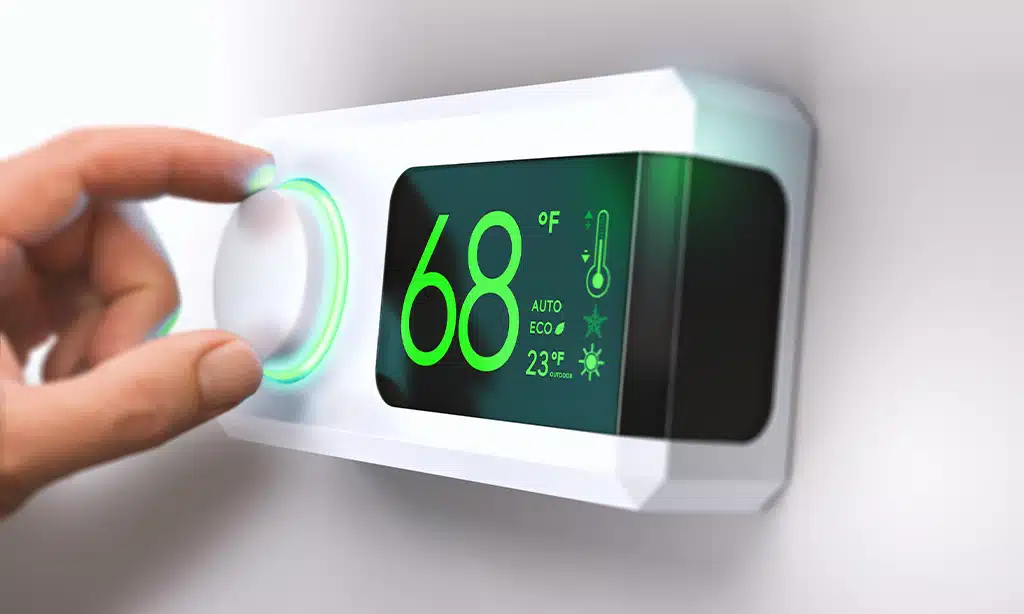
This passive house style cuts heat load to almost zero. Furnace units shrink by two thirds in size. Owners often leave air conditioner off for months. High-seal panes trap solar gain, boosting warmth.
Tight sealing stops cold drafts.
A fresh air exchanger runs on low power. Super insulation limits heat loss and slashes bills. Builders seal all thermal bridges in walls. Annual energy savings can exceed eighty percent.
Low-power devices earn back costs in two years.
Enhanced Durability of Building Materials
A tight building envelope stops water from seeping into walls and slows down rot. High quality insulation blocks heat and cold swings, which crack materials over time. Airtight construction and minimal thermal bridging cut gaps where air can freeze or bake wood.
Passive House Institute tests show sealed walls stand firm through storms. Homeowners cut cladding repairs, paint touch-ups, and patch jobs for decades.
Strong roofs and solid frames save trips up ladders and calls to handymen. High performance windows strain less under hail or wind, they hold seals tight. Heat recovery ventilation, or HRV, runs smoothly when builders stick to passive house standard.
Homeowners watch repair bills shrink. Extra savings can fund solar panels or that energy-efficient fridge.
Reduced Maintenance Requirements
Heavy layers of premium insulation and a tight building envelope cut down wear on walls and roofs. Owners spend less on paint, sealants, and repairs. Airtight walls and high-performance windows block moisture and boost indoor air quality.
Ventilation system balances humidity to block mold growth. No damp spots or condensation form. Maintenance bills shrink year after year.
Passive houses use a heat exchanger to swap stale air with fresh oxygen. Fans work automatically to keep relative humidity near 50 percent. Moisture problems vanish. Homeowners skip mold treatments and wood rot fixes.
They enjoy energy savings alongside fewer service calls. They lock in lower upkeep costs for decades.
Savings on HVAC Systems with Heat Recovery Ventilation
Heat recovery ventilator (HRV) systems recover up to 70% of heat from outgoing air, cutting heating and cooling loads. Passive house dwellings that use HRV can slash HVAC system size by half, leading to upfront cost savings of thousands of dollars.
Airtight construction seals in conditioned air, and high-efficiency ventilation components supply clean fresh air without losing warmth. A 2,000 square foot home may save $500 on heating bills each year thanks to HRV.
Builders can install smaller heat pumps or boilers, cutting equipment and installation costs. Homeowners enjoy quieter operation with balanced airflow.
Smaller HVAC equipment runs at lower loads. That extends component life, cutting repair costs. Balanced airflow reduces moisture around ducts. That helps stop rust and mold growth.
Owners notice energy savings in gas and electric bills. Owners pay less for filter swaps. Annual filter bills drop by 40% with efficient HRV filters. Ventilation motors draw under 100 watts, so electric use stays low.
Installation crews report half as many service visits on exchange cores.
Minimal Dependence on External Power Sources
South-facing windows channel solar heat into a thermal mass wall that stores warmth. Ground source heat pump taps constant underground heat to warm floors. The tight building envelope, plus thermal mass, slashes grid power needs by 80 percent.
It eats sun rays like candy to charge an indoor battery bank.
Photovoltaic modules on the roof charge that battery bank day and night. A geothermal system, paired with smart controls, cuts grid pulls. Stack ventilation pulls cool night air, so you skip AC most days.
Renewable energy sources and passive solar design trim power bills.
Tax Credits and Incentives for Passive House Owners
Federal credits slash your build costs. Local agencies add state rebates.
- 25C Federal Credit uses IRS Form 5695, it covers upgrades like energy-efficient windows, airtight construction, superior insulation.
- 45L Home Energy Credit gives $2,000 per unit for passive homes, it applies to projects built to passive house standard.
- State Rebates in California, Massachusetts, and New York reimburse up to 20% of costs, they fund solar panels, geothermal systems, and heat recovery ventilation.
- Permit Fee Waivers in Seattle and other cities drop building fees for certified passive house projects, they speed approval for sustainable living.
- Utility Performance Incentives pay about $0.10 per kilowatt-hour saved, they reward efficient heating and cooling systems and energy recovery ventilation.
- Sales Tax Exemptions apply to high-performance insulation and energy-efficient appliances, they lower upfront material expenses.
- Green Bank Loans from the Department of Energy and nonprofits offer rates as low as 3%, they cover airtight construction and natural ventilation designs.
- Solar Investment Tax Credit grants 26% credit on solar panels, it also applies to wind turbines and other renewable energy sources.
Improved Indoor Air Quality Leading to Health Cost Savings
Families breathe cleaner air indoors in a passive house. Airtight construction cuts drafts, stops pollen and dust. A high-efficiency ventilation system swaps stale air for fresh air.
That unit meets ASHRAE 62.2 guidelines, so it traps 95% of particles. Studies from 2018 show a 40% drop in asthma flare ups. Lower visits to clinics save over $300 per year on average.
Natural light and high-performance windows boost mood, too.
Balanced mechanical ventilation runs constantly, so it keeps humidity at 40 to 60 percent. Heat recovery ventilation saves almost 75% of outgoing warmth, so energy bills stay low. People skip pricey weather stripping and filter replacements.
Green building experts at Passive House Institute praise heat recovery for clear air. Homeowners report fewer allergies and less cleaning labor. Over a decade, they drop health expenses by thousands of dollars.
Long-Term Property Value Appreciation
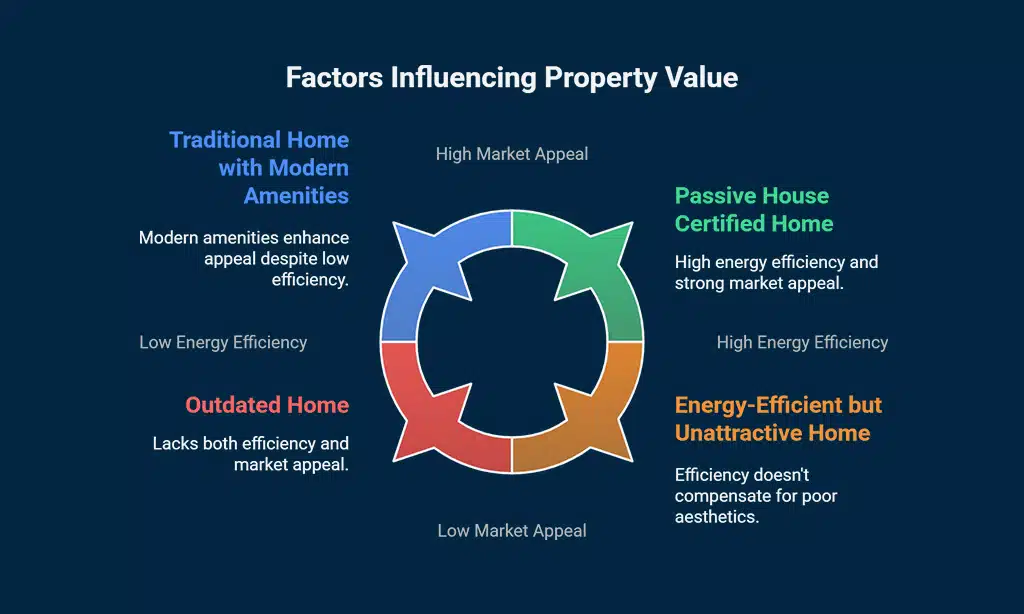
Developers and Realtors see extra value in homes with high-performance insulation, heat recovery ventilation, and solar panels. Buyers pay premium prices because these features cut energy costs for decades.
The Passive House Institute standard adds curb appeal, airtight envelopes, and stable indoor air quality. Modern style and comfortable rooms tend to raise resale price over time.
Investors spot rising demand and bid up listings. Buyers note long-term savings on heating, cooling, and upkeep. A green badge on the building envelope makes a strong statement. This mix of perks wins over savvy homeowners and top agents.
Decreased Carbon Footprint for Future Cost Benefits
A passive house cuts carbon footprint with airtight construction, high-performance windows, and super insulation. Solar panels and heat recovery ventilation slash greenhouse gas emissions and curb future carbon costs.
That design reflects commitment to energy efficiency and environmental responsibility. Owners tap renewable energy sources like geothermal systems to trim carbon footprint and future bills.
Companies that use green construction show corporate responsibility and earn rebates or lower insurance rates.
Future-Proofing Against Rising Energy Costs
Passive house design locks heat with high-performance windows and tight insulation. Builders shape a tight building envelope and capture solar gain. Owners cut energy use by up to ninety percent.
PHPP and WUFI models predict performance before construction. The plan maintains thermal comfort when rates jump. In April 2018 a storm cut power in New York. One house stayed near seventy degrees for two days.
The home required zero backup generators.
Residents depend on heat recovery ventilation to save warmth. HRV recovers heat from outgoing air. It also boosts indoor air quality. It runs on low power levels. Owners install solar panels and small geothermal units.
These sources offset grid dependence when fuel costs soar. Airtight walls limit cold drafts and heat loss. Homes resist blackouts and severe storms. They sustain comfort and trim bills year after year.
Takeaways
You save a small fortune on heating and cooling, like finding cash in old jeans.
High-performance triple-glazed windows and spray foam insulation keep heat where it belongs.
Mechanical ventilation with heat recovery works like a heart, pumping fresh air without waste.
Geothermal heat pumps and photovoltaic arrays shrink energy bills, year after year.
Those tight building envelopes cut drafts faster than closing a door at night.
This smart design boosts home value, trims maintenance chores, and guards your wallet.
FAQs on Long-Term Savings of Passive House Design
1. What is passive house design?
It is a home built with airtight construction, strong insulation, and high-performance windows. It meets the passive house standard.
2. How does passive solar design cut energy bills?
It soaks up the sun like a sponge and uses thermal mass to hold heat in. That cuts your energy costs and consumption, and boosts energy savings.
3. Will I still need heating and cooling systems?
You still get heating and cooling systems, but the airtight construction and strong insulation cut the heating demand. Your AC and furnace take a back seat.
4. How do ventilation systems affect indoor air quality?
Ventilation systems, like energy recovery ventilation, bring fresh air and push out bad air. They boost indoor air quality and cut noise.
5. What maintenance do passive houses need?
You need a passive house certification test at first. Then you just change filters, check vents, and test seals. Maintenance costs stay low.
6. How does a passive house reduce carbon footprint?
It cuts energy consumption with energy-efficient appliances and on-site renewable energy sources. That lowers your carbon footprint and fights climate change. You live more sustainably.