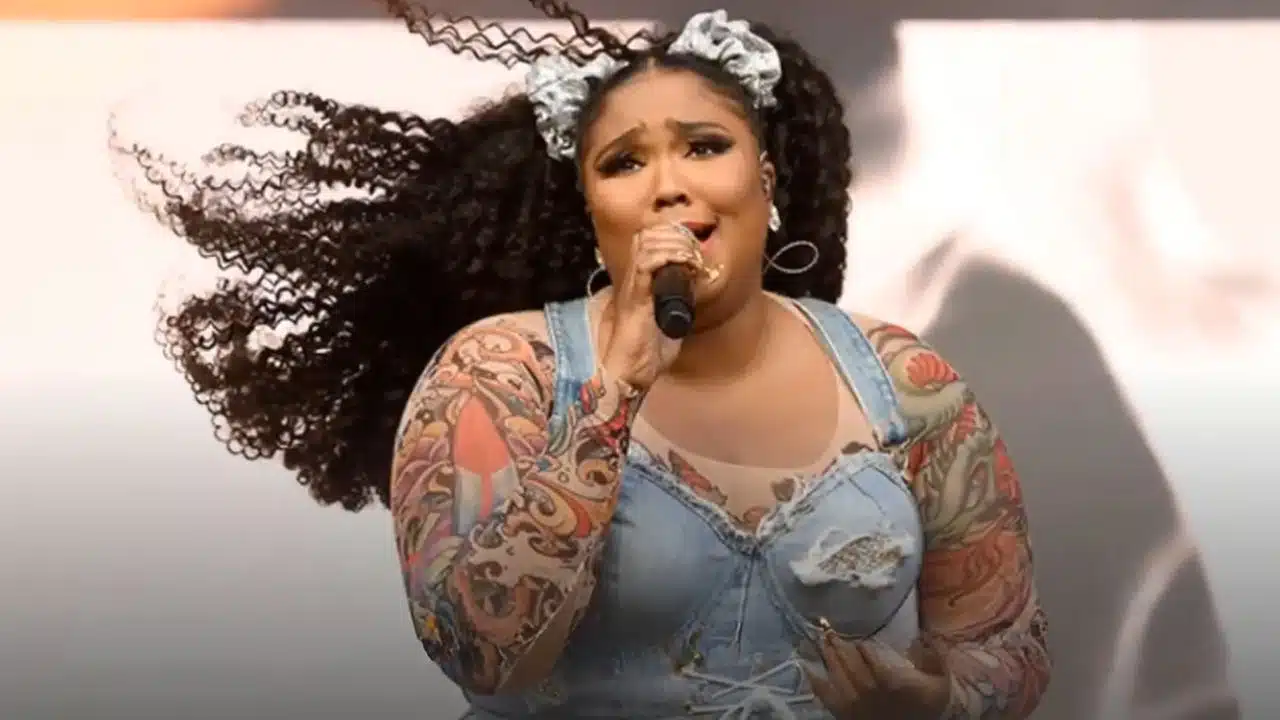
Grammy-winning artist Lizzo and her label, Atlantic Records, are facing a new copyright infringement lawsuit over a song that gained traction on social media but was never officially released. The GRC Trust filed the suit, claiming a track Lizzo previewed on TikTok and Instagram, known as “Good Jeans,” illegally samples their original composition. This legal challenge raises fresh questions about intellectual property rights in the age of viral social media previews.
The lawsuit, filed on Tuesday, October 21, 2025, alleges that Lizzo’s unreleased song, also titled “I’m Goin’ In Till October,” lifts significant instrumental and vocal elements from a composition owned by the GRC Trust, titled “Win or Lose (We Tried).” The plaintiffs contend that this constitutes a violation of their copyright and that a prior attempt to negotiate a license for the sample was unsuccessful. Lizzo’s team has expressed surprise at the legal action, emphasizing the song’s non-commercial status.
- Lawsuit Filed: The GRC Trust filed a copyright infringement lawsuit against Lizzo (Melissa Jefferson) and Atlantic Records on October 21, 2025.
- Allegation: The suit claims Lizzo’s unreleased song, known online as “Good Jeans” or “I’m Goin’ In Till October,” samples GRC Trust’s copyrighted work “Win or Lose (We Tried)” without permission.
- Dissemination: The song in question was not sold or officially released but was shared by Lizzo on her official TikTok and Instagram accounts earlier in 2025, where it gained popularity.
- Lizzo’s Position: A representative for Lizzo stated the song has “never been commercially released or monetized,” and no decision has been made about a future commercial release.
- Plaintiff’s Demands: The GRC Trust is seeking monetary damages and a legal injunction to block any future commercial exploitation of their song by the defendants.
- Legal Precedent: This case tests the boundaries of copyright law, as infringement is claimed over a work that has not generated direct revenue but gained significant public exposure through an artist’s own social media channels.
The Allegations: A Social Media Snippet Sparks a Federal Lawsuit
The core of the dispute lies with a track Lizzo shared with her millions of followers on TikTok and Instagram in 2025. The song, which fans dubbed “Good Jeans,” quickly became a talking point online. However, according to a lawsuit obtained by TMZ, the GRC Trust recognized parts of the song as their own.
The complaint alleges that both instrumental and vocal components of “Win or Lose (We Tried)” were incorporated into “Good Jeans” without authorization. Furthermore, the lawsuit claims that the two parties were aware of each other, having engaged in unsuccessful negotiations to license the work. This suggests, according to the plaintiff, that the alleged infringement was knowing and willful.
In a statement to the press, a representative for Lizzo pushed back against the lawsuit’s premise. “We are surprised that The GRC Trust filed this lawsuit,” the representative stated. To be clear, the song has never been commercially released or monetized, and no decision has been made at this time regarding any future commercial release of the song.”
This defense highlights the central legal question: can a copyright holder sue for damages over a song that was never sold, streamed on a monetized platform, or included on an album?
Legal Context: Copyright in the Digital Age
Under United States copyright law, a creative work is protected the moment it is “fixed in a tangible medium of expression.” This means that as soon as a song is written down or recorded, it is copyrighted, regardless of whether it has been published or registered.
According to the U.S. Copyright Office, an author has the exclusive right to reproduce, distribute, and create derivative works from their original creation. The GRC Trust’s lawsuit argues that by creating and sharing “Good Jeans” on social media, Lizzo both reproduced and created a derivative work from “Win or Lose (We Tried).
While registration is not required for copyright to exist, it is a prerequisite for filing a lawsuit for infringement in the United States. The GRC Trust would have had to register their work to bring this case to court.
Legal experts suggest that the non-commercial nature of the song’s use could be a key factor in the case, but it does not automatically absolve the defendants of liability. The “commercial gain” alleged by the GRC Trust may not be direct revenue but could be construed as promotional value and brand enhancement for Lizzo. The exposure to millions on social media is a valuable commodity in the modern music industry.
A History of Copyright Disputes
This is not the first time Lizzo has faced high-profile copyright allegations. Her 2019 breakout hit, “Truth Hurts,” was the subject of a prolonged legal battle.
- The Raisen Brothers Claim (2019): Songwriters Justin and Jeremiah Raisen claimed that “Truth Hurts” was derived from a 2017 writing session with Lizzo that produced a demo called “Healthy.” They argued that key melodic and lyrical elements, including the iconic line “I just took a DNA test, turns out I’m 100% that bitch,” originated in their session.
- Lizzo’s Proactive Lawsuit (2019): In response, Lizzo filed her own lawsuit against the Raisens, seeking a judicial declaration that they had no claim to her song. A judge ultimately sided with Lizzo in 2021, ruling that co-authorship of a prior work (“Healthy”) did not grant them ownership in a derivative work.
- Mina Lioness Credit (2019): The famous opening line was traced back to a 2017 tweet by singer Mina Lioness. After public discussion, Lizzo acknowledged her inspiration and granted Lioness a songwriting credit on “Truth Hurts.”
This history demonstrates Lizzo’s familiarity with the complexities of musical copyright and her willingness to engage in legal battles to defend her work.
The GRC Trust v. Lizzo case is in its early stages. The next steps will likely involve Lizzo’s legal team filing a formal response to the complaint, which could include a motion to dismiss.
The central arguments will likely revolve around several key points:
- Substantial Similarity: The court will need to determine if “Good Jeans” is “substantially similar” to “Win or Lose (We Tried)” from a legal standpoint.
- Damages: If infringement is found, the court will have to grapple with how to calculate damages for a work that was not commercially exploited. This could involve assessing the promotional value Lizzo gained from the social media posts.
- Fair Use: Lizzo’s defense might explore a “fair use” argument, although this is typically difficult to prove in cases of musical sampling.
This lawsuit will be closely watched by artists and legal professionals alike. In an era where teasing unreleased music on platforms like TikTok is a primary marketing strategy, the outcome could have significant implications for how artists share their creative process with the public.
The Information is Collected from TMZ and BBC.