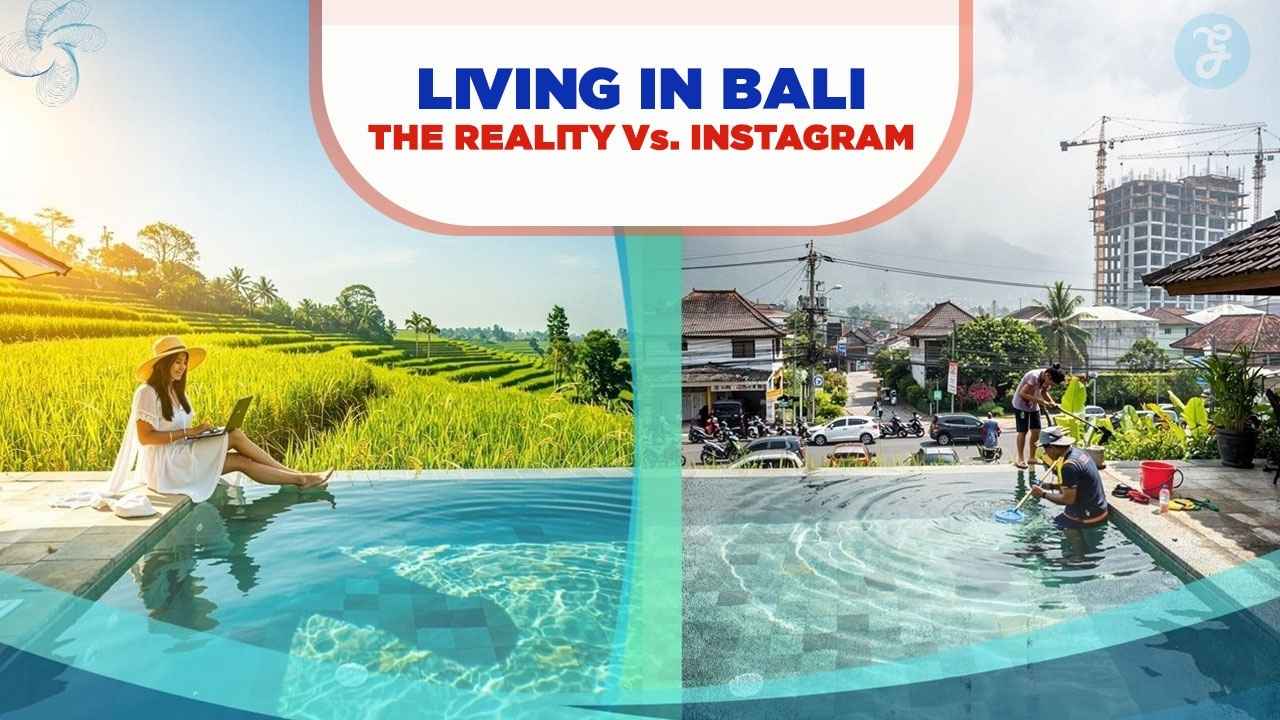
Have you ever scrolled through your feed and felt a pang of jealousy looking at those perfect Bali photos? You know the ones. They feature pristine white beaches, floating breakfasts, and digital nomads typing away under a palm tree. It looks like pure paradise. But does real life in Bali actually match those glossy dreams? The gap between your screen and reality can be massive. While over five million tourists visited the island in 2024-2025 alone, living here full-time is a completely different ballgame. I want to walk you through the truth behind the filters.
We are going to look at the real costs, the cultural nuances that shape your day, and the grit behind the glamour. You might find that the reality is even more interesting than the photos. Grab a coffee (or a coconut), and let’s see if living in Bali is the right move for you.
The Allure of Bali on Social Media
Bali looks flawless online. You see shiny beach clubs, colorful acai bowls, and sunsets that seem painted on the sky. It is easy to look at those posts and decide you want that life every single day.
Stunning Beaches and Instagrammable Spots
Turquoise waves lap at white sands in places like Kelingking Beach and Diamond Beach. Palm trees sway while the sunlight sparkles. Cameras pop up everywhere to capture the moment. Many travelers post bright photos from famous spots like the Bali Swing or the Tegalalang Rice Terrace. But here is the context the caption usually leaves out.
That famous “Gates of Heaven” shot at Lempuyang Temple? It is often an optical illusion created by a local holding a mirror under your phone lens. Plus, the wait time to take that single photo can exceed three hours during peak season. Trash also washes onto the shores after heavy rains, especially on the west coast beaches like Kuta and Seminyak between December and February.
Crowds gather for sunset at Tanah Lot Temple or Seminyak. This makes it tough to snap that “alone-in-paradise” shot you see online. Even so, surfboards line the sand, and coconuts wait on simple stands nearby. This is proof that life here is both beautiful and real.
Some sunsets beg for a filter; others just need your eyes.
Luxury Living on a Budget
Pool villas pop up all over Bali. In the past, you could find them starting at $600 a month. Some have jungle views or rice fields right outside your window. Swimming pools and daily cleaning come standard in many places. However, the post-pandemic boom has changed the market significantly.
As of late 2025, a modern one-bedroom villa in a hotspot like Pererenan or Berawa often commands $1,500 to $2,500 USD per month. To score those sweet sub-$1,000 deals, you now need to look further north to areas like Kedungu or Tabanan. Long-term renters can still find value, but you have to hunt for it outside the trendy zones.
The food scene remains a win for your wallet. High-end cafes serve smoothie bowls for around $5 USD. That is a steal compared to Miami or Sydney. Massage shops offer hour-long treatments for under $10 each. You can sip lattes at coworking spaces or eat sunset dinners on the beach for less than lunch back home.
The Digital Nomad Dream
Many digital nomads flock to Bali hoping for easy workdays beside the beach. Social media feeds with photos of laptops next to coconut drinks with palm trees in the background. The dream shows constant adventure and a stress-free lifestyle.

Let’s look at the logistics.
- Power Stability: Power cuts hit without warning. If you don’t have a backup battery, you might lose unsaved work.
- Time Zones: Meetings often happen at 2:00 AM if your clients are in New York.
- The Heat: Laptops overheat quickly in the sun. Most nomads trade the beach view for air-conditioned rooms at hubs like Tropical Nomad or B Work.
Life looks cheap online. Yet costs add up from coworking fees, visa extensions, and scooter rentals. Some days bring rain so heavy that you stay inside all day. Many expats share that balancing productivity with paradise living is trickier than it seems on Instagram. The upsides are real, like fresh fruit at breakfast and scooter rides past rice fields. But daily life also means late nights catching up on projects while everyone else posts sunset snaps.
The Reality of Living in Bali
Bali is more than pretty beaches and smooth lattes. Daily life throws in its own plot twists waiting for you around every corner. You need to be ready for the friction that comes with the freedom.
Traffic and Infrastructure Challenges
Getting from one place to another is not easy here. Cars and scooters fill the roads all day. This is especially true in spots like Canggu or Seminyak. Streets are narrow, and potholes pop up fast after heavy rain.
The infamous “Canggu Shortcut” is a prime example. It is a narrow field road that connects two main areas. It is frequently gridlocked with cars falling off the edge into the rice paddies. A simple 5-mile drive can easily take 45 minutes to an hour during sunset rush hour.
Public buses do not cover many areas. Most people use motorbikes or hire drivers via apps like Gojek or Grab. These apps are life-savers. They let you order a scooter taxi (GoRide), which can weave through traffic much faster than a car.
Power cuts still happen in some villages during storms. The Internet drops sometimes, too. These bumps remind you that this isn’t always paradise. But it sure keeps daily life interesting.
Cultural Differences and Adaptation
Every day life in Bali can feel very different from home. Balinese people are mostly Hindu. You will see many temples and daily offerings called Canang Sari on the streets. You must be careful not to step on these palm-leaf baskets as you walk on the sidewalk.
On Nyepi Day, which is the Balinese New Year, the whole island goes silent for 24 hours. No one leaves their house. Even internet use is often restricted. The airport closes completely. It is a magical time for reflection, but you need to prepare with food and supplies beforehand.
Island time is real. Things move more slowly here. Sudden ceremony days may close banks or stores without warning. Many locals value calm talk and respect over direct words. Visitors who raise their voice might seem rude rather than clear. Shoes come off at most doorways. For many expats and digital nomads, adapting to local customs takes patience and an open mind.
The True Cost of Living
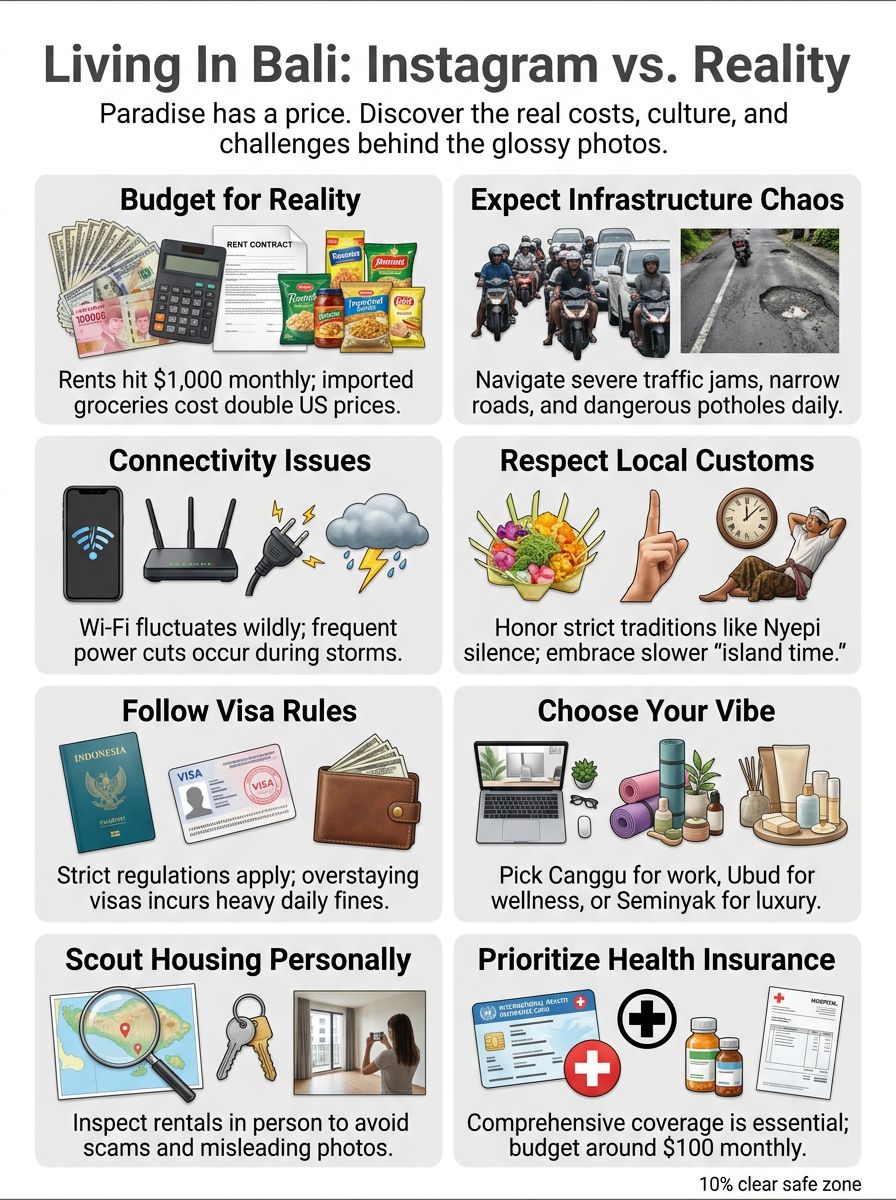
Bali looks cheap in photos. But costs add up fast depending on your lifestyle. Rent in Canggu or Seminyak can reach $1,000 to $2,500 a month for a private villa. Imported food and drinks often cost more than they do back home due to luxury taxes.
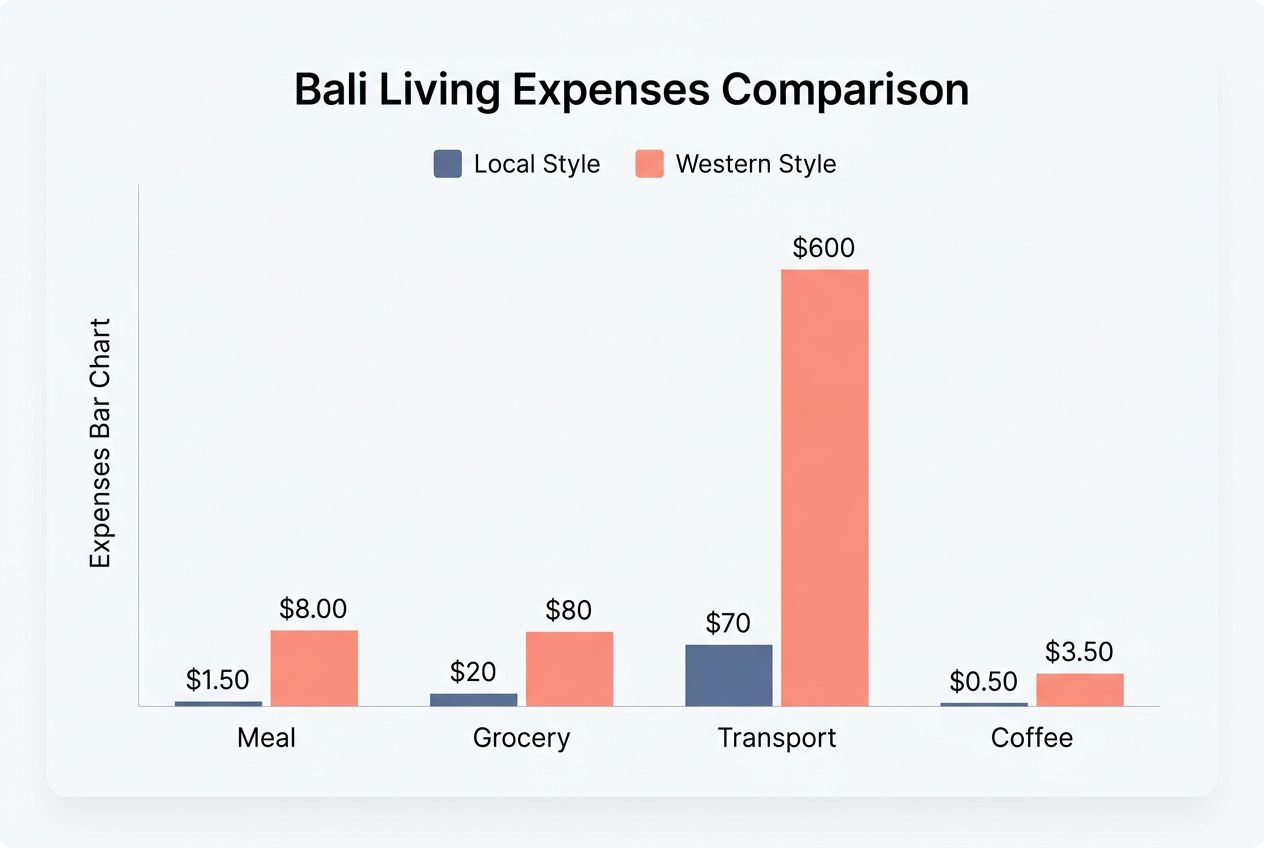
Here is a quick breakdown of how lifestyle choices impact your budget:
| Expense Category | “Local Style” Cost (Approx.) | “Western Style” Cost (Approx.) |
|---|---|---|
| Meal | $1.50 – $3.00 (Nasi Campur at a Warung) | $8.00 – $15.00 (Burger at a Cafe) |
| Grocery Shopping | $20/week (Local wet markets) | $80/week (Pepito or Frestive Supermarkets) |
| Transport | $70/month (Scooter rental) | $600+/month (Car rental) |
| Coffee | $0.50 (Bali Kopi) | $3.50 (Latte/Cappuccino) |
Electricity bills spike if you use air conditioning every day. Eating local food keeps your budget healthy. Western cafes are pricier. A scooter rental is about $70 to $100 each month, depending on the model (Yamaha NMAX costs more than a Scoopy). Health insurance is not optional. Comprehensive coverage from providers like SafetyWing or Genki costs around $50 to $150 a month.
Even simple things like laundry or buying sunscreen chip away at your wallet over time. Up next, get to know the most popular areas where people love to settle in Bali.
Popular Areas to Live in Bali
Every pocket of Bali has its own mood. You want to pick the slice that fits your daily groove best.
Canggu: The Digital Nomad Hub
Canggu buzzes with scooters, surfboards, and laptops. Many digital nomads fill the cafes. They tap away at keyboards while sipping strong Balinese coffee. Fast internet makes work easy for many jobs online.
Monthly coworking passes start at around $150 to $250. In 2024 and 2025, Canggu’s population exploded. It is now the epicenter of action. However, this popularity comes with constant construction noise. You will likely hear jackhammers and saws from 8:00 AM until 5:00 PM in many neighborhoods like Batu Bolong.
Rents can be low compared to American cities. But prices keep rising fast in some parts of Canggu. Some streets flood during heavy rain. Traffic jams grow each year as tourism climbs higher. People from all over share their stories in beach bars and yoga classes.
Ubud: The Cultural and Wellness Center
Monkeys swing through the Sacred Monkey Forest. They steal bananas and sometimes a bit of your lunch. Ubud lives at a slower pace than busy tourist spots. Yoga mats roll out every morning as studios like The Yoga Barn or Radiantly Alive fill with locals, travelers, and expats.
Rice terraces stretch for miles. They are painted green under the Bali sun. Balinese art comes to life in galleries lining tiny roads. Wood carvers show off skills passed down for generations. Organic cafes pop up everywhere. They serve smoothies made from local fruit.
A note on the climate: Ubud is in the jungle. It gets much more rain than the coast. Mold can be a real issue for leather goods and camera lenses. You will need a dry cabinet for your electronics. Living here can feel like hitting pause on chaos. Wellness takes center stage in this Bali destination.
Seminyak: The Upscale Lifestyle Destination
Seminyak feels fancy. Big villas, rooftop bars, and boutique shops fill the area. Tourists snap pictures at beach clubs like Potato Head or Ku De Ta. These spots have infinity pools that seem to melt into the sea. Prices stack up fast here.
You could pay $8 for a smoothie bowl or over $150 each night for a hotel room in June. Traffic clogs streets daily. This makes scooters the faster choice. Bali’s mix of culture and modern style stands out in Seminyak too. Local markets sit beside trendy spas and sushi spots with neon lights.
Day turns into night as DJs play by sunset on Petitenget Beach. Life looks flashy here. But staying long term requires deep pockets and patience for crowds. Up ahead is working remotely, where we discuss how to actually fund this lifestyle.
Working Remotely in Bali
Many people move here with big dreams of working poolside. Fast Wi-Fi is a game-changer one day and a test of patience the next. You need the right tools to make it work.
Finding Reliable Online Work
Finding steady online jobs feels a bit like fishing in deep water. Websites such as Upwork, Fiverr, and Remote.co can help you spot good gigs. Watch out for scams. Never pay to apply for work.
Networking is your secret weapon in Bali. Many expats earn money by teaching English or managing social media pages for small companies abroad. Strong skills in writing or design open more doors too. Try networking on specific Facebook groups like “Bali Digital Nomads” or “Canggu Community”. They often post fresh job leads daily.
Each small step helps build a safe and real income stream as you chase the island lifestyle dream.
Internet Connectivity and Coworking Spaces
Making money online in Bali can be freeing. Still, you need good internet and a spot to work. The infrastructure has improved massively with the arrival of Starlink in Indonesia in 2024.

- Fiber Optic Options: Providers like Biznet and GlobalXtreme offer stable speeds up to 100 Mbps in main areas. Always ask for a speed test screenshot before renting a villa.
- The “Great Firewall”: Indonesia blocks many websites, including Reddit, Vimeo, and some crypto sites. You absolutely need a paid VPN service to work without restrictions.
- Coworking Vibes: Spaces like Dojo Bali (now closed, but its legacy lives on in others) and Outpost pop up in Canggu and Ubud. They are loved for community vibes.
- Day Pass Costs: Day passes at coworking spots start around $12 to $15. This gives you A/C, ergonomic chairs, and sometimes pool access.
- Weather Interference: Some villages lose internet during heavy rain. Pack patience along with your laptop.
- Mobile Data: SIM cards are easy to get. Telkomsel is the gold standard for coverage. You can buy 25GB of data for about $10 USD.
- Meeting Etiquette: Video meetings run best early mornings before everyone logs on.
- Community Events: Coworking hubs host events from yoga classes to coding boot camps. You might make friends as easily as finding a desk.
- Data Limits: Data limits at home rentals can be low. Check before signing any contract if you plan to stream or upload big files daily.
- Noise Control: Huge windows and rice field views beat most office cubicles. But bring noise-canceling headphones if chickens and scooters interrupt your calls.
Staying connected shapes both your lifestyle and work experience on this adventure-filled island.
Misconceptions About Life in Bali
Many people expect endless cheap thrills and stress-free days. Reality often comes with surprises. Some are good, and some are just plain confusing.
Is Bali Always Cheap?
Bali can look cheap on social media. But daily life costs more than some expect. Local meals can cost just $2 at a warung. But Western food in tourist spots often starts at $10 or more. Alcohol is a major budget killer. Indonesia has a high tax on alcohol. A bottle of imported wine can easily cost $30 to $40 USD in the supermarket.
Rents vary wildly, too. A small local house (called a “Kos”) may be around $200 per month. Meanwhile, a modern villa with a pool in Canggu or Pererenan can shoot up to $2,500 each month. Imported goods get expensive fast due to shipping fees.
Groceries like cheese or cereal sometimes cost double what you pay in America. Simple things add up. Scooter rentals start at about $70 per month. Car rentals are higher, and traffic eats up time daily. Bali offers options for every budget. Still, paradise comes with price tags that surprise newcomers expecting endless bargains.
The Balance Between Tourism and Local Culture
Tourism shapes daily life in Bali. Shops, cafes, and even temples now serve visitors from all corners of the globe. Locals work hard to keep traditions alive while welcoming tourists year-round.
The Balinese philosophy of Tri Hita Karana (harmony between people, nature, and the divine) is still the foundation of life here. Festivals like Galungan blend old customs with new ideas. You will see “Penjor” (decorative bamboo poles) lining the streets for weeks. Some days feel like walking through two worlds at once. You stroll past rice fields and then spot Wi-Fi signs on every block.
Many Balinese people still follow their rituals. They gather for ceremonies and honor ancestors as their parents did before them. At the same time, some cultural spots get crowded. Travelers can make a difference by respecting local rules. Wear a sarong and sash when entering temples. Learn about sacred sites instead of just snapping photos for likes.
Tips for Moving to Bali
Pack light, but pack smart. Bali’s sun shines bright, but daily life can surprise you. Double-check your documents and start dreaming about that first plate of nasi goreng on the beach.
Understanding Visa Requirements
Before packing your bags for Bali, you must understand the basics about visa rules. The laws change frequently, so relying on old blogs is risky.
- Tourist Visa (VOA): The Visa on Arrival costs 500,000 IDR (approx. $35). It is good for 30 days and extendable for one more 30-day period.
- The E-Visa Portal: You should use the official Molina website (evisa.imigrasi.go.id) to apply directly. Avoid third-party agents unless you have a complex case.
- Remote Worker Visa (E33G): Indonesia introduced a specific visa for digital nomads who work for companies outside Indonesia. It is valid for one year.
- The “D12” Visa: This 5-year multi-entry visa allows you to stay up to 60 days per visit. It is perfect for frequent travelers.
- Strict Penalties: Overstaying your visa will cost you 1 million IDR (approx. $65) per day.
- KITAS Permit: This permit lets expats live long-term. It needs sponsorship from a company or a family member in Indonesia.
- Proof of Funds: Immigration officials may ask for proof of onward travel and enough funds ($2,000 USD is the standard request) during arrival checks.
- Address Registration: You must register your address with local authorities after finding a place to stay.
- Agent Help: Hiring a reputable local agent can make paperwork easier if the government website is down or confusing.
- Stay Legal: Working for an Indonesian client without a work permit is illegal. It can lead to immediate deportation.
Bali is open and warm. But staying here requires planning around the official rules every step of the way.
Researching Accommodation Options
Finding a place to live in Bali can seem easy on Instagram. It takes effort in real life. Prices and locations change quickly, so you must look closely.
- Use the Right Platforms: Skip Airbnb for long-term deals. Use Facebook Marketplace or specific groups like “Bali Villa Rent” to find direct owner listings.
- Visit in Person: Never book a place for more than a few days before seeing it. Photos hide mold, construction noise next door, and broken A/C units.
- Negotiate: Landlords often expect it. You can usually get a lower rate if you pay for 3 to 6 months upfront.
- Check the Inclusions: Ask if the rent includes Wi-Fi, electricity (token/pulsa), and pool maintenance. Electricity bills for a villa with A/C can run $100+ per month.
- Water Quality: Tap water is not drinkable. Check if the kitchen has a water dispenser. You will use the RefillMyBottle app or order gallon jugs for drinking.
- Location Matters: Know that Canggu is busy and loud. Ubud is quiet but humid. Sanur is laid-back and popular with families.
Taking time to research will help set the right expectations versus what social media shows about lifestyle and living costs.
The Bottom Line
Social media makes Bali look like pure paradise. Reality feels different once you live there full-time. The stunning landscapes are real. But daily life brings challenges.
You get traffic jams instead of quiet roads. Not every meal is cheap or picture-perfect. Life in Bali is more than sunsets and beach clubs. It is early morning rain, roosters crowing by 5:00 AM, and the strong smell of incense at shrines.
People who move for the digital nomad lifestyle often learn quickly that internet speeds vary. Adapting takes effort and patience. The culture is warm and welcoming if you respect traditions. Real living costs add up with health insurance, visas, and transportation. It costs much more than short-term travel budgets show on social feeds. Every day brings a mix of real adventure along with small frustrations that never make it to your feed.