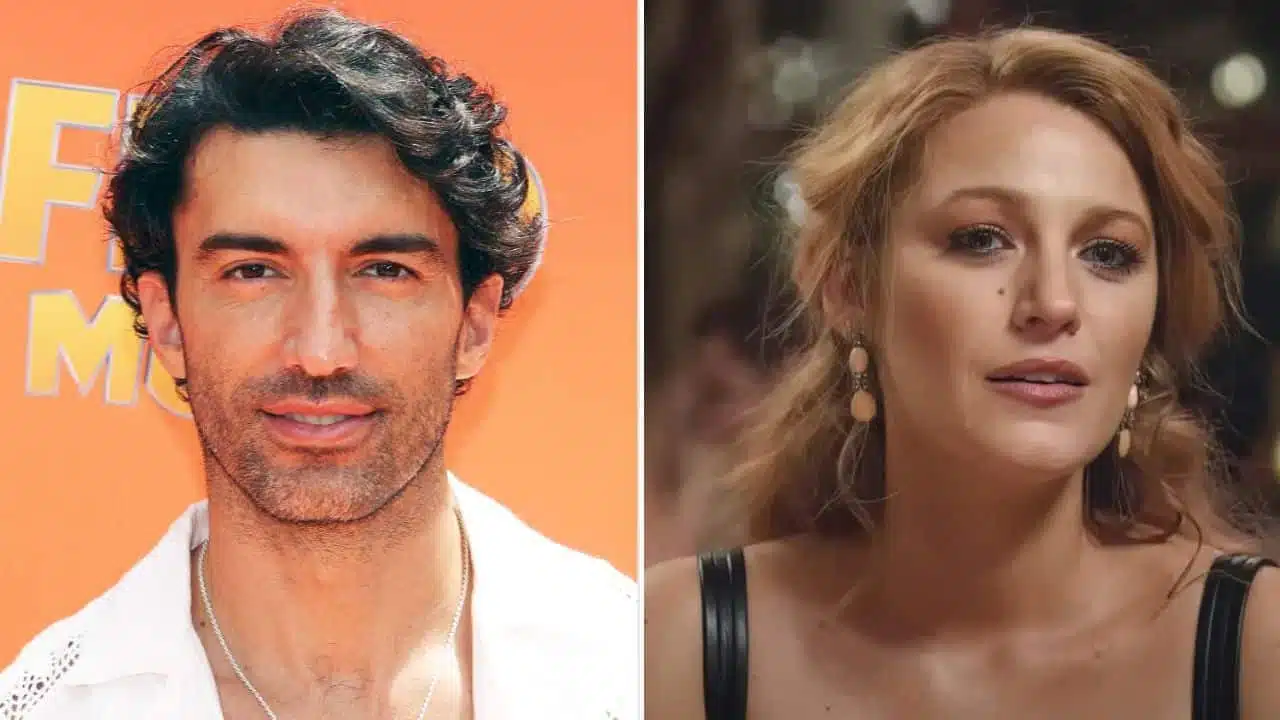
Blake Lively has formally filed a request for over US$160 million in damages in her lawsuit against Justin Baldoni and his production firm, Wayfarer Studios. These numbers originate from court documents made public in November 2025 after being submitted in July. The request breaks down into several components: more than US$56 million in lost earnings (from acting, producing, speaking engagements and other roles); approximately US$71 million in lost profits tied to her business ventures (including her brands Betty Buzz, Betty Booze and Blake Brown Beauty); and roughly US$34 million in reputational harm estimated from about 65 million negative social-media impressions. The filing also includes claims for punitive damages, attorney fees and emotional distress, with a separate figure of between US$250,000 and US$400,000 attributed to “pain and suffering, physical pain and humiliation”.
Origin of the Dispute: Allegations, Countersuits and Litigation Path
The dispute revolves around the production of the film It Ends with Us (2024), directed by Baldoni and starring Lively. In December 2024, Lively filed a complaint with the California Civil Rights Department, alleging that on-set misconduct and a hostile work environment had occurred under Baldoni’s direction and production oversight. She further alleged retaliation after speaking up, and claimed the production team launched a public relations campaign aimed at undermining her reputation and silencing her voice.
In response, on January 16 2025, Baldoni and Wayfarer Studios filed a countersuit for US$400 million, alleging Lively, her husband Ryan Reynolds and their publicist coordinated a campaign of extortion and defamation against Baldoni, including claims that she hijacked film control and later blamed him when backlash grew.
In June 2025, U.S. District Judge Lewis J. Liman dismissed Baldoni’s defamation and extortion claims, ruling that Lively’s accusations were legally protected and that Baldoni’s defamation claim against The New York Times lacked the elements required to proceed. Although the judge allowed for potential contract-interference claims to be refiled, no amended complaint was submitted; in October 2025 the dismissal was made final. Meanwhile, Lively’s original suit remains active, with trial scheduled for March 2026.
Business Impact and On-set Allegations
Lively’s filing outlines how she claims the alleged misconduct damaged multiple dimensions of her professional life and business interests. She argues that the hostile work environment and subsequent smear efforts caused direct income losses, including acting roles, endorsements and speaking engagements. Her ventures outside acting — a beverage brand (Betty Buzz/Betty Booze) and a beauty line (Blake Brown) — are cited as suffering lost profits when her public image faltered. The reputational harm claim hinges on her side’s assessment that tens of millions of negative social-media impressions diminished her brand value.
Additional legal filings required Lively to turn over detailed business income and expense records from January 2022 onward, so Baldoni’s team could evaluate whether changes in her business performance were linked to the alleged misconduct. The court ruled this discovery appropriate for evaluating her claimed economic damages.
Wider Legal and Industry Implications
This high-profile case touches on several recurring themes in entertainment law and workplace culture:
-
Workplace Conduct in Film Production: The allegations highlight issues of improvised physical intimacy, boundary violations on-set, and retaliation against those who speak up.
-
Reputation and Business Ventures for Public Figures: The case underscores how an actor’s off-camera reputation can directly influence business ventures, brand partnerships and market value.
-
Legal Strategy & Procedure in High-stakes Litigation: The interplay between initial complaint, countersuit, dismissal, and strategic deadlines illustrates how procedural tactics can shape outcomes even before trial.
-
Media and Social-media Impact on Litigation: The use of social-media impressions and online reputation analysis in calculating damages reflects the evolving landscape of how public-figure litigation operates in the digital age.
What to Watch Next
-
The trial currently scheduled for March 2026: This will test the strength of Lively’s allegations and Baldoni’s defences under discovery, witness testimony and expert-led proof of damages.
-
Additional legal filings and subpoenas: Lively has named a broad pool of potential witnesses — including celebrity figures, business associates and PR professionals — as parties likely to have relevant information.
-
Business performance and reputation metrics: Evidence about how Lively’s ventures performed before, during and after the alleged events will likely shape damage calculations.
-
Industry response and precedent: Given the prominence of the parties and the subject matter of the film (which deals with domestic violence and emotional abuse), the case may set important precedents for film-set conduct, retaliation claims, and how reputational damage is quantified.
The legal battle between Blake Lively and Justin Baldoni has moved beyond dispute over a single film set. It now encompasses large-scale claims of career damage, business losses and reputational harm, arguing that on-set misconduct and subsequent retaliation triggered a chain of professional consequences. While Baldoni’s US$400 million countersuit has been officially dismissed, Lively’s suit seeks more than US$160 million and remains pending. The outcome of this case could influence how Hollywood handles production behaviour, reputational injury and brand impact in future litigation.
The Information is Collected from MSN and Yahoo.