Each year, Diwali reminds us to light a lamp and drive away darkness. But in 2025, as the Earth burns hotter, minds race faster, and wealth widens its divide, the glow feels different. The diyas still shine—yet their reflections reveal fatigue, inequality, and questions we can no longer ignore.
If we could write to the goddess herself—not in Sanskrit hymns but in human honesty—what would we say? Would we ask for gold or forgiveness? For growth, or grace?
This isn’t a festival guide. It’s a mirror held up to our collective soul—five letters to Goddess Lakshmi from a world that has mastered the art of making money but forgotten the meaning of prosperity.
Key Takeaways: Diwali’s Dialogue with 2025
| Theme | Insight | Reflection |
|---|---|---|
| Redefining Wealth | True abundance today lies in time, peace, and purpose—not possessions. | Prosperity is what remains when consumption stops. |
| Sustainability vs. Celebration | The planet is paying for our excesses. Eco-Diwali isn’t optional; it’s moral. | Light must no longer come at the cost of air. |
| Gender and Prosperity | Worshipping a goddess means nothing while women still lack equality and safety. | Real devotion is structural reform, not ritual reverence. |
| Peace Over Profit | The “anxiety economy” has made calm a luxury good. | Balance is the new wealth. |
| Shared Abundance | Inequality is Diwali’s silent shadow. Empathy is the currency that never loses value. | Every diya should light another life. |
If the Goddess Read Our Mail
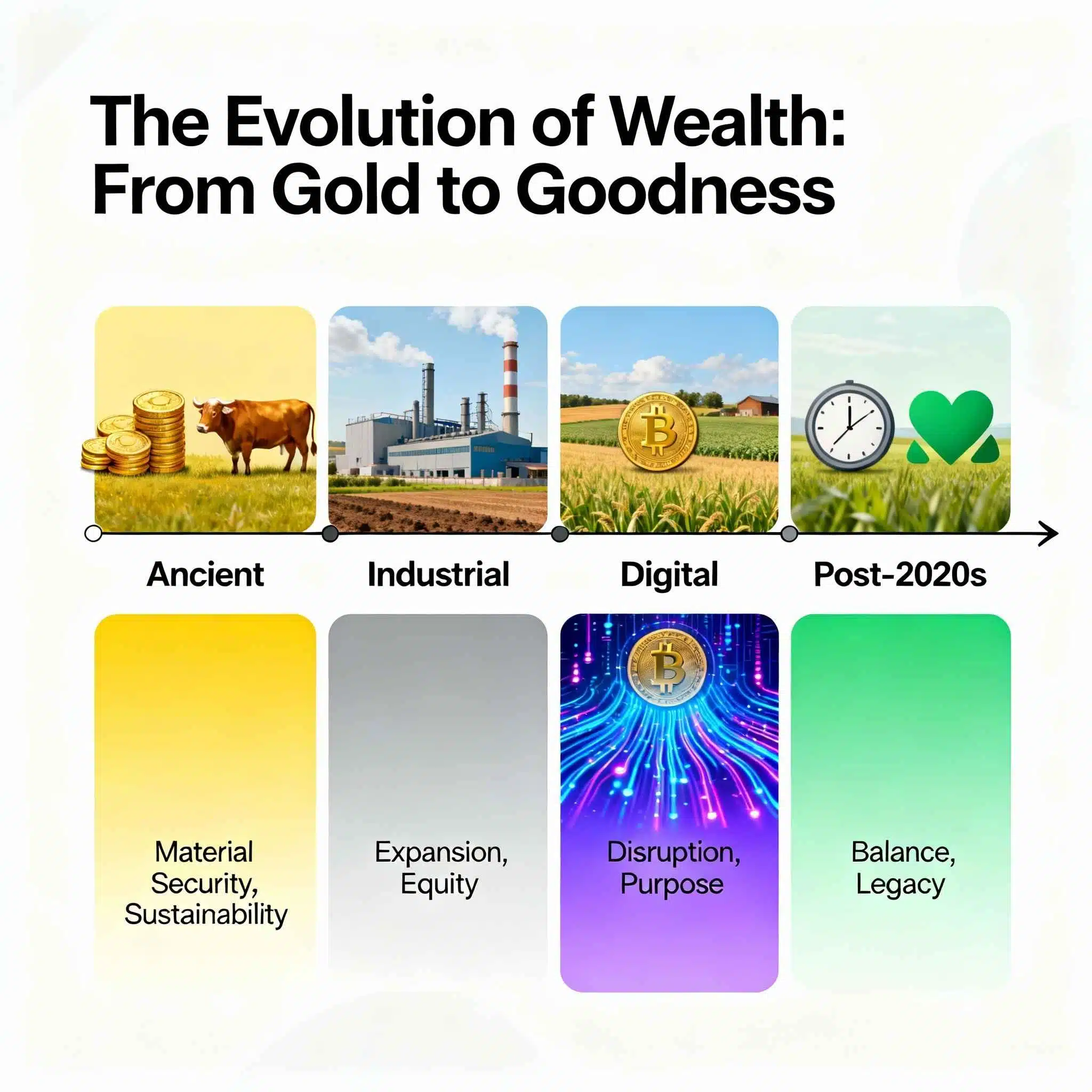
Every Diwali, the world glows—billions of diyas burning against the dark, each one carrying a silent wish. We clean our homes, dress in gold, and pray that the goddess of fortune will find her way through our doors. But if Lakshmi could actually read our hearts in 2025, would she recognize what we call prosperity today?
The air smells of incense and ambition. Our cities shine brighter than the stars, yet so many souls feel dimmed. We earn more, consume faster, and rest less. Somewhere along the line, we confused “having” with “being.”
So this year, instead of prayers and petals, we send her letters—honest ones. Not asking for gold, but for grace. Not wealth, but wisdom.
Letter One: Dear Lakshmi, We’ve Redefined Wealth
Once upon a time, wealth meant jewels, land, or grain. In 2025, it wears subtler colors—time, mental space, clean air, and trusted friends. The pandemic taught us what places of anxiety look like, even inside luxury apartments. Now, we crave less noise and more meaning.
We’ve learned that financial freedom without emotional freedom is poverty in disguise. Studies show over 70% of urban professionals report burnout despite record incomes. Mindfulness apps and weekend retreats have become our new temples. The modern devotee doesn’t ask for more—they ask for enough.
| Old Wealth | New Wealth |
|---|---|
| Gold, property, prestige | Time, health, peace |
| Expanding empires | Shrinking stress |
| Luxury purchases | Minimalist purpose |
| Accumulation | Alignment |
Perhaps this is your new blessing, dear goddess—not the ability to multiply, but to simplify. To remind us that balance is the true dividend of devotion.
Letter Two: Dear Lakshmi, Our Homes Glow—but the Planet Burns
We light lamps to chase darkness away. But what if the darkness isn’t outside? The year 2025 has been the hottest on record. Rivers shrink, oceans rise, and smoke clouds the same sky we celebrate under. Our fireworks pierce the air while the Earth quietly coughs.
This paradox haunts our prayers: our joy costs the planet its breath. Yet something beautiful stirs beneath the surface. Children now craft solar diyas. Local artisans sell biodegradable rangoli powders. Green energy startups are the new sacred fires.
Around the world, other festivals of light—Hanukkah, Loi Krathong, and lantern festivals—echo the same message: illuminate without consuming. Maybe this is your new commandment, Lakshmi—let celebration coexist with conservation.
If wealth truly flows from you, then let it fund forests, not fireworks. Let our homes glow without guilt, our rivers flow without shame.
The richest nations must now learn the simplest prayer: to want less, wisely.
Letter Three: Dear Lakshmi, The Gender Balance Is Still in Your Hands
You are portrayed standing upon a lotus—graceful, powerful, and adorned in gold. Yet countless women still fight for the space beneath their own feet. In offices, they work twice as hard for half the pay. In homes, they bear invisible loads of care and compromise.
How ironic that we worship a goddess of prosperity in societies where women still struggle for financial independence.
In India, female labor participation hovers around 25%, while domestic violence helplines peak every festive season. The divine feminine is revered in verses, yet resisted in life.
But winds of change are rising. Women lead climate protests, fintech startups, and rural cooperatives. The real Lakshmi walks among us—carrying spreadsheets instead of lotuses, mentoring others instead of waiting for miracles.
So, dear goddess, bless us with equality, not indulgence. Let your light expose hypocrisy—where we worship the symbol but silence the soul. The truest offering we can give you now is a fair world for every woman.
Letter Four: Dear Lakshmi, We Seek Peace More Than Profit
Every timeline screams for attention. Notifications, deadlines, side hustles—the modern yajna burns our sanity as its sacrifice. We chase numbers that never end—GDP, crypto prices, followers, likes—yet lie awake wondering why the noise feels hollow.
Economists call it the anxiety economy: growth without joy. A billion-dollar wellness industry exists to fix the damage done by ambition itself. Productivity gurus sell silence by the hour. Even success feels like survival.
Somewhere, we forgot that peace of mind is part of prosperity. As one philosopher wrote, “A full plate means nothing to a starving soul.”
So this letter asks you, Lakshmi, for a quieter blessing—not a higher salary, but lower cortisol. Not endless expansion, but inner stillness. Remind us that in a world obsessed with performance, presence is the rarest luxury.
If your domain is abundance, then surely you see its imbalance. The richest 1% now own more than 60% of the world’s wealth. Meanwhile, 700 million people still live on less than $2 a day. This isn’t prosperity—it’s a mirror cracked by greed.
Yet hope flickers. Social enterprises turn profit into purpose. Communities crowdfund health care, education, and disaster relief. Technology, when guided by compassion, becomes your new chariot—carrying generosity at the speed of light.
Philanthropy is no longer the privilege of the wealthy; micro-donations and community kitchens redefine giving.
Maybe your truest blessing is empathy—the currency that never devalues.
So we ask: teach us to share without spectacle, to uplift without ego. Let every diya we light ignite one life beyond our own.
If the Goddess Replied
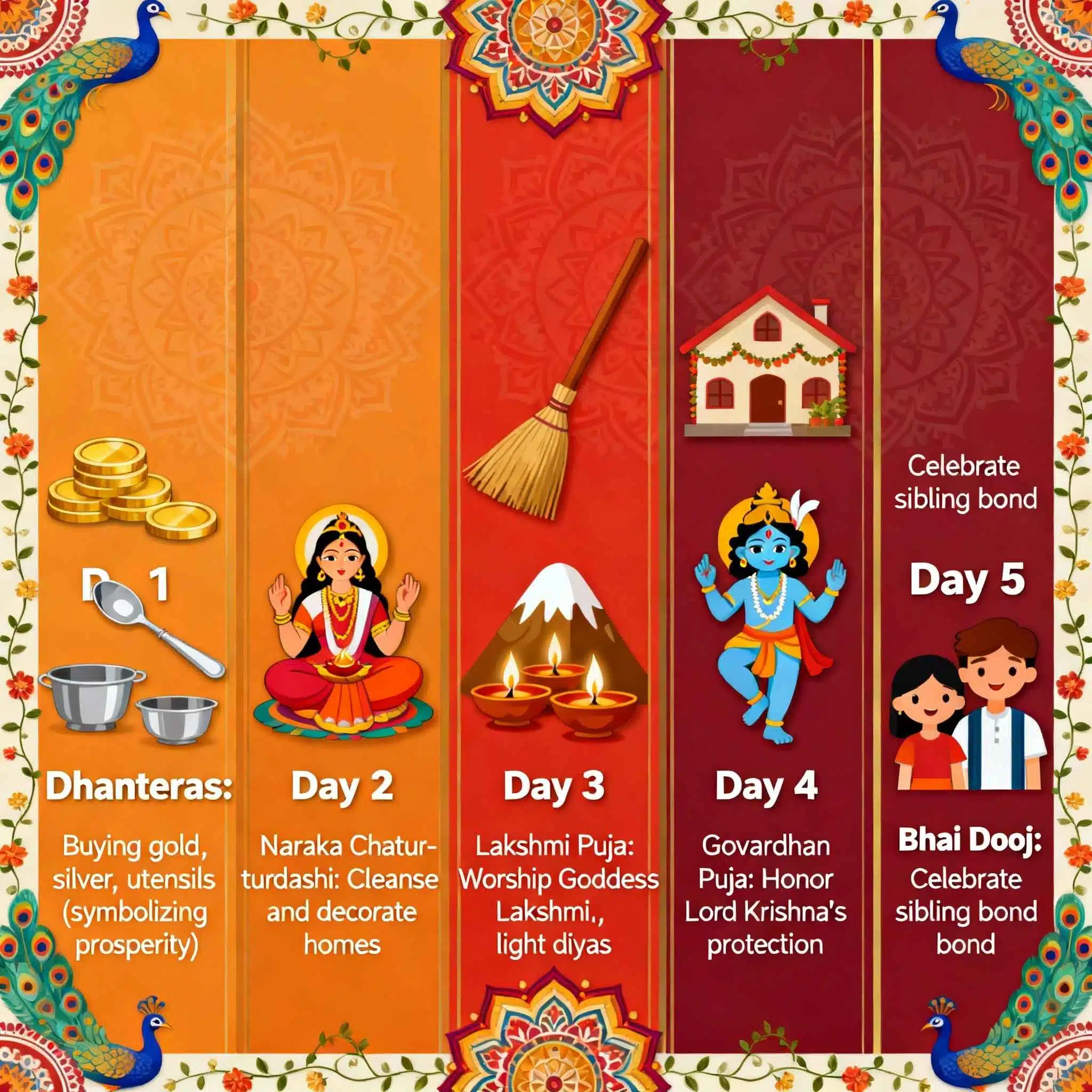
And if Lakshmi were to answer, perhaps her letter would be brief—handwritten in moonlight, folded into silence.
“My children, you summon me every year, yet I have never left. I reside in fairness, in restraint, in gratitude.
I shine wherever work is honest, wherever compassion earns interest.
You seek me in gold — but I bloom in goodness.
You burn lamps to find me — but the truest flame is within you.”
Then, perhaps, she’d close her letter without a benediction. No “May you prosper,” no promise of riches—only a question written in golden ink:
“Will you finally act like the world you pray for?”
And that is where our conversation with the goddess must begin—not in the temple, but in the mirror.
Takeaways
If Lakshmi could speak, she might not bless us—she might challenge us. She might ask why our prayers sound louder than our actions, why our rituals glow brighter than our reforms.
Her question would cut deeper than any sermon: “If you truly seek me, why do you build wealth that burns the world?”
The truth is, the goddess has never left. She lives wherever fairness replaces greed, wherever gratitude outshines excess, and wherever generosity becomes a reflex, not a performance.
As Diwali dawns in 2025, the choice is ours. Either we keep lighting lamps for luck—or we become the light that changes everything. Because Lakshmi doesn’t wait at the doorstep anymore. She waits in the mirror—asking whether the person reflected there still deserves her blessing.