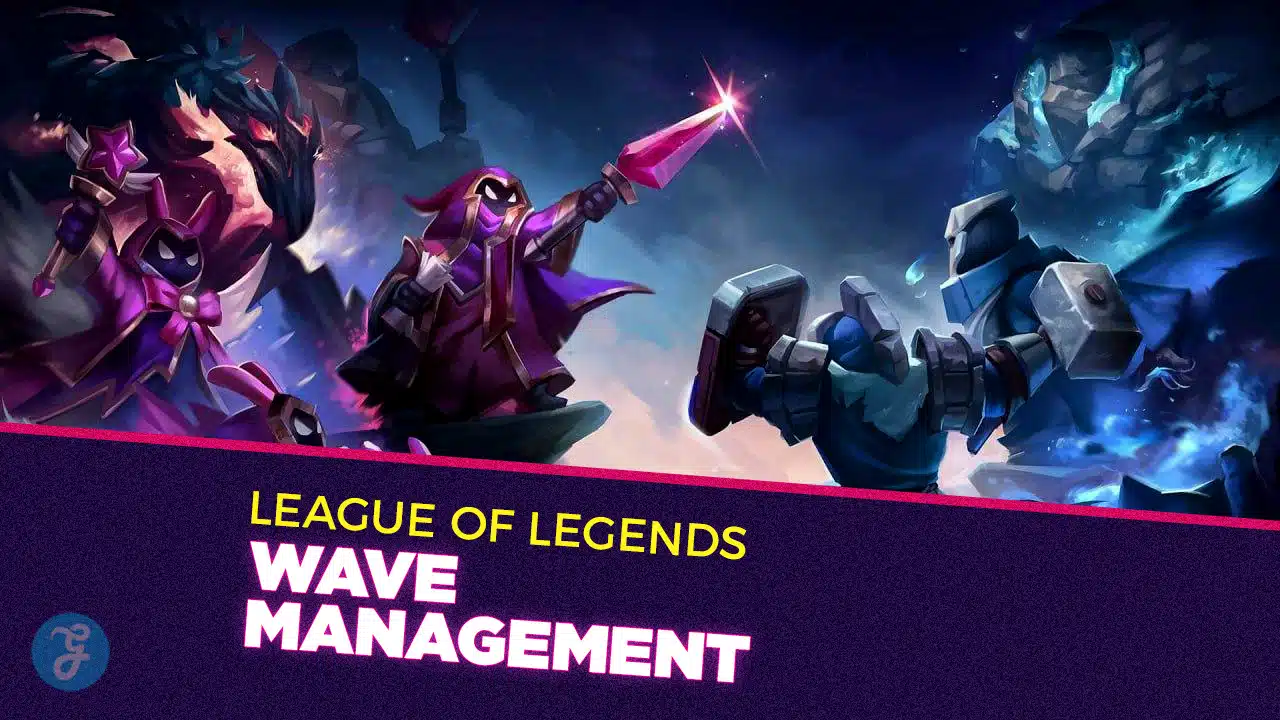
If you want to climb, you need to stop treating minion waves like background noise. Wave control in League of Legends is how you create safe farm, deny your opponent, set up ganks, and take towers without coin-flipping fights. When your wave plan is good, the lane feels easy. When your wave plan is bad, you feel like you are always overextended, always down CS, and always getting ganked.
In this guide, I will teach you wave control from the ground up. You will learn exactly how to freeze, slow push, fast push, crash, and reset waves, plus when to use each one. I will also show you the most common wave mistakes and the simple rules that keep you consistent.
League Of Legends Wave Management Starts With One Simple Truth
Minions decide where you are allowed to stand. If the wave is in the wrong place, you are forced to walk into danger to farm. If the wave is in the right place, you can farm safely while your opponent takes risks.
Wave control is not about fancy tricks. It is about choosing where the wave will be 20 to 40 seconds from now, then playing for that outcome.
The Three Wave Goals
-
Safety: farm without dying to ganks or all-ins
-
Pressure: make your opponent miss CS and lose tempo
-
Timing: be free to recall, roam, or take objectives at the right moment
If you can consistently hit these three goals, your lane becomes predictable.
How Minion Waves Actually Work
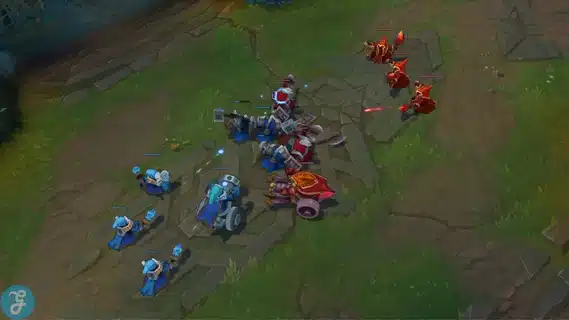
To control waves, you need to understand the rules the game follows. Once you know them, you can “steer” the wave on purpose.
Wave Basics You Must Know
-
Minion waves meet in the middle and fight until one side wins
-
A wave pushes when one side has more minions alive
-
The closer the wave is to a tower, the safer that side becomes
-
Towers kill minions fast, which can reset or “bounce” a wave back
What Makes A Wave Push
A wave pushes if your side has an advantage like:
-
More minions alive
-
Your champion hitting the wave more than your opponent
-
Your wave arriving earlier because of lane positioning
If you want control, you must stop auto-attacking randomly. Every hit changes the future wave state.
The Three Core Wave States
Almost all lane decisions come down to choosing one of these states.
Wave State Table
| Wave State | What It Looks Like | What It Gives You |
|---|---|---|
| Freeze | Wave stays near your side | Safety and denial |
| Slow Push | Your wave grows gradually | Big crash and strong tempo |
| Fast Push And Crash | Wave clears quickly and hits tower | Recall, roam, reset |
Once you can force these states, you will feel like you are playing the map instead of reacting.
How To Freeze A Wave
A freeze is when you keep the wave stuck near your tower, but not under it. It is the best way to farm safely and deny your opponent, because they must walk forward to touch the wave.
When Freezing Is The Best Play
-
You are weaker and want safety
-
You are stronger and want to deny the farm and force risk
-
You expect the enemy jungler and want to avoid ganks
-
You want to punish an enemy who recalled at a bad time
-
You want to set up a gank for your jungler
The Freeze Rule That Works
To freeze, you usually want the enemy to have a small minion advantage.
A practical rule:
-
Keep 3 to 4 enemy caster minions alive more than your wave
That small advantage makes the wave push into you slowly, which keeps it near your side.
Step-By-Step Freeze Setup
-
Let the enemy wave push toward you
-
Last-hit only, do not shove
-
When the wave reaches your side, thin it so it does not crash into tower
-
Keep a small enemy minion advantage alive
-
Stand between your opponent and the wave so they cannot break the freeze for free
How To Maintain The Freeze
-
Only last-hit at the last possible moment
-
If the wave grows too big, trim it with a few controlled hits
-
If the wave is about to crash, clear a few extra minions to hold it outside tower range
-
If your opponent tries to shove, match their damage just enough to keep the wave in place
Freeze Mistakes That Break It
-
Killing the enemy casters too early
-
Tanking too many minions and letting them reach tower
-
Using AoE on the wave without thinking
-
Leaving lane too long and letting the wave reset
If you freeze correctly, your opponent either loses CS or risks dying to a gank.
How To Break An Enemy Freeze
Freezing is strong, so you need a consistent way to break it. The goal is simple. You must make the wave reach the tower so it resets.
Best Ways To Break A Freeze
-
Call your jungler or support to help shove
-
Use abilities to clear the enemy caster line quickly
-
Walk up as a teamfight threat and force the enemy off the wave
-
Create a trade that makes them stop tanking minions
Breaking Freeze Checklist
-
Do you have vision of the enemy jungler
-
Do you have enough health to walk up
-
Can you clear casters fast
-
Can you crash the wave fully into tower
If you only half-push the wave, the enemy keeps the freeze and you lose even more.
Slow Push Explained
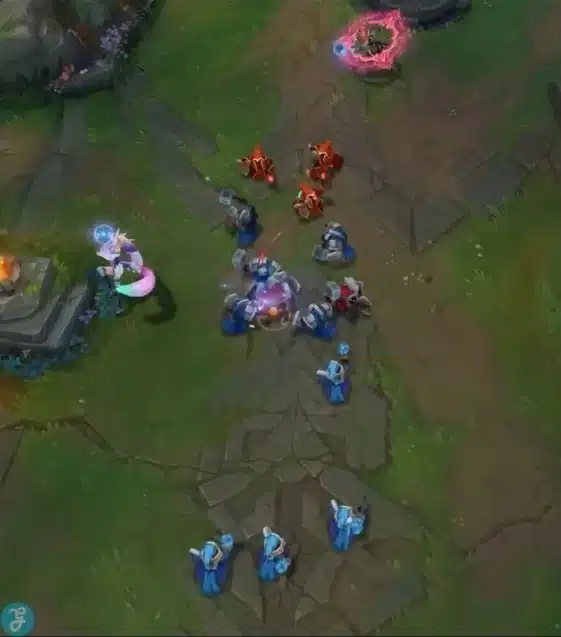
A slow push is how you build a big wave that crashes into the enemy tower. This is the wave state that creates the most tempo, because the enemy must spend time clearing, and you get time to move.
Why Slow Push Is So Powerful
-
A big wave makes your trades stronger
-
A big wave protects you from all-ins
-
A big crash gives you time to recall or roam
-
A big crash sets up dives with your jungler
The best players treat slow pushing as a way to schedule the game.
How To Create A Slow Push
You create a slow push by letting your wave build gradually.
Step-by-step:
-
Start with a small minion advantage
-
Last-hit, but also hit the enemy wave a little so your wave stays larger
-
Do not clear too fast, you want the wave to grow
-
Keep your minions alive so the next wave joins it
-
Escort the stacked wave until it crashes
Slow Push Rule You Can Use
-
If you want a slow push, kill enemy caster minions first, but do not wipe the whole wave instantly
Casters deal the most damage to your minions. Removing them helps your wave survive and stack.
What To Do During A Slow Push
-
Trade when your big wave is present
-
Ward earlier, because you will naturally walk forward
-
Plan your crash timing so you can recall or roam immediately after
If you slow push without vision, you are asking to get ganked.
How To Fast Push And Crash
Fast pushing is when you clear the wave quickly to make it hit tower. Crashing is the important part. If you do not crash, you do not get the benefits.
Why You Crash Waves
-
The tower kills your minions, which resets the lane
-
Your opponent must farm under tower, which locks them in lane
-
You get time to recall, roam, or ward without losing too much
Wave Control In League Of Legends Tip
If you want clean tempo, always ask: “Will this wave fully crash, or will it stall?”
A stalled wave is the worst outcome. It sits in the middle while you are gone, and you lose farm.
Fast Push And Crash Steps
-
Use abilities on the wave, especially on caster minions
-
Clear quickly so your wave reaches tower
-
Make sure the next wave does not stop it short
-
Leave only after you see your minions touch tower
If your wave does not touch tower, you probably did not crash.
The Bounce: The Secret Reward After A Crash
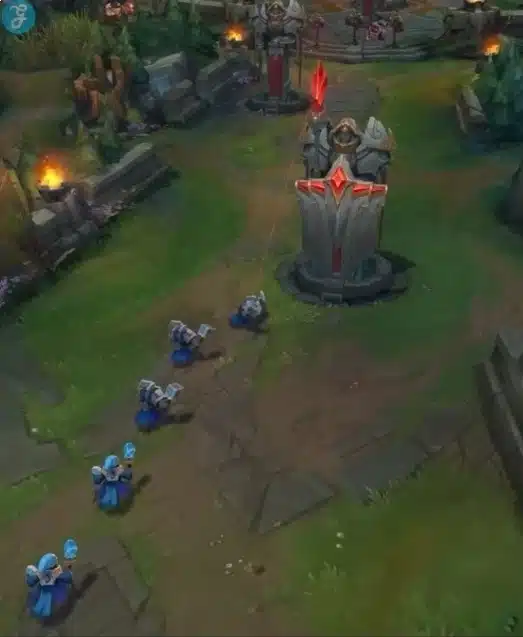
A bounce happens when you crash a big wave into the enemy tower. The enemy tower clears your wave, and the next enemy wave starts pushing back toward you.
This is one of the best wave outcomes in the game.
Why A Bounce Is Great
-
The wave comes back to your side
-
You can recall and return without losing much
-
You can set up a freeze after you come back
-
The enemy is forced to walk forward again later
Crash into bounce is a clean, repeatable lane plan.
Cheater Recall Explained
A cheater recall is when you build a small slow push early, crash it, then recall while your opponent is stuck farming under tower.
You come back with an item advantage and often miss little to no farm.
When Cheater Recall Works
-
You can control the first few waves
-
The enemy cannot instantly shove back
-
You can crash safely without getting chunked
Simple Cheater Recall Plan
-
Get a small push advantage early
-
Stack a slow push over the next wave
-
Crash the wave into tower
-
Recall immediately
-
Return as the wave bounces back
You do not need to force kills. You win lane by winning time.
When To Freeze Vs Slow Push Vs Crash
If you want to improve fast, stop guessing. Use a decision rule.
Decision Table
| Your Situation | Best Wave Plan | Why |
|---|---|---|
| You are behind and unsafe | Freeze near your tower | Farm without dying |
| You are ahead and want denial | Freeze | Force them to overextend |
| You want to recall without losing much | Crash | Tower locks them in |
| You want to roam or take objective | Slow push then crash | Big wave buys time |
| You want to dive | Slow push | Big wave adds damage and tanking |
| Enemy is freezing on you | Break freeze and crash | Reset the lane |
This is the practical core of wave control.
Wave Control By Role
Wave control changes slightly depending on where you play.
Top Lane
Top lane is long and punishes overextension.
-
Freezing is extremely strong in top
-
Slow pushes set up dives and Rift plays
-
Crashing before you ward and move is critical
If you are top and the wave is stuck near enemy tower without vision, you are in danger.
Mid Lane
Mid is short, but roams matter.
-
Crashing waves before roaming is mandatory
-
Slow push helps you roam with less punishment
-
Freezing can be used, but mid waves reset faster
Mid lane wave control is often about tempo and map movement.
Bot Lane
Bot is a 2v2 lane with support influence.
-
Slow pushing helps set up dragon timing
-
Crashing helps you recall together and avoid desync
-
Freezing can deny hard, but it requires coordination
In bot, the biggest mistake is recalling without crashing and losing a full wave.
Trading With Waves: How Minions Decide Fights
Minions are not neutral. Early game minion damage is real. If you fight into a big enemy wave, you often lose even if your champion is stronger.
Trading Rules With Waves
-
Trade when your wave is bigger
-
Avoid extended trades in a large enemy wave
-
Use your wave as a shield against skillshots
-
If you want an all-in, thin the wave first
If you ignore minions, you will lose “mystery trades” and not know why.
Wave Control In League Of Legends And Jungle Pressure
Most ganks are predictable if you watch the wave state.
When You Are Most Gankable
-
The wave is pushing away from you
-
You are past the river line
-
You have no wards
-
You are slow pushing without vision
-
You are trying to break a freeze alone
When You Are Safer
-
The wave is frozen near your tower
-
You crashed and the wave is bouncing back
-
You have a stacked wave that makes diving you harder
-
You have deep vision and know jungle position
If you want to reduce deaths, fix your wave first. Wards help, but wave state is the real safety tool.
How To Set Up Roams Properly
A roam without wave prep is usually a mistake. If you leave while the wave is pushing away from you, you lose farm and give plates.
Good Roam Setup
-
Push the wave fast
-
Crash it into tower
-
Move immediately while the enemy is stuck farming
-
Return in time to catch the bounce
Bad Roam Setup
-
Leaving while the enemy wave is coming into you
-
Leaving when you are low health and cannot return safely
-
Roaming without crashing and losing two waves
Good roams start with a crash.
How To Reset A Bad Wave
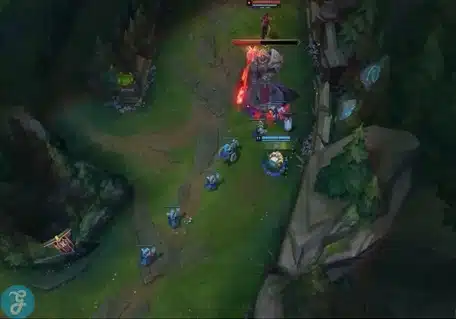
Sometimes the wave is ruined. Maybe you died, maybe your opponent froze, maybe the lane is stuck in an awkward spot. You need a reset plan.
Wave Reset Options
-
Fast push and crash if you have time and safety
-
Call your jungler to help shove
-
Sacrifice a few minions to avoid dying and let the wave come back
-
If the enemy freeze is perfect, break it with help, not alone
If you are behind, trying to “fix” the wave solo can get you killed again. It is often better to give a few minions and stabilize.
Common Wave Mistakes That Keep Players Stuck
If you fix these, you climb.
Mistake 1: Auto-Attacking The Wave For No Reason
This creates unwanted pushes and makes you gankable.
Fix:
-
Last-hit only unless you have a plan to push
Mistake 2: Recalling On A Non-Crash
You recall, your wave stalls, and you lose everything.
Fix:
-
Crash first, then recall
Mistake 3: Breaking Your Own Freeze
You are safe, then you shove and die.
Fix:
-
Maintain the freeze until you have a reason to change it
Mistake 4: Fighting In A Giant Enemy Wave
Minions win the fight for them.
Fix:
-
Thin the wave, then fight
Mistake 5: Slow Pushing Without Vision
You walk forward for 30 seconds and get punished.
Fix:
-
Ward early when you plan to slow push
Simple Practice Drills To Learn Wave Control
If you want this skill fast, you need repetition in a low-pressure environment.
Drill 1: Freeze For Two Minutes
-
Go into practice tool
-
Let the enemy wave push toward you
-
Hold a freeze outside your tower for 2 minutes
-
Focus on trimming and last-hitting only
Drill 2: Slow Push Into Crash
-
Build a slow push from your side
-
Stack at least two waves
-
Crash them cleanly into tower
-
Watch how the wave bounces back
Drill 3: Crash Then Roam Timer
-
Fast push and crash
-
Pretend you are roaming
-
Time how long you can be gone before you miss the bounce
These drills teach you timing, not just theory.
Wave Control In League Of Legends: The Simple Game Plan You Can Repeat
If you feel overwhelmed, use this basic loop in most lanes.
-
If you are unsafe, freeze
-
If you want tempo, crash
-
If you want a roam or objective, slow push then crash
-
After a crash, look for a bounce and set up a freeze
This loop works because it is consistent and it creates predictable outcomes.
Closing Thoughts
Wave control is one of the few skills that improve every champion you play. Once you master wave control in League of Legends, you will farm more, die less, and create more chances to win without relying on random fights. Start with freezing for safety, use slow pushes to build tempo, and always crash waves before you recall or roam. If you do that consistently, your lane will feel calmer, and your wins will feel more earned.