

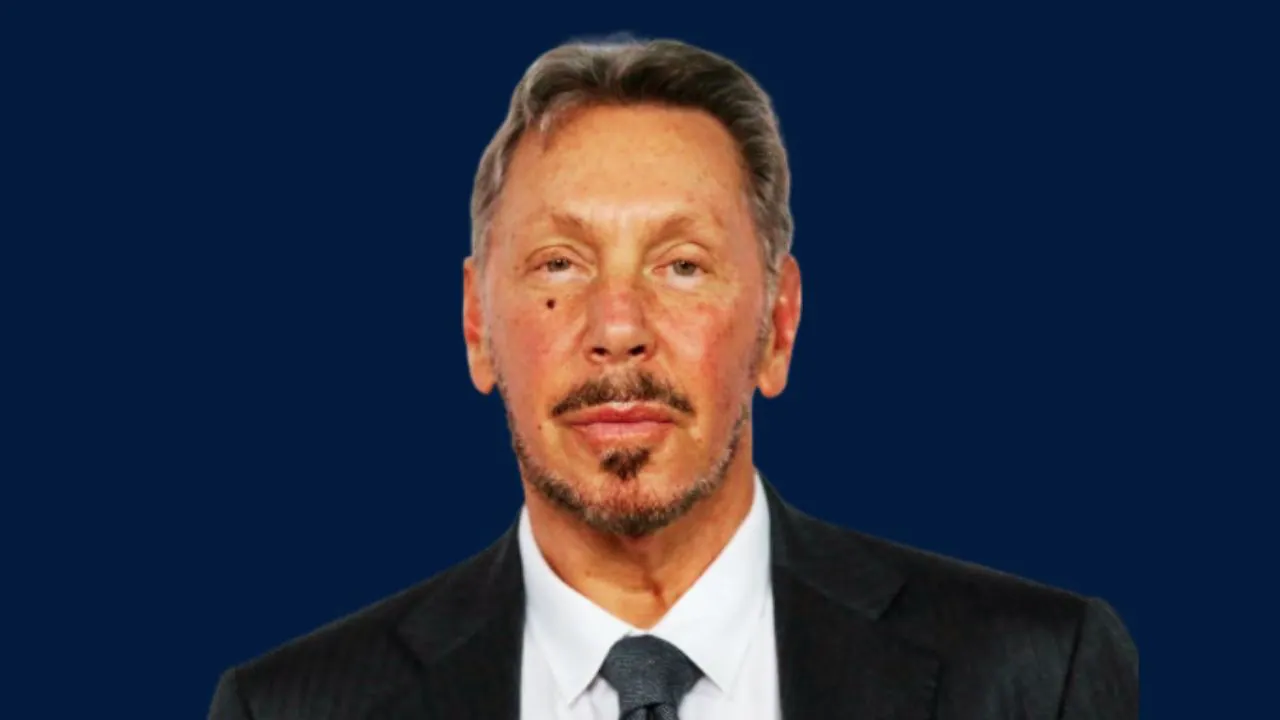
Larry Ellison, co-founder and long-time leader of Oracle, has risen to the top of Bloomberg’s Billionaires Index as the world’s richest person. His wealth jumped after Oracle’s stock experienced a dramatic surge following the release of its latest earnings report.
Shares of Oracle, one of the largest software companies in the world, gained more than a third in value in a matter of minutes during early trading. This sudden spike lifted Ellison’s personal fortune to $393 billion, surpassing Elon Musk, whose net worth is currently estimated by Bloomberg at $385 billion.
The earnings report that drove the rally highlighted major growth in Oracle’s cloud infrastructure services. The company has secured multi-billion-dollar orders from major customers, much of it linked to the accelerating global demand for artificial intelligence technology. The report convinced investors that Oracle is strongly positioned in the AI economy, causing the company’s market value to surge.
Ellison’s Stake in Oracle and Career Background
Ellison owns roughly 42% of Oracle, a company he co-founded in 1977. This makes him one of the largest individual shareholders of any global tech firm. Because of this concentration, large swings in Oracle’s stock price directly translate into enormous changes in his personal net worth.
At age 81, Ellison is among the oldest billionaires to ever claim the top spot on Bloomberg’s list. A college dropout, he built Oracle into a software giant best known for its databases and enterprise software before pivoting aggressively into cloud computing. In recent years, he has also positioned Oracle as a central player in providing cloud services for artificial intelligence workloads, putting the company in direct competition with Amazon, Microsoft, and Google.
Ellison has been on the board of Tesla in the past, has invested in properties and luxury assets across the world, and is well known for his lifestyle and business acumen. His recent rise in net worth underscores how shifts in the technology industry—particularly the AI boom—are reshaping global wealth rankings.
Musk’s Decline in Wealth
Elon Musk, who has held the title of the world’s richest person for much of the last four years, fell to second place on Bloomberg’s index due to sharp declines in Tesla’s stock. Tesla’s shares have dropped about 14% year-to-date, reducing the value of Musk’s largest publicly traded asset.
Musk’s fortune is also tied to his private companies, including SpaceX, Starlink, The Boring Company, and X (formerly Twitter). However, valuing private firms is more complex and less consistent across wealth trackers. Bloomberg applies conservative estimates for SpaceX and other private holdings, while Forbes typically values them higher. This explains why Forbes still lists Musk as the richest man, estimating his net worth at around $439 billion, compared to Bloomberg’s figure of $385 billion.
The divergence highlights how different methodologies in valuing private companies can lead to large differences in wealth rankings. Musk’s companies, particularly SpaceX, have grown in value, but declines in Tesla’s stock have offset those gains in Bloomberg’s models.
Oracle vs Tesla: A Tale of Two Companies
The reversal in wealth rankings illustrates the contrasting fortunes of two iconic companies.
-
Oracle is gaining investor confidence as it secures long-term contracts for cloud services. Its strength lies in enterprise software, databases, and increasingly, infrastructure for AI. The company reported billions in remaining performance obligations, signaling robust future revenues. Investors see Oracle as a reliable player in the AI boom.
-
Tesla, on the other hand, has faced a year of slowing growth. Rising competition from Chinese automakers, fluctuating demand for electric vehicles, and concerns about margins have pressured its stock. Although Tesla remains a market leader in EVs, the optimism that once propelled its stock price has cooled, causing Musk’s fortune to slip relative to Ellison’s.
The Scale of Ellison’s Wealth
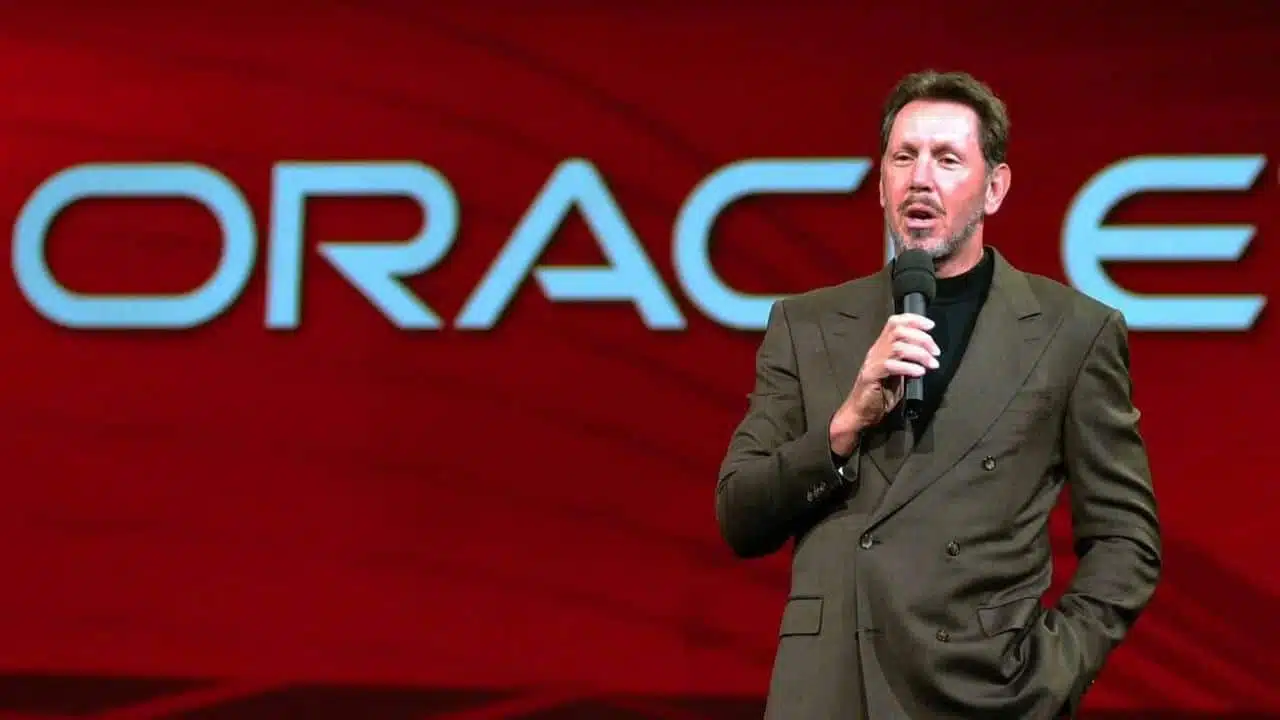
Ellison’s wealth, now close to $400 billion, puts into perspective the scale of modern fortunes. Analysts note that his personal net worth is comparable to the gross domestic product of mid-sized countries. With $393 billion, Ellison could hypothetically fund the annual living expenses of more than 5 million American families, assuming the U.S. median household income.
Another way to illustrate his fortune: it is roughly equal to the size of South Africa’s economy, meaning he could theoretically support the nation’s GDP for a full year. These comparisons highlight the extreme concentration of wealth among tech billionaires in the 21st century.
Broader Wealth Rankings
The global rich list is more volatile than ever. Just weeks ago, Musk and Amazon’s Jeff Bezos were alternating in the top spot, depending on stock performance. Now Ellison has moved ahead. Other top contenders include Bernard Arnault, the French luxury tycoon behind LVMH, and Mark Zuckerberg, who has seen his wealth rise with Meta’s recovery.
This volatility underscores the dependency of billionaire wealth on stock markets, particularly in technology companies where valuations can swing dramatically in response to earnings, competition, and investor expectations.
Implications of the AI Boom
Ellison’s sudden rise demonstrates how artificial intelligence is reshaping global wealth. Companies that provide the infrastructure for AI development—cloud storage, servers, and advanced computing capacity—are attracting massive orders from governments, enterprises, and startups alike.
Oracle, once considered a legacy software company, has successfully pivoted into this high-growth sector. Investors now view it as a credible competitor to Amazon Web Services, Microsoft Azure, and Google Cloud, which dominate the space. The AI revolution is not only driving corporate profits but also creating historic shifts in personal fortunes.
What Comes Next
Larry Ellison’s new position as the world’s richest man may not be permanent. Global markets are volatile, and Tesla or SpaceX could rebound in value, pushing Elon Musk back on top. Similarly, other tech giants like Jeff Bezos or Bernard Arnault could climb depending on their companies’ stock performance.
Nevertheless, Ellison’s rise is significant. It highlights the enduring importance of software, databases, and enterprise infrastructure in a digital economy now shaped by AI. For Ellison personally, it cements his reputation not just as a survivor in the tech industry but as one of its most influential figures, even after nearly five decades at the helm of Oracle.































