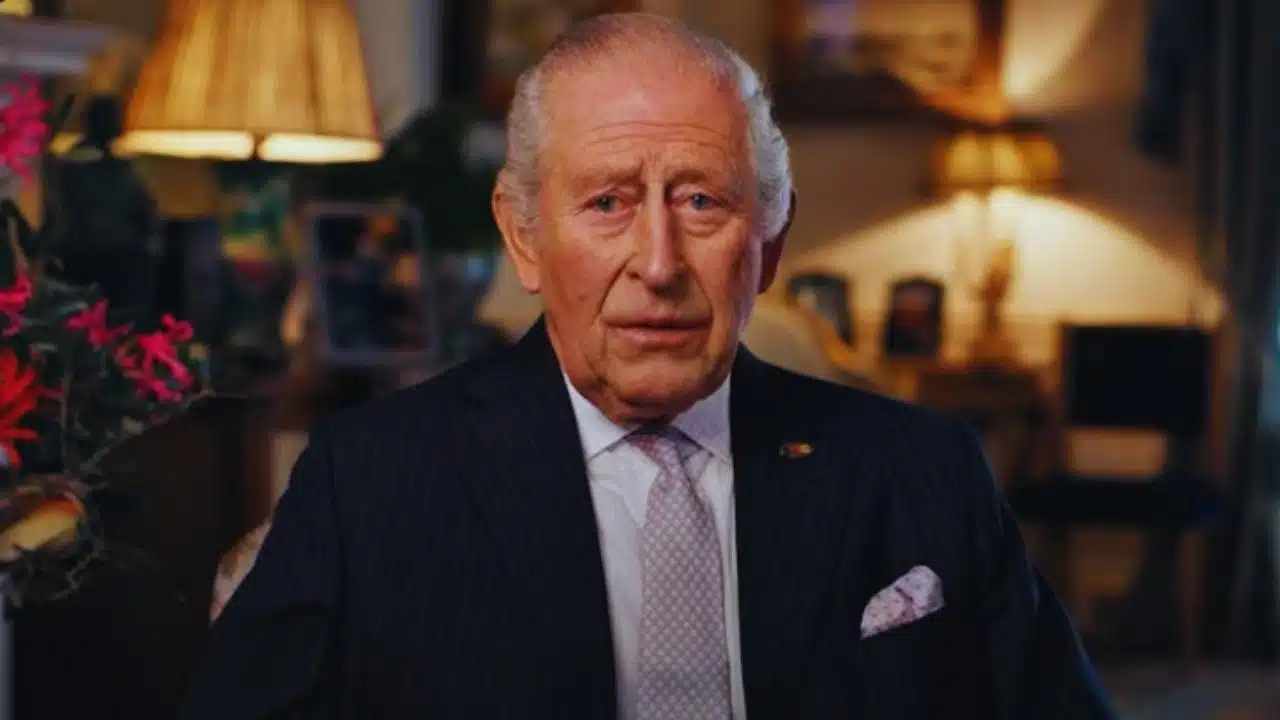
King Charles III delivered uplifting news on Friday about his ongoing battle with cancer: starting in 2026, his treatment schedule will scale back significantly. The 77-year-old monarch shared this update in a heartfelt, pre-recorded video message for Channel 4’s annual Stand Up To Cancer campaign, describing the development as a “personal blessing” in his recovery.
Filmed at Clarence House in late November, the message marks the most candid health disclosure from the king since Buckingham Palace first revealed his diagnosis back in February 2024. He attributed the positive shift directly to three key factors: swift early diagnosis, targeted and effective medical interventions, and his strict adherence to doctors’ instructions. Today I am able to share with you the good news that thanks to early diagnosis, effective intervention and adherence to ‘doctors’ orders’, my own schedule of cancer treatment can be reduced in the New Year,” he stated plainly.
This announcement comes after nearly two years of navigating treatment while maintaining a demanding role as head of state. Palace officials have long emphasized that the cancer discovered during a routine procedure for a benign enlarged prostate is not prostate-related, respecting the king’s privacy on specifics. The revelation underscores how proactive health checks can lead to manageable outcomes, even for someone with such a high-profile life.
Strong Response Shifts Care to Monitoring Phase
Buckingham Palace quickly followed up with an official statement confirming that King Charles has responded “exceptionally well” to his treatment regimen since the diagnosis. This exceptional progress now allows his care to transition into what they term a “precautionary phase,” focusing on vigilant monitoring rather than intensive sessions.
Spokespeople detailed that medical teams will continuously review his condition, adjusting as needed to safeguard his long-term recovery and well-being. This approach reflects standard oncology practices for patients showing sustained improvement—regular scans, blood work, and consultations ensure any changes are caught early, preventing setbacks.
The king’s journey highlights broader advancements in cancer care, where personalized treatments like immunotherapy or targeted therapies often yield such results when started promptly. While details on his exact regimen remain private, the outcome aligns with success stories from countless patients who balance treatment with daily life, proving resilience is possible across all walks of life.
Urgent Call to Action on Missed Cancer Screenings
Beyond his personal story, King Charles seized the platform to tackle a pressing national crisis: at least nine million people in the United Kingdom remain overdue for routine cancer screenings. He framed it starkly as “at least nine million opportunities for early diagnosis being missed,” urging viewers not to let hesitation or busyness stand in the way.
Drawing on compelling data, the king spotlighted bowel cancer as a prime example of screening’s impact. When detected at the earliest stage through tests like colonoscopy or fecal immunochemical tests, survival rates soar to around nine in ten people living at least five years post-diagnosis. Tragically, if caught late—often stage four—that figure plummets to just one in ten. Early diagnosis quite simply saves lives. Your life—or the life of someone you love—may depend upon it,” he emphasized with quiet urgency.
These screenings, offered free through the NHS for breast, cervical, bowel, and now expanding to lung cancers for high-risk groups, have proven transformative. Factors like fear, lack of awareness, or access barriers contribute to the gap, but simple steps—a quick appointment or home test kit—can bridge it. The king’s message echoes campaigns from health experts, who note that consistent participation could prevent thousands of advanced cases annually, easing burdens on families and the healthcare system.
Resilience in Action: Public Duties Amid Treatment
From the moment his diagnosis became public in February 2024, King Charles demonstrated remarkable determination by resuming official engagements just two months later in April. His first outing post-announcement took him to University College Hospital’s Macmillan Cancer Centre in London, where he met patients and staff, later accepting the role of patron for Cancer Research UK—a fitting commitment given the charity’s frontline work against the disease that strikes 14,000 Britons weekly.
Throughout 2025, despite the rigors of treatment, the king powered through an ambitious calendar. He embarked on key international trips, strengthening diplomatic ties, and hosted major state visits at home. Notable moments included warmly receiving U.S. President Donald Trump for discussions on global trade and security, as well as German President Frank-Walter Steinmeier, fostering European partnerships amid complex geopolitics.
Even a brief hospitalization in March—stemming from temporary side effects of his therapy—proved only a minor pause. Details stayed limited to protect his privacy, but he bounced back swiftly, resuming duties without fanfare. This steadfast approach not only reassures the public but also normalizes living fully with cancer, inspiring others facing similar challenges. Medical professionals often advise maintaining routines where possible, as activity supports physical and mental health during treatment.
His story weaves personal triumph with a broader call to prioritize health checks, reminding everyone that early action changes everything.