
Acclaimed filmmaker James Cameron has spoken out against Christopher Nolan’s Oscar-winning film Oppenheimer, labeling it a “moral cop-out” for not directly depicting the horrifying human impact of the Hiroshima bombing.
The 2023 film, which portrays physicist J. Robert Oppenheimer’s role in developing the atomic bomb during World War II, has received both critical acclaim and backlash. While it earned seven Academy Awards, including Best Picture, Best Director (Nolan), and Best Actor (Cillian Murphy), it has faced criticism from survivors of the Hiroshima bombing and peace advocacy groups for not showing the bomb’s devastating effects on civilians.
Oppenheimer’s Plot and the Missing Perspective
Oppenheimer focuses on the internal struggles and moral dilemmas faced by J. Robert Oppenheimer, known as the “father of the atomic bomb,” as he led the Manhattan Project. The film concludes with Oppenheimer grappling with the consequences of his invention after the U.S. dropped atomic bombs on Hiroshima and Nagasaki in August 1945.
An estimated 135,000 people died in Hiroshima, with 60,000–80,000 killed instantly. Some historical estimates suggest the death toll could have reached up to 226,000 when considering long-term radiation-related deaths. Many of the victims, including women and children, were vaporized or severely burned due to the extreme heat and blast.
Despite these grim realities, critics have noted that Nolan’s film avoids showing these consequences visually. One of the few moments hinting at the destruction is a brief scene where Oppenheimer imagines charred bodies during a public speech, but the actual horror experienced by Japanese civilians is never shown.
Cameron’s Upcoming Film Aims to Show Hiroshima Through Survivors’ Eyes
James Cameron, best known for directing Titanic and Avatar, is currently working on Ghosts of Hiroshima, a film based on the book by Charles Pellegrino. The story is told from the perspective of atomic bomb survivors, known in Japan as hibakusha. In an interview with Deadline, Cameron expressed disappointment with Oppenheimer’s approach.
“I love the filmmaking, but I did feel that it was a bit of a moral cop-out, because it’s not like Oppenheimer didn’t know the effects,” Cameron said.
“There’s only one brief moment where he sees some charred bodies in the audience and then the film moves on. I felt that it dodged the subject.”
Cameron’s critique aligns with the views of anti-nuclear organizations such as the Campaign for Nuclear Disarmament (CND), who argue that not confronting the actual suffering caused by the atomic bomb undermines the gravity of the historical event.
Christopher Nolan Responds to the Criticism
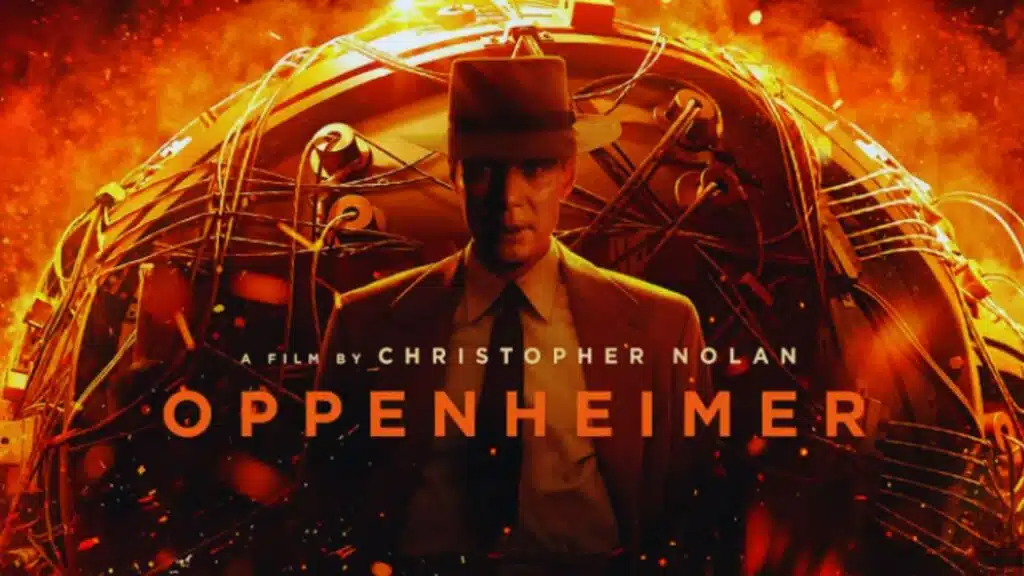
Christopher Nolan has addressed the criticism in several interviews. He has maintained that the film was designed to follow Oppenheimer’s perspective strictly and subjectively.
“It was always my intention to rigidly stick to that,” Nolan told The New York Times.
“Oppenheimer heard about the bombing at the same time that the rest of the world did. I wanted to show somebody who is starting to gain a clearer picture of the unintended consequences of his actions.”
Nolan added that the decision not to depict the bombing was intentional, emphasizing the psychological impact on Oppenheimer rather than a documentary-style depiction of the physical destruction.
A Divided Reaction to an Award-Winning Film
While Oppenheimer was a critical and box office success—grossing nearly $1 billion worldwide—it has sparked an important debate about how filmmakers portray history and the ethical responsibilities that come with it.
Many viewers praised the film’s cinematography, acting, and narrative structure. However, others, including historians and activists, argue that by not showing the devastation of Hiroshima, the film missed an opportunity to confront the full moral weight of the atomic bomb’s use.
The conversation echoes a broader cultural question: Can a historical film be considered complete if it omits the perspective of the victims?
A Look Ahead: Will Ghosts of Hiroshima Fill the Gap?
James Cameron’s Ghosts of Hiroshima may serve as a counterpoint to Oppenheimer by shifting focus to the stories of survivors—stories that have historically been underrepresented in Western media. Based on Charles Pellegrino’s work, the film aims to capture not only the physical destruction but also the psychological scars left on the people of Hiroshima.
Cameron has long been praised for his attention to human emotion and detail in large-scale tragedies, such as in Titanic, and his upcoming film may provide a more comprehensive look at the atomic age’s consequences.
The debate between Cameron and Nolan underscores a critical question in filmmaking: Should historical films prioritize subjective experience over factual representation, or should they strive to show all sides of a story—especially when that story involves human suffering on a massive scale?
While Oppenheimer shines as a powerful character study, James Cameron’s Ghosts of Hiroshima may serve as a necessary complement, giving voice to those who experienced the aftermath firsthand.
The Information is Collected from AOL and MSN.