Many fans of “Anne with an E” wonder about LGBT characters in the show. The Netflix series takes the classic story and adds new layers that weren’t in the original books. If you’ve watched the show and felt curious about the queer themes, you’re not alone.
“Anne with an E” does include several LGBT characters and storylines. Great Aunt Josephine Barry is shown as a lesbian who had a lifelong partner named Gertrude. The show also follows Cole Mackenzie, a young boy who discovers his identity as gay.
These stories help viewers see how people found their true selves even in the 1800s. Let’s look at how the show brings these important stories to life.
Key Takeaways
- “Anne with an E” features several LGBT characters including Great Aunt Josephine Barry (a lesbian) and Cole Mackenzie (a gay youth).
- The show depicts a “queer soirée” hosted by Aunt Josephine to honor her late partner Gertrude, creating a safe space for LGBT people in the 1800s.
- The series uses historically accurate terms like “Boston marriage” to show how same-sex couples lived together in the 19th century.
- Creator Moira Walley-Beckett included these storylines to help LGBTQ+ youth feel seen and find community.
- The show’s progressive themes, including LGBT representation, may have played a role in its cancellation after three seasons.
LGBTQ+ Characters and Storylines in Anne with an E
Anne with an E brings LGBTQ+ characters and stories to life in ways both touching and brave. The show expands on L.M. Montgomery’s classic with new queer characters and explores themes of identity and acceptance in a 19th-century setting.
What is the relationship between Great Aunt Josephine and Gertrude?
Great Aunt Josephine Barry and Gertrude shared a deep romantic love in “Anne with an E.” Their bond was known as a “Boston marriage,” which meant two women lived together without needing money from men.
This part of the show differs from the original books, where their connection wasn’t shown as romantic.
Josephine’s grief after losing Gertrude plays a big role in Season 1, where she opens up to Anne and Diana about their relationship. Later, in Season 2, she hosts a “queer soiree” to honor Gertrude’s memory.
Their story helps Anne feel validated in her own life, while Diana must work through her surprise about her aunt’s sexuality.
How does Cole Mackenzie explore his identity in the series?
Cole Mackenzie starts as a shy artist who faces harsh bullying at school. His path to self-discovery begins after he breaks his arm and must find new ways to create art. Cole finds a safe place with Aunt Josephine in Charlottetown, where he meets others like him.
In this loving space, he comes to accept that he is gay. His story shows the hard journey of finding yourself when others don’t accept you.
Cole also notices that Mr. Phillips, their teacher, might be gay but doesn’t want to admit it. This makes Cole think about studying psychology to help others who face the same struggles.
His search for belonging speaks to many LGBTQ+ youth who need to find their own community. Through art and friendship, Cole builds the strength to be true to himself despite the hate he faces in his small town.
In what ways does Ted Phillips challenge traditional gender roles?
Mr. Phillips breaks gender norms in Anne with an E through his quiet struggle with identity. As a closeted queer man in conservative Avonlea, he doesn’t fit the tough, strict male teacher role people expect.
His personal battles with sexuality make him deny who he really is. This denial affects how he acts around others, especially when he bullies students like Cole. The show uses his character to question what being a man meant in that time period.
Mr. Phillips serves as a mirror for Cole Mackenzie, who faces similar struggles with not fitting in. Through Mr. Phillips, viewers see how hard it was to be different in a small town.
His story shows the pain of hiding your true self and the lack of community for queer people back then. His character helps modern audiences think about how far we’ve come with acceptance and self-acceptance today.
What Queer Themes Are Portrayed in Anne with an E?
Anne with an E boldly tackles queer themes through heartfelt storytelling and complex characters. The show creates a safe space for viewers to explore identity, self-acceptance, and the fight against societal norms.
What happens at the queer soirée hosted by Aunt Josephine?
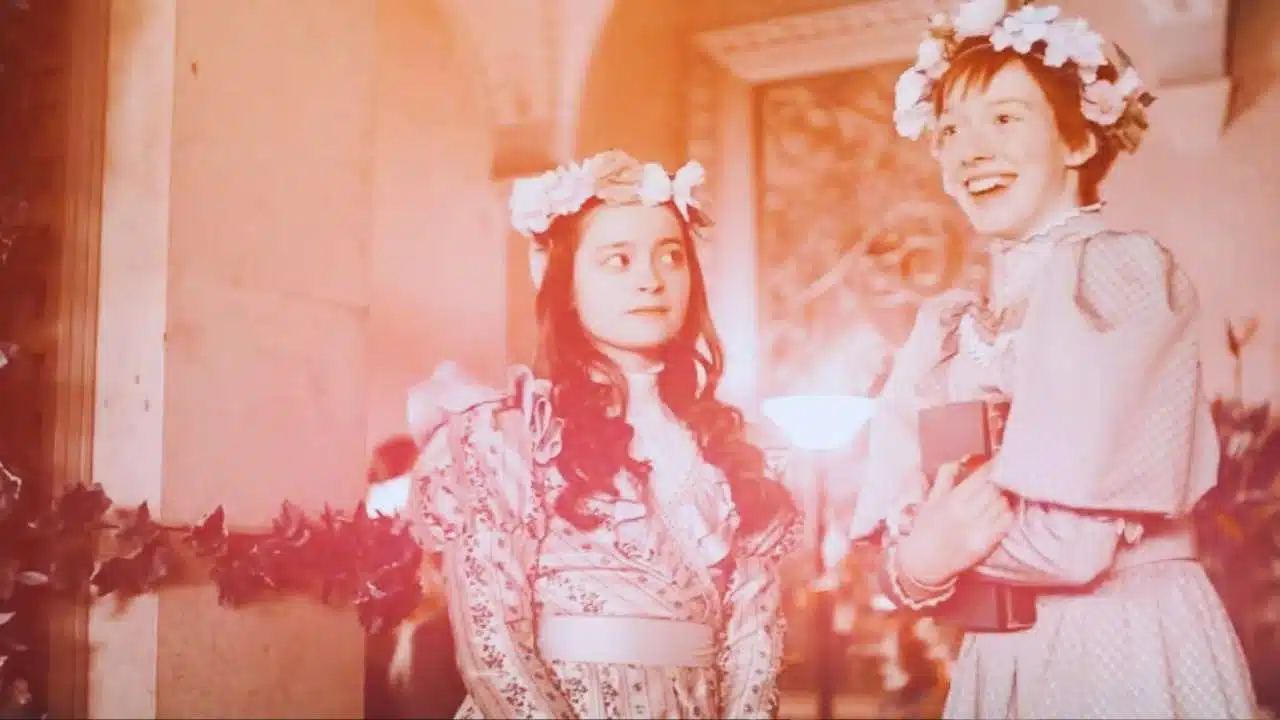
Aunt Josephine hosts a special queer soirée in Season 2 to honor her late partner Gertrude. This event creates a safe space for queer and artistic people to gather and express themselves freely.
The soirée shines with bright decorations, flowers, and guests wearing creative outfits. Famous pianist Cécile Chaminade performs at the party, bringing real historical touch to the show.
The series presents Chaminade as both a feminist and gay icon, playing her actual music during the scene.
The queer soirée stands out as one of the most colorful and inclusive events in Anne with an E. It shows how LGBTQ+ community members found ways to celebrate their identities even in historical times.
The gathering helps characters like Cole find acceptance and belonging among others who share similar experiences. Through this party, the show mixes historical accuracy with a message of inclusivity that speaks to modern viewers.
How does the series address acceptance and identity?
Anne with an E” tackles acceptance and identity through its LGBTQ+ characters and storylines. The show presents young people who are figuring out their sexual identities in a time when it wasn’t talked about openly.
Diana struggles to accept her Aunt Josephine’s relationship with Gertrude at first, but grows to understand it over time. This growth mirrors what many viewers might experience in real life when learning about different kinds of love.
The series creator, Walley-Beckett, made these stories to help LGBTQ+ youth feel seen and find their community. Her work had real impact, as one team member even came out to her after working on the show.
Anne herself says that love comes in many forms, which is a key message throughout the series. This focus on self-discovery and acceptance gives viewers of all ages a chance to see that being true to yourself matters most.
What Is the Impact of LGBTQ+ Storylines in Anne with an E?
The LGBTQ+ storylines in Anne with an E break new ground in period drama by showing diverse identities in a historical setting. These characters help viewers see that LGBTQ+ people have always existed, making the show a powerful tool for acceptance and understanding.
How is LGBTQ+ representation shown in the historical context?
Anne with an E” shows LGBTQ+ life in the 1800s with real facts. The show uses the term “Boston marriage” for Aunt Josephine and Gertrude’s relationship, which was a real way same-sex couples lived together back then.
At Josephine’s soiree, we meet Cécile Chaminade, a real person from history who was part of queer circles. This proves that LGBTQ+ people didn’t just appear in modern times but have always been part of society.
The series also shows other true parts of queer history. Women who wore pants or lived on their own faced harsh judgment in rural places like Avonlea. These small details help viewers see how hard it was to be different in the 19th century.
The story about a Jewish peddler being forced away from Green Gables connects to real refugee stories and shows how many groups fought for acceptance in Canada during this time.
How does the show promote inclusivity among modern viewers?
“Anne with an E” reaches a wide range of viewers through Netflix, making its inclusive messages more accessible to today’s audiences. The show doesn’t just talk about acceptance, it shows it through diverse characters and storylines that many people can relate to.
Creator Moira Walley-Beckett made sure to include characters who struggle with their identity, giving young viewers a chance to see themselves on screen. The series brings together LGBTQ+ stories alongside Black and Jewish characters, showing how different types of diversity connect with each other.
The show breaks away from old-fashioned ideas about family and love. It presents the clear message that families come in many forms and that love is love, no matter who shares it. This helps modern viewers feel seen and valued, no matter their background or identity.
The expanded cast in later seasons allows for more grown-up and inclusive stories that speak to today’s issues while set in a historical time. This mix of old settings with new values helps viewers think about how far we’ve come and how much further we can go toward true acceptance.
Why Was Anne with an E Canceled?
Anne with an E fans were shocked when the show ended after just three seasons. The cancellation came from a split between Netflix and CBC, the Canadian network that helped make the show.
Many people think their different goals caused problems. Netflix wanted global appeal, while CBC focused on Canadian viewers. This clash in vision led to the tough choice to end the series, leaving many storylines unfinished.
The show’s bold take on social issues, including LGBTQ+ themes, also played a role in its ending. Critics like Tess Farrand from Movieguide felt the show pushed an agenda that changed the original moral message of the classic story.
She argued for content shaped by religious values instead. The mix of progressive themes sparked heated debates among viewers. Some loved the modern touch, while others wanted the show to stay closer to L.M.
Montgomery’s books. These creative choices became part of the larger story of why Anne with an E left our screens too soon.
Takeaways
Anne with an E” stands out for its brave approach to LGBTQ+ stories in a period setting. The show gives us characters like Aunt Josephine, Cole, and Ted who help viewers see what life was like for queer people in the past.
These stories teach us about finding our place and being true to who we are. The series helps young people who might be asking questions about their own identity feel seen and valued.
Through its mix of history and modern values, the show creates a world where all kinds of love and self-expression matter.
To learn more about why this beloved series came to an end, visit Why Was Anne with an E Canceled?.
FAQs
1. Does Anne with an E show LGBT characters?
Yes, Anne with an E includes LGBT representation. The show adds Diana’s aunt Josephine Barry as a lesbian character who had a female partner named Gertrude. This storyline wasn’t in the original books but was added to the Netflix adaptation.
2. Which characters in Anne with an E are LGBT?
Aunt Josephine Barry is the main LGBT character in the series. The show reveals she had a lifelong romantic relationship with Gertrude. Cole MacKenzie, a character created for the show, also discovers his gay identity during the series.
3. How does Anne with an E handle LGBT themes?
The show handles LGBT themes with care and respect. It shows the struggles of LGBT people in the 1800s while creating safe spaces in the story. Aunt Josephine’s home becomes a place where people can be themselves without judgment.
4. Was the LGBT content in the original Anne of Green Gables books?
No. The LGBT content was not in Lucy Maud Montgomery’s original books. The show creators added these storylines to make the series more inclusive and to reflect diverse experiences. This is one way the Netflix adaptation differs from the classic books.