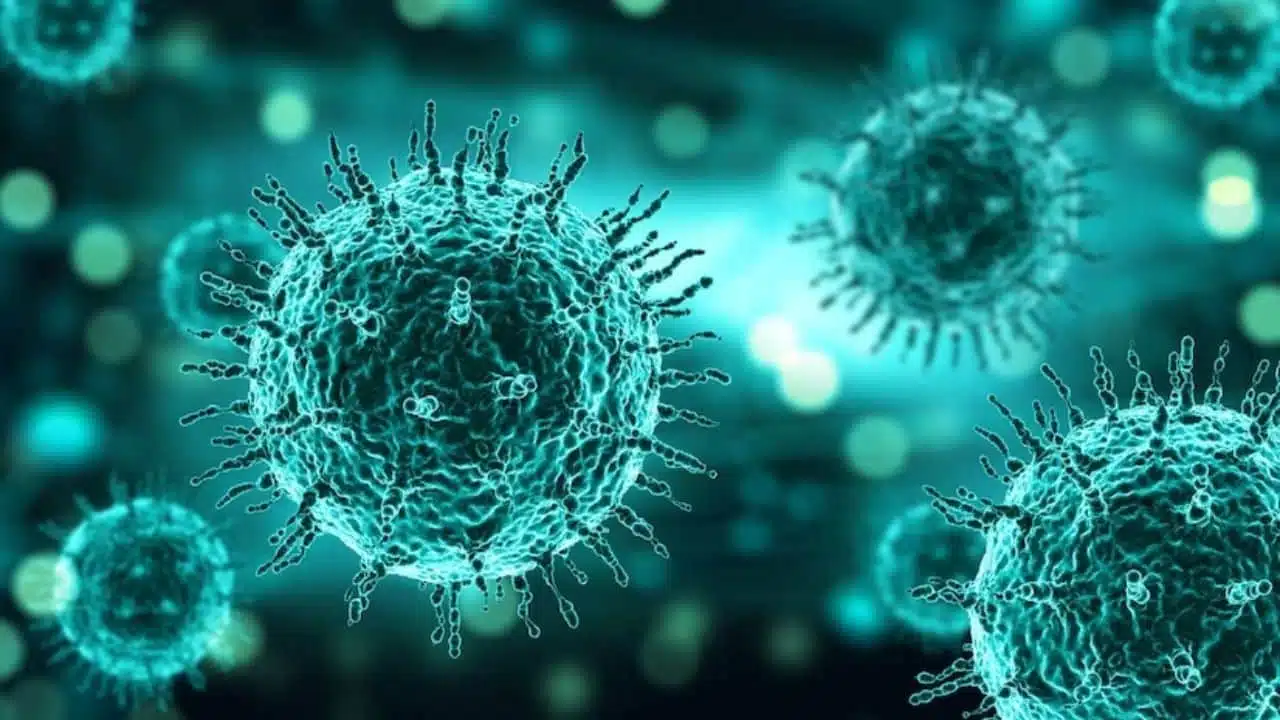
The World Health Organization (WHO) recently declared the mpox virus, formerly known as monkeypox, a global health emergency. This announcement comes amid growing concerns about the virus’s spread, particularly in Africa, where it has been spreading rapidly. The declaration raises questions about what this means for global public health, how the virus compares to COVID-19, and what steps people should take to protect themselves, especially when traveling to affected areas.
Is mpox the Next COVID-19?
A common question on many minds is whether mpox could become the next global pandemic like COVID-19. The simple answer is no. While the WHO’s declaration might sound alarming, it’s essential to understand the context behind it. According to Karl Minges, Ph.D., MPH, an associate professor of public health at the University of New Haven, the WHO’s emergency declaration is not meant to suggest that mpox will have the same global impact as COVID-19. Instead, the declaration is intended to mobilize resources, particularly vaccines, to help control the virus in regions where it is spreading most rapidly.
“The WHO has made it clear that this is not the new COVID-19,” Minges says. “Their announcement of a global health emergency is more about prompting the acceleration of vaccine access for lower-income countries.” This is a crucial point because it highlights that the primary goal of the WHO’s declaration is to ensure that vaccines and other resources are made available to countries that may not have the means to procure them independently. This is especially important for areas like Africa, where the virus is currently spreading the most.
The declaration also allows international organizations like UNICEF to step in and help distribute vaccines to the most affected regions. “It’s a way to get more tools to support those in the more heavily affected areas,” Minges adds. This is a significant difference from the early days of COVID-19 when the virus was spreading rapidly and unpredictably across the globe, and there were no vaccines or treatments available.
Understanding mpox: A Virus with a History
Unlike COVID-19, which was a novel virus when it first appeared, mpox is not new. The virus was first identified in laboratory monkeys in the late 1950s, hence its original name, “monkeypox.” Human cases of mpox have been documented since the 1970s, primarily in Africa. However, until recently, mpox was not considered a significant global threat. It was mainly confined to specific regions and spread primarily through contact with infected animals.
What has changed is the emergence of new variants of the virus, which has led to increased media attention and public concern. “The reason more people are talking about mpox on social media platforms like TikTok and Instagram is due to a new variant,” Minges explains. Like many viruses, mpox has mutated over time. These mutations can sometimes make a virus more transmissible or change the severity of the disease it causes.
However, it’s important to note that much more is known about mpox compared to what was known about COVID-19 when it first emerged. “We understand the value of disease surveillance, monitoring, and prevention efforts,” Minges says. Additionally, there is already an FDA-approved vaccine available for mpox, which provides a significant advantage in controlling the virus’s spread. “There is a lot more fidelity in the treatment of this than in [COVID-19 back when the pandemic first started],” Minges adds.
Is mpox an Emergency in the United States?
As of now, mpox is not considered an emergency in the United States. However, there was a time when it was. In August 2022, the Biden administration declared mpox a public health emergency. This decision came after criticism that the government had been slow to respond to the initial outbreak of the virus in the U.S. At the time, the declaration allowed for an increase in testing for the virus and helped to stretch the nation’s limited supply of the mpox vaccine.
By January 2023, the U.S. government announced the end of the public health emergency for mpox, citing a significant decline in cases. This decision was based on data showing that the spread of the virus had slowed considerably in the U.S., thanks in part to the vaccination efforts and increased public awareness.
However, this does not mean that the virus is no longer a concern. In other parts of the world, particularly in Africa, mpox continues to spread. The WHO has reported over 14,000 cases in Africa this year alone, which is a 160% increase from last year’s figures. This rapid spread is particularly concerning because it suggests that the virus is becoming more difficult to control in these regions.
What’s even more worrying is that the virus has mutated, resulting in a new variant known as Clade I. This variant has not yet been reported in the U.S., but it has caused significant concern among public health officials.
What Makes the New Variant of mpox Different?
The new variant of mpox, known as Clade I, is more serious than the variant that spread in 2022. “Clade I is more serious, with a higher mortality rate,” Minges explains. The Centers for Disease Control and Prevention (CDC) also notes that Clade I “causes more severe illness and deaths.” In some outbreaks, up to 10% of those infected with Clade I have died. However, the CDC also points out that recent outbreaks have had lower death rates, which suggests that while Clade I is more severe, it is not necessarily more deadly in all cases.
Clade I is primarily endemic to Central Africa, meaning it is usually found in this region. However, the spread of the virus outside of Africa has raised concerns about its potential to cause more significant outbreaks in other parts of the world. So far, cases of Clade I have been reported primarily in Africa and Asia, with one recent case reported in Sweden. This suggests that while the virus is spreading, it has not yet reached pandemic levels.
The variant that spread in 2022, known as Clade II, is less severe. According to the CDC, more than 99.9% of people infected with Clade II mpox survive. This variant spread in the U.S. during 2022 but has since leveled off. The key difference between these two variants is not just in the severity of the illness they cause but also in how they spread.
For example, Clade II primarily affected gay and bisexual men during the 2022 outbreak. In contrast, Clade I appears to be affecting a different population. A CDC report indicates that children have accounted for about two-thirds of the estimated 20,000 suspected cases of Clade I in the Democratic Republic of Congo since January 2023. This shift in the affected population is concerning because it suggests that the virus may be evolving in ways that make it more dangerous to vulnerable groups, such as children.
Another critical factor in the spread of mpox is its zoonotic transmission, meaning it can spread between animals and humans. This can happen in several ways, such as by ingesting the uncooked meat of an infected animal or coming into contact with an infected animal. However, the primary concern with the current spread of mpox, particularly in Africa, is human-to-human transmission. This transmission is most likely to occur within households or through close personal contact.
Should You Be Worried About Contracting mpox While Traveling?
If you are planning to travel to a country where mpox is spreading, there are several precautions you can take to protect yourself. The most effective way to protect yourself is to get vaccinated. “There is an approved vaccine, and that offers the best protection you can have,” Minges says. The mpox vaccine requires two doses, delivered four weeks apart. If you have already had mpox, you do not need to get vaccinated, as your body has likely developed immunity to the virus.
In addition to getting vaccinated, it’s essential to take other precautions, especially if you will be in close contact with people who may be infected. This is particularly important if you are traveling to areas with known mpox outbreaks. “If you’re traveling and going to raves, parties, clubs, or areas where there’s minimal clothing, there could be direct skin-to-skin contact where you might not even be able to see a rash on someone or be aware of it,” Minges warns. Avoiding such gatherings can significantly reduce your risk of contracting the virus.
Protection goes beyond just sexual encounters or intimate contact. The virus can spread through any close personal contact, so it’s essential to be cautious in crowded places where physical contact is likely. Minges also advises practicing good hygiene, such as disinfecting surfaces and washing hands frequently, to reduce the risk of transmission.
It’s also worth noting that certain groups of people may be at higher risk of severe illness if they contract mpox. “As always, people who are compromised, children, and older adults are the ones who should think about getting the vaccine if they will be around high-risk groups, with a higher rate of transmission,” Minges says. While the new variant of mpox has shown signs of being more transmissible, there have been no documented cases in North America at this time.
The WHO’s declaration of mpox as a global health emergency is a proactive measure designed to ensure that vaccines and resources are available to the regions most affected by the virus. While mpox is not expected to become a global pandemic like COVID-19, it is still a serious public health concern, particularly in Africa, where the virus is spreading rapidly. By staying informed, getting vaccinated if necessary, and taking precautions when traveling to affected areas, you can help protect yourself and others from this virus. Remember, the key to managing mpox lies in prevention, early detection, and vaccination.