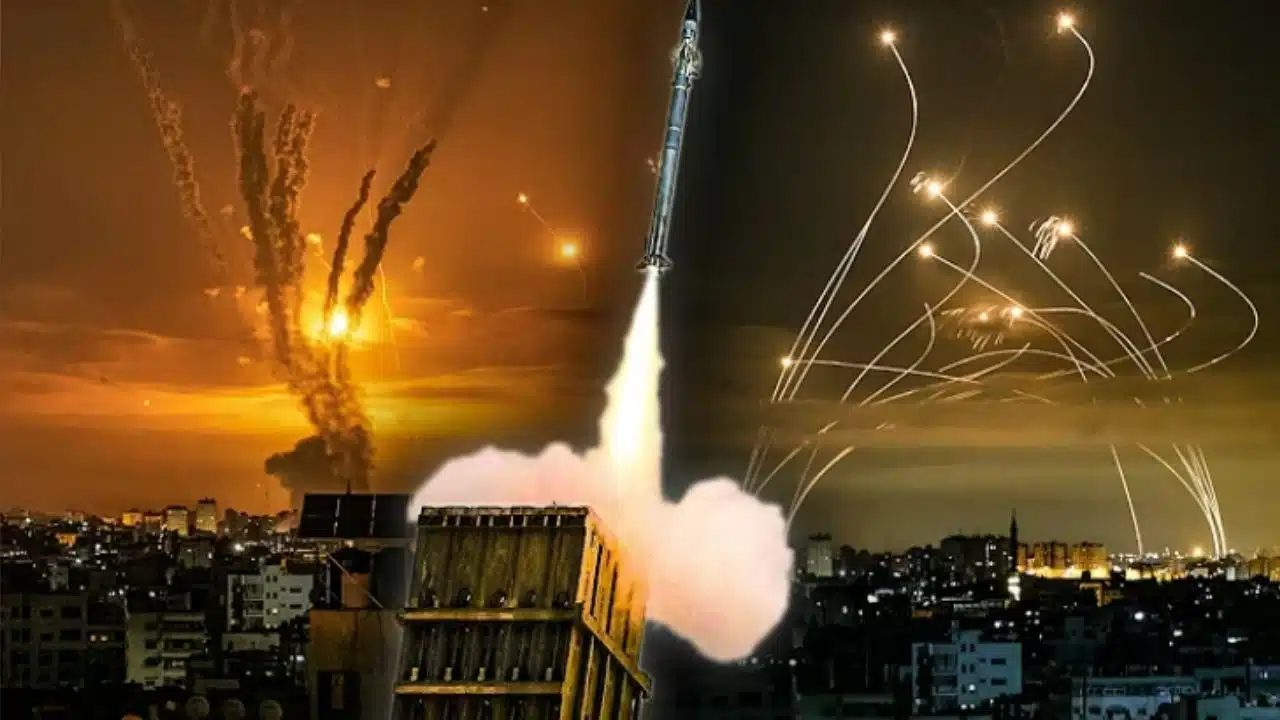
In a dramatic escalation of the conflict, Iran launched two consecutive barrages of ballistic missiles at Israel early on Wednesday, June 18, 2025. This marked one of the most aggressive direct assaults by Iran on Israeli territory in recent years, signaling a dangerous shift in the regional power struggle.
The first barrage, which occurred shortly after 12:40 a.m. local time, reportedly involved 15 ballistic projectiles. Sirens wailed across central and northern Israel, including cities such as Tel Aviv, Jerusalem, and Haifa, prompting residents to take immediate shelter. Around 1:20 a.m., a second wave of approximately five missiles followed, targeting several Israeli communities and parts of the West Bank.
While no fatalities or injuries were reported, Israeli defense officials said the country’s Iron Dome and David’s Sling defense systems intercepted the vast majority of the incoming missiles. However, debris from the intercepted missiles caused secondary damage. A parking lot in central Israel caught fire, damaging at least 20 parked vehicles, according to the Fire and Rescue Service. This incident was attributed to shrapnel from intercepted missiles rather than a direct hit.
Israel Responds With Major Airstrikes Deep Inside Tehran
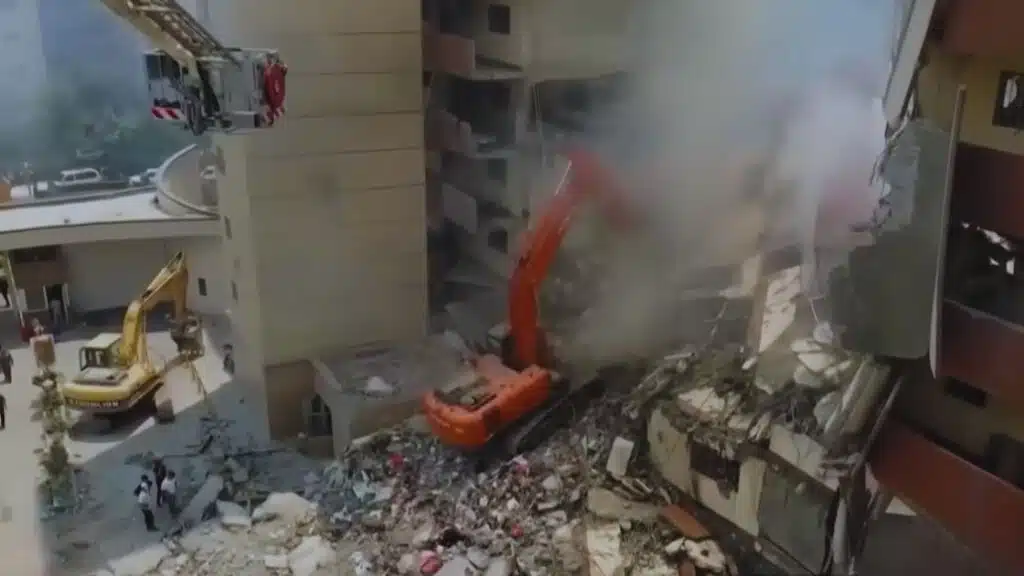
Shortly after the missile attacks, the Israel Defense Forces (IDF) responded with a massive retaliatory airstrike campaign. According to military sources, more than 50 Israeli Air Force fighter jets participated in a coordinated strike against multiple strategic targets in and around Tehran.
Key Targets Included:
- A centrifuge production site: Israeli intelligence believes this facility was being used to increase Iran’s uranium enrichment rate—a key step toward the development of nuclear weapons.
- Missile manufacturing centers: These included sites used for producing surface-to-surface missile parts, components for surface-to-air missile systems, and raw materials essential for assembly.
- Weapons factories: Targeted facilities included those supplying arms to Iranian proxy groups across the region.
- Academic institutions: Iranian media reported that a university affiliated with the Islamic Revolutionary Guard Corps (IRGC) in eastern Tehran was also hit.
- The Khojir missile complex: Known for its ballistic missile production, this site near the capital was the focus of multiple strikes.
- Karaj city: This site, previously targeted by Israel, houses another centrifuge production unit linked to Iran’s nuclear program.
Israeli officials stated that the purpose of the operation was to “neutralize an existential threat” by crippling Iran’s nuclear infrastructure and dismantling its missile capabilities.
Khamenei Declares All-Out War: “Show No Mercy”
Shortly after Iran launched the missile strikes, Iran’s Supreme Leader Ayatollah Ali Khamenei posted a message on his official X (formerly Twitter) accounts in English, Hebrew, and Farsi, dramatically stating:
“The battle begins. Show the Zionists no mercy.”
In a symbolic gesture, he referenced Khaybar, an ancient 7th-century Muslim conquest of a Jewish stronghold, hinting at religious undertones in the current conflict. His post included an image of a sword-wielding man walking toward a fortress with missiles streaking through the sky.
The Islamic Revolutionary Guard Corps (IRGC) issued its own statement claiming that this was the 11th wave of “Operation Honest Promise 3”, asserting the use of Fattah-1 hypersonic missiles—a claim strongly denied by Israel. Israeli defense sources insisted that Iran’s hypersonic missile capabilities remain unproven and likely exaggerated.
Drone Activity and Regional Alerts Intensify
In addition to the missile attacks, suspicious drone activity was detected over Israeli airspace:
- Around 6:00 a.m., warning sirens were triggered near the Dead Sea, suggesting possible drone infiltration.
- Additional sirens were activated in northern Israel and the Golan Heights just after 9:00 a.m.
The IDF confirmed that six drones launched from Iran were intercepted:
- Two over the Dead Sea
- One in northern Israel
- Three over the Golan Heights
This hybrid approach of combining missiles and drones aligns with Iran’s asymmetric warfare strategy, leveraging multiple threat vectors to challenge Israel’s defenses.
Israel Issues Evacuation Orders in Tehran Ahead of New Raids
For the first time in this conflict, the IDF issued a direct warning to Iranian civilians, specifically urging residents in District 18 of Tehran to evacuate. The military warned of imminent airstrikes targeting military infrastructure embedded in the civilian landscape.
Soon after the warning, Israel launched another wave of strikes on the Iranian capital, reinforcing its commitment to dismantling Iran’s offensive capabilities.
Iranian state media reported major explosions across eastern Tehran, with some businesses and even sections of the Tehran Grand Bazaar temporarily shut down. Emergency sirens and emergency service units were deployed as civilians scrambled for shelter.
Six Days of Escalation: Rising Death Toll and Worsening Damage
The conflict has now stretched into its sixth consecutive day, resulting in a growing humanitarian and military toll on both sides.
In Israel:
- 24 confirmed dead, including civilians and defense personnel
- More than 500 injured, many due to missile debris, drone attacks, and panic-induced incidents
In Iran:
- At least 224 confirmed fatalities, mostly in Tehran, Karaj, Isfahan, and other areas targeted by Israeli airstrikes
- Dozens of military officials, nuclear scientists, and engineers have reportedly been killed
Israel says its multi-layered strategy is designed to:
- Disrupt the Iranian nuclear program before it reaches a point of no return
- Destroy missile stockpiles and prevent proxy groups from acquiring advanced weaponry
- Demonstrate deterrence against IRGC-backed escalation
International Reaction and Geopolitical Fallout
Global concerns intensify:
- U.S. Embassy in Jerusalem has suspended operations due to escalating security threats
- China is evacuating citizens from Iran, signaling fears of a broader regional war
- Former U.S. President Donald Trump commented, urging Israel to “demand Iran’s unconditional surrender”, adding fuel to the already volatile situation
Expert analysis:
- Analysts note that while Iran’s underground facilities like Fordow remain operational, critical damage to above-ground sites like Natanz and Isfahan will likely delay Iran’s nuclear ambitions, though not completely halt them.
A Dangerous Crossroads
The Israel–Iran conflict has now reached a point of unprecedented escalation, involving direct missile attacks, high-level airstrikes, and openly declared war rhetoric. With hundreds already dead and major cities under repeated attack, the international community is on high alert.
Unless de-escalation efforts begin immediately, this could mark the beginning of a longer, more devastating regional war, involving not only Israel and Iran but their regional allies and adversaries.
The Information is Collected from NDTV and Times Now.