
Modern hybrids promise lower emissions, smoother driving, and impressive efficiency, but only if owners avoid certain operational pitfalls. Before discussing hybrid-specific maintenance, it’s worth noting that evaluating any hybrid vehicle should begin with a clear vin report. Reviewing the vehicle’s VIN (vehicle identification number) and understanding the vehicle’s history provides essential context for long-term reliability, resale value, and safe ownership.
Hybrid Vehicle Design and Operation
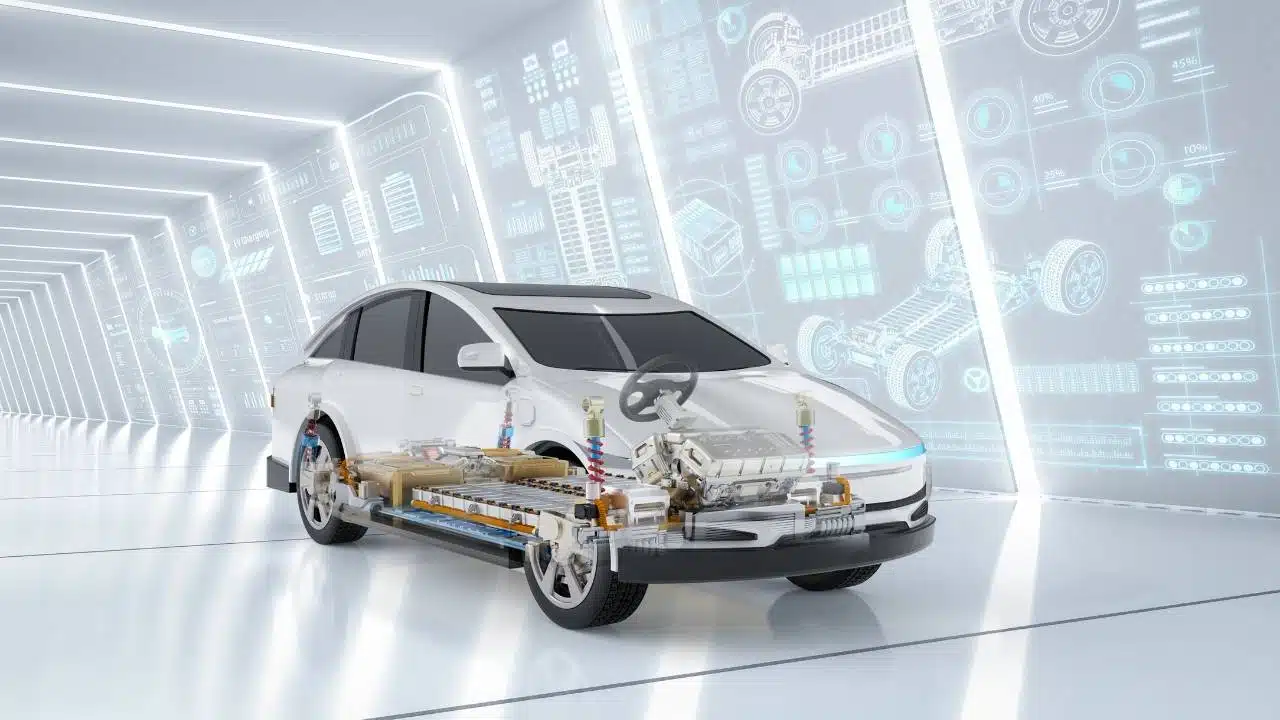
Hybrid vehicles rely on the interaction of two power sources: a traditional internal-combustion engine and a high-voltage electric drive unit. These systems are coordinated by a smart power-management control module that decides how energy is created, stored, and delivered. This dual-system architecture includes:
- a high-capacity lithium-ion or nickel-metal hydride battery,
- an inverter regulating alternating and direct current,
- cooling circuits for both the engine and hybrid components,
- regenerative braking hardware,
- sensors and software managing inverter load distribution and battery protection.
Because hybrids transition frequently between electric and combustion modes, their mechanical and electrical systems experience distinct stress patterns. Short engine cycles accelerate oil degradation. High-voltage components face thermal loads during acceleration, hill climbs, or warm weather. Regenerative braking reduces pad wear but increases reliance on electronic brake blending.
Understanding these operational dynamics allows vehicle owners to notice performance shifts early—reduced electric-only range, harsher engine transitions, or increased fuel consumption. Hybrids demand attention to software updates, inverter cooling, state-of-charge balancing, and proper airflow around the traction battery. With this awareness, owners can prevent issues long before they affect the drivetrain.
Common Mistakes When Operating a Hybrid
Leaving a Hybrid Vehicle in Storage for a Long Time with a Dead Battery
Letting a hybrid sit unused for long periods—especially with a discharged traction battery—is one of the most damaging mistakes an owner can make. High-voltage cells degrade when voltage drops below safe thresholds, and recovering them may require specialized equipment or may not be possible at all.
If long-term storage is unavoidable:
- keep the traction battery at a medium state of charge,
- run the vehicle periodically to cycle the system,
- maintain the 12V battery to prevent system lockout,
- avoid extreme temperatures that accelerate battery aging.
A hybrid with a deeply discharged pack may need professional services for reconditioning, and even then, full capacity may never return. Prevention is significantly cheaper than repair.
Using Low-Quality Fuel
Although hybrids rely heavily on electric motors, their combustion engines remain essential—especially during high load, battery-depleted conditions, or highway cruising. Low-quality fuel introduces carbon buildup, injector fouling, and knocking, all of which increase strain on the hybrid control unit.
Poor combustion triggers more frequent engine engagement, reducing efficiency and unnecessary cycling of the electric drive. When fuel quality is compromised, the entire hybrid system works harder to compensate, accelerating wear on both engine and battery.
Neglecting Regular Fluid Changes
Contrary to the myth that hybrids require minimal maintenance, they often need more precise servicing due to their dual-system operation. Critical fluids include:
- engine oil, which may degrade faster due to frequent warm-up cycles,
- hybrid inverter coolant, crucial for thermal management under electrical load,
- engine coolant, supporting both combustion and e-motor cooling loops,
- brake fluid, which ages even when pads wear slowly.
Skipping these fluid changes affects not only the combustion engine but also thermal stability and inverter lifespan. Fluid health directly affects the hybrid’s ability to maintain efficiency and operate safely under varying loads.
Blocked Battery Air Inlets
Hybrid traction batteries generate significant heat during acceleration, regenerative braking, and charging. They rely on clean, unobstructed air inlets and ducting to maintain safe temperature ranges. Dust, pet hair, and debris can accumulate around vents—especially in family vehicles or cars used for ridesharing.
Restricted airflow results in:
- overheating of the battery pack,
- reduced efficiency of the cooling fan,
- accelerated cell degradation,
- hybrid system derating to protect components.
Regular inspection and cleaning of battery ventilation paths should be part of routine maintenance.
Skipping High-Voltage Battery Maintenance
The traction battery is the heart of any hybrid, yet many owners overlook early signs of cell imbalance or voltage drift. Professional evaluations can reveal thermal irregularities, capacity loss, and charge-acceptance issues long before they affect performance.
Key indicators the battery needs attention include:
- reduced electric-only power,
- uneven state-of-charge readings,
- delayed engine-to-motor transitions,
- unexpected increases in fuel consumption.
A well-maintained high-voltage system preserves electric-drive capability and prolongs overall battery lifespan.
Neglecting Brake Pad Maintenance
Regenerative braking absorbs a large portion of deceleration force, reducing mechanical brake wear. However, this doesn’t eliminate the need for brake inspections. In fact, light pad use can cause glazing, while infrequent rotor engagement can lead to corrosion or uneven surface wear.
Even in hybrids, hydraulic brakes:
- play a critical role at low speeds,
- activate during emergency braking,
- stabilize the vehicle during abrupt stops.
Ignoring brake maintenance reduces safety and increases repair costs down the line.
Failing to Replace the Air Filter on a Timely Basis
Airflow management is especially important for hybrid engines, which rely on precise combustion to maintain seamless transitions between modes. A clogged intake air filter forces the engine to work harder, compromising fuel economy and increasing emissions.
Cabin air filters matter as well. Restricted airflow in climate-control systems can indirectly influence battery cooling performance in some hybrid designs where HVAC load affects thermal management circuits.
Choosing and Buying a Used Hybrid
The Importance of Checking the Vehicle’s History
Used hybrids can offer excellent value when properly evaluated, and the process begins with a review of the vehicle’s history. Using the vehicle’s VIN allows buyers to access service records, accident records, ownership records, mileage verification, and documentation about past accidents or major repairs.
When checking a hybrid’s past, examine:
- whether hybrid-specific maintenance was performed on schedule,
- the condition or replacement history of the battery and inverter,
- signs of water ingress or thermal stress,
- the number of previous owners and driving patterns,
- whether the car’s history reveals major repairs or structural events.
Some owners request the deletion of VIN history from certain platforms or look for ways to remove car history data. While maintaining privacy and removing outdated or incorrect entries may have reasons, potential buyers should still cross-check public databases and verify all available data. A clean record does not always guarantee a clean history.
The true customer benefits of reviewing a hybrid’s documented past include better negotiation leverage, reduced purchase risk, and confidence that the vehicle was maintained according to hybrid-specific requirements.
Takeaways
Hybrid vehicles reward attentive owners with excellent efficiency, long service life, and a smooth driving experience. Maintaining both the combustion and electric systems—battery cooling, fluid health, thermal management, and software integrity—is essential for preserving performance. Evaluating a hybrid’s condition begins, not under the hood, but with a clear understanding of the vehicle’s history through its VIN.
By avoiding common mistakes and applying proactive maintenance, owners can protect their investment, boost long-term reliability, and enjoy all the advantages hybrid vehicles are designed to deliver.
When maintained proactively, hybrids deliver their full promise: exceptional efficiency, strong resale value, and long-term mechanical resilience