

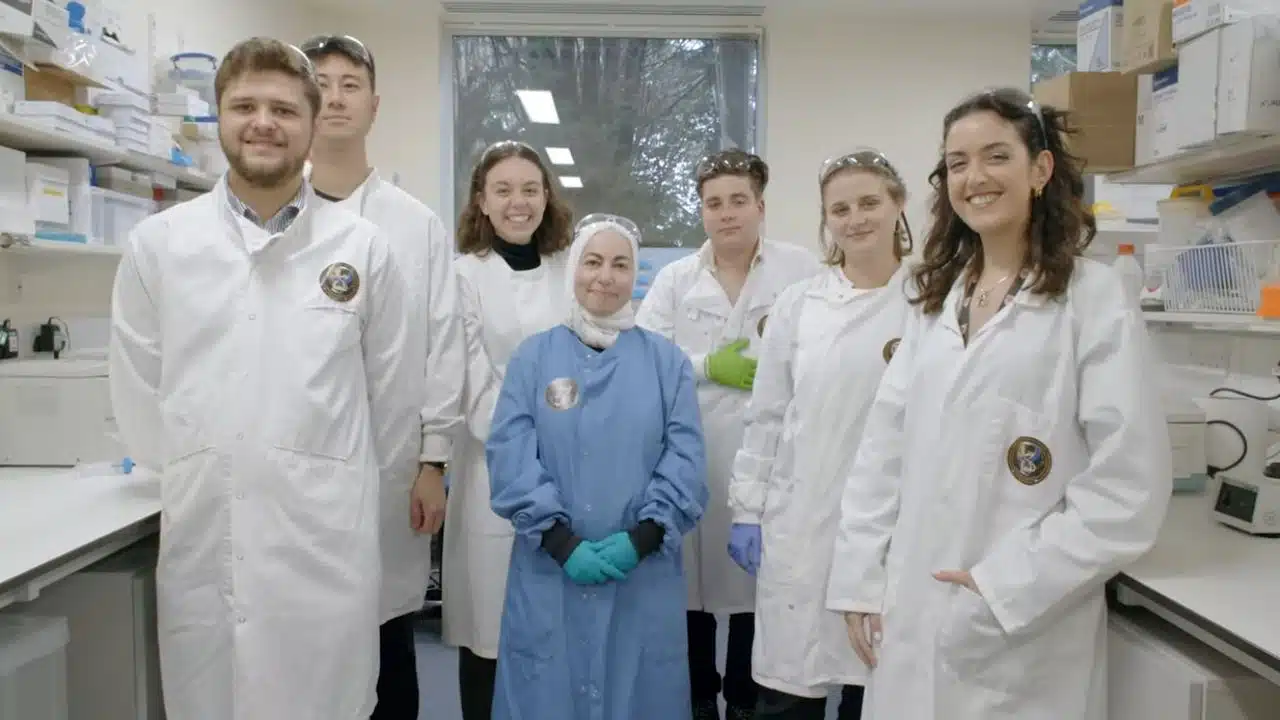
The University of Oxford’s Space Innovation Lab (SIL) has launched human tissue samples into space for the first time in a milestone development. These samples, now onboard the International Space Station (ISS), will undergo a month-long exposure to microgravity to help researchers gain unprecedented insights into the human ageing process and potential treatments for age-related conditions.
Exploring Ageing in Microgravity: A First for Oxford’s Space Innovation Lab
Researchers at Oxford’s SIL, part of the Botnar Institute of Musculoskeletal Sciences at the Nuffield Department of Orthopaedics, Rheumatology, and Musculoskeletal Sciences (NDORMS), prepared the tissue samples. Dr. Ghada Alsaleh’s project aims to investigate how the particular environment of space affects human tissue aging. Dr. Alsaleh described the initiative as an “exciting and important project” that could pave the way for new breakthroughs in combating age-related diseases such as Alzheimer’s and osteoarthritis.
“The SIL lab, which opened in July 2023, is the first of its kind in the UK,” noted Dr. Alsaleh. She added that the cube housing the tissue samples is equipped with a small computer and microscope, allowing for remote observation of cellular changes without assistance from ISS astronauts. “We can monitor the cells and the surrounding environment in real time, all controlled from our lab on Earth,” she explained.
Studying Cellular Ageing in Space: A “Surreal” Moment for Researchers
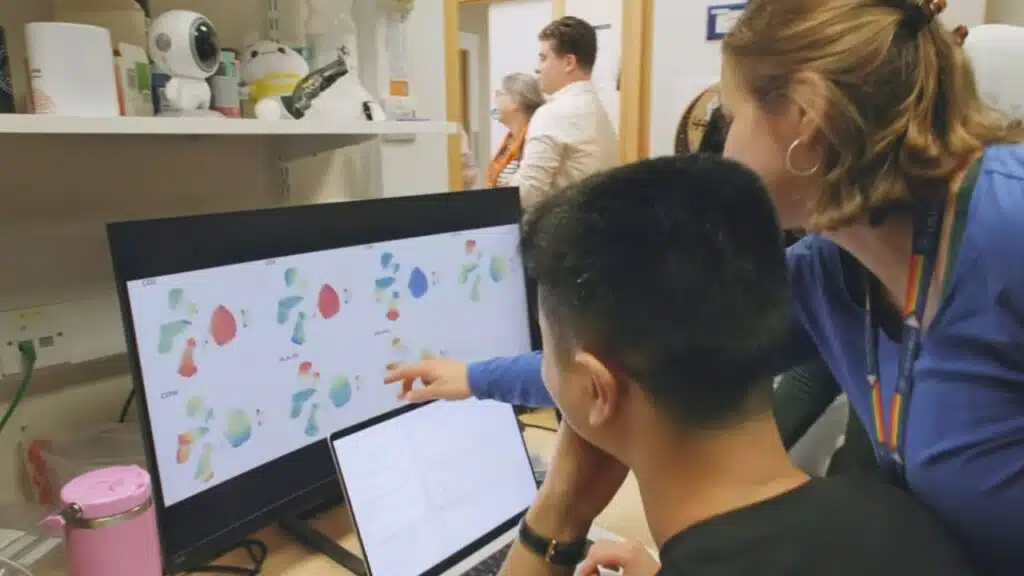
PhD student Ariana Portela, who is part of the research team, expressed enthusiasm about the study. “It’s absolutely amazing, a dream come true,” she shared, adding that she has long been fascinated by ageing and senescence—the stage when cells stop renewing themselves and show signs of ageing.
Portela explained that as cells age, they lose their ability to regenerate and cleanse themselves of damage, contributing to the onset of degenerative diseases. By testing these samples in space, Portela hopes to identify new drug targets that could one day slow or counteract ageing processes on Earth.
Visualizing Ageing Through Color Changes in Protein Expression
The study will use specialized microscopes to observe the cells, with researcher Loren Kell noting that specific proteins associated with ageing may show increased expression over time. These changes could become visible as color shifts under the microscope, providing clues about how proteins linked to ageing behave in the unique conditions of microgravity. “We might see these colors change over time as certain proteins become more pronounced,” Kell explained. “That’s the hypothesis we’re testing with this project.”
Understanding Age-Related Diseases Through Astronaut Physiology
The project originated from observations that astronauts frequently experience joint and muscle pain, as well as immune system disruptions, after spending extended periods in space. Dr. Alsaleh pointed out that these symptoms are similar to the conditions often experienced by elderly individuals on Earth, leading researchers to wonder if microgravity might accelerate the natural ageing process in tissues.
“If the samples age more quickly in space, we’ll gain valuable data about the process in a fraction of the time,” Dr. Alsaleh said. Insights from these accelerated ageing effects could enable scientists to develop treatments for age-related diseases at a much faster rate.
A Vision for Future Treatments in Space and on Earth
The tissue samples are expected to return to Earth in a month, after which the research team will conduct detailed analyses on markers linked to cellular ageing. Portela is optimistic about testing new drug targets aimed at reducing degeneration, which could have a major impact on ageing populations.
Dr. Alsaleh expressed hope that within two years, the project could yield results with real-world applications. “If our findings are positive, this could be a remarkable achievement for both people on Earth and astronauts in space,” she said, highlighting the potential dual benefits of the research for terrestrial and space-based health.
This pioneering project marks a significant step in understanding human biology in space and could lead to transformative medical advancements in the field of geriatric care. Researchers are eager to explore whether the data collected in microgravity can pave new paths in the battle against age-related diseases, offering hope for improved quality of life for future generations on Earth and beyond.
The Information is Collected from AOL and MSN.




























