Television is entering one of the most transformative periods in entertainment history. Over the next decade, TV series will evolve from traditional episodic content into a powerful global force that influences technology, culture, economics, politics, and social behavior. The rise of streaming platforms, the demand for international storytelling, advancements in artificial intelligence, and new forms of immersive media are reshaping how audiences interact with stories. As these changes accelerate, TV series will not only define what people watch but also how societies understand themselves.
This comprehensive article explores how TV series will shape the next decade, examining global trends, technological innovations, cultural shifts, viewer behavior, industry economics, and the growing political and social influence of television.
The Globalization of Storytelling
Television is no longer bound by borders. Advances in streaming distribution, localization technology, and audience expectations have created an era where a show produced in one country can find massive popularity worldwide within hours of release. The globalization of storytelling will intensify significantly over the next decade.
Why Globalization Will Shape the Future
Global storytelling will grow because:
- Streaming platforms distribute content simultaneously across the world.
- Dubbing and subtitling technologies have improved dramatically.
- International viewers actively seek culturally diverse narratives.
- Studios invest heavily in non-English originals to attract global audiences.
- Social media accelerates cross-border visibility and popularity.
As a result, stories that once only resonated locally now become global cultural events.
Drivers of Globalized TV Growth
| Aspect | Key Point | Explanation |
| Distribution | Global launch strategies | The show will release worldwide on the same day. |
| Technology | AI-powered localization | Faster dubbing and subtitling with natural voices. |
| Investment | Cross-border productions | Studios co-finance international collaborations. |
| Audience Behavior | Demand for diversity | Viewers expect fresh cultural perspectives. |
Shorter, High-Impact Seasons Will Dominate
Traditional 20 to 24-episode seasons are becoming outdated. Modern audiences prefer shorter seasons that deliver more concentrated storytelling and higher production quality. This shift will define the structure of TV over the next decade.
Why Shorter Seasons Will Become the Standard
- They maintain a tighter pacing with fewer filler episodes.
- Higher budgets per episode allow for cinematic visuals.
- They keep viewers engaged without overwhelming them.
- Shorter waits between seasons sustain long-term interest.
- Rewatch value increases when a show is more concise.
Short seasons also help platforms balance production costs while keeping content pipelines active.
Benefits of Shorter TV Seasons
| Aspect | Benefit | Explanation |
| Pacing | More focused narrative | Less time spent on unnecessary plotlines. |
| Production | Better visuals | Money stretches further across fewer episodes. |
| Engagement | Higher retention | Viewers finish and discuss shows more often. |
| Cultural Impact | Stronger presence | Shorter shows remain part of conversations longer. |
The Rise of Interactive and Immersive Television
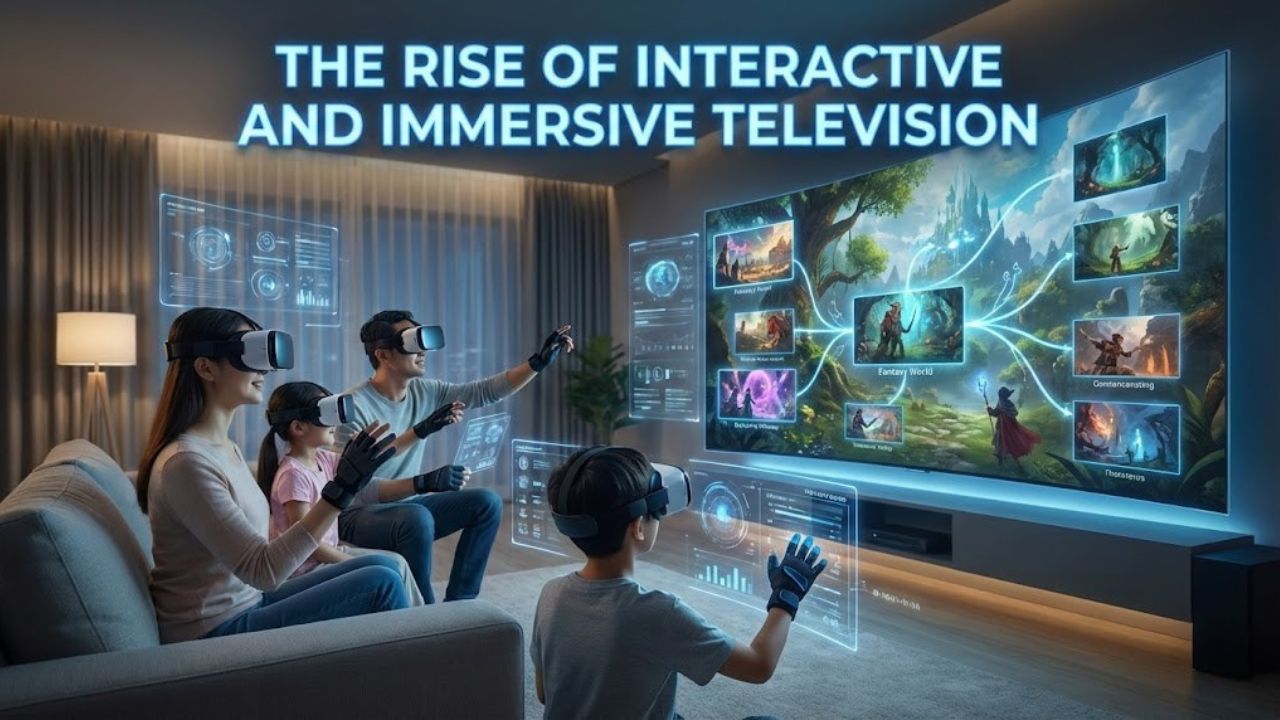
The next decade will blur the boundaries between television, gaming, and virtual worlds. Interactive storytelling will allow viewers to shape the direction of narratives, explore deeper layers of fictional universes, and engage with content in new, meaningful ways.
Forms of Interactive and Immersive TV
- Choose-your-path episodes where decisions affect outcomes.
- VR experiences that extend the world of a series.
- AR-enhanced storytelling accessed through smartphones.
- Bonus branching scenes tied to viewer choices or participation.
- Real-time audience involvement during live events.
Interactive TV combines entertainment with participation, creating more personalized viewing experiences.
Elements of Interactive Television
| Aspect | Feature | Explanation |
| Narratives | Branching stories | Multiple endings based on viewer input. |
| Technology | VR and AR integration | Viewers step into the story world. |
| Engagement | Participation events | Live components with viewer involvement. |
| Replay Value | Multiple outcomes | Viewers return to explore new paths. |
Artificial Intelligence Will Reshape TV Production and Viewing
AI is becoming one of the most influential technologies in entertainment. Over the next decade, AI will transform writing, translation, casting, editing, CGI, and viewer personalization. It will also change how platforms measure success and make renewal decisions.
How AI Will Influence TV
- Scriptwriting assistance that evaluates pacing and emotional arcs.
- Automated dubbing with natural-sounding AI-generated voices.
- AI-driven CGI and digital environments that reduce production time.
- Predictive analytics for renewals and cancellations.
- Personalized episode recommendations based on behavior patterns.
AI will not replace human creators. Instead, it will optimize workflows and expand possibilities.
AI Contributions to Future TV
| Area | Role | Explanation |
| Writing | Creative support | AI evaluates story flow and character dynamics. |
| Localization | Instant dubbing | Dramatically faster and more accurate translations. |
| Visual Production | Smart rendering | Reduces CGI cost and speeds up output. |
| Personalization | Viewer insights | Recommends content with high accuracy. |
The Streaming Wars Will Redefine Competition and Economics
The battle among streaming platforms is intensifying. Companies will fight for viewer loyalty, exclusive franchises, international markets, and long-term subscriber retention. The next decade will see the most aggressive phase of this war.
Major Forces That Will Shape the Streaming Wars
- Subscription fatigue will force platforms to innovate.
- More mergers and acquisitions as companies consolidate.
- Increased focus on exclusive intellectual property.
- Higher production budgets are needed to secure audience attention.
- Advertising-supported tiers will expand to offset costs.
Competitive pressure ensures rapid innovation but also significant financial risk.
Factors Reshaping Streaming Competition
| Factor | Impact | Explanation |
| Economics | Higher costs | Prestige shows require large budgets. |
| Competition | Consolidation | Smaller platforms merge to survive. |
| Content | Exclusive franchises | Each platform preserves unique offerings. |
| Consumers | Platform switching | Viewers follow content, not brands. |
Diversity and Representation Will Become the Norm
TV is finally experiencing a long-overdue transformation. Representation will no longer be a special feature. It will become standard practice across genres, roles, and writing rooms.
Areas Where Representation Will Expand
- More diverse casting in leading roles.
- Writers from underrepresented communities shaping narratives.
- Shows exploring intersectional identities.
- Indigenous storytelling is gaining global access.
- Balanced gender representation in both script and production teams.
Audiences respond strongly to authenticity, and platforms recognize the commercial value of inclusive storytelling.
Representation Trends in Future TV
| Aspect | Trend | Explanation |
| Casting | Inclusive lead roles | Broader cultural representation. |
| Writing | Authentic perspectives | Writers draw from lived experience. |
| Production | Equity initiatives | More diversity behind the scenes. |
| Audience Response | Strong demand | Viewers support authentic portrayals. |
Documentary Series Will Expand Public Awareness and Influence
Documentaries are becoming a central way people learn about the world. Younger audiences often prefer long-fo rm investigative storytelling over traditional news. Docuseries will influence global awareness across scientific, social, and historical issues.
Why Documentaries Will Thrive
- High demand for facts, truth, and real-world context.
- Improved camera technology enhances storytelling.
- Documentaries perform strongly on streaming platforms.
- Global audiences want deeper analysis of major issues.
Topics like climate change, AI, healthcare, crime, finance, and politics will dominate the documentary landscape.
Growth Categories for Documentary TV
| Category | Focus Area | Explanation |
| Science | Space and technology | Explains the future of humanity. |
| Environment | Climate impact | Uses visual storytelling for awareness. |
| History | New interpretations | Revisits past events with modern insight. |
| Society | Politics and justice | Examines systems affecting daily life. |
Fandom Will Become a Cultural and Economic Power
Fan communities will have more influence than ever before. They already shape renewals, cast decisions, merchandise trends, and story directions. Over the next decade, platforms will rely even more on fandom engagement.
How Fandom Will Shape TV
- Viral marketing powered by fan activity.
- Fan campaigns influence renewals.
- Expanded universes and spin-offs driven by fan interest.
- Massive merchandising ecosystems around fan-favorite shows.
- Online communities are driving theory discussions and speculation.
Studios now monitor fan behavior closely because engaged fandom guarantees long-term revenue.
Fandom Influence Categories
| Area | Influence | Explanation |
| Marketing | Organic hype | Fans drive visibility through social media. |
| Production | Creative direction | Writers consider fan reactions. |
| Revenue | Merchandise demand | Fans purchase collectibles and products. |
| Longevity | Campaign activism | Viewer engagement extends the show’s lifespan. |
Weekly Releases Will Return as a Major Strategy
While binge-watching remains popular, weekly releases offer sustained engagement, longer hype cycles, and stronger cultural presence. Platforms will increasingly combine both formats.
Why Weekly Releases Will Grow
- They keep viewers subscribed longer.
- They create weekly discussions on social media.
- They generate anticipation and emotional investment.
- They align with traditional TV rhythms while still fitting digital consumption.
Big-budget prestige shows especially benefit from weekly releases.
Comparison of Binge vs Weekly Releases
| Category | Binge Release | Weekly Release |
| Viewer Behavior | Rapid consumption | Slow buildup |
| Hype Duration | Short | Long |
| Community Discussion | Brief | Weeks or months |
| Platform Advantage | High initial engagement | Strong retention |
TV Production Will Strengthen Global Economies
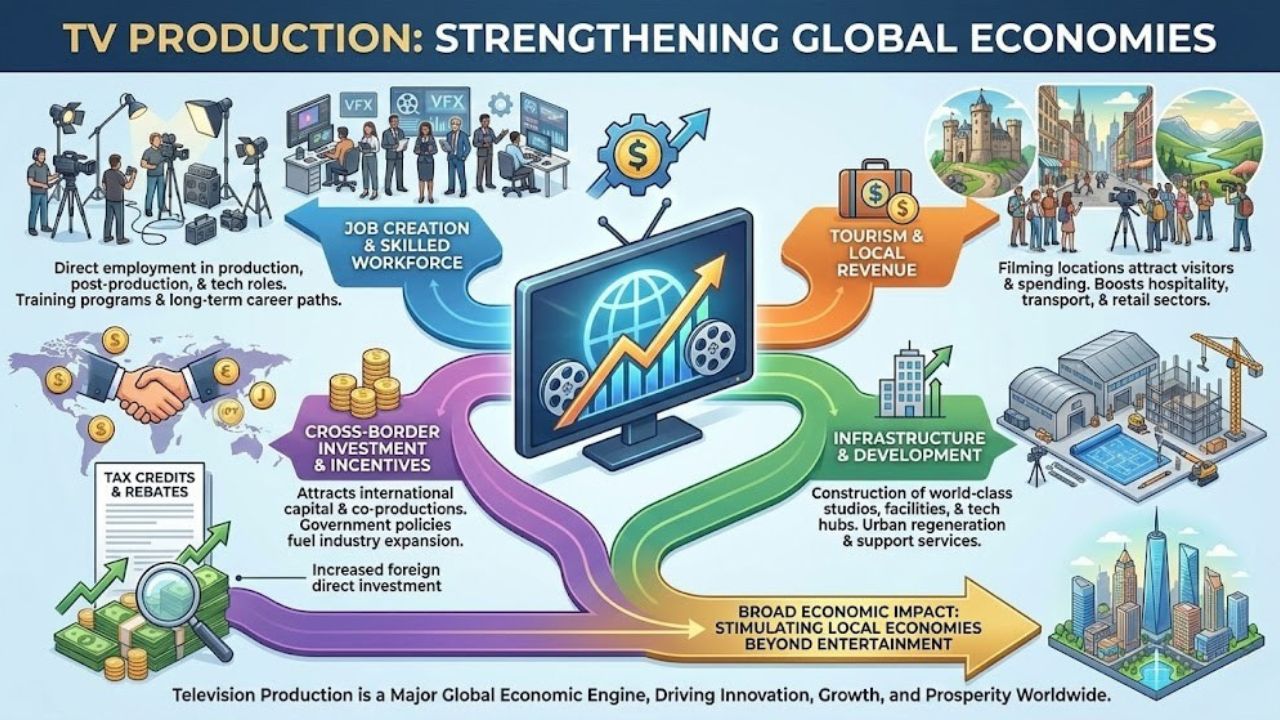
Television is becoming a major economic force. Production drives tourism, job creation, infrastructure development, and cross-border investments. Many cities are building film studios to attract international productions.
Economic Benefits of TV
- Regions gain skilled jobs in production and post-production.
- Filming locations attract tourism revenue.
- Governments offer tax incentives to fuel industry growth.
- Studios invest in long-term facilities and training programs.
TV production stimulates local economies far beyond the entertainment sector.
Economic Impact of TV Production
| Category | Impact | Explanation |
| Tourism | Location visits | Fans travel to scenic filming spots. |
| Employment | Industry jobs | Writers, actors, editors, technicians. |
| Infrastructure | Studio development | New stages and equipment. |
| Investment | International funding | Foreign studios shoot abroad. |
TV Will Shape Politics and Social Values
Television influences public opinion, cultural norms, and political understanding. Shows addressing identity, justice, government, and technology can shape how viewers interpret the real world.
How TV Will Affect Society
- Shows raise awareness about inequality and injustice.
- Sci-fi narratives frame discussions on AI and ethics.
- Political dramas influence public perception of institutions.
- Representation shapes how societies understand identity.
Television has become a mirror that reflects and reshapes cultural values.
TV Influence on Society
| Area | Influence | Explanation |
| Identity | Shapes perspectives | Characters model new norms. |
| Politics | Sparks debate | TV explores complex issues. |
| Technology | Normalizes innovation | Audiences accept futuristic concepts. |
| Culture | Defines trends | TV impacts language, fashion, and behavior. |
Final Verdict on How TV Series Will Shape the Next Decade
Television is evolving into one of the most influential media in the world. The next decade will be defined by global storytelling, advanced technology, immersive viewing experiences, and the expanding economic and cultural power of TV. The question of how TV series will shape the next decade is not simply about entertainment. It is about how societies will communicate, learn, and define themselves.
TV will become more international, more interactive, more intelligent, and more culturally influential. It will influence politics, economics, identity, and global thought. Above all, television will continue to be the dominant storytelling form of the modern era.
FAQs About How TV Series Will Shape the Next Decade
1. Why will TV become more global?
streaming platforms release content worldwide at the same time, and localization technology makes international stories accessible instantly.
2. Will interactive TV replace traditional formats?
No, but it will expand viewing options and create new genres.
3. How will AI change the TV industry?
AI will transform dubbing, writing assistance, CGI, viewer recommendations, and production analytics.
4. Why are documentaries becoming more popular?
want deeper explanations of real-world issues, and streaming platforms amplify the reach of documentary storytelling.
5. Will binge-watching fade away?
Binge-watching will remain, but weekly releases will increase for high-budget shows that benefit from long-term hype cycles.