
You dream of starting a construction company in Australia, but the red tape feels like a mountain. Papers pile up, licenses confuse you, and cash worries keep you up at night. Hey, we’ve all been there, staring at that blank business plan like it’s a puzzle missing pieces.
The construction industry can seem tough to crack, especially with competitors everywhere and rules changing fast.
Australia’s construction sector grows quick, offering big chances for new builders who plan smart. This post shares 10 clear steps, from market research to getting your Australian Business Number (ABN) and handling Goods and Services Tax (GST).
We’ll guide you on business structure, like sole trader options, and even touch on public liability insurance to manage risks. Jump in now.
Key Takeaways
- Register for an ABN through the Australian Taxation Office to handle taxes and get your business number fast.
- Get GST if turnover exceeds $75,000 yearly; file statements with the ATO to claim tax credits.
- Obtain state licenses from groups like Victorian Building Authority or Queensland Building and Construction Commission for legal building.
- Use software like Xero or Procore for accounting and project tracking to manage cash flow and risks.
- Join Master Builders Association for tips and networks to grow your construction company.
Market Research for Construction Startups
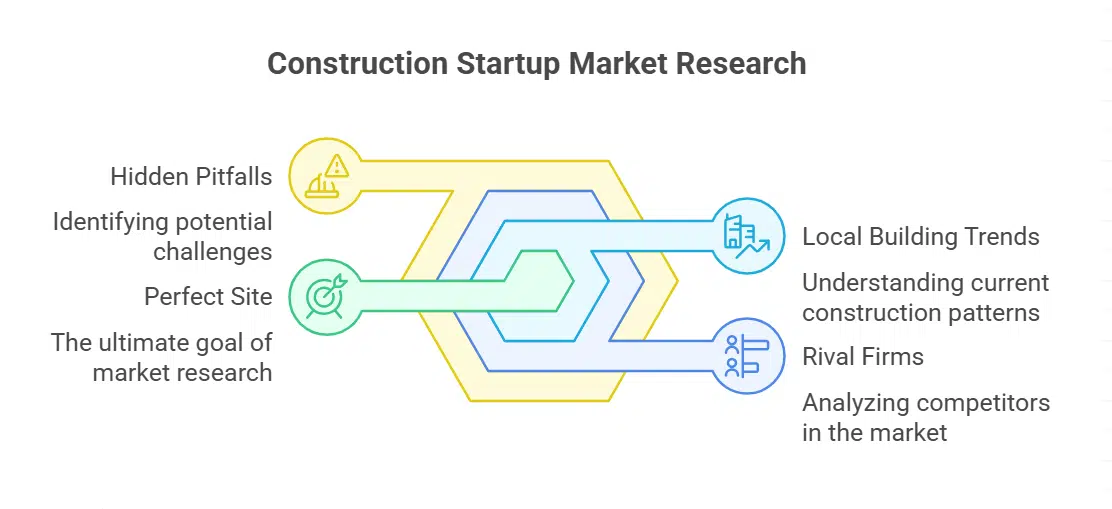
Picture yourself as a builder spotting the perfect site, but first, you scout the land for hidden pitfalls. Dive right in by checking local building trends and sizing up rival firms, like eyeing the competition before a big game.
Industry Demand and Competitor Analysis
Start with market research in the construction industry. Look at industry demand across Australia. Check for growth in areas like housing or commercial builds. Builders face high demand in booming cities, you know.
Dig into market dynamics and saturation. Some spots overflow with firms, like Sydney’s crowded scene. Others beg for more players. Talk to locals or read reports for real insights.
Imagine chatting with a seasoned builder over coffee, spilling secrets on hot spots. This step saves you from jumping into a shark tank without a life vest.
Now, analyze competitors. Research their specialties, like eco-friendly homes or big projects. Study their pricing to see if you can beat it. Peek at client perceptions through reviews or surveys.
Folks might rave about quick service or gripe about delays. Use this to spot gaps. For example, if rivals ignore small jobs, grab that niche. Think of it as scouting the field before the big game.
Build your edge with smart moves. Keep an eye on business risks in this competitive space.
Target Audience Identification
You need to spot your potential customer base right away in the construction industry. Think of it like fishing in the right pond, you know? Homeowners might want kitchen remodels, while developers chase big apartment projects.
Builders often target families in suburbs for new homes, or businesses for office builds. Use market research to pin down these groups. Check local trends, like booming areas in Sydney or Melbourne.
Talk to folks in the field, pick their brains on what clients crave. This step keeps your construction business on track, dodging empty bids.
Imagine chatting with a potential client over coffee, asking what bugs them about current builders. That reveals gold. Focus on sole traders or partnerships that fit your services.
Identify folks like electricians needing subcontractors, or permanent residents building dream homes. Watch for business risks, like picky clients who demand strict terms and conditions.
Build your brand identity around their needs, maybe through social media ads. This way, you attract the right crowd, boosting your reputation in the Australian market.
Crafting a Construction Business Plan
Crafting a Construction Business Plan: Imagine your new venture as a sturdy blueprint, one that maps out clear objectives and the services you’ll offer to stand out in the crowd.
Address those money forecasts and budgets next, like plotting a safe path through a busy site, to keep your finances on solid ground and attract backers who see the real potential.
Define Goals and Services
Start by laying out your construction company’s main goals, like building homes or fixing roads. Think of it as plotting a course on a map, where you decide the end point first. Document your service offerings, such as plumbing or electrical work, and the project types, like new builds or renovations.
This keeps everything clear, folks. Define your target market too, say families in Sydney or big firms in Melbourne. Oh, and outline employee roles, from site managers to laborers, so everyone knows their spot on the team.
Next, tie these goals into your business plan for a solid foundation. Picture your company as a sturdy house; goals are the blueprint that holds it up. List out what makes your construction business stand out, maybe eco-friendly builds or quick turnaround times.
Jot down how you’ll handle risks, like with public liability insurance, to protect your crew and clients. Define those employee roles in detail, including job descriptions and terms of employment, to build a strong team right from the start.
Financial Projections and Budgeting
You need to conduct cost and funding analysis right away. Think of it like mapping a road trip, you figure out gas money and stops first. Set revenue objectives to guide your path.
This keeps your construction business on track. Include overhead expenses in your business plan. Use a cash flow statement to watch money flow, like a river you steer. Financial planning helps spot risks early.
Picture chatting with a buddy over coffee about your dreams. “Hey, let’s set those revenue goals high but real,” you’d say. Factor in tax payments and business insurances. Conduct that cost analysis to avoid surprises.
Budget for tools and materials too. This way, your construction company stays strong.
Choosing a Business Structure
Pick your business structure wisely, like choosing the right tool for a tough job. Sole trader gives you full control with minimal compliance, but watch out for unlimited liability that puts your personal assets at risk.
Folks often go this route for its simplicity, almost like running a one-man band. Partnership shares liability among owners with moderate compliance, and taxes hit at personal rates, making it feel like splitting the bill at dinner.
If you want more protection, consider a proprietary limited company; it offers limited liability, gets taxed at company rates, yet demands high compliance. Trusts provide limited liability too, but their complex compliance means income flows to beneficiaries, sort of like passing the baton in a relay race.
Think about your goals in the construction industry. A sole trader suits small starts, giving that lone wolf vibe with easy setup through the Australian Business Register. Partnerships work for teams, sharing business risks and rewards.
Companies protect against personal injury claims via asset protection, registered with the Australian Securities & Investments Commission for an Australian Company Number (ACN). Trusts add layers for tax planning, distributing fringe benefits.
Match your choice to your risk management needs, and chat with an expert to nail down the legal requirements.
ABN Registration and GST Considerations
Apply for an Australian Business Number (ABN) right away. This step identifies your construction company for tax matters. Visit the Australian Taxation Office (ATO) site. Fill out the online form.
You get your ABN fast, often in minutes. It helps with business name registration and ties into your tax file number. Without it, suppliers might withhold pay as you go taxes from payments.
Imagine starting strong, like building a solid foundation for your construction business.
Now, consider Goods and Services Tax (GST) rules. Register for GST if your annual turnover exceeds $75,000. This applies to most construction industry setups, from sole trader to company structures.
File business activity statements through the ATO. Charge GST on services and claim input tax credits. Skip this, and you face business risks like fines. Picture dodging tax pitfalls, keeping your financial planning on track.
It protects your business reputation and handles payroll tax smoothly.
Licensing and Permits for Construction
You need the right licenses to build legally in Australia, or you might face big fines that hit like a ton of bricks. Chat with your state’s building authority, grab that construction license, and double-check zoning laws to keep your projects safe and sound—it’s like putting on your hard hat before the real work starts.
State-specific Construction License Acquisition
Australia has different rules for construction licenses in each state, so you must check your location first. Getting the right license keeps your construction company legal and safe, like building a strong foundation for a house.
- In Victoria, contact the Victorian Building Authority to get your construction license; they handle all the legal requirements, including safety regulations and building contractor approvals, which help protect your business reputation and manage risks like workers’ compensation claims.
- Head to New South Wales Fair Trading for your license needs in New South Wales; this group oversees regulatory compliance, from health and safety laws to public liability insurance, making sure your construction business avoids hefty fines and builds trust with clients.
- For Queensland, reach out to the Queensland Building and Construction Commission; they guide you through acquiring a license suited to the construction industry, covering everything from zoning laws to employment contracts, so you dodge business risks and focus on growth.
- Understand that each state might demand proof of your business skills, like experience in heavy machinery or financial planning, before granting a license; it’s like passing a test to prove you’re ready for the big leagues in starting a construction business.
- Gather documents such as your Australian Business Number (ABN) and details on your business structure, whether sole trader or company, to speed up the process; think of it as packing the right tools for a job site.
- Check for additional permits related to environmental laws or zoning; these ensure your construction company complies with consumer law and privacy law, keeping your operations smooth and lawsuit-free.
- Consider costs like levies or fees for the license application; budgeting for these in your business plan helps with financial projections and avoids surprises, much like estimating materials for a build.
- Once licensed, maintain compliance by updating your workers’ compensation and public liability insurance regularly; this shields your employees and subcontractors from accidents, preserving your company’s good name in the market.
- Network with local building contractors for tips on the application; their anecdotes about handling state rules can save you time, turning a potential headache into a straightforward step.
- Finally, use your license to boost marketing strategies; highlight it on social media to attract clients, showing you’re a legit player in the Australian construction scene, ready for projects big and small.
Compliance with Zoning and Safety Laws
You must follow zoning laws in your area to avoid big fines. These rules control where you can build and what types you can do. Check local councils for permits before any project starts.
Safety comes first, folks. Adhere to Occupational Health and Safety (OHS) regulations, and don’t forget Workplace Health and Safety (WHS) rules. They protect your team from harm on the job.
Prepare a safety plan for your license applications; it’s a key legal requirement. Comply with the National Construction Code (NCC) and WHS regulations to manage risks well. Think of it like building a strong foundation, it keeps your construction business safe and sound.
Get workers compensation insurance too, to cover any accidents. This step shields your business reputation and handles business risks smartly.
Financing Your Construction Business
You need solid cash to kick off your builds, like scoring a bank loan or chatting up investors who see your vision. Imagine a grant from the government.
Loan, Grant, and Investor Options
Financing your construction business can feel like climbing a mountain, but with the right options, you reach the top faster. Think of loans, grants, and investors as your trusty toolkit to cover startup costs for tools, vehicles, and equipment.
- Loans help you get cash quick for your construction company. Banks offer them based on your business plan and financial planning. Finlease provides machine and equipment loans, perfect for buying hammers, trucks, or heavy gear. Check interest rates, they bite if you ignore them. Pay back on time to build your business reputation. Talk to a lender, share your story, and watch funds roll in.
- Grants come free from the government or groups, no payback needed. Search for ones aimed at the construction industry in Australia. They often cover startup costs like tools or vehicles. Apply with a solid business plan showing your goals. It’s like finding buried treasure, but you dig with paperwork. Win one, and your construction business jumps ahead without debt.
- Investors put money in for a share of your construction company. Pitch your idea to angels or venture folks who love the construction industry. Show them financial projections and risk management plans. They might want a say in decisions, so choose wisely. It’s like teaming up with a partner who brings cash to the party. Build trust with clear contracts to avoid headaches down the road.
- Crowdfunding platforms let everyday people fund your startup. Set up a page highlighting your construction business dreams. Offer perks like shoutouts or small services in return. Cover costs for equipment this way, it’s fun and engaging. Share your story on social media, watch support grow. Keep backers updated to maintain that good vibe.
- Business credit cards handle small startup costs fast. Use them for tools or materials in your construction company. Watch fees and interest, they add up like dust on a job site. Pay off monthly to boost your credit score. Link it to your accounting software for easy tracking. It’s a quick fix, but don’t rely on it forever.
- Government-backed loans from the Australian Taxation Office (ATO) ease the burden. They tie into your Australian Business Number (ABN) and GST setup. Ideal for covering vehicles or equipment in your construction business. Rates stay low, helping with cash flow. Apply online, it’s straightforward if your paperwork shines. Pair this with public liability insurance to shield against business risks.
- Equity financing means selling shares in your construction company. Find investors through networks or events. Highlight your market research and target audience. They fund big items like heavy equipment. Negotiate terms, include non-disclosure agreements for safety. It’s like planting seeds that grow your business tall and strong.
Setting Up Construction Business Systems
Setting Up Construction Business Systems: Hey, picture yourself dodging the chaos of messy paperwork by grabbing solid accounting programs like QuickBooks and project tracking apps like Procore right from the.
Accounting Software Implementation
Pick accounting software that fits your construction business. Go for tools like Xero or MYOB, they handle job costs and invoices well. These programs track expenses on site, like a hawk watching its prey.
You set them up fast, link bank accounts, and input project data. Hey, imagine dodging tax headaches with easy reports for the Australian Taxation Office (ATO). This step builds strong business finances.
Monitor cash flow every week to keep projects on track. Check project profitability often, it spots leaks before they flood your budget. Use the software for quick tax returns and GST tracking.
Picture your team logging hours from the field, no more paper mess. Strong systems like these cut risks and boost your construction company’s reputation.
Project Management Tool Setup
Set up project management tools to keep your construction business on track. Pick software like Procore or Buildertrend, these help track tasks, timelines, and budgets. Imagine juggling chainsaws without a net, that’s life without good tools.
They make sure teams stay connected, avoiding costly slip-ups. If you hire staff, register for Pay As You Go (PAYG) withholding right away. This handles taxes as you pay wages. Link these tools to your accounting software for smooth financial planning.
Comply with superannuation and GST requirements through Business Activity Statements (BAS), it keeps everything legal.
Tools also boost risk management in your construction company. Use them to log construction contracts and monitor supplier relations. Hey, it’s like having a trusty sidekick in a wild west showdown.
Set alerts for deadlines, track materials, and handle payments. This builds your business reputation, dodging legal snags. For cyber security, choose tools with strong protections against hacks.
They manage your inbox and social media too, keeping client talks flowing. Just like that, your startup hums along, ready for growth.
Employee Recruitment Strategies
You need skilled workers to build your construction company. Start by crafting clear job descriptions. Define roles like site managers or laborers. This helps attract the right talent in the construction industry.
As an employer, follow fair work requirements. Offer minimum pay and safe conditions to keep everyone happy. Think of it like building a strong foundation; without good people, your business wobbles.
Use online job boards or local networks to find candidates. Check their business skills and experience. Note workers’ compensation; it protects against job risks.
Interview folks with care, like picking the best tools for a job. Ask about their know-how in construction tasks. Comply with employment law to avoid headaches. Offer fair terms and conditions of employment.
Build a team that fits your brand identity. This way, you grow a solid crew ready for any project. Chat with potential hires as if sharing a coffee break story. It makes the process fun and finds true fits for your startup.
Subcontractor and Supplier Relations
Build strong ties with subcontractors and suppliers, folks. Think of them as your business backbone, holding up every project. Pick reliable ones through due diligence, checking their track record and references.
Sign clear contractual agreements to cut down business risks, like delays or poor work. This approach guards your business reputation and keeps things smooth. Oh, and weave in risk management by talking often, sharing updates like old pals at a barbecue.
Foster a positive workplace culture that spills over to these partners. Treat subcontractors as team members, not just hired hands. Offer fair payment methods on time, avoiding cash flow headaches.
Hunt for suppliers who match your brand identity, maybe those with solid workers’ compensation plans. Use tools like project management software to track orders and jobs. In the construction industry, these bonds turn headaches into high-fives, boosting your start a construction business vibe.
Construction Equipment and Materials
Tool and Equipment Acquisition
You need tools and equipment to kick off your construction company in Australia. Startup costs for tools, vehicles, and equipment can add up fast, so plan smart.
- Assess your needs first, folks. Think about the construction industry jobs you’ll tackle, like building homes or fixing roads. List out must-have items, such as hammers, drills, and heavy machinery. This step keeps your construction business from wasting cash on extras. Factor in those startup costs; they cover tools, vehicles, and equipment that make or break your start a construction business dream.
- Shop around for deals, my friend. Hunt for suppliers who offer quality at fair prices. Compare options online or at trade shows. Building good supplier relations now boosts your business reputation down the line. Don’t forget, Finlease offers machine and equipment loans to ease those financial planning woes.
- Consider renting versus buying, yeah? For a new construction company, renting tools saves on upfront costs. It lets you test gear before committing. This approach fits into your business plan, especially if cash flow feels tight. Weigh the pros and cons, like how owning builds assets over time.
- Factor in maintenance and storage, pronto. Tools break, vehicles need tune-ups, and equipment demands safe spots. Budget for these in your financial projections. Skipping this invites business risks, like downtime on jobs. Hey, it’s like keeping your car running smooth to avoid breakdowns on a road trip.
- Check for warranties and insurance ties. Public liability insurance often covers your gear. Look into workers’ compensation too, as it protects your team using those tools. This legal requirement shields your construction business from nasty surprises. Treat it as a safety net for your hard-earned setup.
- Explore financing options beyond basics. Loans from Finlease help with machine and equipment loans, sure. Grants or investors might chip in if your pitch shines. Tie this to your overall financial planning to avoid debt traps. It’s all about smart moves in the construction industry game.
- Build a inventory system, simple as that. Use accounting software to track what you own. This aids in tax returns and spotting theft risks. Cyber security matters here; protect your digital lists from hacks. Think of it as locking up your toolbox at night.
- Train your staff on proper use, okay? Employee recruitment strategies include skill checks for handling equipment. This cuts accidents and boosts efficiency. Subcontractor relations benefit too, when everyone knows the drill. It’s like teaching kids to ride bikes safely before hitting the streets.
- Stay compliant with laws, no shortcuts. Zoning and safety laws dictate what equipment you can use where. Get those permits sorted early. Non-compliance hurts your business structure, whether sole trader or company. Australian Taxation Office (ATO) watches this for GST and company tax reasons.
- Update your gear as you grow, steadily. Market research shows tech changes fast in construction. Invest in better tools to stay competitive. This enhances your brand identity and attracts clients. Upgrading from a rusty old truck to a shiny new one catches clients’ eyes with that polish.
Marketing Strategies for New Construction Businesses
You know, getting your new construction firm noticed feels like shouting in a crowded room, but smart moves like building a strong brand identity and firing up digital advertising can turn heads fast.
Imagine teaming up with a solid social media setup to chat directly with folks hunting for builders, and watch those leads roll in like clockwork, sparking curiosity for more tips ahead.
Client Attraction Marketing Strategies
Start your marketing by building a strong online presence. Use iSeekplant to create your website and handle marketing tasks. This tool helps you stand out in the construction industry.
Set up social media channels right away, like Facebook and LinkedIn. Post about your projects to attract clients. Think of it as throwing a party where everyone wants an invite, your posts draw in the crowd.
Create email marketing templates to keep leads warm. Send tips on home builds or industry news. This builds your brand identity and trust. Mix in digital advertising on Google to reach more folks.
Picture your ads as magnets pulling in dream clients. Stay active, respond fast to messages, and watch your construction business grow.
Takeaways
You’ve learned the key steps to launch your construction company in Australia, from market research to marketing tactics. These tips make the process simple and quick, like building a solid foundation without extra hassle.
Why not grab your business plan now and check off those registration boxes? Picture the thrill of turning ideas into real projects that boost your success in this booming industry.
Join groups like the Master Builders Association for extra tips and connections. I once helped a friend dodge common pitfalls by focusing on safety laws, and it paid off big time. Go ahead, take that first swing, and watch your dreams rise like a skyscraper.
FAQs on How to Start a Construction Company in Australia
1. Hey, thinking about starting a construction business in Australia, what’s the top step I should tackle first?
Well, kick things off with solid market research to spot gaps in the construction industry, like a builder eyeing the lay of the land before digging in. Then, draft a business plan that maps out your financial planning and business risks, keeping everything on track like a well-oiled machine.
2. Okay, how do I pick the right business structure for my construction company down under?
Start by weighing options like sole trader or sole proprietorship, which keeps things simple if you’re flying solo. Chat with an expert from the Australian Taxation Office (ATO) to match it to your goals, avoiding headaches later on.
3. Do I need to register a business name and get an Australian Business Number (ABN) right away?
Yes, business name registration is key to building your brand identity and dodging legal snags. Grab that ABN from the ATO to handle Goods and Services Tax (GST) smoothly, and don’t forget an Australian Company Number (ACN) if you’re going corporate; it’s like getting your official badge in the game.
4. What about insurance, like public liability insurance, for my new construction business?
Public liability insurance shields you from business risks on site, think of it as a safety net for those “oops” moments. Add workers’ compensation and professional indemnity to cover your team and any advice slip-ups, because nobody wants a lawsuit raining on their parade.
5. How crucial is risk management when starting a construction company in Australia?
Risk management is your best buddy, helping spot pitfalls like cyber security threats or on-site accidents before they bite. Tie it into your business plan with steps for tax return prep and levy payments, making sure your construction business stays sturdy as a brick house.
Dive into a social media management system to showcase your projects and connect with clients, like chatting over a cuppa at the job site. Mix in trade mark protection for your logo to stand out, and remember, a dash of humor in posts can make your brand as memorable as a tall tale from the outback.