You work hard to build your brand online. Yet, ChatGPT and other AI tools often miss your name entirely. It is frustrating to see these large language models share facts from others while you stay in the background. You want users to see your expertise. You don’t want them just reading someone else’s answers.
Did you know that much of what ChatGPT shares comes directly from top search results and well-structured content? That means if your brand does not show up, your content might just need a few specific adjustments.
This guide will show you exactly How To Get Cited By ChatGPT. We will break down simple steps to help you boost your visibility. I’m going to walk you through the exact methods I use. Let’s get started.
Understanding ChatGPT and LLM Citations
ChatGPT and large language models process massive amounts of content every single day. They use this data to answer questions and cite sources. If your content is clear and factual, LLMs like ChatGPT spot it faster.
Think of these AI models like a busy librarian. They want to find the best answer in the shortest amount of time. AI pulls from sites it views as trustworthy. This usually means Wikipedia entries, top news outlets like CNN, or government sources. But you don’t need to be CNN to get cited.
You just need to speak the AI’s language. Sources get cited more if they offer solid evidence backed by numbers. A page stating “75% of digital brands saw higher engagement” grabs an AI’s attention much faster than a vague opinion.
“A 2024 study by researchers at Princeton and Google DeepMind found that simply adding relevant statistics to your content can improve your visibility in AI answers by nearly 40%.”
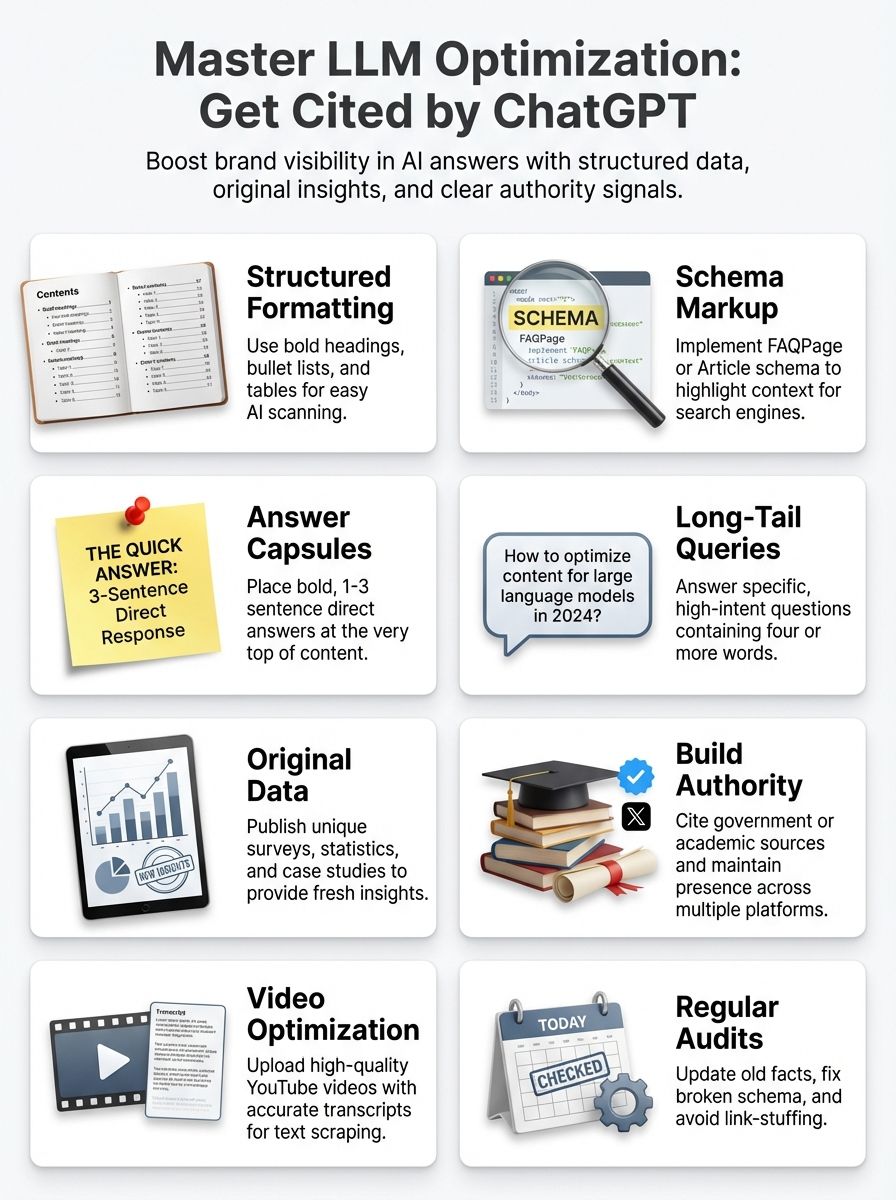
Sites using schema markup, like FAQPag,e also improve their discoverability. This code acts like a neon sign for chatbots hunting for quality answers.
Key Traits of Content That LLMs Prefer
Good content speaks plain English. It likes order. It gets straight to the point. If you tweak your pages with these habits in mind, machines are far more likely to tip their hats to your brand.
Clear and Structured Formatting
Short sentences win the race with LLMs. You need to use bold headings and bullet lists to make facts pop off the page. Google’s AI grabs the best from pages that use tidy sections and simple fonts.
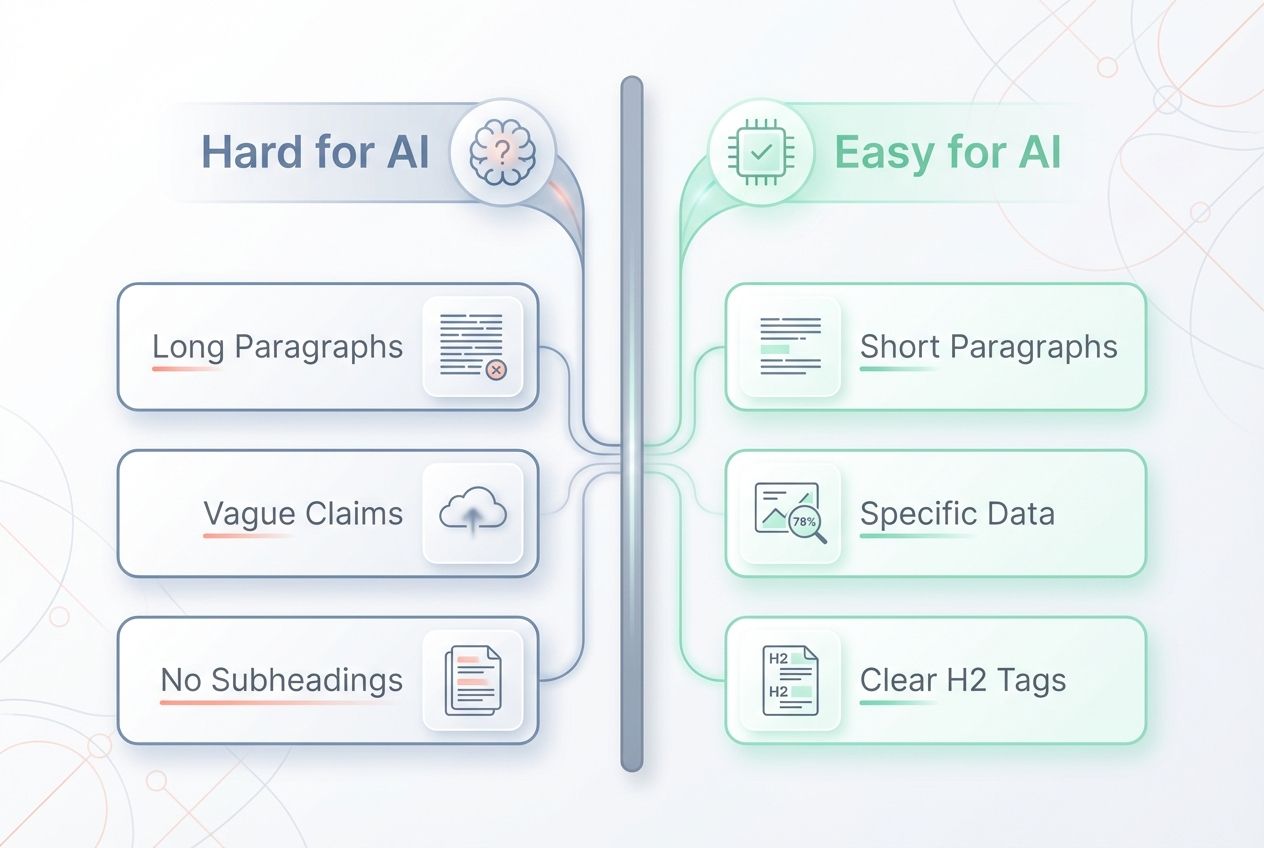
Headers like H2 or H3 act as bright signs for search engines. They tell the bot exactly what the next paragraph is about.
Clear format means readers and bots find what they want fast. Separate your answer capsules so key points shine out on their own line. Think of it this way. A messy desk hides your story. A neat one puts every data point in plain sight.
| Hard for AI to Cite | Easy for AI to Cite |
|---|---|
| Long, unbroken paragraphs of text. | Short paragraphs with bold keywords. |
| Vague claims like “We are the best.” | Specific data like “Rated #1 by 500 users.” |
| No subheadings. | Clear H2 and H3 tags organizing topics. |
Use of Schema Markup
Structured formatting lays a strong base. Schema markup acts as a spotlight. It makes your content stand out for large language models and AI tools like ChatGPT.
By adding pieces of code such as FAQPage or Article schema from Schema.org, you help search engines know what each section means. It is almost like handing them a map with clear directions.
Google uses structured data billions of times daily to match queries with high-quality answers. Brands using schema markup often see gains in AI visibility. So, sprinkle those bits of code into your pages. You will help your site’s discoverability and see those citation strategies pay off.
Direct Answers to User Queries
Clear answers help Large Language Models pick your content. Use simple words. Address the user’s question in the first two sentences if you can. Short paragraphs of three to five lines work best for quick scanning. Add bullet points for tricky topics. Avoid long stories or fluff. This keeps information crisp and focused on user intent.
For example, instead of saying “Our brand is committed to excellence,” write “Brand X offers same-day delivery.” This specific detail boosts citation chances significantly.
Strategies to Make ChatGPT Cite Your Brand
There are clever ways to boost your brand’s odds of getting a shoutout. These are practical steps you can take today.
Implement “Answer Capsules”
Short, smart content grabs the AI’s attention. I call these “Answer Capsules.” They are designed to be easily lifted by a bot and served to a user.
- Start with a clear answer: Place a bold summary at the top of your content. AI tools like ChatGPT pick up direct answers first.
- Keep it brief: 1-3 sentences work best. Long paragraphs confuse both readers and large language models.
- Target keywords: Place high-value terms such as “Chatbot Integration” and “Expert Insights” within these capsules.
- Use data: Support every capsule with credible evidence. Use stats like “73% of users trust cited brands more” to build authority.
- Use schema: Format capsules using FAQPage schemas to help LLMs recognize your structured data.
- Answer real questions: Target search intent by answering queries just like you would in a FAQ section.
- Target long-tails: Create capsules for specific queries like “How does digital branding impact AI visibility?”
- Include original research: AI prefers new information. Share results from your own organization where possible.
- Limit links: Avoid excess links in these short sections. Too many can make your content look spammy.
- Mention your brand: End each capsule with a clear tag if it fits naturally. For example, “According to [Your Brand], accurate content boosts discoverability.”
Focus on High-Intent, Long-Tail Queries
High-intent, long-tail queries help Large Language Models like ChatGPT find your brand faster. These are search phrases with four or more words. Think of phrases like “best gluten-free pancake mix for kids 2024.” People use them when they know what they want. LLMs see these searches as important signals.
Google reports that a huge majority of online searches now include long-tail keywords. You can use tools like AnswerThePublic to find exactly what questions people are asking in your niche. Craft your content around these specific problems. Share results from surveys you conducted. Offer tips based on product usage. This draws in both AI models and readers who need quick solutions.
Publish Original Data and Owned Insights
Share your own numbers. LLMs love fresh data. They will often pick sources that offer something new over sources that just repeat old facts. A simple table with 2024 survey results about user engagement beats generic info from last year. Use your team’s research or customer polls to make your brand stand out in AI training.
Google values content backed by actual evidence, like charts or unique datasets. ChatGPT wants answers grounded in original insight,s too. Adding graphs helps build trust signals for both users and search engines alike.
Leveraging Authority and Trustworthiness
People listen to voices they know and trust. It is just like leaning on a wise neighbor for good advice. If you show clear expertise, your brand stands taller in the eyes of both people and smart machines.
Consistently Use Credible Sources
Cite official data. Use well-known publications or respected experts. Sources like government websites (.gov), trusted industry reports, and universities are gold standards.
ChatGPT will value your content more if it sees these signals of authority. Back up every big claim with a clear reference to real evidence. Think of numbers from Pew Research or explanations from the Mayo Clinic.
Mix in links to sites considered trustworthy across digital branding circles. Update citations as information changes. Old facts can hurt your search engine optimization efforts fast.
Build Cross-Platform Authority
Share your data on many channels. You need to be everywhere the AI looks.
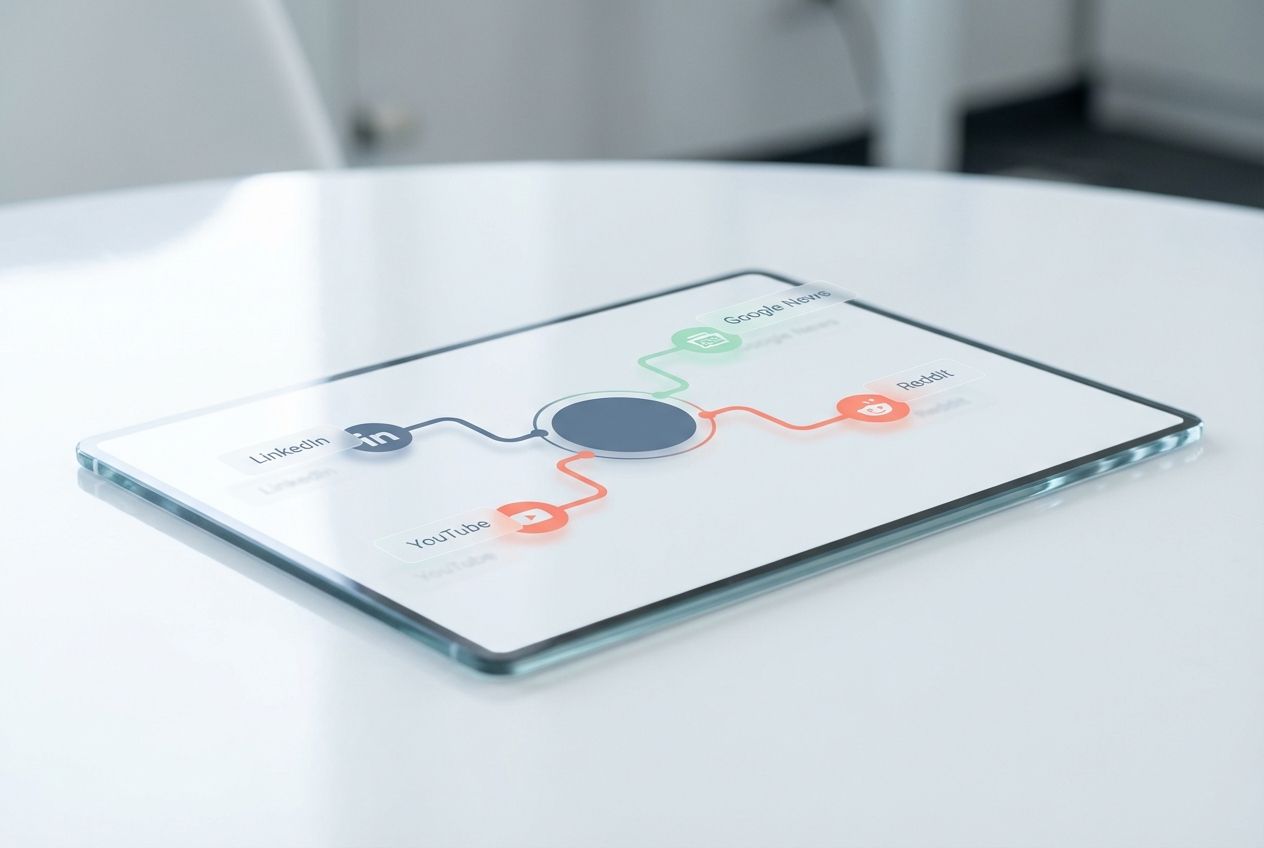
Post expert articles on your site. Keep a strong LinkedIn page. Share facts that matter on X (formerly Twitter). Upload short videos to YouTube. Each platform boosts visibility and puts your brand in front of new eyes.
“Search engines and large language models pay attention to brands seen across the web. A trusted name shows up in Google News, YouTube descriptions, and even Reddit threads.”
The more you appear with helpful info, the greater chance you have to earn citations. AI tools hunt for credible sources everywhere.
The Role of High-Ranking Content
Strong content rises to the top. It catches both people’s eyes and ChatGPT’s digital radar. High spots in search results make your brand hard to ignore.
Importance of Appearing in Top Search Results
Landing your brand in the top search results is like grabbing the best spot at a busy market. More people see you first. LLMs such as ChatGPT scan these high-ranking pages to gather accurate information.
Google’s own data shows that sites on page one get the vast majority of traffic. If users find your content fast, large language models are more likely to pick up your insights during AI training.
Optimizing Metadata and Search Visibility
Great metadata helps people and search engines find your brand. Pick clear, simple titles so users know what to expect. Use short meta descriptions that include your main keywords. Terms like “brand mention,” “content optimization,” or “digital branding” work well here. Search engines love this clarity.
Add structured data using schema markup, such as FAQPage. These help large language models spot important answers fast. Keep every URL tidy and relevant. Avoid confusing numbers or strings of letters.
A page called /data-driven-content works harder than one named /page?id=1234. Stick with these SEO basics. You put your brand right in the AI spotlight where folks are already searching.
The Power of Video Content for AI Citations
Imagine your brand’s message getting a front-row seat. Smart video content can put you on the radar for AI tools that find and share answers with millions.
Creating Targeted, High-Quality YouTube Videos
Clear, focused YouTube videos can lift your brand’s AI visibility. Cover topics that match high-intent searches. Answer questions using simple words. Brands that create step-by-step guides attract more attention. High-quality video does not always mean fancy effects. It means clear sound and direct answers. Speak as if you are chatting to a friend.
Using the right titles and descriptions packed with keywords grabs both viewers and search engines. Use terms like “AI Training” or “Expert Insights.” Viewers watch longer when content feels personal.
Leveraging Video Transcripts for AI Recognition
Great YouTube videos are the bait. Transcripts become the net that catches the AI’s attention. Tools like ChatGPT scan text to learn. Adding clean, keyword-rich transcripts boosts your brand’s citation odds fast. Tubefilter shared that more than 500 hours of video land on YouTube each minute. Brands with clear transcripts stand taller in this ocean of content.
| Video Element | Why It Helps AI Citations |
|---|---|
| Transcript | Provides text for the AI to “read” and index. |
| Timestamps | Helps AI find the exact moment an answer is given. |
| Closed Captions | Ensures accuracy so the AI quotes you correctly. |
Using simple language laced with your brand name turns these plain scripts into golden tickets for Large Language Models.
Common Pitfalls to Avoid
Watch out for easy mistakes. They can throw a wrench in your hard work. Little slip-ups may push your brand further from ChatGPT’s spotlight.
Overloading content with links
Stuffing too many links into your content can confuse both readers and AI. LLMs may see crowded links as spammy. This hurts visibility and lowers the chance of a brand mention.
Google’s recent updates have penalized overloaded articles. Use each link with care. Give space for your main message to shine without distraction. Strong citations matter, but more is not always better.
Writing overly promotional content
It is easy to swing the other way and write content that sounds like an ad. Overly promotional writing turns readers off. LLMs do not favor it for citations either.
AI models prefer neutral information that helps users find answers fast. Google’s guidelines warn against obvious sales language. Instead of focusing only on your product, share facts. Present original data.
Answer user questions directly. Adding real evidence increases trust signals. Prove your expertise in digital branding without sounding like a salesperson. Keep your tone real.
Ongoing Content Optimization
Stay sharp. Keep your content fresh and ready for change. Brands that tweak their work often catch the eye of AI faster.
Regular audits for GEO (Generative Engine Optimization)
GEO stands for Generative Engine Optimization. It is the new frontier of search. Run audits on your content often to be sure it stays visible to AI.
- Check snippets: Look at featured snippets often. These spots get the most visibility from ChatGPT.
- Review schema: Check your schema markup for errors using Google’s Rich Results Test.
- Refresh facts: Make sure stats and expert insights stay fresh. Outdated data hurts trust signals.
- Test answers: Use tools like Google Search Console to see if you are answering the right questions.
- Watch competitors: Analyze competitor mentions in AI results. See what makes others stand out.
- Update metadata: Track titles and meta descriptions across published content regularly.
- Refresh old posts: Update old blog posts with new data. Fresh updates send clear trust signals.
- Monitor backlinks: distinct links from trusted domains add authority.
- Adjust topics: Stay close to what people search for now.
- Scan transcripts: Check your video transcripts for accuracy. Perfect text helps AI match brand mentions with real value.
Adapting Strategies as LLMs Evolve
Regular GEO audits keep content sharp. But staying ahead means shifting gears with each update. New LLM training data pops up all the time. This changes how AI engines like ChatGPT pick which brands to mention. Google’s generative search and OpenAI’s model tweaks roll out fast.
Brands must watch for changes in citation strategies. Swapping structured data or tweaking FAQ layouts might move your brand up the charts. Keep your eyes on sources where new best practices pop up. Stay nimble. Tweak today and see results tomorrow. Ride each wave of optimization advances as they come.
Wrapping Up
You now know that clear, structured content helps ChatGPT notice your brand. It is not magic. Using answer capsules and video transcripts makes this work easier than you might expect. Never underestimate the power of simple changes like schema markup.
Take one smart step at a time. Soon enough, you may spot your brand shining in an LLM citation where it matters most.