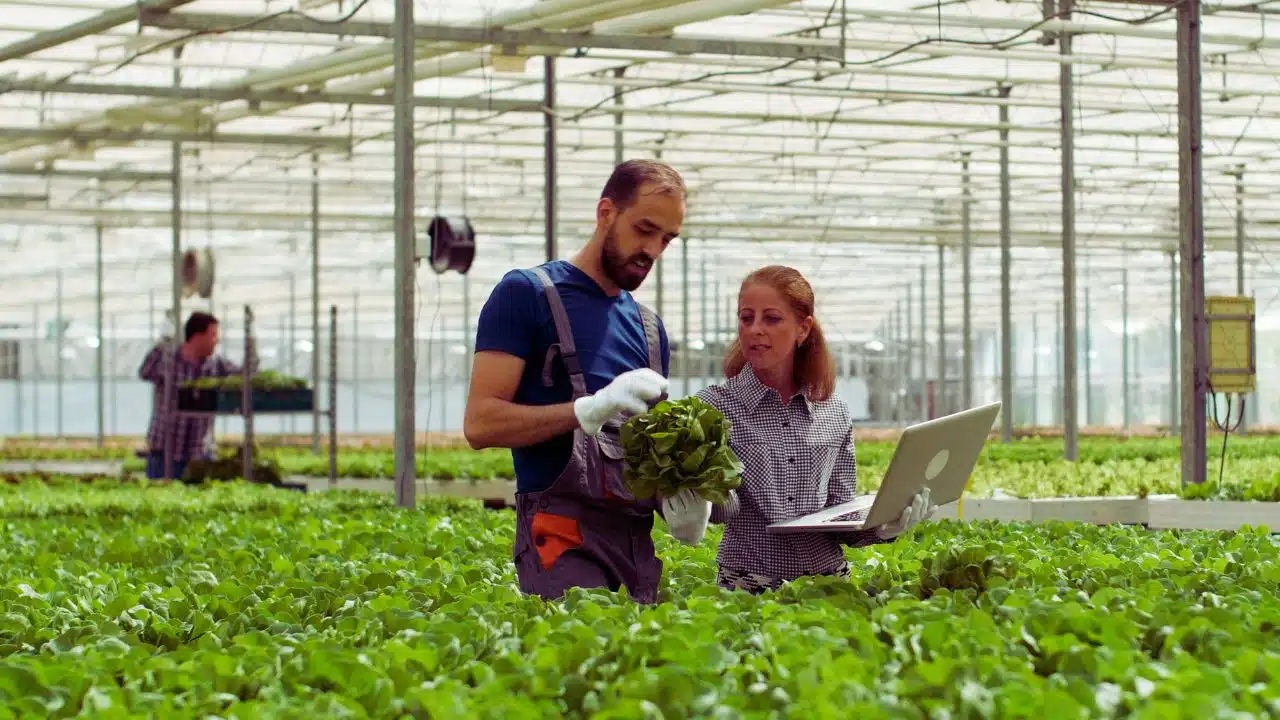
Farming has never been easy—but in today’s world, it’s more complex than ever. With climate change, rising input costs, water scarcity, and the need to feed a growing global population, traditional methods are no longer enough.
Farmers are turning to technology to stay ahead—and that’s where precision agriculture solutions come in. This modern approach to farming uses real-time data, smart machines, and scientific insights to optimize everything from planting to harvest.
What Are Precision Agriculture Solutions?
Precision agriculture solutions refer to the use of digital technology and data-driven tools in farming to make operations more efficient and sustainable. This includes things like GPS-guided tractors, crop sensors, satellite imagery, drone surveillance, and real-time analytics. The goal is simple: to apply the right treatment at the right place at the right time—maximizing yield while minimizing waste.
This concept is often referred to as precision farming solutions, where everything—from soil nutrients to pest control—is tailored based on actual field conditions, not just guesswork.
Key Technologies Driving Precision Agriculture
At the heart of precision agriculture solutions lies a suite of advanced technologies that are reshaping the way farmers plan, monitor, and manage their crops. These innovations are not just futuristic concepts—they are practical tools already being used on farms worldwide.
From smart sensors buried in soil to AI-powered analytics in the cloud, these technologies work together to deliver data-driven insights that enhance productivity, sustainability, and profitability. Below are the most impactful tools driving the transformation in modern farming.
Smart Sensors and IoT Devices
One of the most exciting advancements in smart farming technology is the use of sensors and Internet of Things (IoT) devices. These gadgets are embedded in the soil or attached to equipment and can monitor moisture levels, nutrient content, temperature, and plant health. With this real-time data, farmers can make informed decisions, reducing waste and boosting productivity.
GPS and Satellite Mapping
GPS technology and satellite imagery help farmers map their fields in great detail. This allows for precision planting, where seeds are placed at the optimal distance and depth based on soil quality. It also enables automated steering of tractors, saving time and fuel.
Drones and Aerial Imaging
Drones equipped with multispectral and thermal cameras are revolutionizing crop monitoring. They can fly over fields and quickly detect issues like pest infestations, water stress, or nutrient deficiencies. This makes it possible to intervene early and precisely, rather than applying blanket treatments across entire fields.
Data Analytics and AI in Agriculture
Perhaps the most powerful component of agricultural precision systems is the ability to analyze all the data being collected. Artificial Intelligence (AI) models can predict weather patterns, identify disease outbreaks, and recommend the best times for planting or harvesting. These systems turn raw data into actionable insights that improve both efficiency and profitability.
Real-World Benefits of Precision Farming Solutions
The adoption of precision agriculture solutions is delivering tangible benefits for farmers around the world:
- Resource Efficiency: Precision tools help reduce overuse of water, fertilizers, and pesticides—cutting costs and environmental impact.
- Higher Yields: Tailored farming practices mean crops get exactly what they need, leading to better productivity.
- Reduced Risk: Predictive analytics allow farmers to prepare for weather events or pest outbreaks before they happen.
- Increased Profitability: With smarter inputs and better outputs, precision farming leads to healthier margins.
As highlighted by AllyNav’s precision agriculture solutions, these technologies are not only improving individual farm performance—they’re reshaping the global agricultural landscape.
Environmental Impact of Precision Agriculture
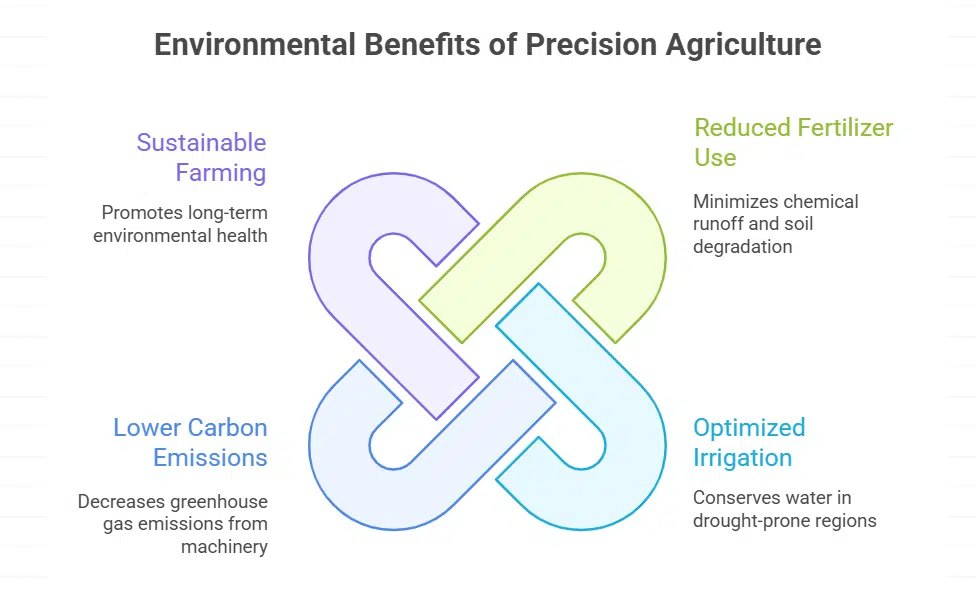
Precision agriculture isn’t just good for farmers—it’s also a win for the environment. Traditional farming often relies on excessive use of fertilizers and pesticides, which can pollute water sources and degrade soil. In contrast, precision farming solutions allow for targeted application of inputs, significantly reducing environmental harm.
By optimizing irrigation, farmers also save water—critical in drought-prone areas. Reduced machinery use also means lower carbon emissions. These environmentally friendly practices contribute to sustainable farming and better stewardship of natural resources.
Role in Climate-Resilient Farming
As climate change accelerates, agriculture must adapt quickly. Modern farming tech provides farmers with the tools to become more resilient. With access to real-time weather forecasts, drought mapping, and soil health monitoring, farmers can make data-driven decisions to mitigate the effects of extreme weather.
In regions where rainfall is unpredictable, precision irrigation systems deliver water only when and where it’s needed—reducing both waste and dependency on rainfall. This makes smart farming technology a vital weapon in the fight against climate uncertainty.
Case Studies and Global Adoption
Across the globe, farmers in the United States, Australia, Europe, and parts of Asia are embracing modern farming tech. In the U.S. Midwest, for example, corn and soybean farmers are using drone surveys and AI analytics to improve yields and reduce waste. In Japan, rice farmers use automated tractors and irrigation systems to cope with labor shortages.
Even smallholder farmers in developing countries are seeing benefits through smartphone-based apps that offer weather forecasts and crop advice based on satellite data.
Government and Private Sector Support for Adoption
Governments and agri-tech startups are playing a major role in pushing adoption of precision agriculture. In many countries, subsidies are available for farmers who invest in GPS equipment or drone technology. Universities and research centers are also helping by developing cost-effective solutions tailored to local conditions.
Private companies like John Deere, Trimble, and AllyNav are driving the adoption of precision agriculture by offering integrated solutions, advanced technologies, and support models that help farms of all sizes modernize their operations.
Future of Smart Farming: Trends and Innovations
The future of smart farming technology looks even more exciting. Emerging innovations include
- Autonomous tractors and harvesters that can work 24/7
- Blockchain systems to trace food from farm to fork
- Machine learning models that predict crop performance before planting
- Robotic weed control that uses lasers instead of chemicals
All these developments will make agriculture more productive, traceable, and sustainable in the coming years.
Challenges and Considerations
Despite the advantages, some barriers remain:
- High Initial Costs: Many technologies require significant upfront investment.
- Digital Literacy: Not all farmers are comfortable using apps or analyzing data.
- Connectivity Issues: Remote areas may lack internet access.
- Data Privacy: As data becomes a valuable asset, there are concerns about who owns and controls it.
Governments and private sector players must work together to make these solutions more accessible and equitable.
Takeaways
Precision agriculture solutions are not just a trend—they’re a revolution. By combining data, technology, and innovative thinking, they are helping farmers grow more with less, adapt to climate change, and meet the global demand for food.
From precision farming solutions to agricultural precision systems, this new era of modern farming tech is transforming the way we grow our food.
As adoption grows and technology becomes more affordable, the future of farming will be smarter, more sustainable, and more efficient than ever before.
Frequently Asked Questions (FAQs)
1. What are precision agriculture solutions?
Precision agriculture solutions are advanced farming methods that use technologies like GPS, sensors, drones, and data analytics to optimize crop production, reduce waste, and improve sustainability.
2. How do precision farming solutions help increase crop yield?
Precision farming solutions tailor water, fertilizer, and pesticide usage based on real-time field data. This ensures crops receive exactly what they need, leading to healthier plants and higher yields.
3. What technologies are used in smart farming technology?
Smart farming technology includes IoT sensors, autonomous tractors, drone imaging, AI-powered analytics, GPS mapping, and mobile farm management platforms.
4. Are precision agriculture systems suitable for small farms?
Yes. While large farms often adopt advanced systems first, many low-cost precision tools—like mobile apps and portable sensors—are now accessible to smallholder farmers.
5. What is the difference between traditional and modern farming tech?
Traditional farming relies on uniform practices across entire fields, while modern farming tech uses precise data and automation to customize treatment by area, saving time and resources.
6. How does precision agriculture support sustainability?
By reducing water use, limiting chemical runoff, and minimizing soil disturbance, precision agriculture solutions promote sustainable farming and environmental conservation.