The beauty industry is undergoing a significant transformation as consumers and brands alike recognize the urgent need for sustainable skincare packaging. With an estimated 120 billion units of packaging produced annually by the cosmetics industry, the environmental impact is staggering.
This article explores innovative approaches and practical solutions how can we make skincare packaging more sustainable, addressing the growing concern for eco-friendly alternatives in the beauty sector.
The Current State of Skincare Packaging
The cosmetics industry faces a monumental challenge when it comes to packaging waste. A staggering 95% of cosmetic packaging is thrown away, with only 14% of plastic waste sent to recycling facilities and a mere 9% actually being recycled. This alarming statistic highlights the urgent need for sustainable alternatives in the skincare industry.
The global eco-friendly cosmetic packaging market, valued at $4.5 billion in 2020, is projected to reach $6.2 billion by 2025, indicating a growing demand for sustainable solutions. This shift is driven by increasing consumer awareness and regulatory pressures, with 47% of consumers willing to pay more for beauty products with packaging made from sustainable materials.
Innovative Materials for Sustainable Skincare Packaging
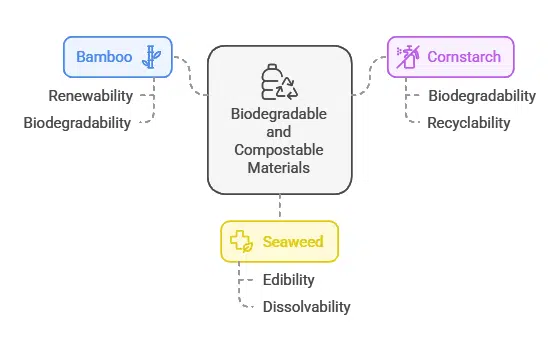
1. Biodegradable and Compostable Materials
Brands are increasingly turning to biodegradable and compostable materials as alternatives to traditional plastics. These materials, derived from natural sources, can break down naturally without leaving harmful residues.
- Bamboo: Bamboo packaging offers a sleek, premium look while being highly renewable and biodegradable.
- Cornstarch: Packaging made from cornstarch provides a viable alternative to plastic, being both biodegradable and recyclable.
- Seaweed: Innovative seaweed-based packaging is edible and dissolvable, making it an excellent option for certain skincare products.
2. Recycled and Recyclable Materials
The use of recycled materials in packaging helps reduce the demand for virgin resources and diverts waste from landfills.
- Post-Consumer Recycled (PCR) Plastic: Many brands are incorporating PCR plastic into their packaging, with a 2023 report noting that 65% of brands and retailers have reduced their virgin plastic packaging output since 2018.
- Glass: Infinitely recyclable, glass is an excellent option for skincare packaging, offering durability and a premium feel.
- Aluminum: Highly recyclable and lightweight, aluminum is gaining popularity as a sustainable packaging material.
3. Refillable and Reusable Packaging
Refillable packaging systems are gaining traction as they significantly reduce waste and encourage a circular economy approach.
- Airless Pump Bottles: These innovative containers protect product integrity while allowing for nearly complete product usage, reducing waste.
- Magnetic Compacts: Some brands offer refillable compacts with magnetic inserts, allowing for easy replacement of product pans.
Strategies for Implementing Sustainable Packaging
1. Minimalist Design
Adopting a minimalist approach to packaging design can significantly reduce material usage without compromising on aesthetics or functionality.
- Reduce Excess Packaging: Eliminate unnecessary layers and components in packaging.
- Streamlined Shapes: Design containers with simple, efficient shapes that minimize material use.
2. Innovative Technologies
Emerging technologies are playing a crucial role in developing more sustainable packaging solutions.
- Bio-based Materials: Research is ongoing to develop new materials derived from renewable sources that meet the challenging requirements for cosmetic preservation.
- Smart Packaging: Incorporating QR codes or NFC technology can provide product information digitally, reducing the need for printed materials.
3. Circular Economy Approach
Implementing a circular economy model in packaging design ensures materials are reused and recycled rather than discarded.
- Take-Back Programs: Encourage customers to return empty containers for proper recycling or refilling.
- Upcycling Initiatives: Partner with organizations to repurpose used packaging into new products.
Industry Examples and Best Practices
Several brands are leading the way in sustainable skincare packaging, setting examples for the industry to follow:
| Brand | Sustainable Packaging Initiative |
| Lush | 65% of products sold without packaging, 100% post-consumer recycled plastic for bottled products. |
| MAC Cosmetics | Implemented a program for customers to return empty packages for recycling |
| DECIEM | Collaborated with suppliers to repurpose paper into new, sustainable packaging material |
| Herbivore Botanicals | Uses glass containers and recyclable packaging materials with soy-based inks |
| Tata Harper Skincare | Prioritizes glass bottles and jars, uses recycled and recyclable materials. |
Challenges and Future Perspectives
While progress is being made, the industry still faces significant challenges in transitioning to fully sustainable packaging:
- Material Limitations: Many eco-friendly materials struggle to match the durability and protective qualities of traditional plastics.
- Cost Considerations: Sustainable packaging options often come at a higher cost, which can be a barrier for some brands and consumers.
- Regulatory Compliance: Ensuring new packaging materials meet safety and regulatory standards can be complex and time-consuming.
Looking ahead, the future of sustainable skincare packaging lies in continued innovation and collaboration across the industry. Key areas of focus include:
- Advanced Recycling Technologies: Developing more efficient recycling processes for complex packaging materials.
- Bioplastic Innovations: Creating new bio-based plastics that offer improved performance and biodegradability.
- Consumer Education: Increasing awareness about proper recycling and disposal of cosmetic packaging.
Takeaways
The question of how can we make skincare packaging more sustainable is being answered through a combination of innovative materials, circular economy principles, and thoughtful design.
As the industry continues to evolve, collaboration between brands, suppliers, researchers, and consumers will be crucial in creating a more sustainable future for skincare packaging. By embracing these eco-friendly solutions, the beauty industry can significantly reduce its environmental impact while meeting the growing demand for sustainable products.