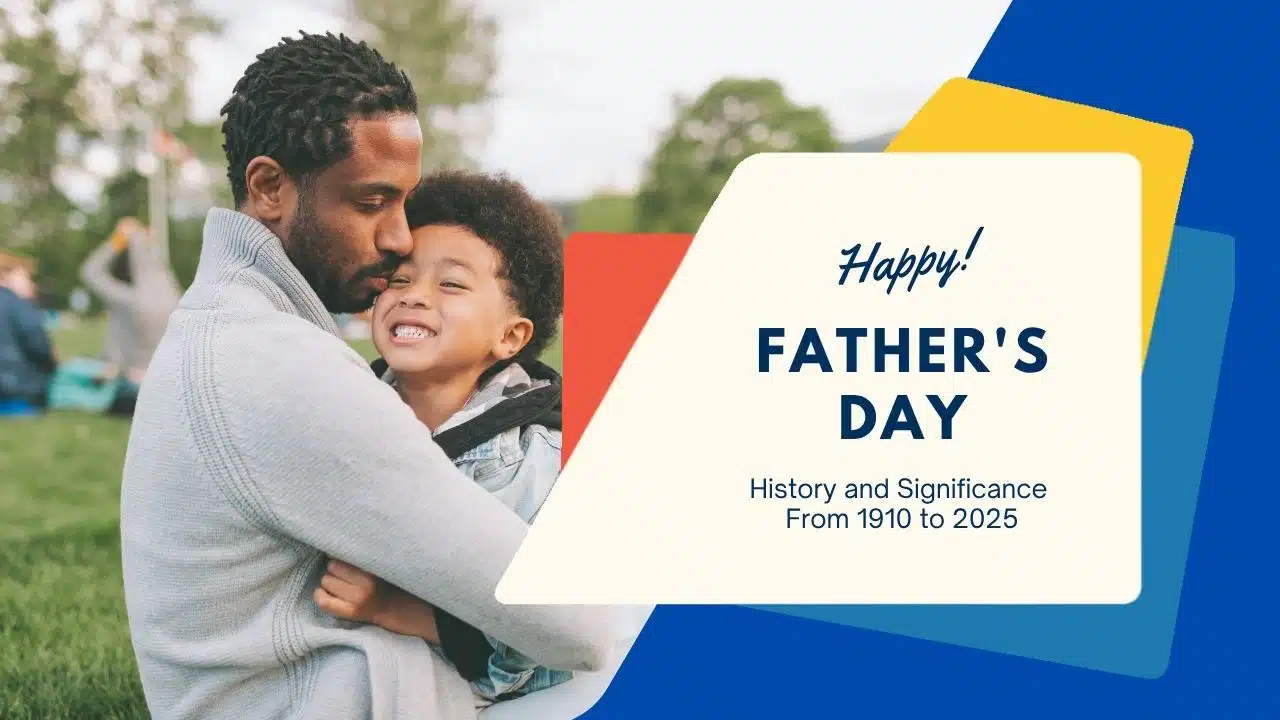
Have you ever paused on a Father’s Day to wonder where it all began? While many celebrate with gifts, heartfelt messages, and family dinners, the history and significance of Father’s Day stretch back over a century, sparked by a daughter’s desire to honor her father’s love and sacrifice.
What started as a modest tribute in the early 1900s has transformed into a global observance celebrating fathers, grandfathers, mentors, and father figures from all walks of life. But behind the ties, the tools, and the tech gifts lies a rich history of social change, evolving family dynamics, and cultural significance.
In this article, we’ll take a journey from 1910 to 2025—exploring the origin, recognition, worldwide celebrations, and the modern-day meaning of Father’s Day. Whether you’re honoring your dad today or reflecting on the meaning of fatherhood, this story will deepen your appreciation for one of the most heartfelt days of the year.
The Origins of Father’s Day
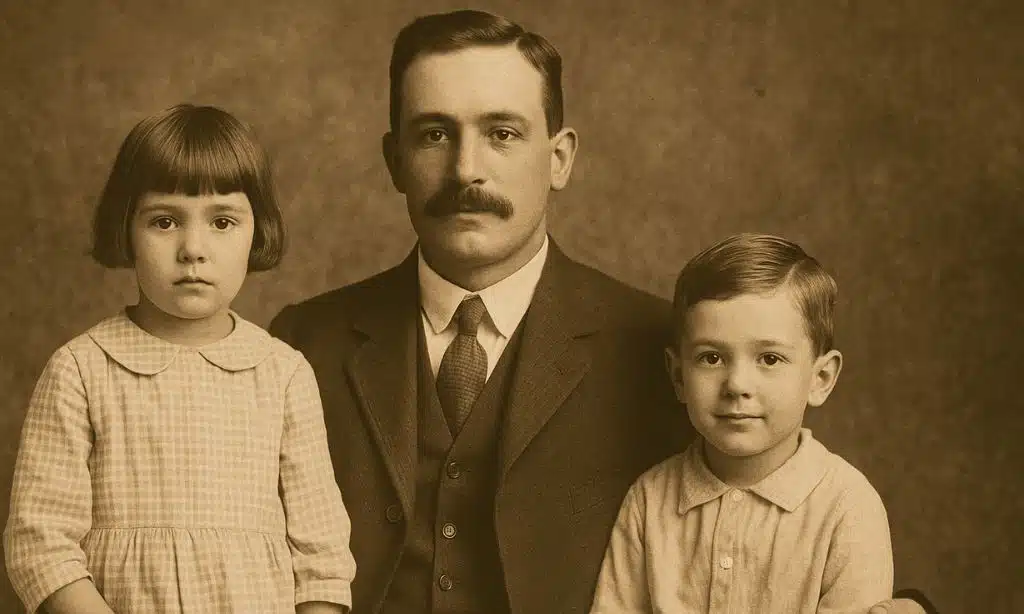
While Father’s Day is now embraced as a mainstream celebration, its origins trace back to a time when only mothers were formally recognized for their parental role. The rise of Mother’s Day in the early 1900s inspired the idea that fathers, too, deserved a day to be honored for their dedication, love, and sacrifices.
The Early Inspiration—Mother’s Day Came First
Mother’s Day became a nationally celebrated holiday in the United States in 1914, thanks to the tireless efforts of Anna Jarvis, who sought to honor her late mother’s legacy. As the day gained momentum, many began to ask a simple question: What about fathers?
At that time, society largely viewed men as providers and disciplinarians—rarely as emotionally nurturing or involved in day-to-day parenting. This traditional view contributed to skepticism around the idea of a “Father’s Day”, with many feeling it unnecessary or overly sentimental.
Sonora Smart Dodd—The Woman Behind Father’s Day
The push for Father’s Day as a dedicated holiday came from Sonora Smart Dodd, a woman from Spokane, Washington. Inspired by the emerging celebration of Mother’s Day, she felt strongly that her father, William Jackson Smart, deserved the same recognition. A Civil War veteran and single parent, Smart raised Sonora and her five siblings alone after their mother died in childbirth.
In 1910, Dodd proposed the idea of a day to honor fathers at her local church. Thanks to her advocacy, the first Father’s Day was celebrated on June 19, 1910, in Spokane. Churches participated, and local businesses supported the idea by distributing flowers and gifts. It marked the beginning of a movement, but it would take decades before the holiday became official nationwide.
National Recognition in the U.S.
Though the first Father’s Day celebration in 1910 was well-received locally, wider national recognition took time—and effort. Unlike Mother’s Day, which quickly gained popularity, Father’s Day faced cultural hesitation and even political resistance.
Initial Resistance and Slow Adoption
In the early 20th century, the idea of dedicating a day to fathers didn’t appeal to everyone. Critics saw it as an attempt to commercialize masculinity—a gimmick for retailers to sell neckties, tobacco, and tools. Others believed that fathers didn’t need emotional tributes in the same way mothers did.
Some men even opposed the holiday, feeling it threatened traditional notions of masculinity, with public sentiment suggesting that men should be stoic providers rather than emotional caregivers. Despite these hurdles, the idea of Father’s Day slowly gained traction, particularly during times of national hardship.
Official Recognition Timeline
Father’s Day advocacy continued through the 1920s and 1930s, primarily driven by local celebrations and retail promotions. Then came a turning point during the Great Depression and World War II. Retailers emphasized Father’s Day as a way to honor fathers who were serving their country or supporting their families through tough times.
-
1924: President Calvin Coolidge publicly supported the idea of Father’s Day but stopped short of making it a federal holiday.
-
1966: President Lyndon B. Johnson issued the first presidential proclamation declaring the third Sunday in June as Father’s Day.
-
1972: After years of advocacy, President Richard Nixon signed it into law, officially recognizing Father’s Day as a national holiday in the U.S. It became permanently observed on the third Sunday of June each year.
This long journey to official recognition reflected a broader shift in how society began to value the role of fathers—not just as breadwinners, but as vital emotional and moral guides within the family.
Global Spread and Local Traditions
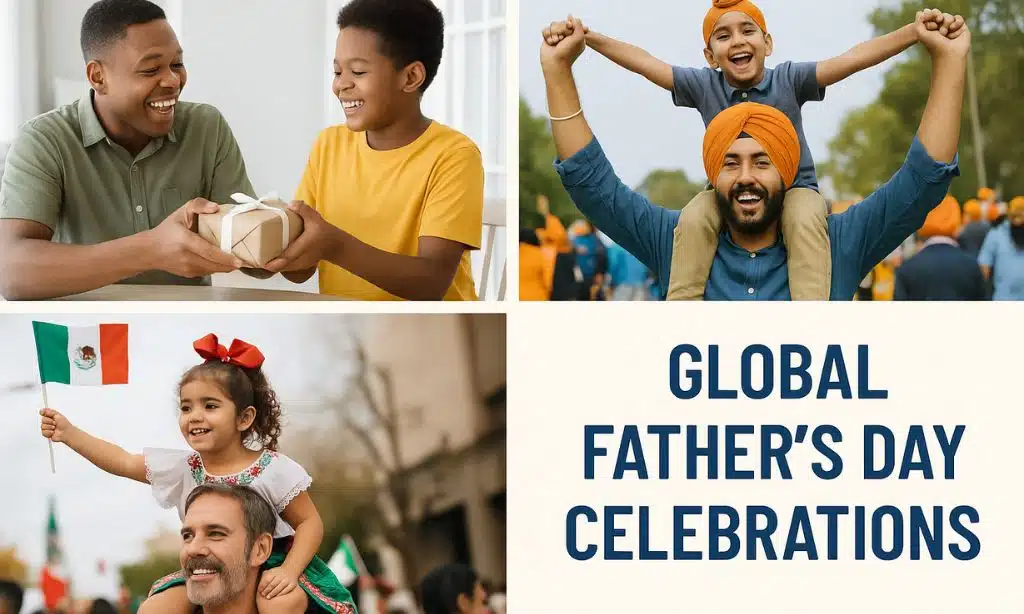
While the U.S. played a foundational role in establishing Father’s Day, the sentiment behind honoring fathers resonated worldwide. Over time, many countries adopted the holiday—some mirroring the American tradition, others choosing dates tied to their own cultural or religious practices.
How Different Countries Celebrate Father’s Day
-
United States, Canada, UK, and India: These countries observe Father’s Day on the third Sunday of June, following the American model. Celebrations typically involve cards, gifts, and family gatherings.
-
Australia and New Zealand: Father’s Day is celebrated on the first Sunday of September, coinciding with the start of spring in the Southern Hemisphere. The focus is on outdoor activities, family meals, and school events honoring dads.
-
Spain, Portugal, and Italy: These predominantly Catholic nations celebrate Father’s Day on March 19, which is St. Joseph’s Day, honoring the earthly father of Jesus. It’s both a religious and familial occasion, marked by mass, feasts, and local customs.
-
Germany: Known as Vatertag or Men’s Day, it’s celebrated on Ascension Day (40 days after Easter). German men often spend the day outdoors, engaging in hikes, bike rides, and beer-drinking—turning it into a day of male bonding.
Local Customs and Unique Practices
-
Thailand: Father’s Day is celebrated on December 5, the birthday of the late King Bhumibol Adulyadej. Citizens wear yellow in his honor, and the day involves ceremonies, family gatherings, and acts of charity.
-
Nepal: Celebrated as “Kushe Aunsi,” Father’s Day typically falls in late August or early September and includes rituals, offerings, and family meals to honor fathers—living and deceased.
-
Mexico: Father’s Day is marked by the Carrera Día del Padre, a 21K race in Mexico City, along with festivals, music, and family-centered traditions.
These diverse observances reflect how cultures adapt the universal value of fatherhood to their own traditions, religions, and social structures.
Evolution of Fatherhood and Changing Meaning
Over the past century, the concept of fatherhood has undergone a significant transformation. No longer limited to the role of financial provider or family disciplinarian, today’s fathers are increasingly seen as nurturers, caregivers, and emotional anchors in their children’s lives.
From Sole Breadwinners to Co-Parents
Traditionally, fathers were cast in the role of sole breadwinners, expected to work hard while mothers handled domestic duties and child-rearing. But as societies began to value gender equality and dual-income households became more common, parenting roles started to shift.
Modern dads are now more hands-on than ever before.
-
They change diapers, attend school events, and participate in bedtime routines.
-
Many are stay-at-home fathers by choice, challenging outdated gender norms.
-
Surveys show increased emotional involvement, with fathers expressing a desire to be active and present in their children’s upbringing.
This change hasn’t just been cultural—it’s also been backed by research. Studies have shown that children with involved fathers tend to have better emotional development, higher academic performance, and stronger social skills.
Representation in Media and Pop Culture
Media has played a huge role in reshaping public perceptions of fatherhood.
In the 1950s and 60s, TV dads like Ward Cleaver (Leave It to Beaver) embodied the traditional, moral authority figure. By the 1990s and 2000s, fathers became more relatable and emotionally expressive—think Danny Tanner from Full House or Philip Banks from The Fresh Prince of Bel-Air.
Today, films, social media, and literature often showcase diverse fatherhood models—including adoptive dads, single fathers, gay dads, and stepfathers—broadening the narrative of what it means to be a father.
The evolution of media has also led to viral dad moments, from TikTok dance videos to heartfelt letters shared on Instagram, helping to humanize and celebrate fatherhood in the digital age.
Father’s Day in the 21st Century

As we stepped into the 21st century, Father’s Day evolved from a simple gesture of appreciation to a multifaceted celebration shaped by technology, consumer culture, and shifting family dynamics. Today, it’s not just about buying a gift—it’s about creating memorable experiences and highlighting the emotional value of fatherhood.
Rise of Social Media and Digital Tributes
Social media has completely transformed how we celebrate Father’s Day. Platforms like Facebook, Instagram, TikTok, and Twitter (X) have turned Father’s Day into a global storytelling event.
-
Families post nostalgic photos and emotional captions.
-
Influencers share reels of “dad jokes,” dance trends, and heartfelt surprises.
-
Brands join in, promoting user-generated content campaigns around themes like #MySuperDad or #ThanksDad.
Even children too young to write tributes themselves often feature in videos or messages created by their moms or siblings, giving digital life to their affection.
In the era of remote work and global families, many also celebrate with virtual calls, e-cards, and video messages, ensuring distance doesn’t dampen the day.
Commercialization vs Genuine Celebration
Like most widely recognized holidays, Father’s Day has not been immune to commercialization. Retailers capitalize on the occasion by marketing everything from watches and whiskey to grooming kits and electronics.
While some argue that this diminishes the sincerity of the day, others see it as a natural evolution—a means of expressing gratitude through meaningful gifts and shared experiences.
There’s also been a notable shift toward experience-based gifts, such as:
-
Spa vouchers or wellness packages tailored for dads
-
Outdoor adventures like hiking, fishing trips, or car racing experiences
-
Subscription boxes for books, coffee, or tools
These thoughtful options allow people to move beyond the cliché of socks and ties, deepening the emotional connection between fathers and children.
Father’s Day 2025: What’s New This Year?
As we celebrate Father’s Day on June 15, 2025, the lenses through which we view fatherhood continue to evolve. This year brings fresh trends and reflections, showcasing a deeper appreciation for both well-being and connection.
Trends in Celebrating Father’s Day
-
Experience-Driven Gifting: Beyond material gifts, people are increasingly gifting experiences—cooking classes, concert tickets, weekend getaways, adventure sports, or even online workshops. The focus is on making memories together, not just material possessions.
-
Wellness & Self-Care Focus: 2025 sees a rise in wellness-oriented gifts: spa days, mental health subscriptions, fitness trackers, and even nutrition consults curated for dads. It reflects a growing awareness that relaxed, supported dads are better partners, parents, and role models.
-
Eco-Friendly and Purpose-Driven Gifts: Sustainable gifts are trending—think biodegradable planting kits, ethical watch brands, or charitable donations in dad’s name. It shows a blend of personal affection with social responsibility.
The Post-Pandemic Shift in Celebrations
The COVID-19 pandemic reshaped life and celebrations. In 2025, the influences are still clear:
-
Intimate, Home-Based Celebrations: Families that spent lockdowns together are now drawn to quieter, more intimate celebrations—home-cooked brunches, backyard picnics, or movie nights.
-
Hybrid Gatherings: For families spread across regions, this year’s Father’s Day often blends in-person and virtual connections—family Zoom calls with a birthday cake sent to dad’s doorstep or shared live-streamed events.
-
Heightened Mental Health Awareness: There’s greater openness around dads’ mental wellness. New initiatives include father support groups, online webinars, and apps focused on fatherhood stress, mindfulness, and emotional expression.
Why Father’s Day Still Matters
Despite the modern-day commercialization and digital overload, Father’s Day remains a deeply significant celebration. It’s more than just a date on the calendar—it’s a powerful reminder of the role fathers and father figures play in shaping lives, families, and societies.
Emotional and Societal Value
Father’s Day offers a rare pause in the fast pace of life to reflect, appreciate, and connect. Whether it’s a biological father, stepdad, grandfather, mentor, or guardian, this day provides an opportunity to:
-
Express gratitude and recognition for years of love and support
-
Repair strained relationships or start new conversations
-
Acknowledge fatherhood in all its forms—regardless of bloodline or tradition
Especially in single-parent households, foster care, and non-traditional family structures, recognizing father figures brings emotional healing and validation.
Encouraging Active & Responsible Fatherhood
In an era where family dynamics are becoming more inclusive and diverse, Father’s Day serves as a call to action. It challenges outdated stereotypes and promotes:
-
Active parenting roles where fathers participate in emotional caregiving
-
Support for paternal leave, child-care involvement, and gender-balanced homes
-
Awareness of fatherlessness and its impact on children’s development
More than anything, it reinforces that being a father is about presence, not perfection. Today’s dads are increasingly showing up—not just with financial support but with compassion, understanding, and shared responsibility.
Takeaways
From a humble church tribute in Spokane to a global celebration across continents, Father’s Day has come a long way since 1910. It has grown alongside society’s changing views of masculinity, family, and emotional expression.
Father’s Day 2025 is not just about honoring the past—it’s about recognizing the fathers of today and inspiring the ones of tomorrow. Whether through a heartfelt message, a shared meal, or simply sitting together in silence, what truly matters is connection.
So this Father’s Day, let’s not just say “thank you.”
Let’s show it—through actions, empathy, and love that lasts far beyond a single day.