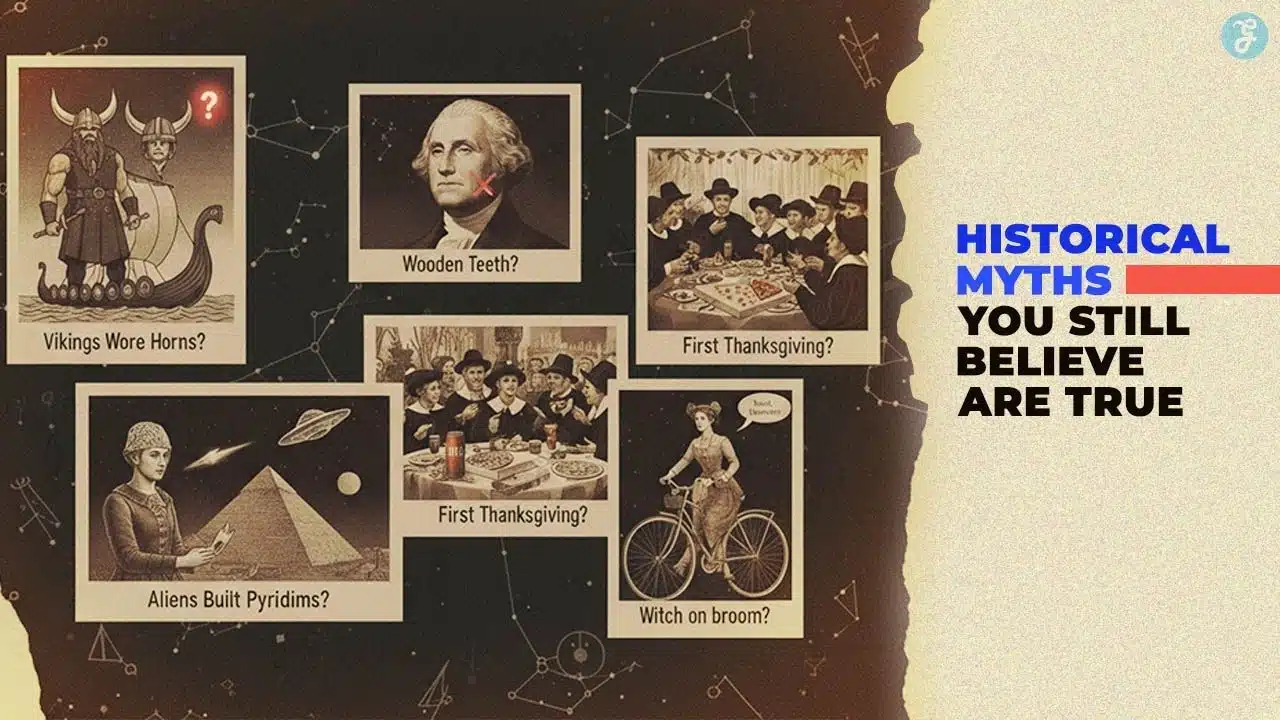
You probably grew up hearing stories from early American history that sound true but are not. For example, George Washington’s teeth were never made of wood during the Civil War era.
This blog will bust seven common historical myths, like tales about napoleon bonaparte and the salem witch trials. Ready to find out what else you got wrong?
Key Takeaways
- Napoleon Bonaparte was not short; he stood about 5’6″ to 5’7″, which was normal height for French men in his time. The myth began because French and English inches were different.
- Christopher Columbus did not reach North America. He landed in the Caribbean in 1492. Vikings, like Leif Erikson, reached Newfoundland, Canada around the year 1000—almost 500 years before Columbus.
- Paul Revere never shouted, “The British are coming!” On April 18, 1775, he said, “The Regulars are coming out.” Most colonists still saw themselves as British at that time.
- No one was burned at the stake during the Salem Witch Trials of 1692 in Massachusetts. Nineteen people were hanged and one man died under heavy stones.
- Vikings never wore horned helmets. This image comes from opera costumes made in the 1800s. Real Viking helmets found by archaeologists have no horns.
Was Napoleon Really Short?
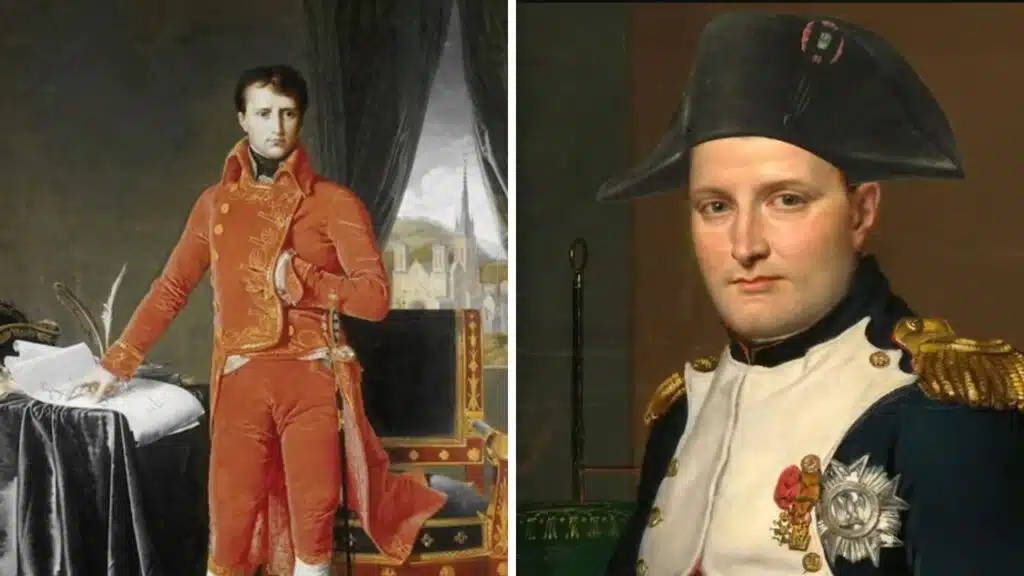
Napoleon Bonaparte’s height is a classic historical myth. People often say he was very short, but that is not true. The confusion started because French and English inches were different back then.
His official record says 5’2″ in French inches, which equals about 5’6″ to 5’7″ today. That was an average height for a Frenchman at the time.
The story of Napoleon’s height spread far and wide. It helped feed jokes about his leadership style and personality as if size shaped his power or decisions. This mix-up has stuck around like gum on your shoe, even though facts prove otherwise.
Next time someone calls him short, you can share the real story behind this popular historical misconception!
Was Columbus the First European to Reach America?
Christopher Columbus never set foot on North America. He landed in the Caribbean in 1492, not at Plymouth Rock or anywhere near it. Long before this, Leif Erikson and other Vikings sailed to what is now Newfoundland, Canada.
That was around the year 1000, almost 500 years ahead of Columbus’s trip.
The myth that Christopher Columbus “discovered America” skips over those earlier Norse adventures. His voyages did start a wave of European interest in the American continents and forever changed history for Native Americans.
But his arrival also marked a harsh time of fighting, slavery, and new diseases for indigenous peoples who lived there first.
Did Paul Revere Shout, “The British Are Coming!”?
Paul Revere did not gallop through the night yelling, “The British are coming!” That catchy line is a later invention. During his midnight ride on April 18, 1775, he actually warned people by saying, “The Regulars are coming out.” Back then, most colonists saw themselves as British too, so shouting about the “British” would have only caused head-scratching.
Revere was not alone either. He worked with William Dawes and Samuel Prescott during Paul Revere’s ride. Their warning system was more like a relay race than one man’s show. These riders helped alert everyone that the king’s soldiers were on their way to seize hidden guns and gunpowder before the American Revolution went up in smoke.
What Really Happened During the Salem Witch Trials?
The Salem Witch Trials took place in 1692, in Salem, Massachusetts. This dark chapter saw the execution of 20 people for witchcraft. Nineteen were hanged. One man, Giles Corey, was pressed to death under heavy stones.
Despite what many think, no one was burned at the stake there; that practice happened more in Europe during the Medieval period.
Mass hysteria sparked these events. Fear and confusion spread through the town fast. People became suspicious of their neighbors and turned against each other. Religious extremism fueled the panic as well as social tensions among townsfolk.
The trials remain one of America’s most infamous tales of injustice, showing how fear can lead to terrible choices and wrongful actions against innocent lives during moments of crisis like a witch hunt.
Did George Washington Have Wooden Teeth?
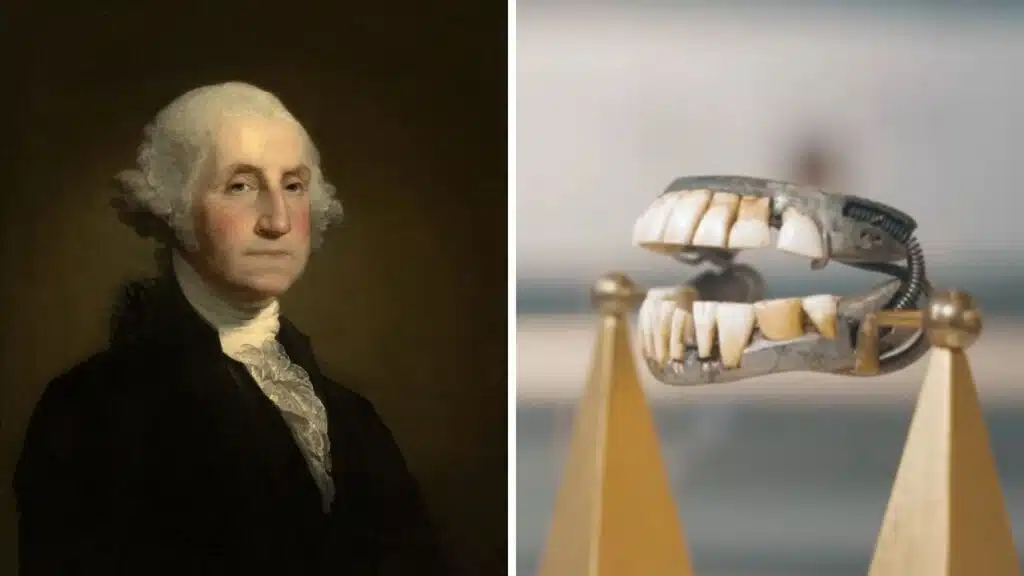
George Washington did not have wooden teeth. His dentures were made of ivory, metal, and even animal and human teeth. Some of these teeth came from enslaved people, which adds a sad layer to this story.
The myth of wooden teeth likely started because his ivory dentures had stains and cracks that made them look like wood.
Washington faced many dental problems in his life. He used dentures for years due to the state of 18th-century dentistry. People often struggled with their teeth back then, just like him.
Understanding the truth about Washington’s dental care helps us see both his challenges and the practices of his time more clearly.
Did Medieval People Believe the Earth Was Flat?
Medieval people did not think the Earth was flat. Most educated folks, like church scholars and thinkers, knew it was round. They studied old texts from Greek philosophers who explained this idea long before the Middle Ages.
Some popular stories say everyone thought differently, but that’s not true. Maps from that time show a round Earth too. In fact, many sailors used these maps for their journeys across oceans with confidence in its shape.
The myth comes from misunderstandings of history and how we view medieval knowledge today.
Did Vikings Wear Horned Helmets?
Vikings did not wear horned helmets. There is no evidence to support this idea. This popular image comes from 19th-century operatic costumes, not real Viking culture. Archaeologists found no horned helmets in their digs.
Instead, Vikings wore simple metal or leather helmets for protection in battle. The myth of the horned helmet has misled many people about Viking history.
Takeaways
History is full of surprises. Many myths are still floating around today. They can shape how we see events and people from the past. Understanding these facts gives us a clearer picture of history.
It also helps us avoid confusion in the future. Keep learning, and you might uncover more truths about our world!
FAQs
1. Did people accused in the Salem witch trials really get burned at the stake?
No, burning at the stake did not happen in Salem. Most people found guilty of sorcery were hanged, not burned.
2. Was Christopher Columbus truly the first to discover America?
Columbus did cross the ocean, but he was not the first to reach America. Native peoples lived here long before his ships arrived.
3. Did Napoleon Bonaparte stand as short as many believe?
Napoleon’s height is a classic historical misconception. He was about average size for his time; rumors made him seem much shorter than he really was.
4. Did Paul Revere ride alone during his midnight warning?
Paul Revere gets all the credit, but others like William Dawes also rode out that night to alert colonists about British soldiers.
5. Is it true Marie Antoinette said “let them eat cake” when her people starved?
That famous phrase is fiction; there’s no proof she ever said those words during hard times in France.
6. Were Viking warriors always wearing horned helmets into battle?
Horned helmets are pure myth and Hollywood magic; real Vikings wore simple headgear without horns while raiding or exploring new lands.