
Accidents happen in the blink of an eye, but the aftermath—medical bills, missed work, emotional trauma—can linger for months or even years. Whether you’ve been hurt in a car crash, a slip-and-fall, a workplace accident, or another incident caused by negligence, knowing your legal options is critical.
A personal injury lawyer can be your strongest ally in pursuing compensation, protecting your rights, and navigating the complex legal landscape. If you’re unsure whether you need legal representation, understanding what a personal injury attorney does and how they can support your recovery is a great place to start.
What Does a Personal Injury Lawyer Do?
When you’re dealing with physical pain and financial stress, a personal injury lawyer steps in to handle the legal challenges on your behalf. These legal professionals specialize in tort law, representing clients who have suffered harm due to another party’s negligence or intentional wrongdoing. From gathering evidence and negotiating with insurance companies to filing lawsuits and representing you in court, they are equipped to guide you every step of the way. Their goal is to secure the compensation you deserve for medical expenses, lost wages, pain and suffering, and more.
Key Benefits of Hiring a Personal Injury Lawyer
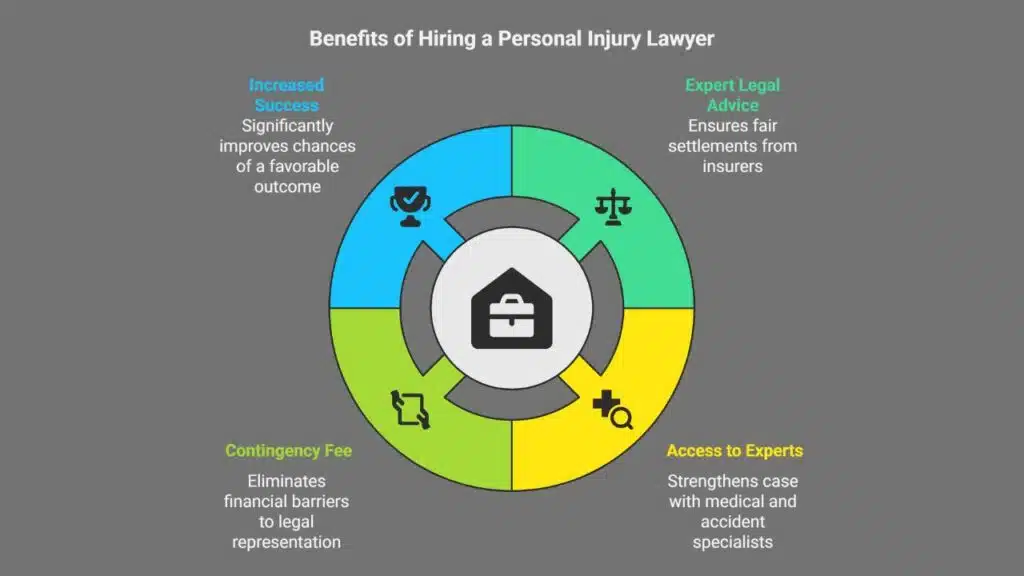
A seasoned attorney brings several advantages to your case. First, they offer expert legal advice, ensuring you don’t accept lowball offers from insurers. Second, they have access to a network of medical professionals and accident reconstruction experts to strengthen your case. Third, most work on a contingency fee basis—meaning you only pay if they win your case—eliminating financial barriers to legal representation. With someone knowledgeable fighting for you, your chances of a successful outcome increase significantly.
Common Types of Personal Injury Cases
Personal injury law covers a wide range of incidents, including motor vehicle accidents, pedestrian injuries, defective products, medical malpractice, dog bites, and more. Each type of case requires specific legal strategies, documentation, and an understanding of local laws and statutes of limitation. A skilled lawyer can evaluate the circumstances of your injury and determine the best approach to pursue maximum compensation.
How to Choose the Right Personal Injury Lawyer
When selecting a personal injury attorney, look for someone with a proven track record in similar cases, excellent communication skills, and a client-centered approach. Free initial consultations are a good opportunity to ask questions about their experience, fees, and expectations. Online reviews and client testimonials can also provide insight into their professionalism and effectiveness.
Takeaways
Navigating the aftermath of a personal injury can feel overwhelming, but you don’t have to face it alone. A knowledgeable and dedicated personal injury lawyer can help level the playing field, ensuring your voice is heard and your rights are protected. With the right legal guidance, you can focus on healing while your attorney handles the pursuit of justice and fair compensation.